Central California hides some amazing wildlife treasures that don’t require hiking boots or binoculars to enjoy. These wildlife refuges offer convenient auto tour routes where you can witness incredible animals in their natural habitats without ever stepping outside your vehicle. Perfect for families with small children, people with mobility challenges, or anyone who wants to experience nature in comfort, these driving routes showcase California’s rich biodiversity year-round.
1. San Luis National Wildlife Refuge
Sprawling wetlands burst with life as you cruise along the Refuge’s well-maintained auto route. Winter brings spectacular gatherings of sandhill cranes whose trumpeting calls echo across the marshes. Their gangly frames and graceful movements create natural theater visible right from your dashboard.
Spring transforms the landscape with wildflowers dotting the grasslands while resident tule elk graze peacefully. The driving route loops through diverse habitats – from seasonal ponds to riparian forests – offering chances to spot river otters, coyotes, and countless waterfowl.
2. Merced National Wildlife Refuge
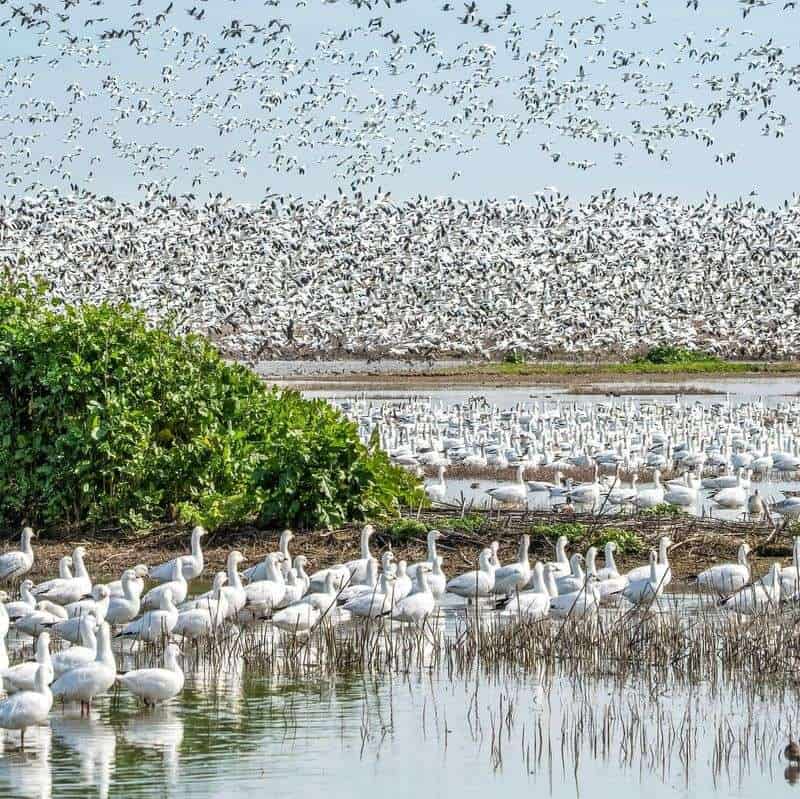
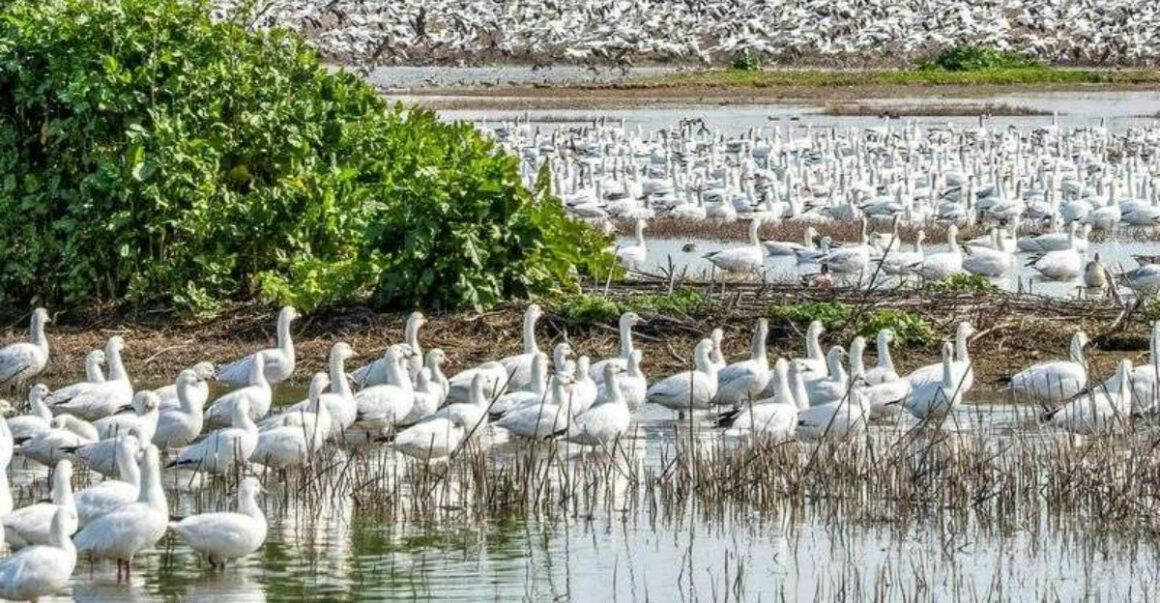
Dawn breaks with thunderous wing beats as thousands of snow geese take flight in unison. The auto tour at Merced offers front-row seats to this breathtaking natural phenomenon without leaving your vehicle. When these brilliant white birds lift off against the morning sky, even veteran wildlife watchers sit speechless.
Families particularly enjoy the winter months when the refuge hosts peak populations of ducks, geese and swans. Roll down your windows to hear the symphony of calls echoing across the wetlands. The flat landscape provides unobstructed views of hunting hawks and foraging shorebirds throughout the five-mile driving loop.
3. Tule Elk State Natural Reserve
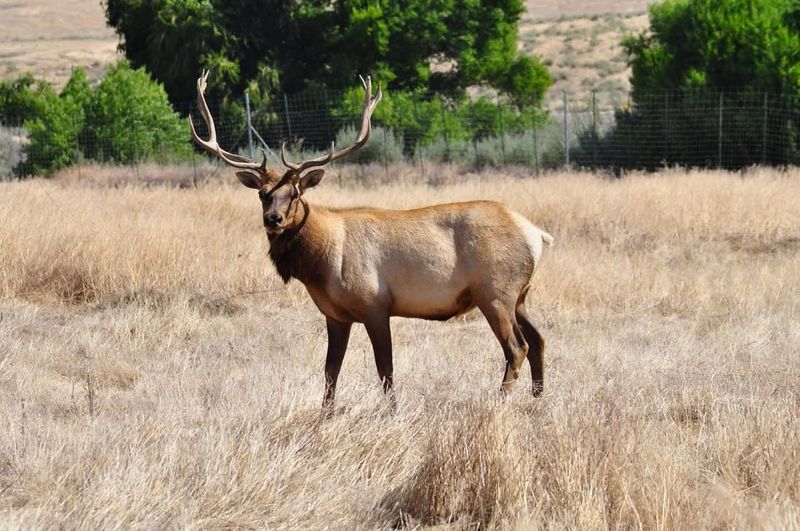
California’s native elk once numbered in the hundreds of thousands before nearly disappearing entirely. Today, this special reserve protects one of the state’s most successful conservation stories. From your car windows, watch impressive bulls with massive antlers guarding their harems across rolling grasslands.
The reserve’s four-mile driving loop circles the elk’s territory, offering multiple viewing opportunities. Morning and evening hours provide the best chance to see these magnificent creatures in action. Binoculars help, but even without them, the elk’s distinctive profiles stand out clearly against the golden hills.
4. Great Valley Grasslands
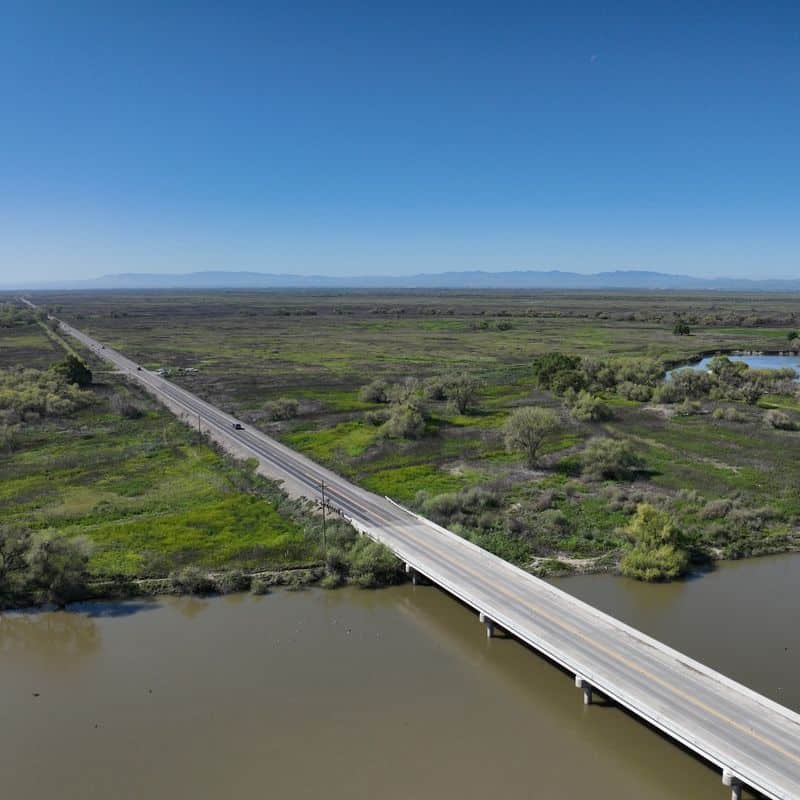
Wildflowers carpet the landscape in spring, creating a colorful backdrop for wildlife watching along this lesser-known route. Deer often venture close to the road, especially in early morning hours when the grasslands shimmer with dew. Their relaxed behavior around vehicles makes for excellent photography opportunities.
Wild turkeys strut between oak trees, displaying their impressive tail feathers to potential mates. The park’s driving areas wind through restored native grasslands – an increasingly rare ecosystem in California. Bird enthusiasts appreciate the variety of grassland species visible from car windows, including meadowlarks, kestrels, and occasional golden eagles soaring overhead.
5. Pixley National Wildlife Refuge
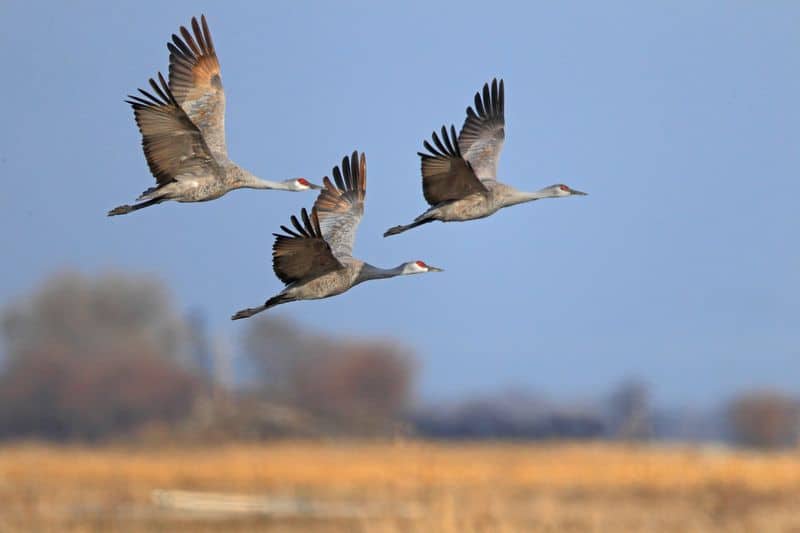
Golden light filters through valley oaks as you navigate Pixley’s auto route. This refuge harbors some of California’s most endangered species, including the elusive San Joaquin kit fox. Though nocturnal, these adorable fox relatives occasionally appear during late afternoon drives.
Burrowing owls stand sentinel beside their underground homes, their yellow eyes tracking your movement as you slowly cruise past. Unlike larger refuges, Pixley’s intimate size creates a more personal wildlife viewing experience.
The refuge transforms dramatically with seasons – summer brings coyote pups playing near den sites, while winter delivers northern harriers gliding low over fields hunting for mice and voles.
6. Kern National Wildlife Refuge
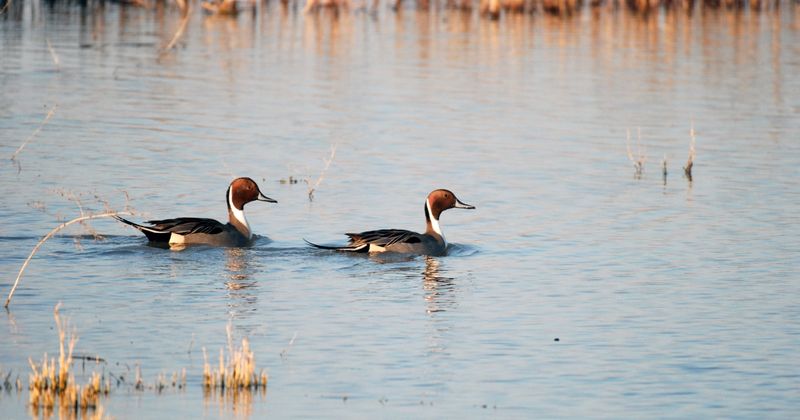
Water shimmers like mirrors reflecting cloud-studded skies as you follow Kern’s six-mile auto route. The refuge’s strategic flooding schedule creates ideal conditions for viewing everything from tiny shorebirds to massive white pelicans. River otters occasionally surprise visitors by appearing alongside the road, their playful antics visible without binoculars.
Fall migration brings dramatic changes as thousands of sandhill cranes arrive, their prehistoric calls carrying across the wetlands. The driving route cleverly incorporates elevated sections that provide sweeping panoramas across the refuge.
Photographers love the late afternoon light that bathes feeding birds in golden hues, all easily captured from vehicle windows.
7. Bitter Creek National Wildlife Refuge
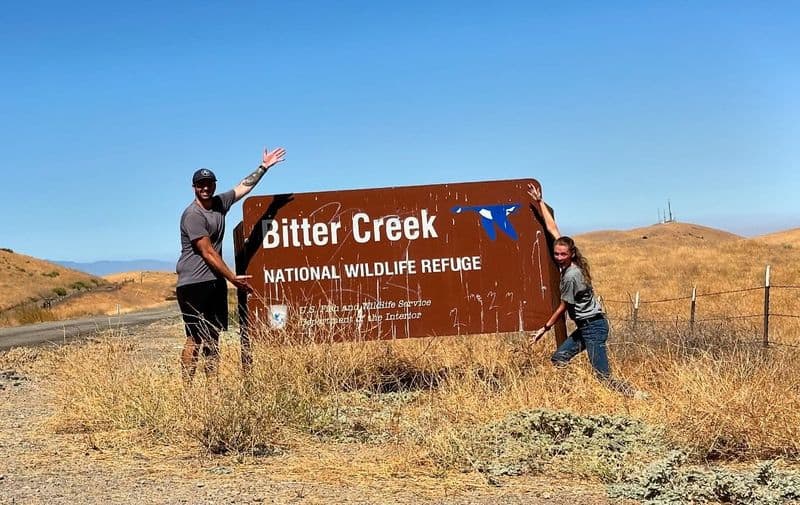
Few wildlife experiences match spotting a California condor soaring on thermal updrafts. With nearly 10-foot wingspans, these magnificent birds cast dinosaur-like shadows across the landscape. Bitter Creek’s driving routes traverse rugged terrain where these critically endangered birds make their comeback.
The refuge’s dirt roads require higher clearance vehicles but reward visitors with spectacular vistas and wildlife sightings. Scan rocky outcroppings for perched condors warming their wings in morning sun.
Beyond condors, the refuge supports impressive herds of tule elk and pronghorn antelope that graze openly across hillsides. Their movement patterns often bring them within easy viewing distance of designated driving routes.