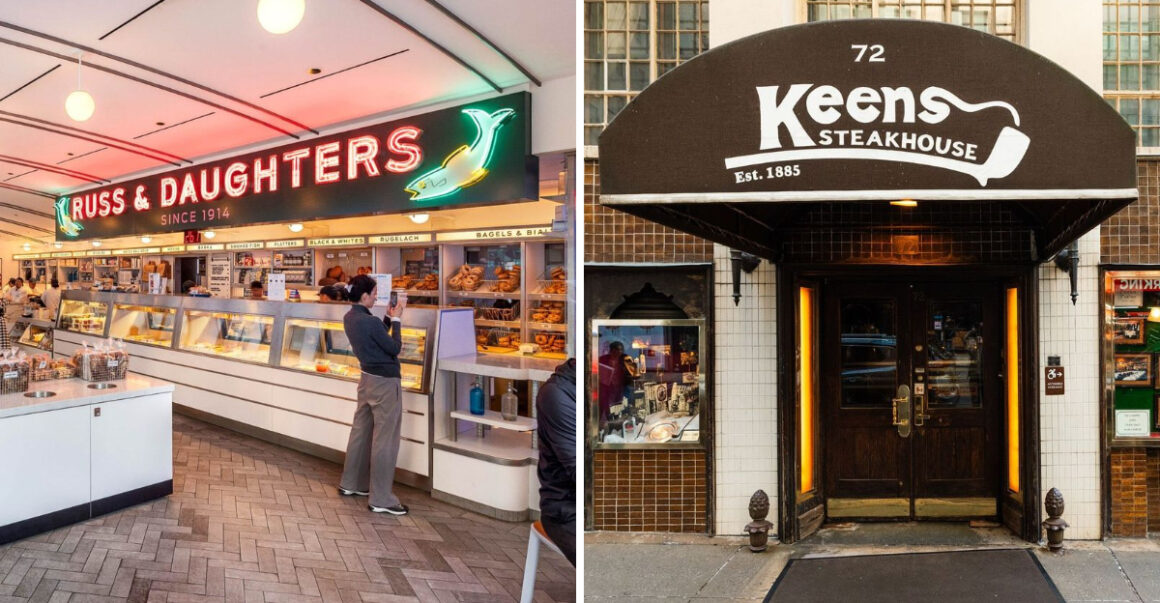
New York City’s food scene is famous worldwide, but beyond the trendy hotspots are restaurants that have stood the test of time. These culinary landmarks have fed families for decades, becoming woven into the fabric of the city itself. From century-old delis to storied steakhouses, these 14 establishments aren’t just places to eat—they’re living museums where New Yorkers celebrate life’s moments, big and small.
1. Katz’s Delicatessen
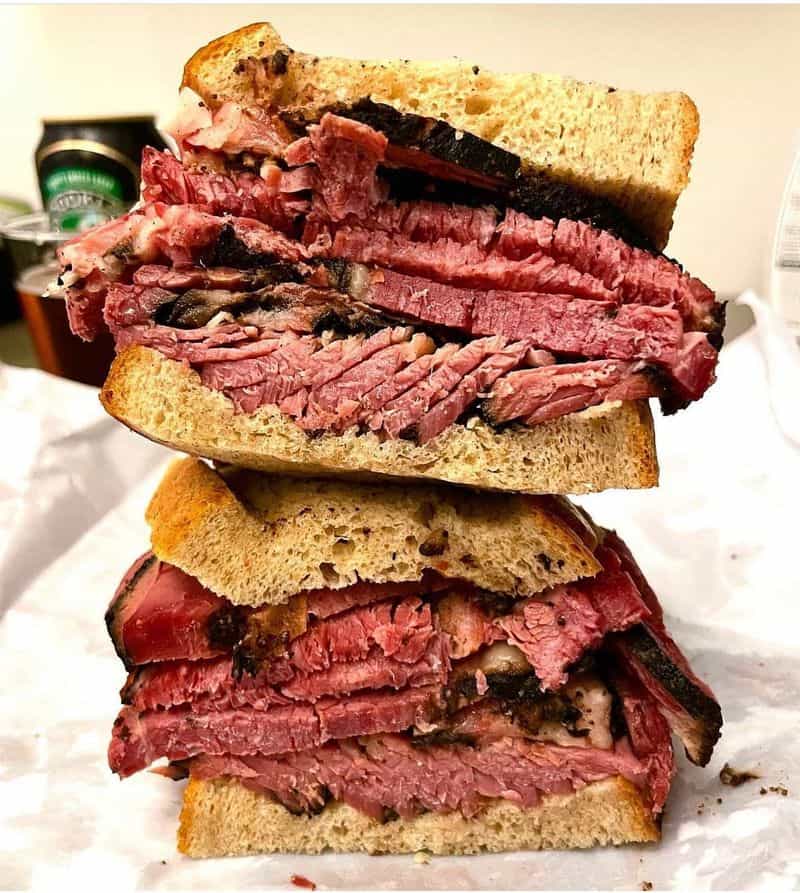
The unmistakable aroma of cured meat has been wafting through the Lower East Side since 1888. Generations of New Yorkers have stood in line for hand-carved pastrami sandwiches stacked impossibly high on rye bread.
The walls are plastered with celebrity photos, and yes, that’s the famous table from “When Harry Met Sally.” During World War II, the tradition of “Send a Salami to Your Boy in the Army” began, connecting soldiers abroad with a taste of home.
2. Russ & Daughters
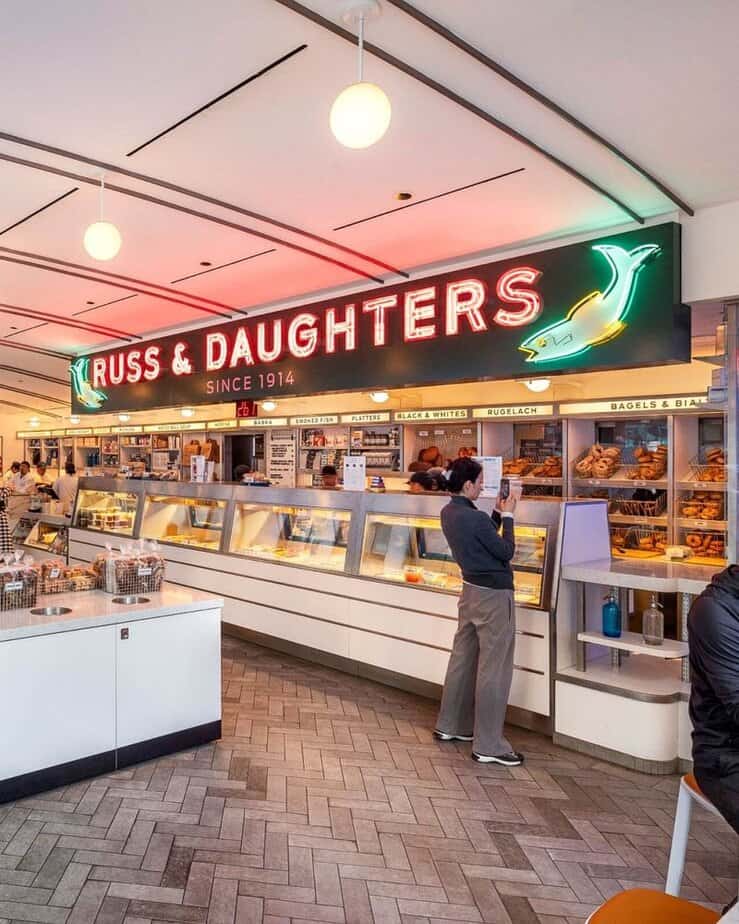
Founded in 1914, this appetizing shop earned its unique name when Joel Russ, having no sons, brought his three daughters into the family business. Their hand-sliced smoked salmon and creamy schmears have remained virtually unchanged for over a century.
The narrow shop with its white-coated counter staff operates like a well-rehearsed ballet. Fourth-generation family members now oversee the business, maintaining traditions while the neighboring café offers seating for those who can’t wait to devour their bagel treasures.
3. Delmonico’s
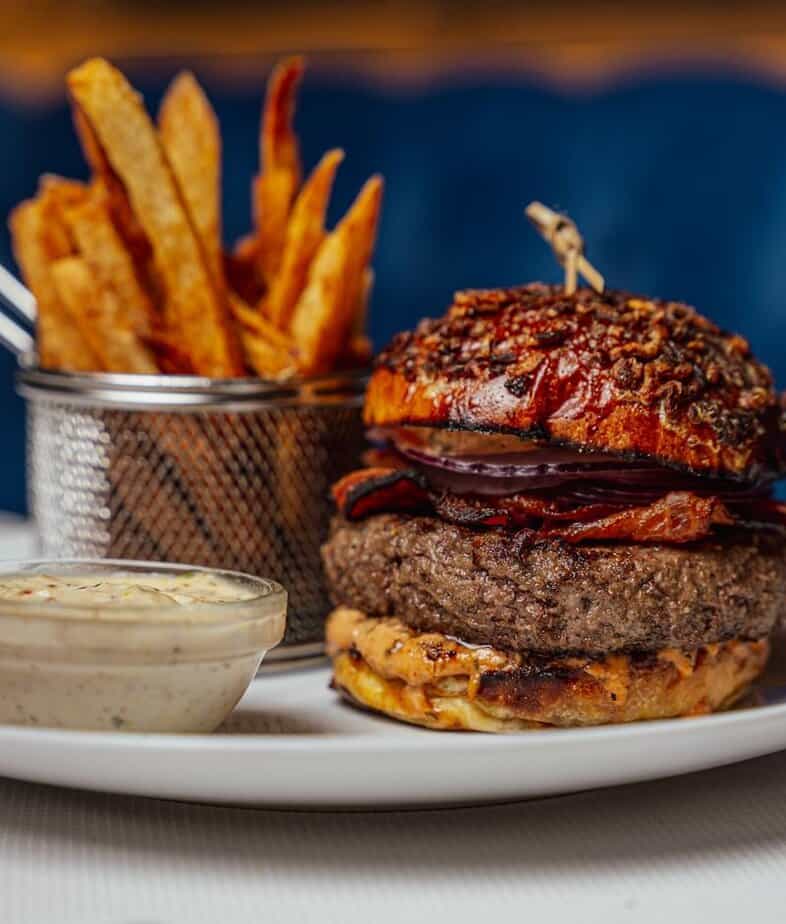
America’s first fine dining restaurant opened its doors in 1837, pioneering concepts we now take for granted—printed menus, tablecloths, and private dining rooms. The restaurant claims to have invented Eggs Benedict, Baked Alaska, and the Delmonico steak cut.
Presidents, writers, and robber barons have all dined beneath its chandeliers. Mark Twain celebrated his 70th birthday here. The restaurant has moved locations several times but maintained its commitment to opulent dining experiences that blend historic charm with contemporary culinary excellence.
4. Grand Central Oyster Bar
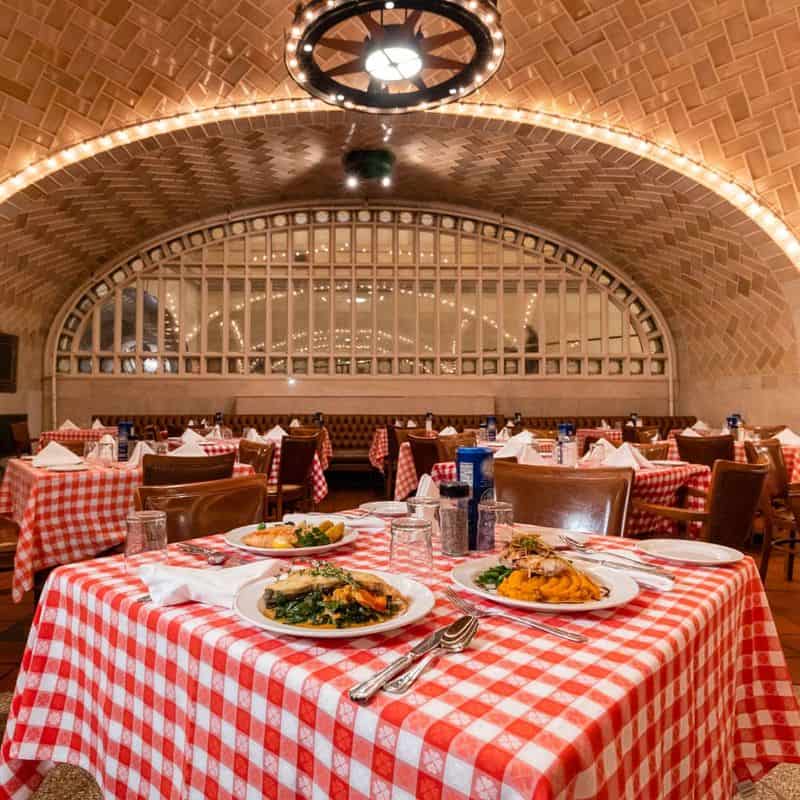
Nestled beneath the celestial ceiling of Grand Central Terminal since 1913, this seafood institution serves up to 4,000 oysters daily. The vaulted, tiled ceilings create a unique acoustic experience where whispers travel across the room.
Commuters and celebrities alike perch at the horseshoe-shaped counters, slurping bivalves and spooning creamy chowder. The restaurant survived terminal renovations, the decline of rail travel, and even bankruptcy to remain a quintessential New York experience where the oyster pan roast recipe hasn’t changed in over a century.
5. McSorley’s Old Ale House
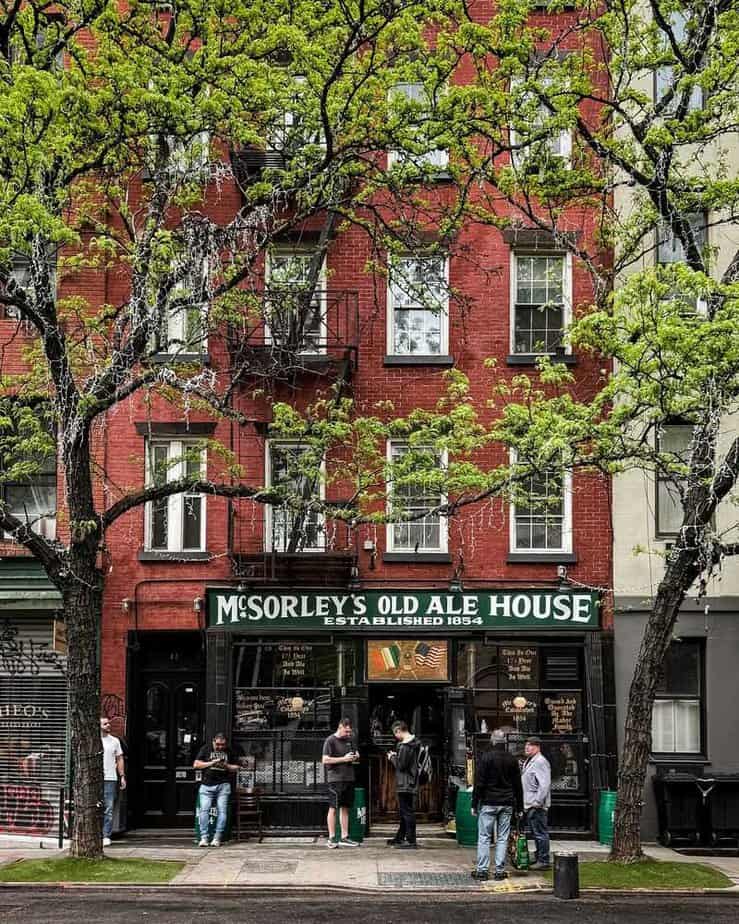
“Good Ale, Raw Onions, and No Ladies” was the motto of this East Village tavern until 1970 when a Supreme Court decision finally allowed women inside. Established in 1854, the sawdust-covered floors and memorabilia-cluttered walls remain unchanged.
Abraham Lincoln reportedly drank here, and the wishbones hanging above the bar were placed by WWI soldiers who never returned from battle. The beer selection remains refreshingly simple: light or dark ale, served two mugs at a time. Nothing about the place has been cleaned in decades—and that’s exactly how regulars like it.
6. Keens Steakhouse
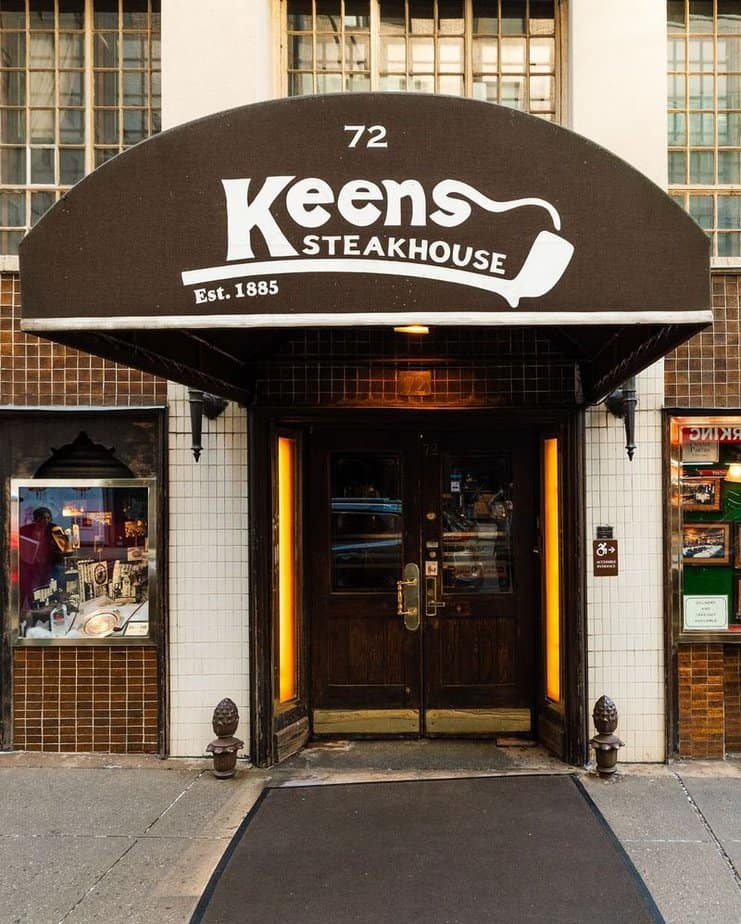
The ceiling at Keens sags beneath the weight of 90,000 clay pipes once smoked by patrons including Teddy Roosevelt and Babe Ruth. Established in 1885, this Herald Square institution maintains its gentlemen’s club atmosphere while serving legendary mutton chops the size of a small roast.
The dark-paneled dining rooms feel like stepping into a time machine. Theater district actors would check their personal pipes here before performances and return to smoke afterward. Today, the restaurant’s whiskey collection rivals its meat selection, with rare bottles dating back decades.
7. Patsy’s Italian Restaurant
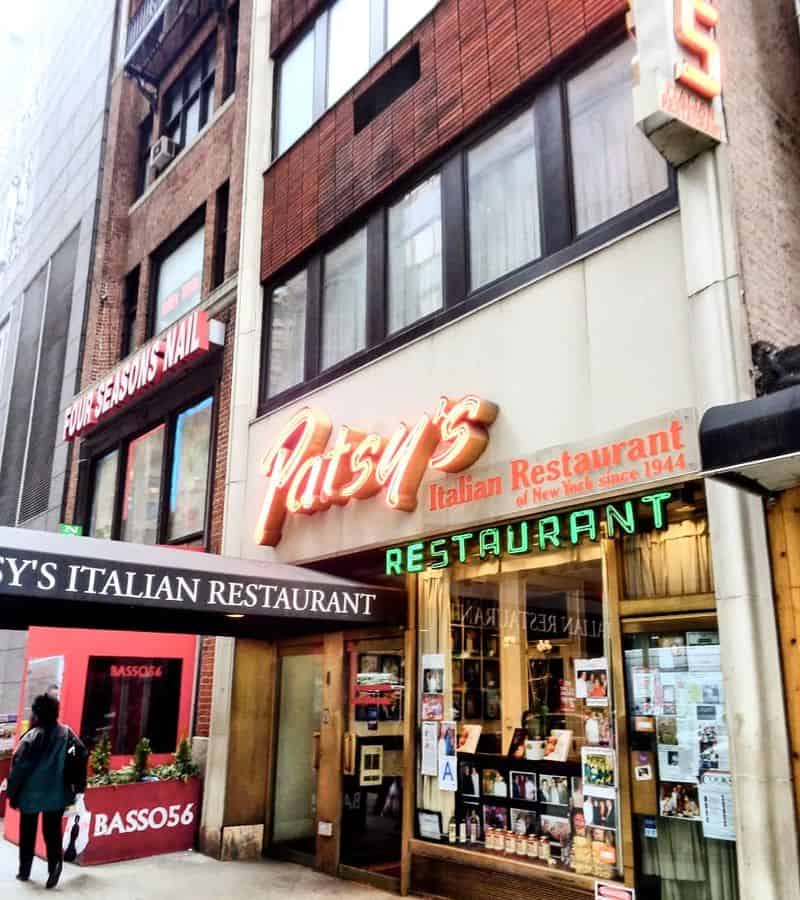
Frank Sinatra’s favorite Italian joint opened in 1944 and remains in the same family’s hands today. The red sauce recipes haven’t changed since Pasquale “Patsy” Scognamillo first started cooking in this Theater District kitchen.
Old Blue Eyes had his own table by the front window and occasionally even cooked in the kitchen. The walls showcase photos of the countless celebrities who’ve dined here over decades. Unlike many historic spots, Patsy’s prices remain relatively reasonable, making their veal parmigiana and rigatoni accessible to ordinary New Yorkers, not just the famous ones.
8. Fraunces Tavern
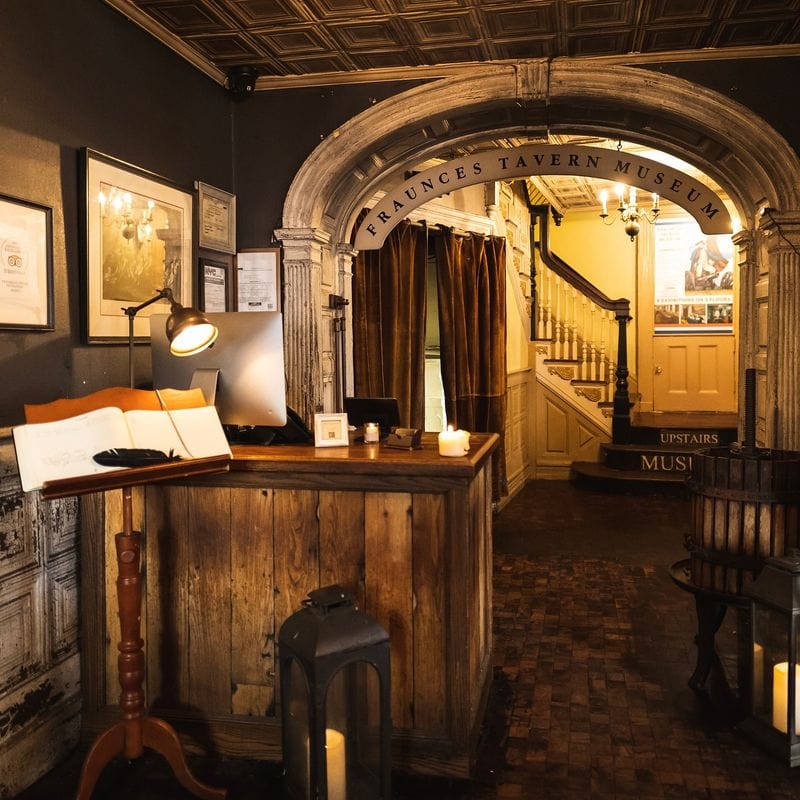
George Washington bid farewell to his officers in this Financial District tavern in 1783. Operating since 1762, it’s arguably America’s oldest restaurant and doubles as a museum of Revolutionary War history.
British cannonballs once crashed through these walls. The building has survived fires, bombings, and centuries of change in the surrounding neighborhood. Today’s patrons sip colonial-inspired cocktails and feast on hearty pub fare in rooms where the nation’s earliest political discussions unfolded, surrounded by artifacts that witnessed the birth of American independence.
9. Old Homestead Steakhouse
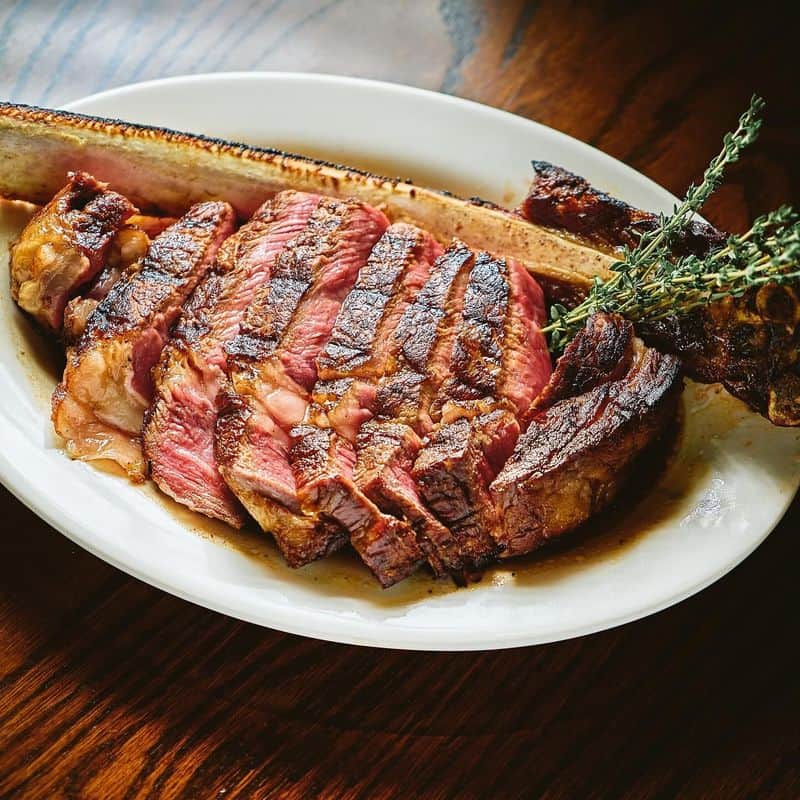
A 20-foot cow stands guard outside NYC’s oldest continuously operating steakhouse, serving prime cuts since 1868. The Meatpacking District has transformed around it from actual meat markets to high-fashion boutiques, but inside, the Old Homestead remains gloriously unchanged.
The Romanesque building with its tin ceilings has fed generations of beef-loving New Yorkers. Servers who’ve worked here for decades recite the same spiel about marbling and dry-aging that their predecessors used. The restaurant pioneered American wagyu beef and continues innovating while maintaining its old-school charm.
10. Barney Greengrass
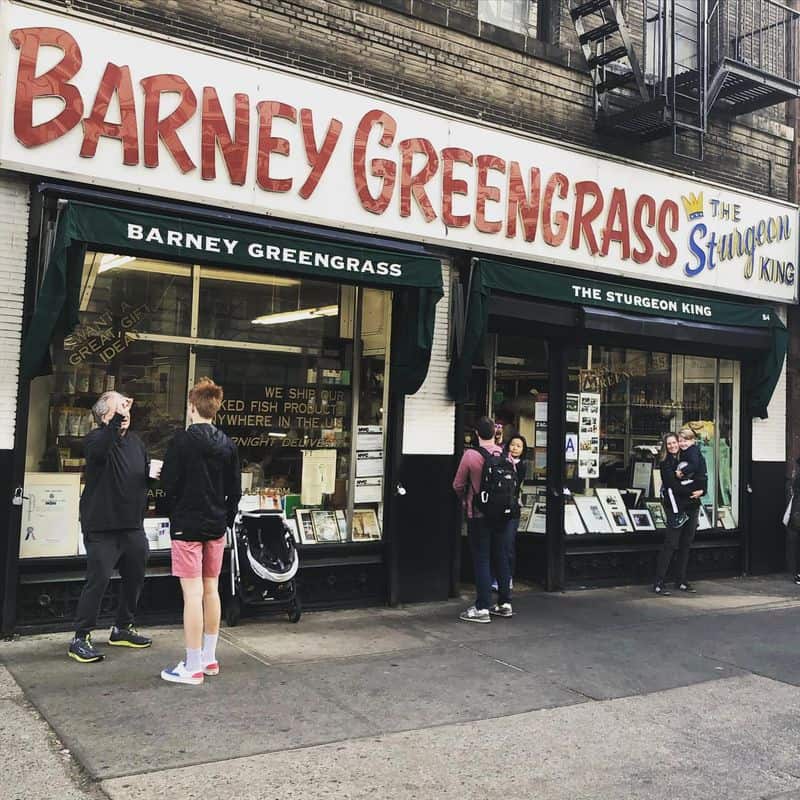
“The Sturgeon King” has reigned on the Upper West Side since 1908. This Jewish deli-meets-restaurant maintains its no-frills approach to smoked fish, serving legendary sturgeon scrambled with eggs and onions to generations of loyal customers.
The cramped dining room with its worn Formica tables fills early with regulars who don’t need menus. Famous writers have penned novels from these tables. The staff is famously gruff but efficient, and the bagels arrive piled so high with nova and cream cheese that eating them requires strategic planning.
11. Nom Wah Tea Parlor
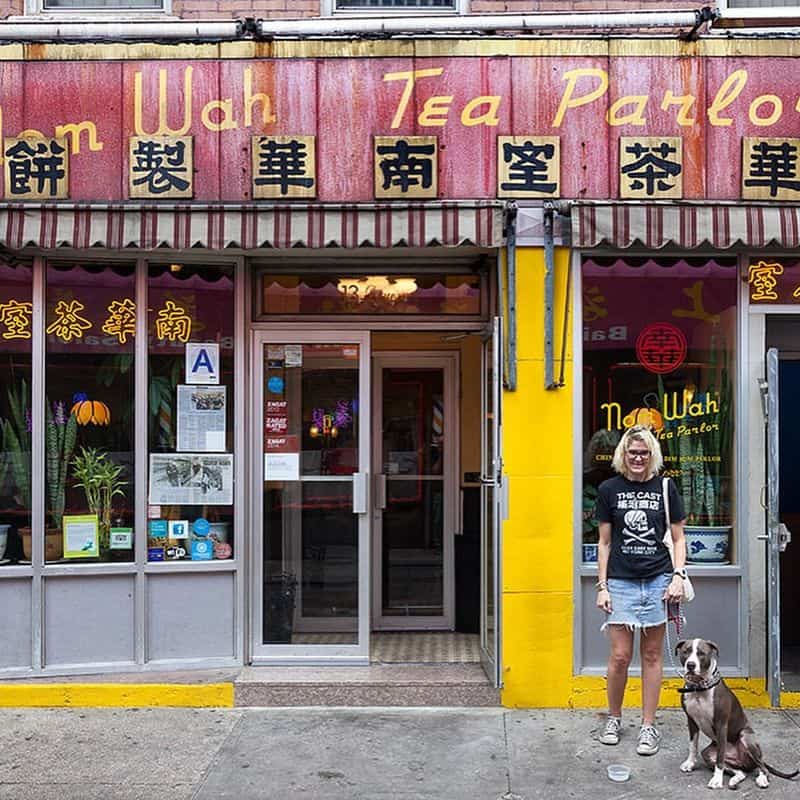
Chinatown’s oldest dim sum parlor opened in 1920 as a bakery and tea house. The vintage storefront with its faded yellow sign has witnessed the neighborhood transform while maintaining its classic recipes for rice rolls and roast pork buns.
Red vinyl booths and vintage tables remain from mid-century renovations. Unlike modern dim sum palaces with rolling carts, Nom Wah uses a check-off menu system. The restaurant has survived thanks to a delicate balance—preserving traditional techniques while adapting just enough to welcome new generations discovering the joy of dumplings for the first time.
12. Rao’s
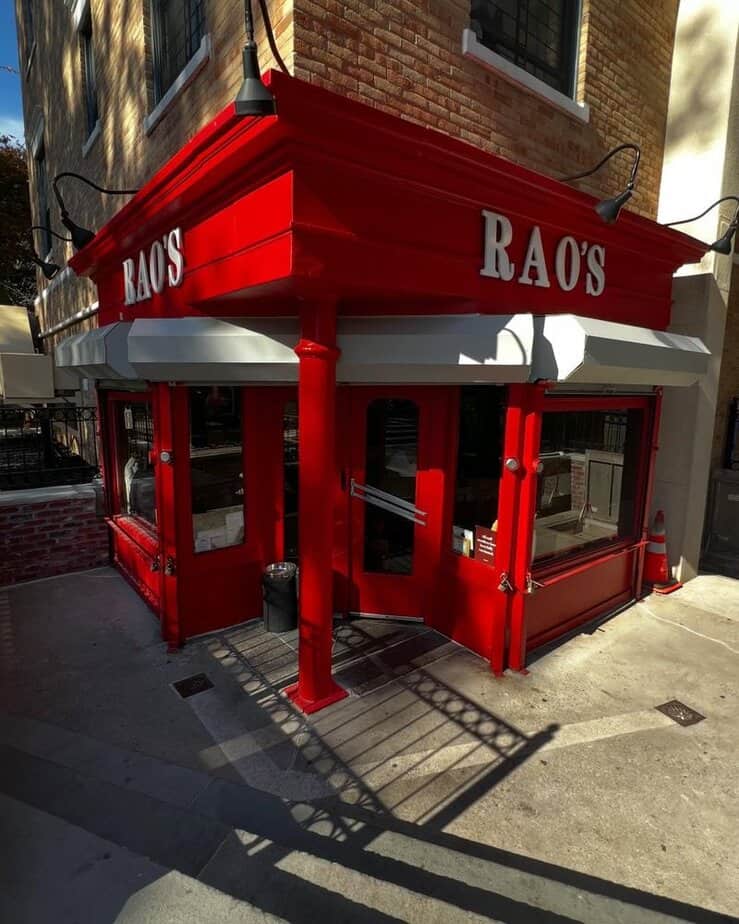
You can’t simply walk into Rao’s—you need to know someone who controls a table at this ten-booth East Harlem Italian restaurant. Since 1896, the tiny establishment has operated on a time-share system where regulars “own” their tables on specific nights.
The impossible reservations haven’t stopped their marinara sauce from becoming nationally famous. Celebrities, politicians, and mobsters have all rubbed elbows in this intimate space. The jukebox still plays Sinatra, the Christmas decorations stay up year-round, and the meatballs remain worth whatever strings you need to pull to score an invitation.
13. Yonah Schimmel’s Knish Bakery
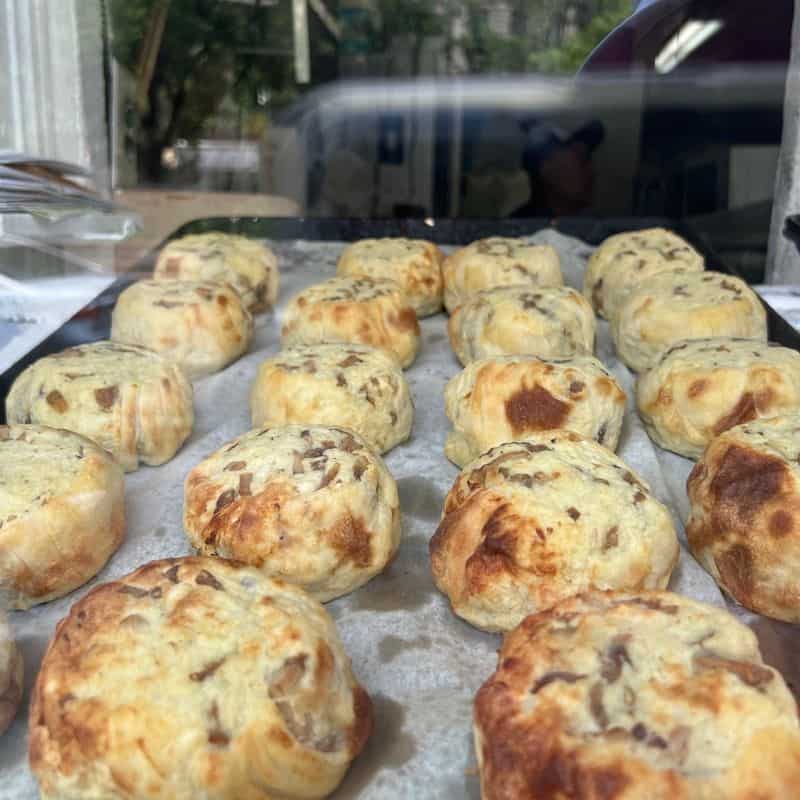
Since 1910, this tiny Lower East Side institution has been serving knishes from the same location. The dumbwaiter still brings potato-filled pastries up from the basement kitchen, where recipes haven’t changed in over a century.
The shop survived waves of neighborhood transformation that claimed countless other Jewish establishments. Handwritten signs and faded photographs create a time capsule atmosphere. Each knish is still hand-rolled daily—no mass production here—resulting in a pillowy texture that’s impossible to find elsewhere, whether you choose traditional potato or more adventurous varieties like broccoli and kasha.
14. Sammy’s Roumanian Steakhouse
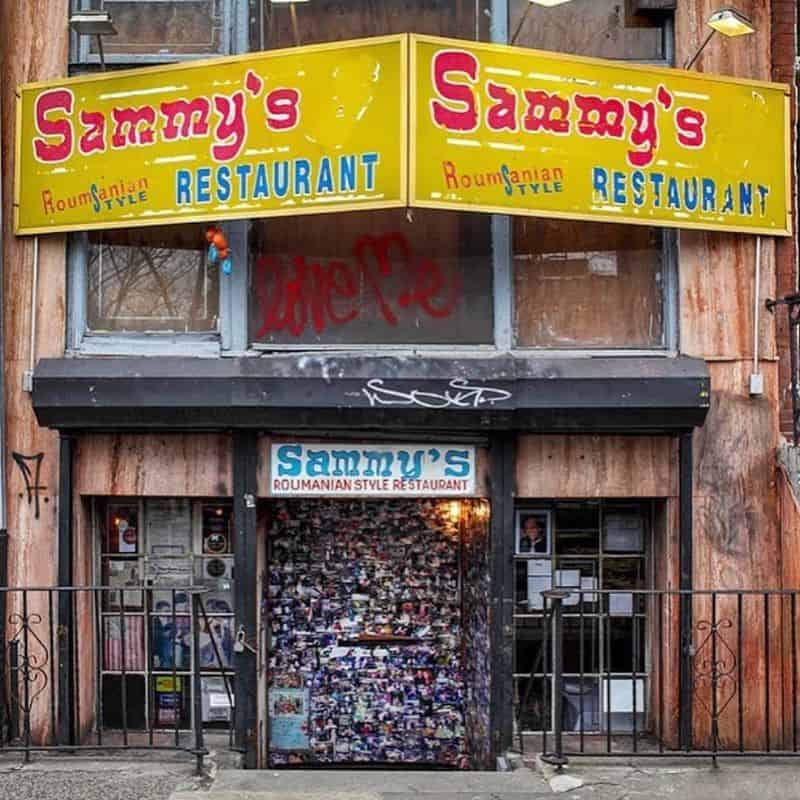
The basement-level Jewish steakhouse feels like a perpetual Bar Mitzvah party that’s been running since 1975. Bottles of vodka frozen in blocks of ice arrive at tables alongside massive portions of skirt steak and chicken liver mixed tableside.
The walls are covered with business cards and snapshots of patrons dancing on tables. Live music and singalongs create a festive atmosphere unlike any other NYC restaurant. Though temporarily closed during the pandemic, Sammy’s has promised to return, preserving its unique blend of Old World flavors and raucous celebration that makes every meal feel like a special occasion.