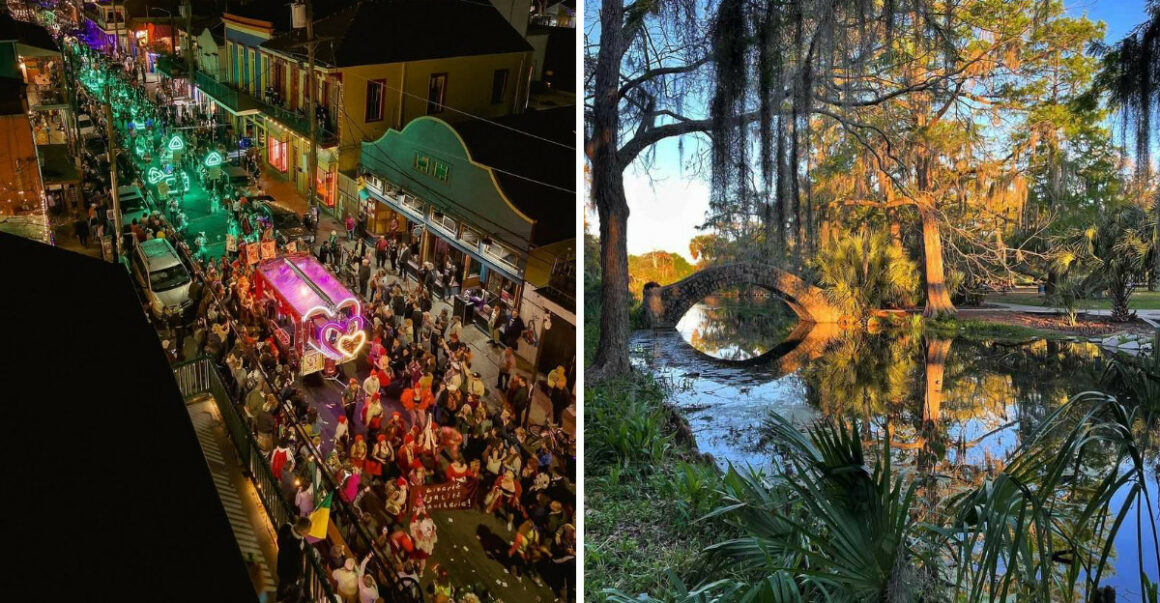
New Orleans is so much more than just Bourbon Street’s neon-lit revelry. Beyond the famous cocktails and crowded bars lies a city rich with history, music, art, and unforgettable experiences. From serene parks to vibrant cultural hubs, the Big Easy offers countless hidden gems waiting to be discovered. Ready to see the authentic side of New Orleans that locals treasure?
1. Frenchmen Street (Live Music Heaven)
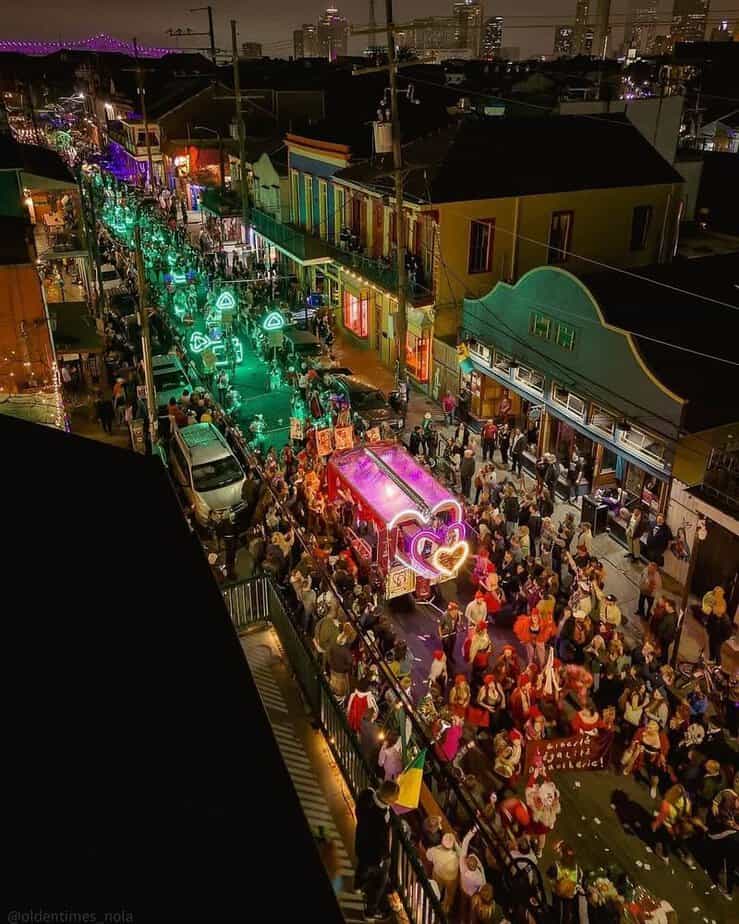
Locals know that authentic New Orleans music thrives on Frenchmen Street, not Bourbon. Just a short walk from the French Quarter, this vibrant strip pulses with the sounds of jazz, blues, and funk pouring from venues like The Spotted Cat and d.b.a.
Musicians perform nightly, often for just a small cover charge or none at all. The street maintains a relaxed, creative atmosphere where talent takes center stage rather than tourist gimmicks.
Between shows, browse the night art market where local craftspeople display unique handmade treasures under twinkling lights.
2. Garden District
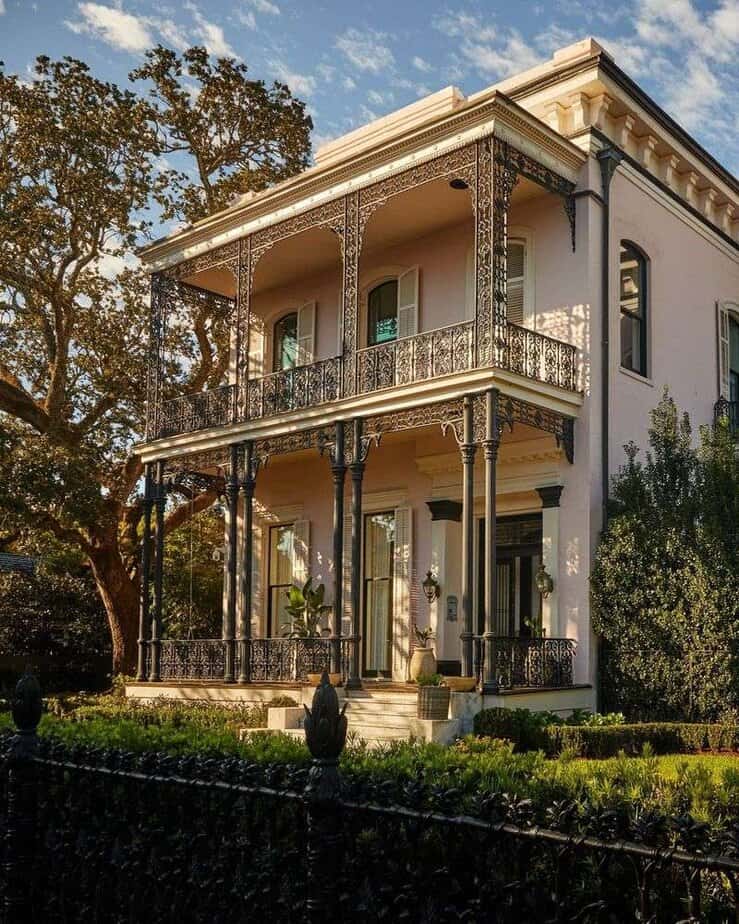
Ancient oak trees create a natural canopy over streets lined with some of America’s most stunning 19th-century mansions in this elegant neighborhood. The Garden District showcases architectural marvels ranging from Greek Revival to Victorian, each with unique ironwork and colorful facades.
Lafayette Cemetery No. 1 offers a hauntingly beautiful glimpse into New Orleans’ unique burial traditions with its above-ground tombs. The cemetery has appeared in numerous films and books.
Magazine Street borders the district, offering six miles of boutiques, antique shops, and restaurants housed in converted historic buildings.
3. City Park
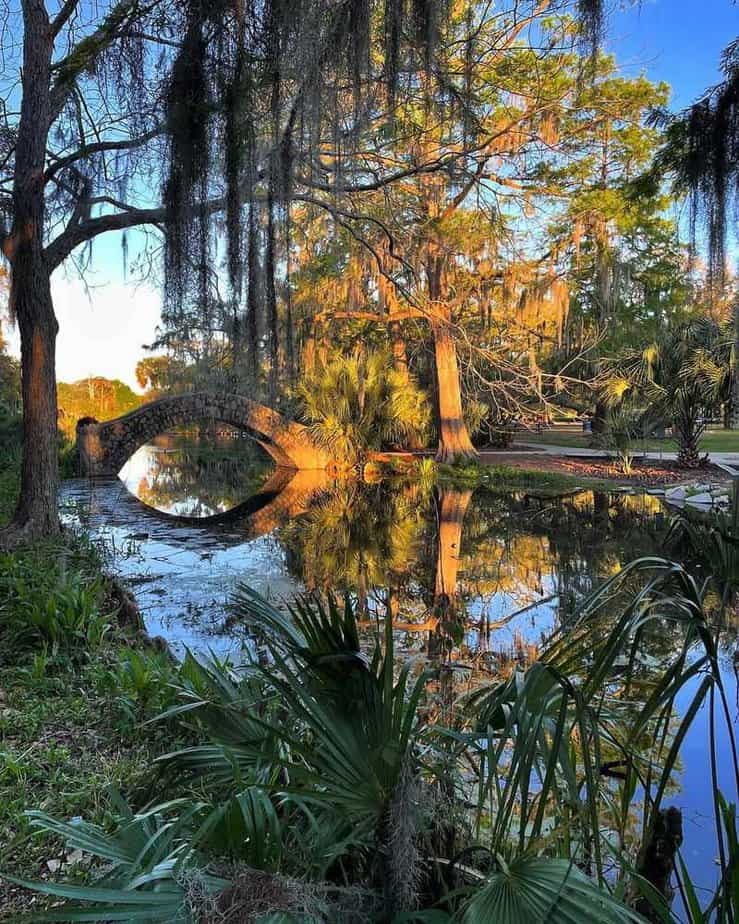
Sprawling across 1,300 acres, City Park dwarfs even Central Park in size and charm. Centuries-old oak trees draped with Spanish moss create magical tunnels throughout this urban oasis established in 1854.
Art lovers flock to the New Orleans Museum of Art and its surrounding Sculpture Garden, where masterpieces stand among lagoons and native plants. Families enjoy the antique wooden carousel at the Carousel Gardens Amusement Park, one of only 100 historic carousels left in the country.
Don’t miss the chance to glide through peaceful bayous on an authentic Venetian gondola.
4. Bywater Arts District
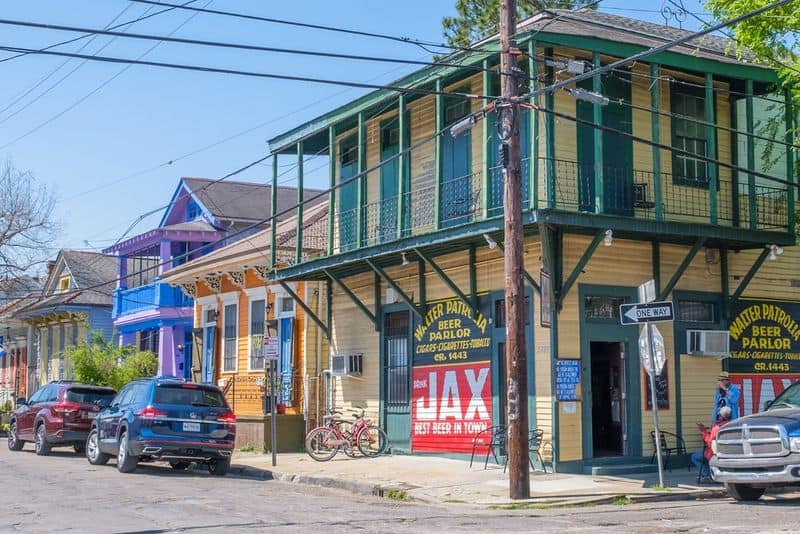
Creativity flows through the streets of Bywater, where rainbow-colored shotgun houses serve as the perfect backdrop for an explosion of street art and murals. This formerly working-class neighborhood has transformed into a bohemian paradise without losing its authentic New Orleans soul.
Studio BE showcases powerful large-scale works by local artist Brandan Odums that address social justice themes. Crescent Park offers a modernist riverside retreat with spectacular views of the Mississippi.
Bacchanal Wine feels like stepping into someone’s backyard party—grab a bottle, build a cheese plate, and enjoy live jazz under string lights.
5. The National WWII Museum
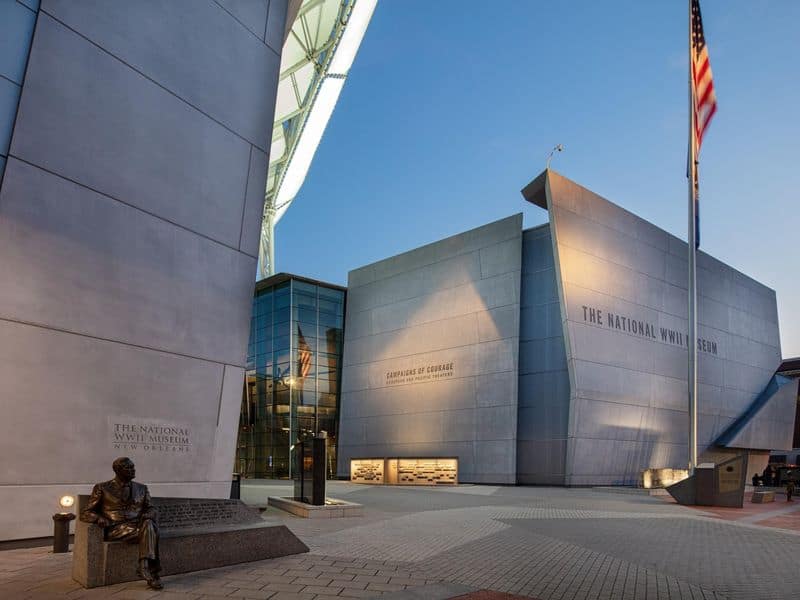
History comes alive through immersive exhibits and personal stories at this world-class museum. Originally founded as the D-Day Museum, it has expanded into a campus of pavilions chronicling America’s entire WWII experience through interactive displays and authentic artifacts.
The “Beyond All Boundaries” 4D experience, produced and narrated by Tom Hanks, uses sensory effects that make you feel like you’re on the frontlines. Veterans often visit, sometimes sharing firsthand accounts with lucky visitors.
Allow at least half a day to explore—many visitors return for a second day to fully appreciate this powerful tribute to the Greatest Generation.
6. Algiers Point
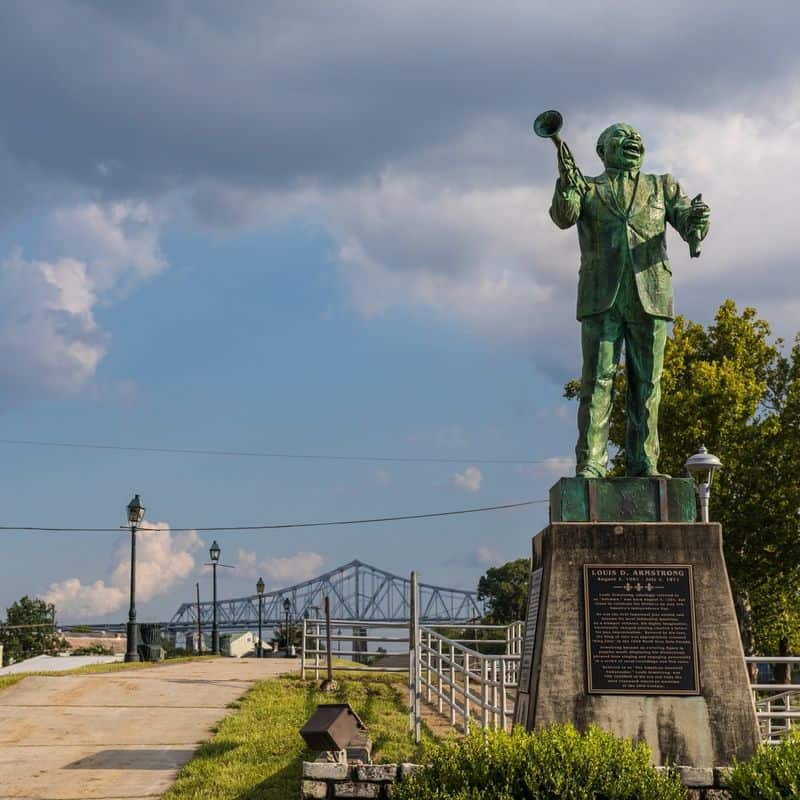
A quick ferry ride across the Mississippi reveals New Orleans’ second-oldest neighborhood, a peaceful village that feels worlds away from the French Quarter’s energy. The ferry itself offers spectacular skyline views that photographers chase at sunset.
Wander along quiet streets lined with colorful Creole cottages and Victorian homes where residents chat from front porches. The levee path provides unobstructed views of ships navigating the mighty Mississippi and the city skyline beyond.
Old Point Bar serves cold drinks with a side of authentic local music, while Congregation Coffee brews specialty drinks in a converted corner store.
7. Crescent Park
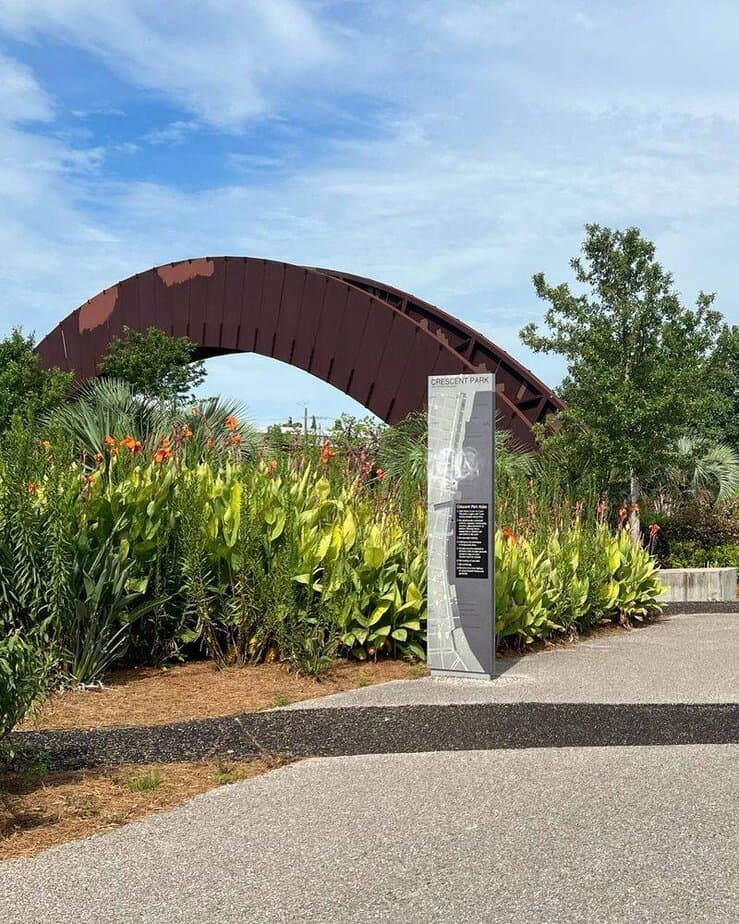
Reclaimed industrial waterfront space transforms into an urban oasis stretching 1.4 miles along the Mississippi River. This modern green space connects the Marigny and Bywater neighborhoods through innovative design that honors the area’s working port history.
The rusty-red “Piety Street Bridge” has become an architectural icon, rising like a metal sculpture to connect the neighborhood to the riverfront. Joggers, cyclists, and yoga enthusiasts claim the park’s paths by morning, while sunset brings couples and photographers capturing the golden light on the skyline.
Food trucks often gather near the entrance on weekends, creating an impromptu riverside picnic scene.
8. St. Louis Cemetery No. 1
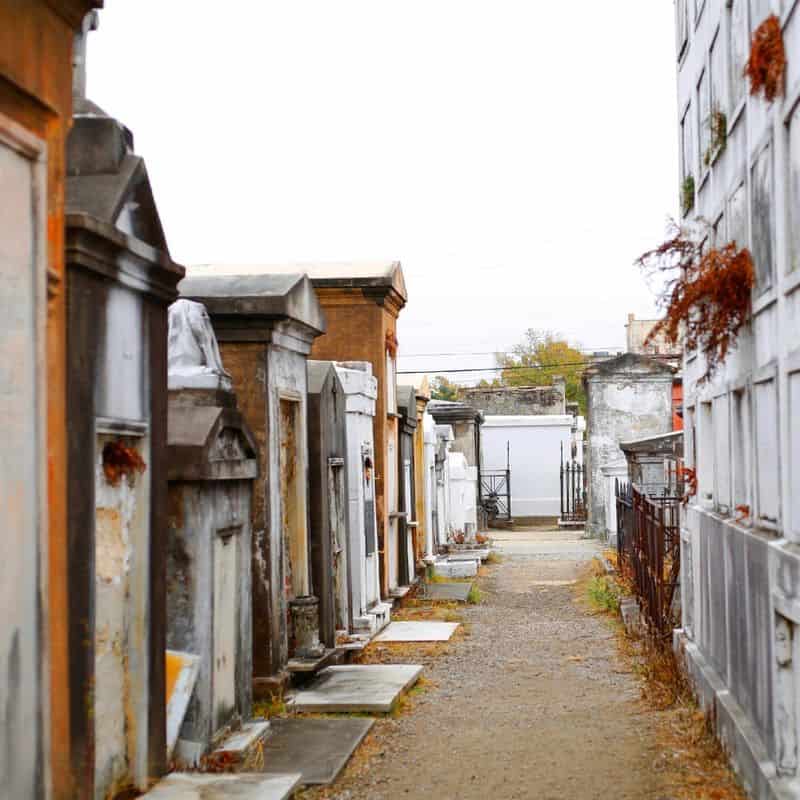
New Orleans’ oldest existing cemetery dates back to 1789, showcasing the city’s unique above-ground burial traditions necessitated by the high water table. Weathered white tombs create a maze-like “city of the dead” where generations of families rest in ornate structures.
The most visited grave belongs to Marie Laveau, the legendary Voodoo Queen whose tomb receives offerings and X-marks from believers seeking her spiritual intervention. Actor Nicolas Cage has already purchased his pyramid-shaped tomb here, adding a touch of modern eccentricity.
Due to vandalism, visitors must now join guided tours to enter, but the fascinating stories make these tours worthwhile.
9. Faubourg Marigny
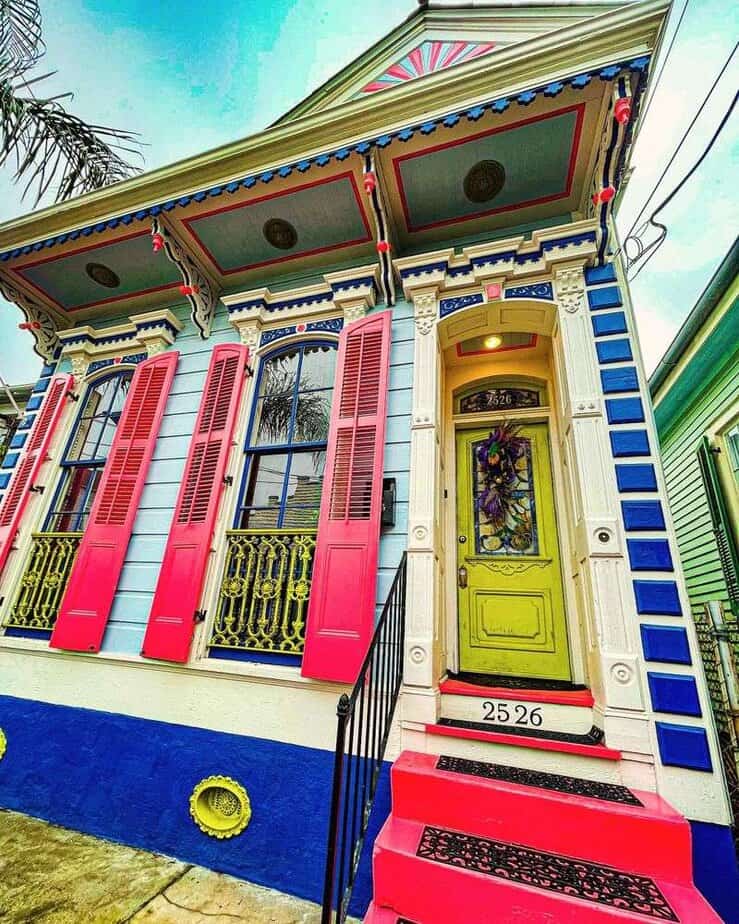
Candy-colored Creole cottages line the streets of this historic neighborhood that flows seamlessly from the French Quarter’s edge. Once the plantation of a Creole aristocrat who lost his fortune gambling, the Marigny now thrives as a bohemian enclave where locals outnumber tourists.
Washington Square Park serves as the neighborhood’s living room, hosting impromptu jam sessions and community gatherings beneath magnificent oak trees. Flora Gallery & Coffee Shop embodies the area’s artistic spirit, displaying local artwork while serving fair-trade brews.
The neighborhood’s relaxed pace encourages wandering without an agenda—the perfect antidote to Bourbon Street’s frenetic energy.
10. New Orleans Historic Voodoo Museum
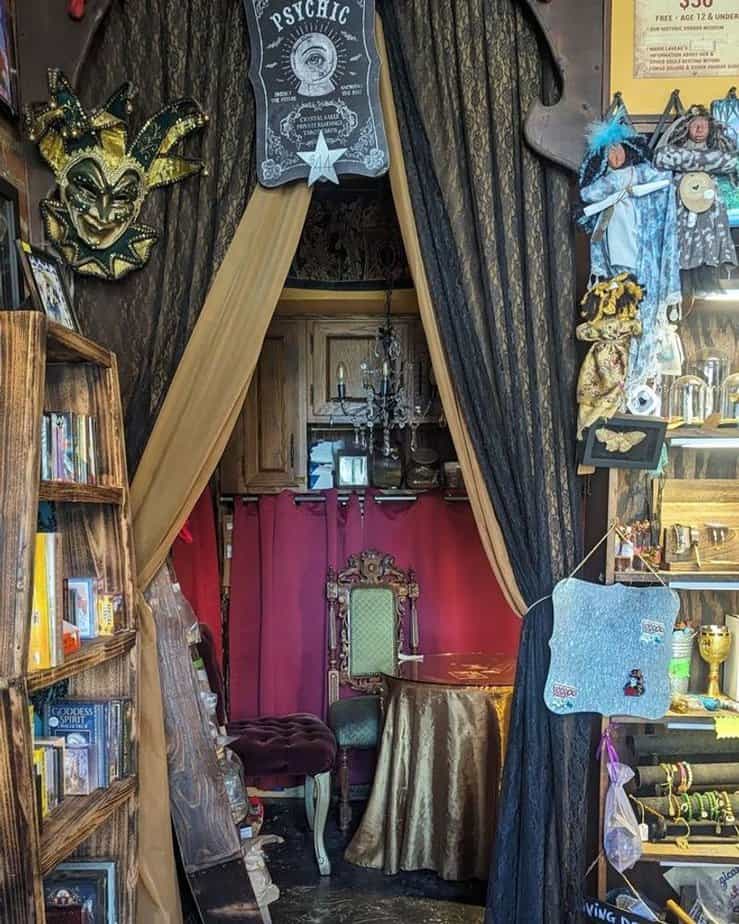
Hidden in a centuries-old French Quarter building, this small but captivating museum unravels the mysteries of one of New Orleans’ most misunderstood spiritual traditions. Two atmospheric rooms packed with authentic altars, ritual objects, and handwritten spells create an immersive experience.
Snakes preserved in jars, handmade dolls, and ancestral offerings illustrate how African beliefs blended with Catholic practices to create New Orleans Voodoo. The museum’s owners maintain connections with practicing Voodoo priestesses who sometimes offer readings in the back room.
Leave an offering at Marie Laveau’s altar if you’re seeking good fortune during your New Orleans adventure.
11. The Backstreet Cultural Museum
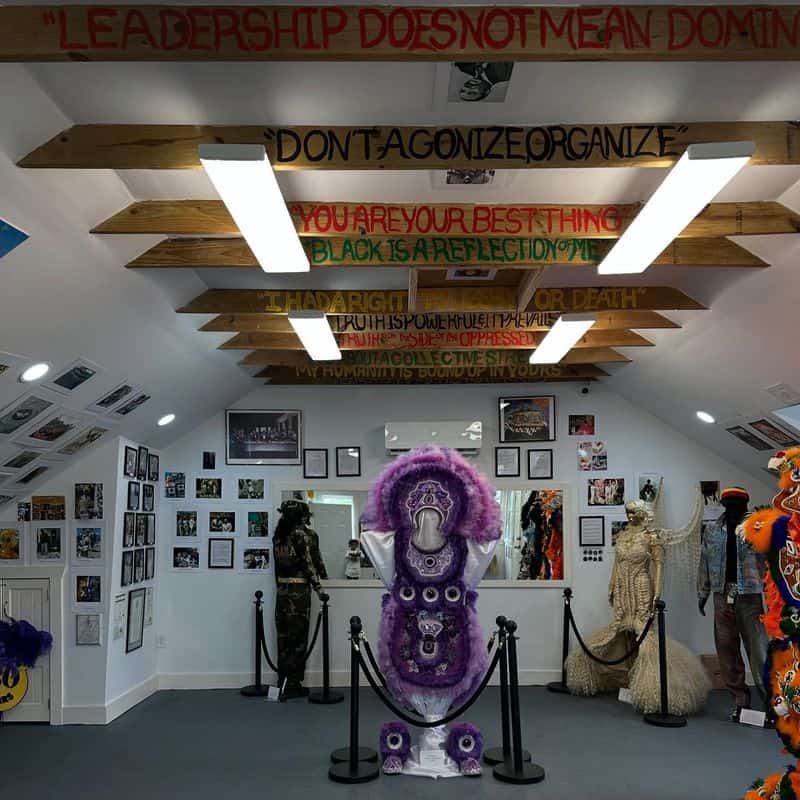
Housed in a former funeral home in the historic Tremé neighborhood, this grassroots museum preserves the vibrant traditions of New Orleans’ African American community. The collection began in founder Sylvester Francis’s garage, growing into an essential archive of Black cultural heritage.
Spectacular hand-sewn Mardi Gras Indian suits dominate the space, each representing thousands of hours of intricate beadwork and feather craftsmanship. Photographs document Social Aid & Pleasure Club parades, jazz funerals, and second line traditions that continue to define New Orleans street culture.
Staff members often share personal connections to the exhibits, offering insights you won’t find in guidebooks.