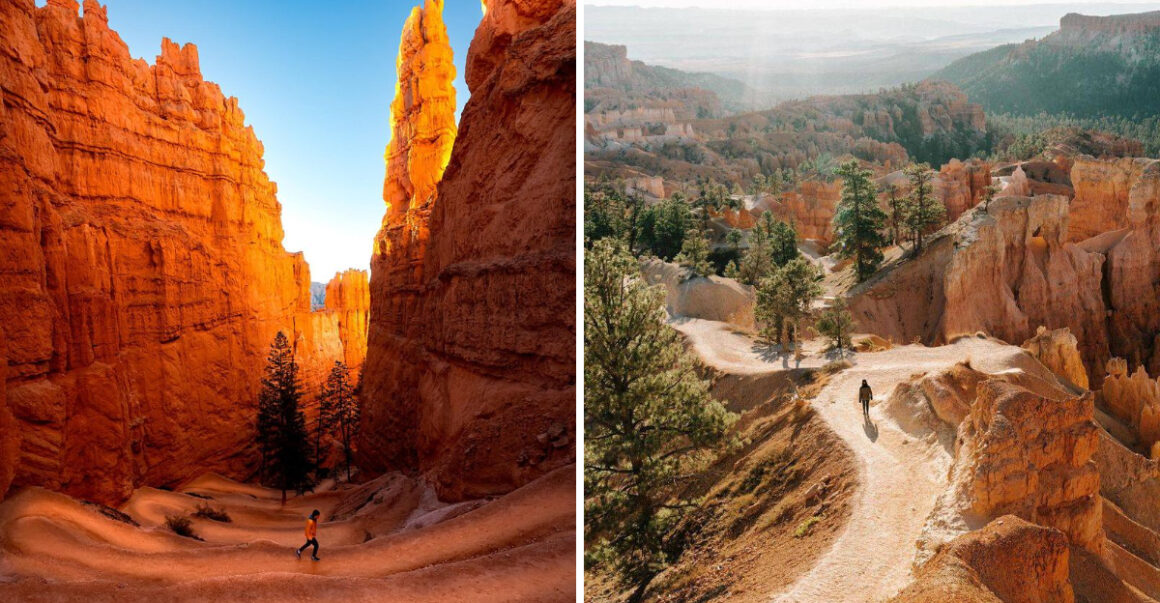
Bryce Canyon National Park offers some of the most unique landscapes in America with its famous hoodoos – tall, thin spires of rock that rise from the canyon floor. With just one day to explore this natural wonder, you’ll want to make every moment count. From sunrise to sunset, these nine experiences will help you maximize your visit and create memories that will last a lifetime.
1. Watch the Sunrise at Sunrise Point
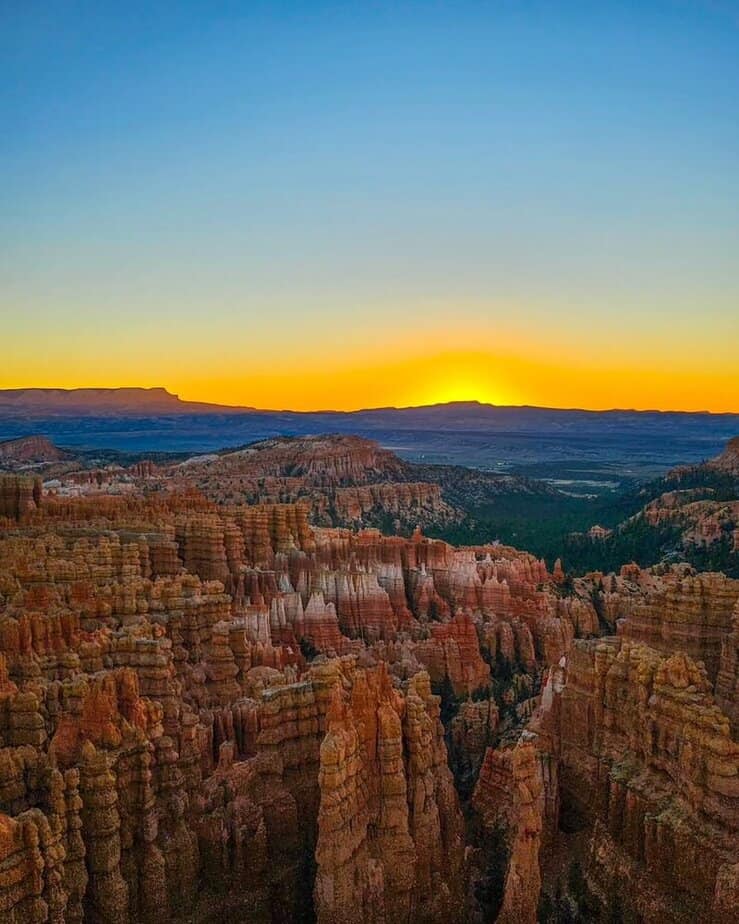
Morning magic happens at Sunrise Point when first light kisses the hoodoos, transforming them into glowing pillars of pink, orange, and gold. The cool morning air adds a misty quality that makes photographs truly spectacular.
Early risers are rewarded with smaller crowds and the peaceful soundtrack of nature awakening. Birds call to one another while the vast amphitheater gradually reveals itself in the growing light.
Bring a thermos of hot coffee and find a comfortable spot on one of the benches. The ever-changing light show lasts about an hour, giving you plenty of time to soak in the beauty before continuing your adventure.
2. Hike the Navajo Loop Trail
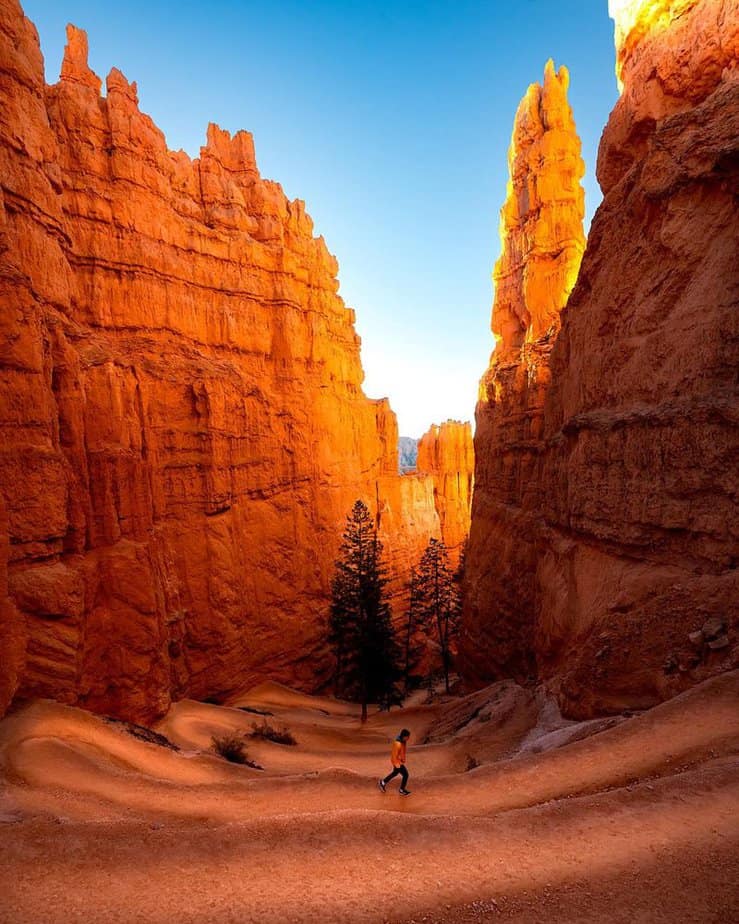
Switchbacks zigzag down into the heart of Bryce Canyon on this iconic 1.4-mile trail. As you descend, towering walls rise around you, creating the famous ‘Wall Street’ section where sunlight filters between narrow rock corridors.
Silent sentinel-like Douglas fir trees somehow thrive in this seemingly impossible environment, reaching straight up toward distant patches of sky. The dramatic changes in perspective make this trail feel like entering another world entirely.
Hiking poles help with the steep sections, especially on the way back up. Take frequent breaks to catch your breath and marvel at the geological wonders surrounding you – these formations took 60 million years to create!
3. Explore Bryce Amphitheater
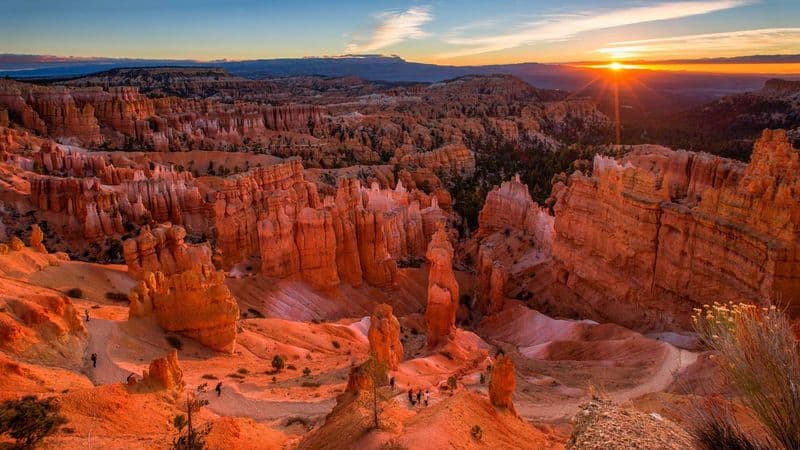
Standing at the rim of Bryce Amphitheater feels like gazing upon an ancient city of stone. Thousands of hoodoos stretch across this vast natural arena, creating a labyrinth of pink, orange and cream-colored spires that seem to defy gravity.
The amphitheater spans three miles, forming the park’s most concentrated collection of these unique formations. Sunlight plays across the landscape throughout the day, constantly changing the colors and shadows.
Rangers often compare the view to looking at a forest of stone. Listen carefully to their fascinating explanations about how water, ice and time carved these remarkable formations from sedimentary rock through a process called ‘frost-wedging.’
4. Visit Bryce Point for Panoramic Views
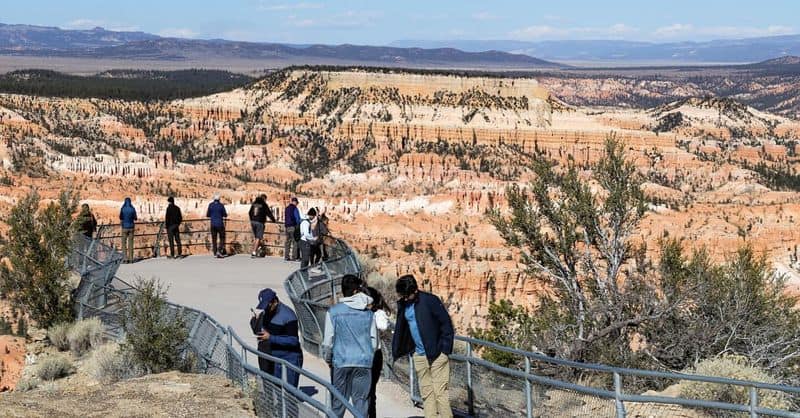
Perched at 8,296 feet, Bryce Point offers the most sweeping vista in the entire park. From this eagle-eye vantage point, the full majesty of the amphitheater unfolds below you like a living painting.
The elevated perspective reveals patterns in the hoodoo formations that aren’t visible from other viewpoints. Photographers love this spot for capturing the sheer scale of the canyon with telephoto lenses.
Mountain ranges visible in the distance on clear days include the Kaibab Plateau and even glimpses of the North Rim of the Grand Canyon. The expansive view helps visitors understand how Bryce Canyon fits into the larger Colorado Plateau landscape that spans across multiple states.
5. Take the Scenic Drive Along Bryce Canyon’s Rim
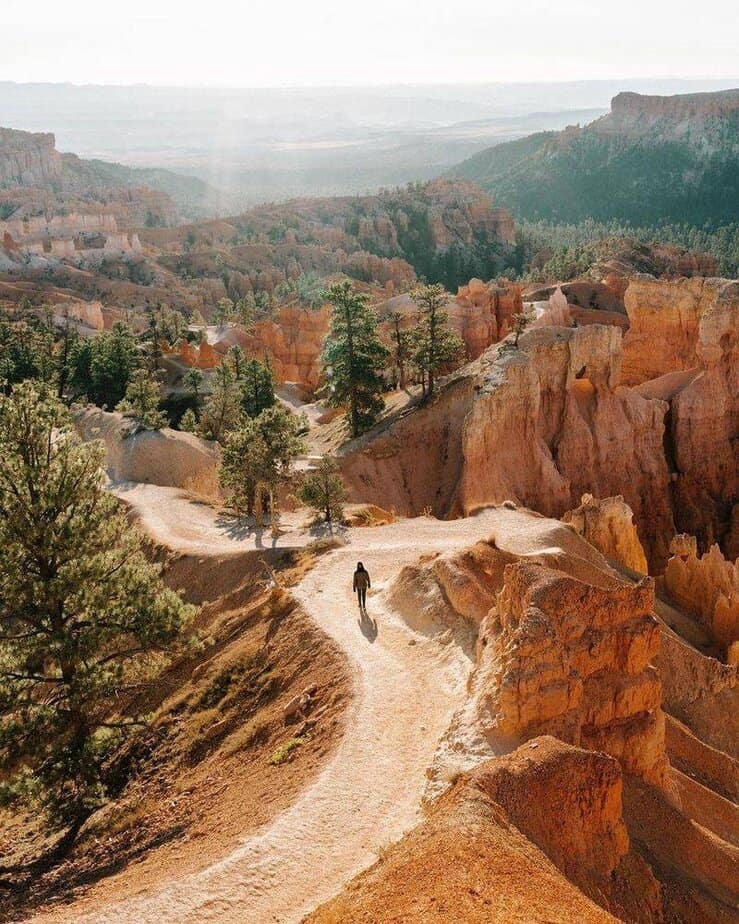
The 18-mile scenic drive serves up jaw-dropping viewpoints without requiring strenuous hiking. Your vehicle becomes a time machine, revealing how the landscape evolved as you gain elevation from the park’s entrance to Rainbow Point.
Inspiration Point lives up to its name with three levels of viewing areas, each offering a different perspective on the main amphitheater. Further along, Paria View provides a completely different color palette with redder hues dominating the scene.
Natural Bridge, despite its name, is actually a large arch carved from red rock. Pull into the parking area for a quick photo opportunity of this 85-foot span that frames the forested valley beyond like a natural picture window.
6. Discover Mossy Cave Trail
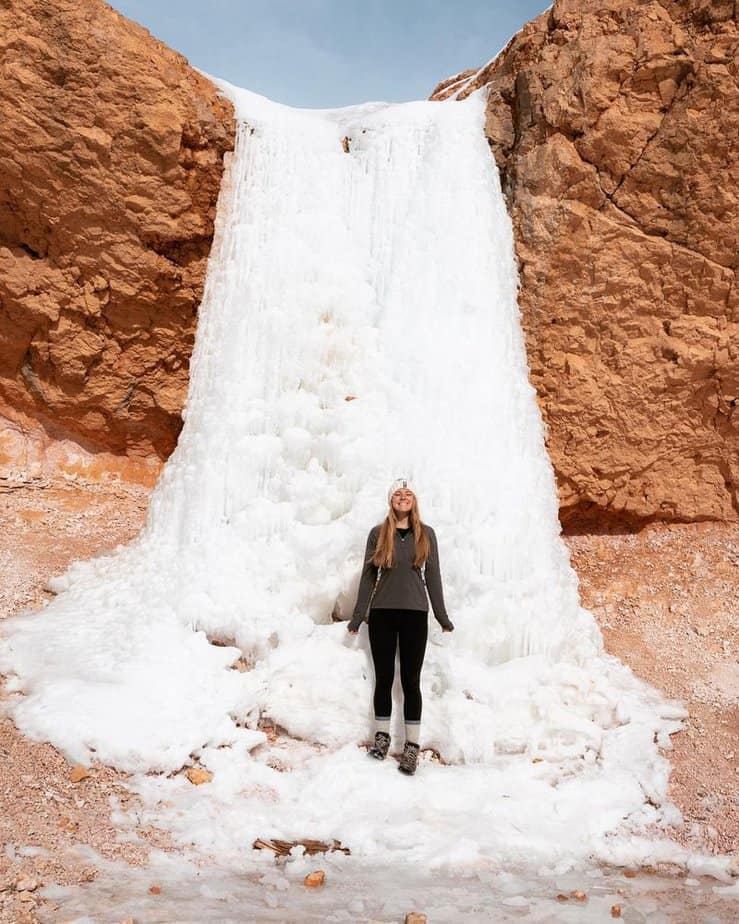
Water flows year-round along this gentle pathway, creating a refreshing microclimate that stands in stark contrast to the arid surroundings. Pioneer settlers hand-dug the irrigation channel in the 1890s, forever changing this small corner of the canyon.
The short 0.8-mile round trip trail leads to two distinct features. A small but charming waterfall cascades over orange rock, creating perfect photo opportunities, especially in late afternoon light.
The mossy cave itself isn’t actually covered in moss but rather features delicate mineral deposits and occasional ice formations. This easy walk makes an ideal break from more challenging hikes, offering shade and the soothing sounds of flowing water – rare and welcome features in this desert environment.
7. Learn at the Visitor Center
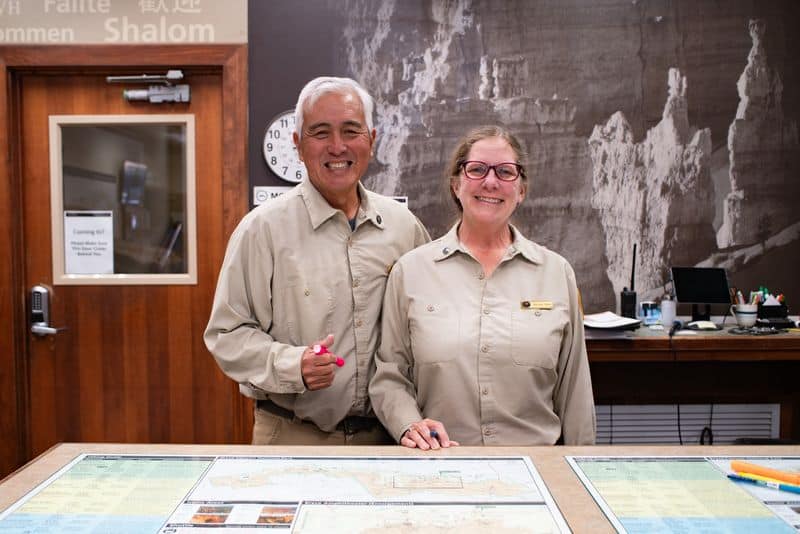
Fascinating exhibits bring the science behind Bryce Canyon’s formation to life through interactive displays. Touch actual rock samples and see how erosion transforms solid plateaus into delicate hoodoos over millions of years.
The 22-minute film ‘Shadows of Time’ provides essential context for what you’ll see throughout the park. Comfortable theater seating makes this an excellent midday break when temperatures peak outside.
Rangers stationed at information desks offer personalized recommendations based on your interests and abilities. Their knowledge extends beyond geology to include wildlife identification, astronomy programs, and the human history of the region – from Native American cultures to Mormon settlers who gave the park its name after Ebenezer Bryce.
8. Spot Wildlife Along the Trails
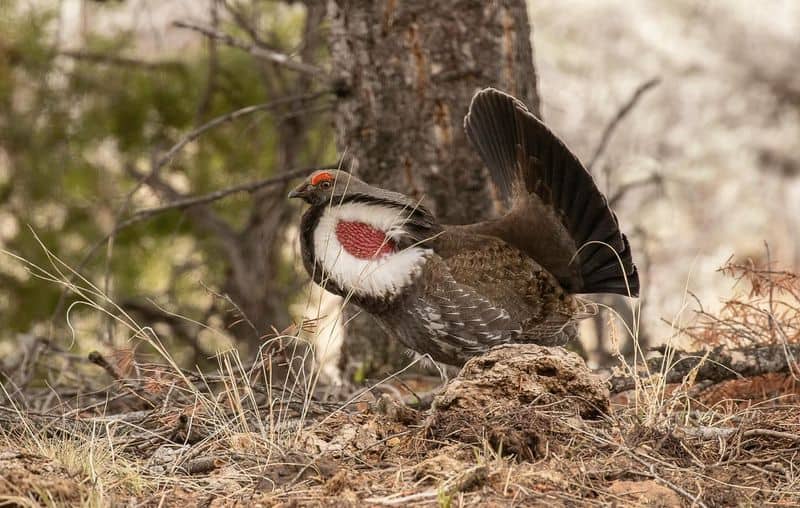
Alert hikers might glimpse the park’s famous ‘Bryce mule deer’ grazing along meadow edges. These deer are noticeably smaller than their relatives elsewhere, an adaptation to the high-altitude environment.
Utah prairie dogs stand at attention near their burrows, chattering warnings to their colony when hikers approach. Once endangered, these social animals have made a comeback thanks to conservation efforts within the park boundaries.
Birders treasure Bryce for species like the iridescent Steller’s Jay and the Peregrine Falcon. The varied ecosystems – from pine forests to meadows – support remarkable biodiversity despite the harsh conditions. Keep your camera ready, but remember to maintain a respectful distance from all wildlife for their safety and yours.
9. Capture Sunset at Sunset Point
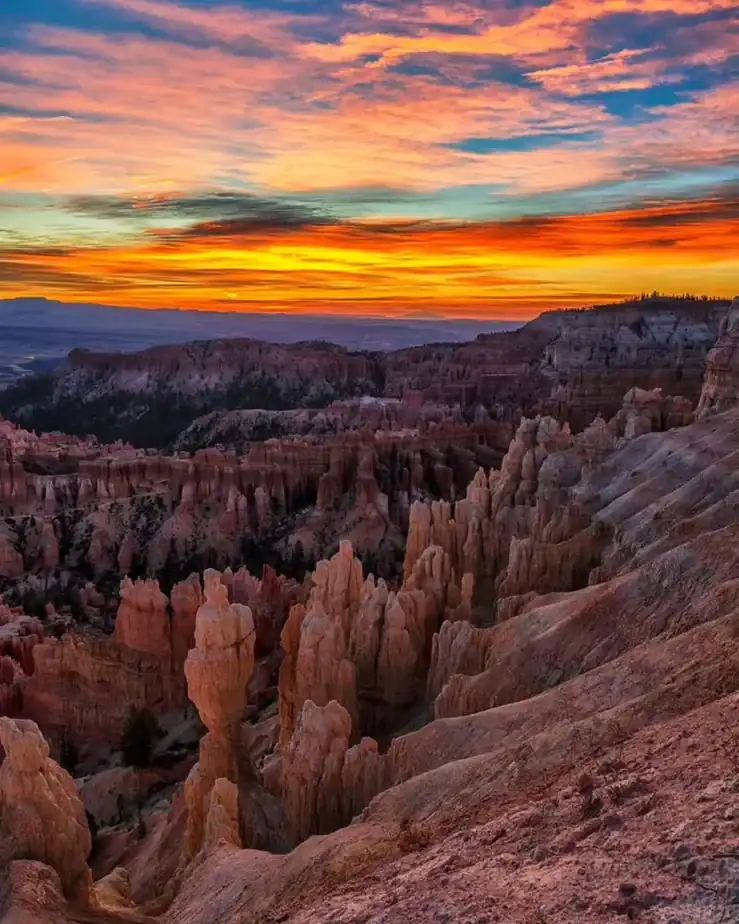
Golden hour transforms Bryce Canyon into a photographer’s paradise as the setting sun ignites the hoodoos in brilliant shades of red, orange and purple. The iconic Thor’s Hammer formation becomes especially dramatic during these final daylight moments.
Arrive at least 30 minutes before actual sunset to claim a prime viewing spot along the railing. Fellow visitors often create a festive, appreciative atmosphere as everyone witnesses nature’s daily light show.
The canyon doesn’t go dark immediately after sunset – stay for the ‘afterglow’ when softer, more ethereal colors wash across the landscape. This peaceful transition marks the perfect ending to your Bryce Canyon adventure, leaving you with both stunning photographs and memories that will draw you back to this extraordinary place.