
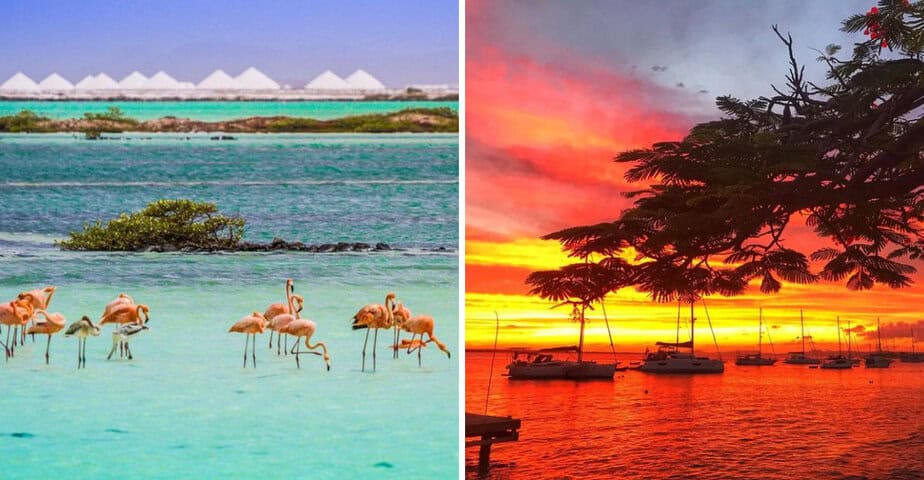
Nestled in the southern Caribbean, Bonaire remains one of the region’s most underrated treasures. While its neighbors attract cruise ships by the dozens, this Dutch Caribbean island maintains its pristine beauty and laid-back atmosphere. Far from the typical tourist traps, Bonaire offers unique experiences that blend natural wonders with authentic island culture.
1. World-Class Diving—Without the Crowds
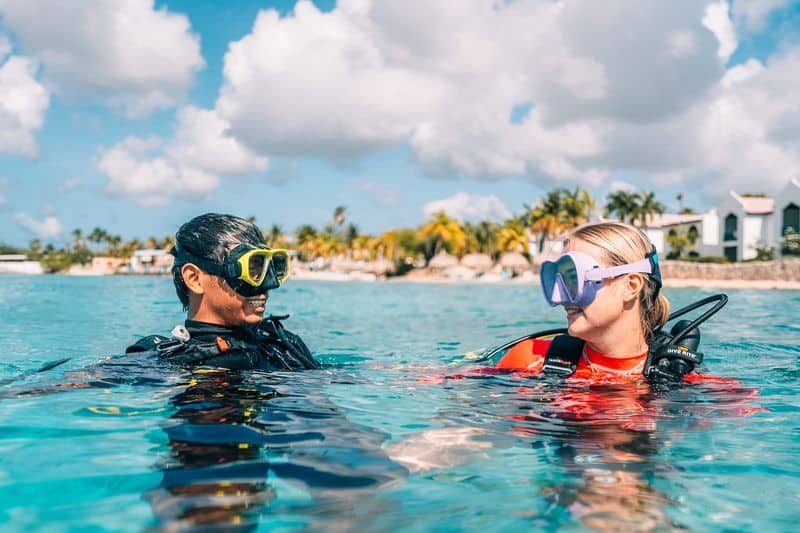
Crystal-clear waters teeming with vibrant marine life await just steps from shore. Bonaire’s 85+ dive sites are accessible right from the beach—no boats necessary—making it a true diver’s haven where underwater exploration feels intimate and uncrowded.
Yellow-striped sergeant fish dart between elkhorn coral formations while graceful sea turtles glide by. The island’s dedication to conservation since the 1970s has created one of the healthiest reef systems in the Caribbean, with visibility often exceeding 100 feet.
2. Year-Round Trade Winds Perfect for Windsurfing and Kitesurfing
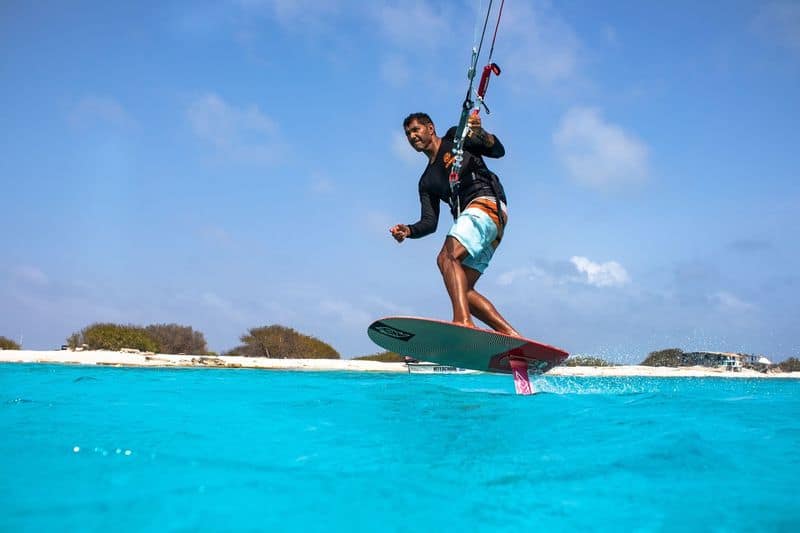
Consistent breezes caress Bonaire’s shores throughout the year, creating ideal conditions for wind-powered water sports. Lac Bay stands out as a windsurfing mecca with its shallow, turquoise lagoon protected by a coral reef barrier.
Beginners find comfort in the flat waters while experts perform impressive jumps and tricks further out. The island’s western shore attracts kitesurfers seeking more challenging waves and airtime opportunities. Equipment rentals and lessons are readily available, making these thrilling activities accessible to visitors of all skill levels.
3. Almost Completely Untouched by Mass Tourism
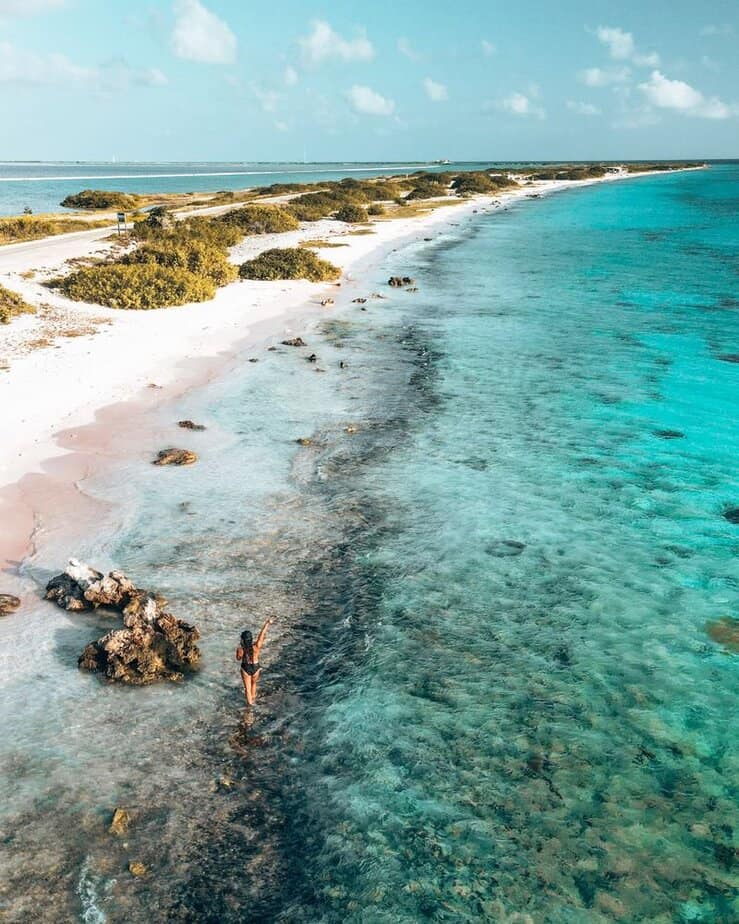
Authenticity reigns supreme on this Caribbean jewel where mega-resorts and cruise ship hordes remain noticeably absent. Small, family-owned hotels and guesthouses dot the landscape instead of towering all-inclusives.
Local shopkeepers remember your name by your second visit, creating a sense of belonging rarely found in more commercialized destinations. The island’s commitment to sustainable tourism limits visitor numbers, preserving its natural beauty and cultural integrity. This refreshing absence of overcrowding means secluded beaches and peaceful dining experiences remain the norm rather than the exception.
4. Incredible Flamingo and Wildlife Watching
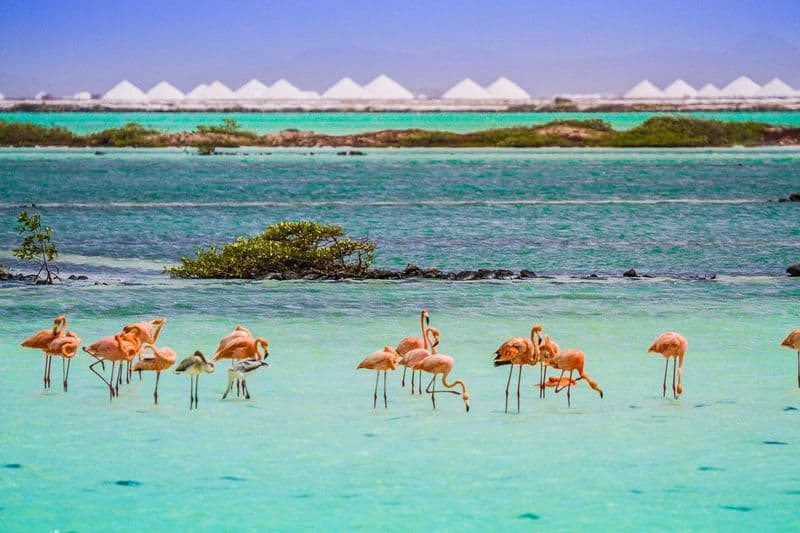
Flocks of pink flamingos wade gracefully through Bonaire’s salt flats, creating living art against the landscape. These magnificent birds breed here naturally—one of the few places in the world where this occurs—making flamingo sightings a daily possibility rather than a rare event.
Wild donkeys roam freely along dusty roads, descendants of animals brought by early settlers. Bright green parrots chatter in the trees while blue-throated lizards scurry across sun-baked rocks. The island’s arid climate has fostered unique wildlife adaptations, creating a natural sanctuary where animals thrive undisturbed by excessive human intervention.
5. The Brightly Colored Town of Kralendijk
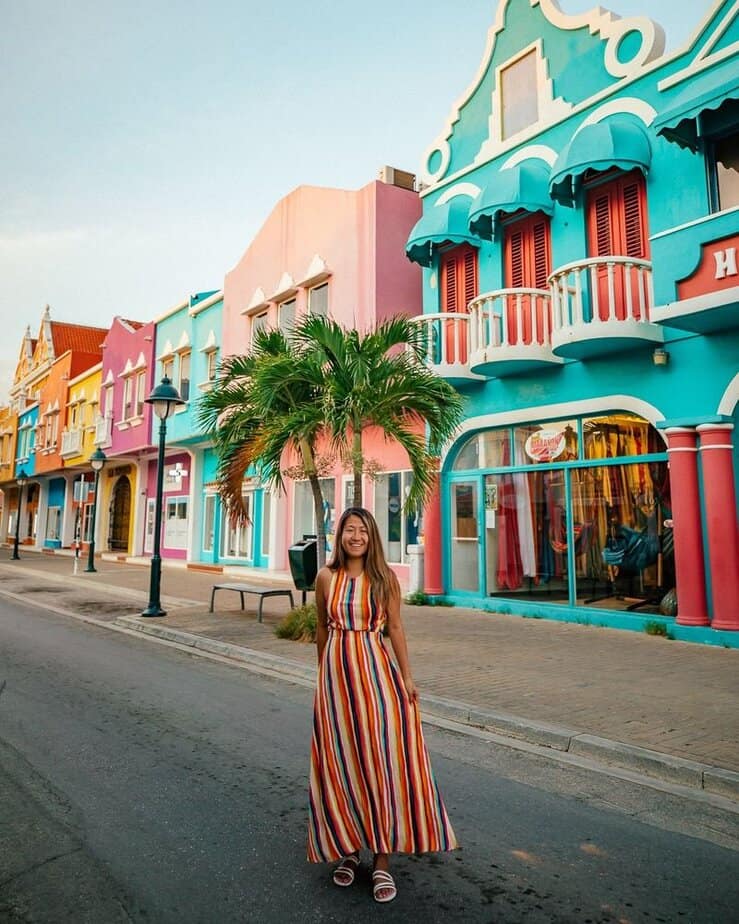
Pastel-painted buildings line the waterfront of Bonaire’s charming capital, creating a photographer’s paradise. Historic architecture blends Dutch colonial influences with Caribbean flair, resulting in a distinctive aesthetic unique to the island.
Family-owned boutiques sell handcrafted souvenirs while open-air cafés serve fresh seafood caught that morning. As evening approaches, locals and visitors gather along the seaside promenade to witness spectacular sunsets painting the sky in brilliant oranges and pinks. Despite being the island’s main urban center, Kralendijk maintains a relaxed pace where rushing feels out of place.
6. A Protected Marine Park That’s Seriously Next-Level
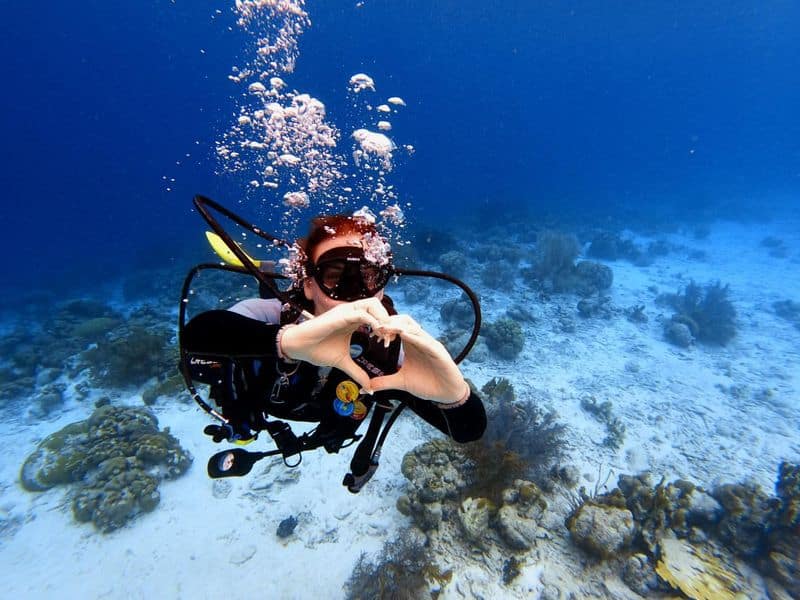
Revolutionary conservation efforts have transformed Bonaire’s surrounding waters into a living laboratory of marine biodiversity. Since 1979, the entire coastline has enjoyed protected status, resulting in flourishing coral gardens and abundant sea life just yards from shore.
Angelfish weave through sea fans while eagle rays soar overhead like underwater birds of prey. Even casual snorkelers regularly encounter sea turtles grazing on seagrass beds near popular beaches. The marine park’s strict regulations—including mandatory orientation for all divers and snorkelers—ensure this underwater paradise remains pristine for generations to come.
7. Delicious Dutch-Caribbean Cuisine
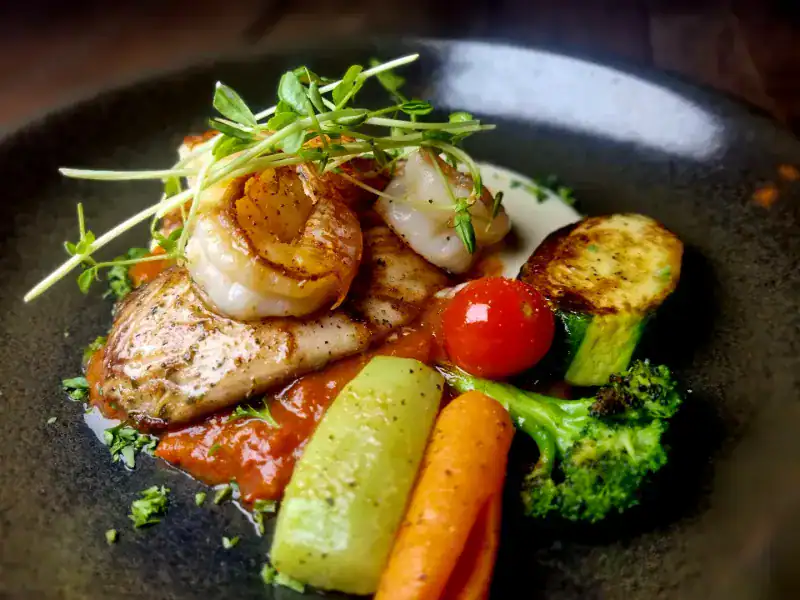
Culinary traditions from two worlds collide deliciously on Bonaire’s dinner plates. Local chefs transform fresh-caught mahi-mahi and wahoo into sophisticated dishes with European techniques while incorporating island spices and tropical fruits.
Kabritu stoba (goat stew) simmers slowly with local herbs, creating a hearty meal that reflects the island’s cultural heritage. Dutch influences appear in unexpected places—crispy bitterballen appetizers served alongside plantains, or stroopwafels infused with local rum. Waterfront restaurants serve these unique culinary creations against stunning ocean backdrops, making meals as visually satisfying as they are delicious.
8. Unreal Sunsets and Stargazing
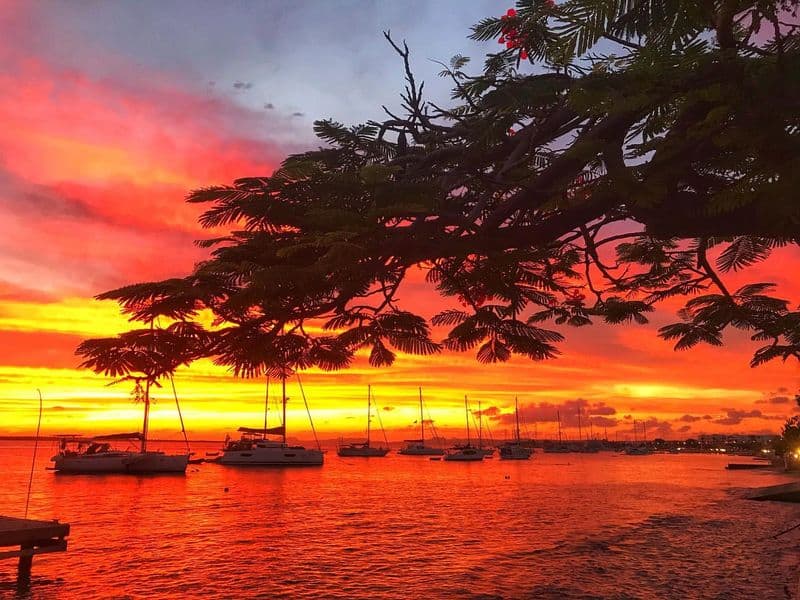
Bonaire’s western coastline provides front-row seats to nature’s most spectacular light show as the sun melts into the Caribbean Sea. Golden hour bathes the landscape in warm light, transforming ordinary scenes into extraordinary memories worth capturing.
After darkness falls, minimal light pollution reveals a celestial tapestry rarely visible in more developed destinations. The Milky Way stretches across the night sky in breathtaking clarity, while constellations appear so vivid they seem within reach. Many visitors report seeing shooting stars nightly—nature’s fireworks complementing the island’s peaceful atmosphere. Local tour operators offer stargazing excursions with telescopes for closer cosmic observations.
9. You Can Explore the Whole Island in a Day (But You’ll Want a Week)
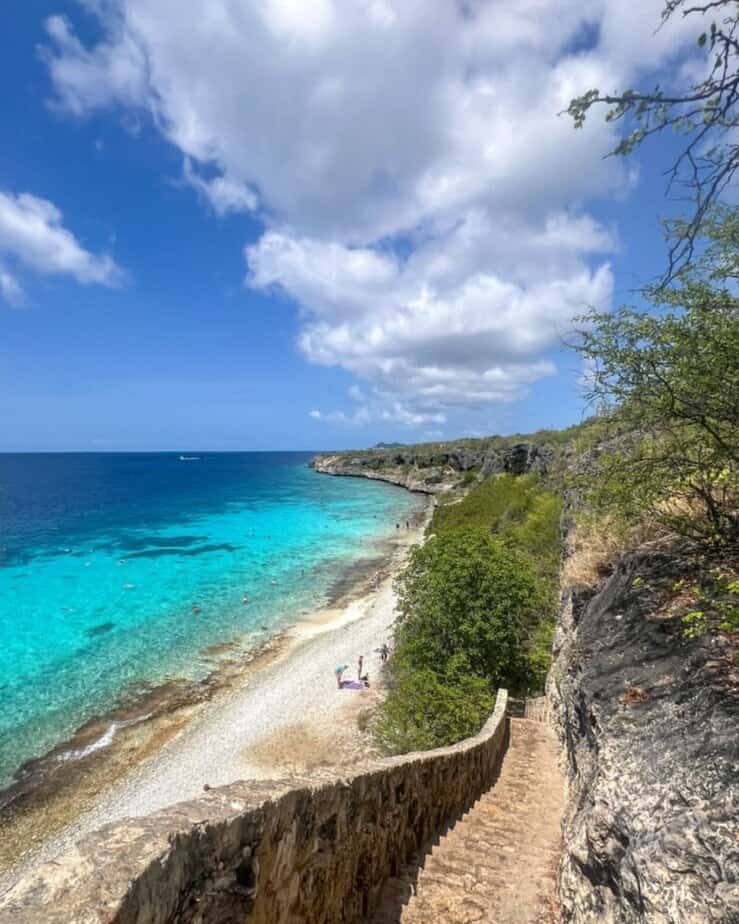
Bonaire’s compact size—just 24 miles long and 3-5 miles wide—makes complete exploration feasible even with limited time. Renting a Jeep allows visitors to circumnavigate the entire island in hours, passing salt flats, wild beaches, and historic landmarks along the way.
Washington Slagbaai National Park occupies the northern quarter, offering hiking trails through desert-like terrain with stunning ocean vistas. Despite this accessibility, Bonaire reveals its true magic slowly—hidden coves discovered on day three, perfect snorkeling spots on day five, favorite local restaurants on day six. The island’s deceptive simplicity contains layers of experiences that reward those who linger.