Texas might be famous for cowboy boots and barbecue, but tucked into the Hill Country and beyond are charming towns that look and feel straight out of Bavaria. German immigrants arrived in the mid-1800s and brought their language, architecture, food, and traditions with them. Today, you can stroll cobblestone streets, sample authentic schnitzel, and hear polka music without ever leaving the Lone Star State.
1. Fredericksburg
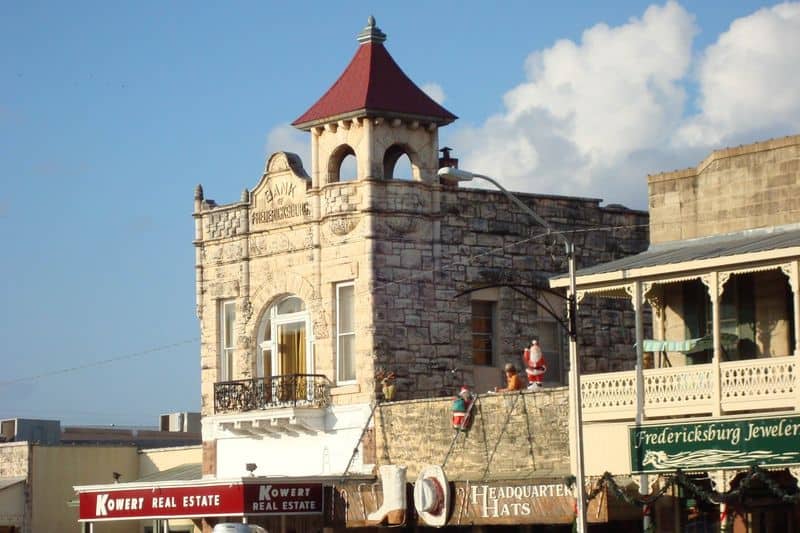
Walk down Main Street and you’ll swear you’ve been transported to a Bavarian village. Founded in 1846 by German pioneers, Fredericksburg wears its heritage proudly with half-timbered buildings, biergartens, and bakeries selling fresh strudel. The town square feels European, complete with an octagonal Vereins Kirche replica that once served as a church, school, and meeting hall all rolled into one.
Weekends here mean wine tasting at local vineyards, browsing antique shops, and catching live polka bands at one of several German restaurants. You can tour the Pioneer Museum to see how early settlers lived, or head to the Marktplatz for seasonal festivals that celebrate everything from peaches to Oktoberfest. Even the street signs are bilingual, a nod to the town’s deep roots.
Foodies will have a field day sampling bratwurst, sauerkraut, and potato pancakes at spots like Der Lindenbaum or Altdorf Biergarten. Pair your meal with a German beer or a glass of Texas wine—this region produces some excellent varieties. The blend of Old World charm and Hill Country hospitality makes every visit feel special.
Spring brings wildflowers that blanket the roadsides in bluebonnets and Indian paintbrush, adding even more magic to the scenery. Whether you’re shopping for handmade crafts, sampling kolaches, or simply soaking in the atmosphere, Fredericksburg delivers an authentic taste of Germany without the transatlantic flight.
2. New Braunfels
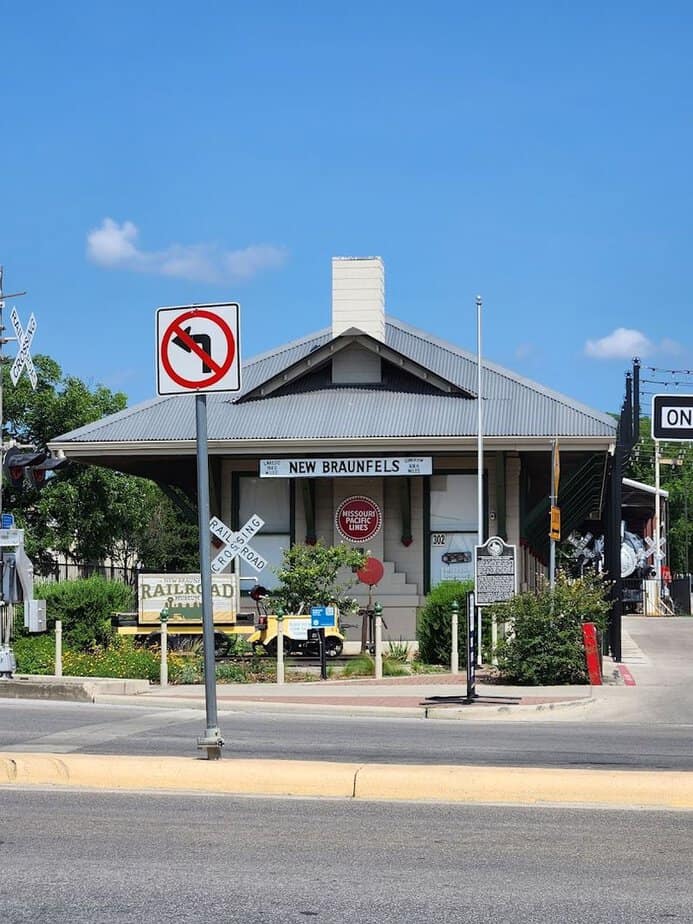
Perched between Austin and San Antonio, New Braunfels blends German tradition with Texas-sized fun. Prince Carl of Solms-Braunfels founded this town in 1845, and his legacy lives on in the fachwerk-style homes, the Sophienburg Museum, and the annual Wurstfest—a ten-day sausage celebration that draws crowds from across the state. You’ll find accordion music, lederhosen, and enough bratwurst to feed an army.
The Comal and Guadalupe Rivers run right through town, making this a hot spot for tubing, kayaking, and lazy summer days on the water. Schlitterbahn Waterpark started here and remains one of the top attractions, but the real charm is in the historic downtown. Stroll past century-old buildings housing boutiques, craft breweries, and German eateries like Krause’s Cafe, Texas’s oldest continuously operating biergarten.
New Braunfels takes its festivals seriously. Wurstfest in November is the big one, but you’ll also find Wassailfest in December and smaller events celebrating German heritage year-round. The Gruene Historic District, technically part of New Braunfels, offers its own slice of nostalgia with Gruene Hall—Texas’s oldest dance hall—still hosting live music under its original tin roof.
Families love the mix of outdoor adventure and cultural attractions. You can raft the rapids in the morning, tour a historic home in the afternoon, and finish the day with schnitzel and strudel. It’s this easygoing blend of German roots and Texan spirit that keeps people coming back.
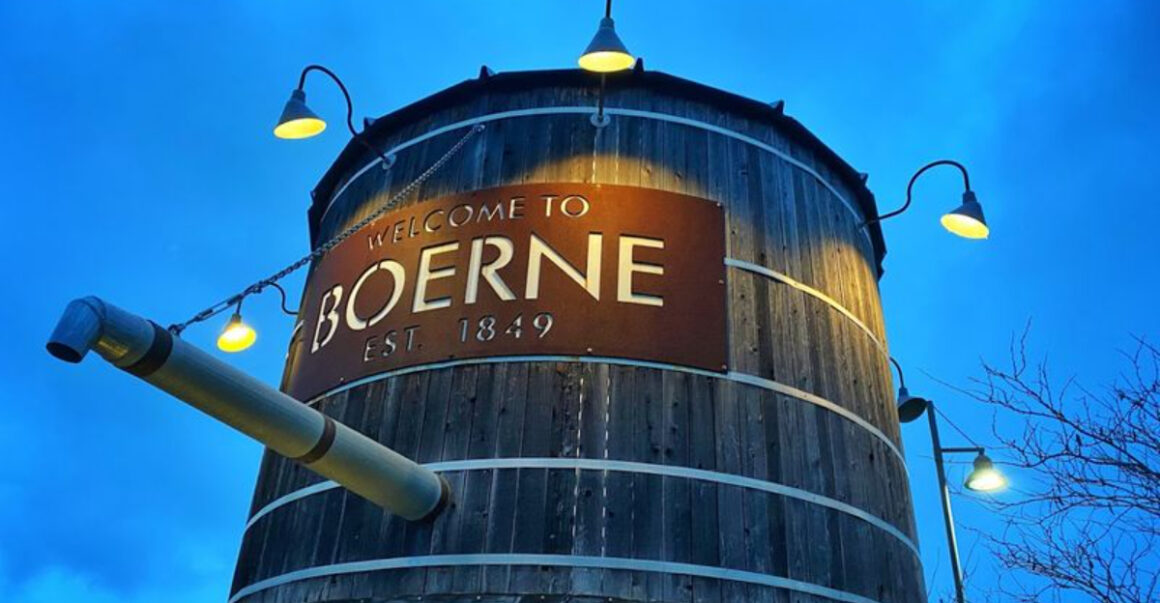
3. Boerne
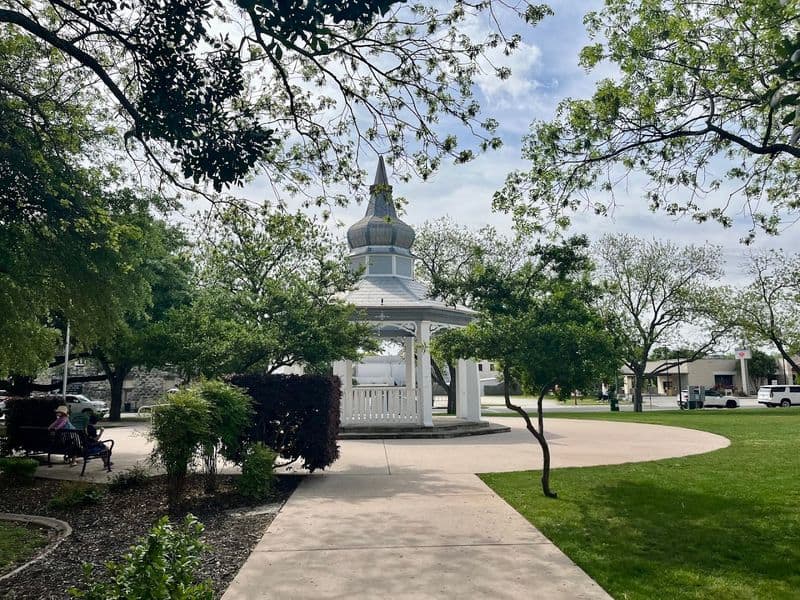
Nestled in the Hill Country just north of San Antonio, Boerne pronounces its name “Bernie” and carries a relaxed, small-town vibe with strong German influences. Named after author Ludwig Börne, a German political writer, the town was settled in the 1840s by freethinkers fleeing Europe. Today, its historic downtown feels like a postcard, with limestone buildings, shaded plazas, and a creek running through the heart of it all.
Main Plaza is the social hub, lined with locally owned shops, cafes, and galleries. You can browse handmade jewelry, sample Hill Country wines, or grab a pastry at a German bakery. The Kendall County Courthouse anchors the square, and nearby Cibolo Nature Center offers hiking trails and wildlife viewing if you need a break from shopping.
Boerne’s German roots show up in its architecture and annual events. The Berges Fest each June celebrates the town’s heritage with polka music, folk dancing, and plenty of German food. You’ll also find traditional touches at spots like The Dodging Duck Brewhaus, where craft beer meets Bavarian-inspired pub fare.
Weekends draw visitors from San Antonio and beyond, but Boerne never feels overcrowded. There’s a laid-back elegance here—think boutique hotels in historic buildings, farm-to-table restaurants, and art walks on Friday evenings. The surrounding Hill Country scenery, with its rolling hills and sprawling oaks, only adds to the European countryside feel.
Whether you’re antiquing, hiking, or just enjoying a leisurely lunch on a patio, Boerne offers a slice of Germany with a Texas twist.
4. Comfort
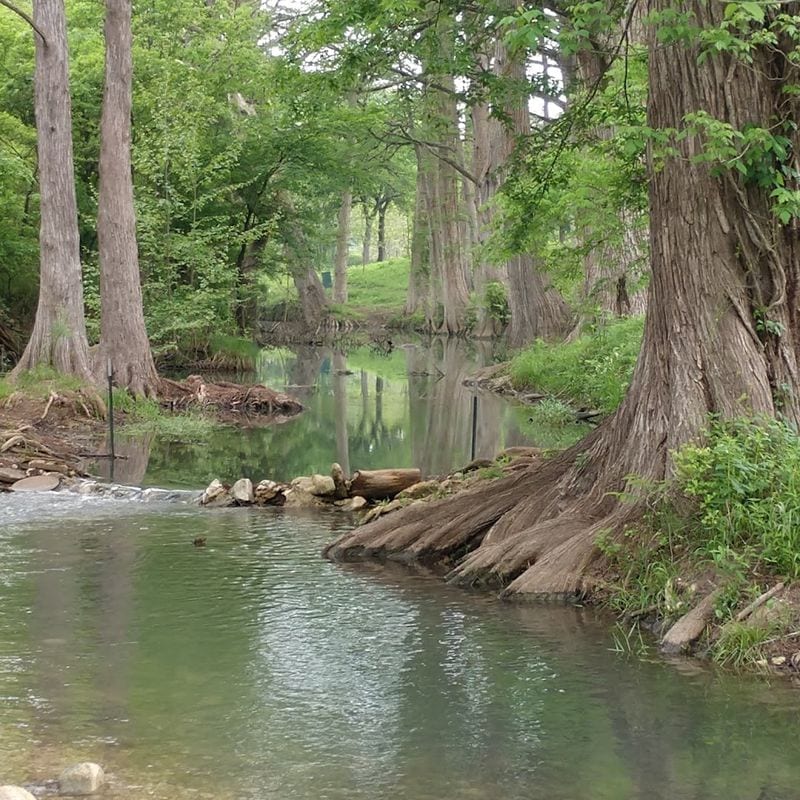
Comfort wears its history like a badge of honor. Founded in 1854 by German freethinkers who opposed slavery, this tiny town became a haven for progressive ideals in the heart of Texas. The entire downtown is a National Historic District, with over 100 buildings dating back to the 1800s.
Walking these streets feels like stepping into a time capsule, complete with original limestone structures and wooden storefronts.
High Street is where you’ll spend most of your time, poking into antique stores, art galleries, and quirky shops. The architecture alone is worth the trip—German fachwerk construction mixed with Texas limestone creates a look you won’t find anywhere else. Grab lunch at the Comfort Cafe or the High’s Cafe and Store, both local favorites serving hearty meals in buildings that have stood for over a century.
One unique feature: the Treue der Union Monument, the only monument to the Union located in the former Confederacy. It honors German Texans killed for their loyalty to the United States during the Civil War. This piece of history underscores the town’s independent spirit and commitment to its principles.
Comfort doesn’t have flashy attractions or big crowds, and that’s exactly the point. People come here to slow down, browse antiques, sip coffee on a shaded porch, and soak in the peaceful atmosphere. The surrounding Hill Country offers scenic drives and hiking, but the town itself is the main draw.
It’s quiet, authentic, and unapologetically old-school—a genuine slice of German Texas heritage.
5. Luckenbach
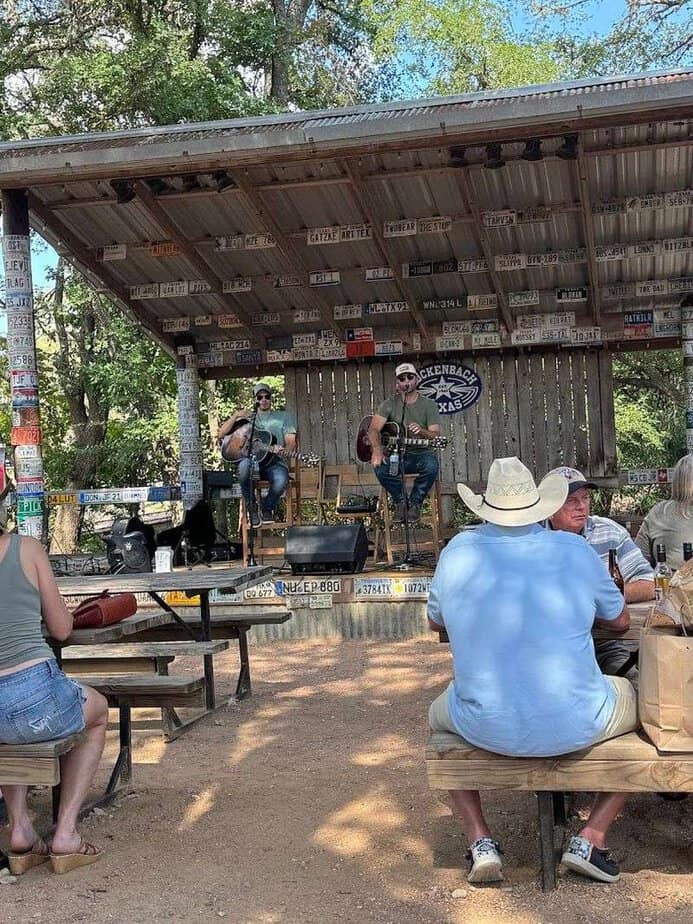
Population: 3. That’s the official count, and it’s all part of Luckenbach’s charm. This isn’t a town in the traditional sense—it’s more of a state of mind.
Founded in 1849 by German immigrant Jacob Luckenbach, the settlement once had a post office, cotton gin, and general store. Today, what remains is a dance hall, a general store, and a whole lot of Texas music history.
Willie Nelson and Waylon Jennings immortalized Luckenbach in their 1977 hit song, turning this tiny spot into a pilgrimage site for country music fans. On any given weekend, you’ll find live music under the oak trees, cold beer flowing from the general store, and folks from all over the world gathering to pick guitars and swap stories. The vibe is laid-back, friendly, and refreshingly unpretentious.
The dance hall hosts concerts year-round, from local pickers to nationally known acts. There’s no stage, no fancy lighting—just wooden floors, a tin roof, and good music. The general store sells T-shirts, postcards, and cold drinks, and the walls are covered with business cards, photos, and memorabilia left by visitors.
Luckenbach’s German roots might not be as obvious as in other Hill Country towns, but the sense of community and tradition runs deep. People come here to unplug, relax, and enjoy simple pleasures—music, conversation, and the shade of a big Texas oak. It’s quirky, authentic, and impossible not to love.
If you’re exploring German Texas towns, this detour is absolutely worth it.
6. Muenster
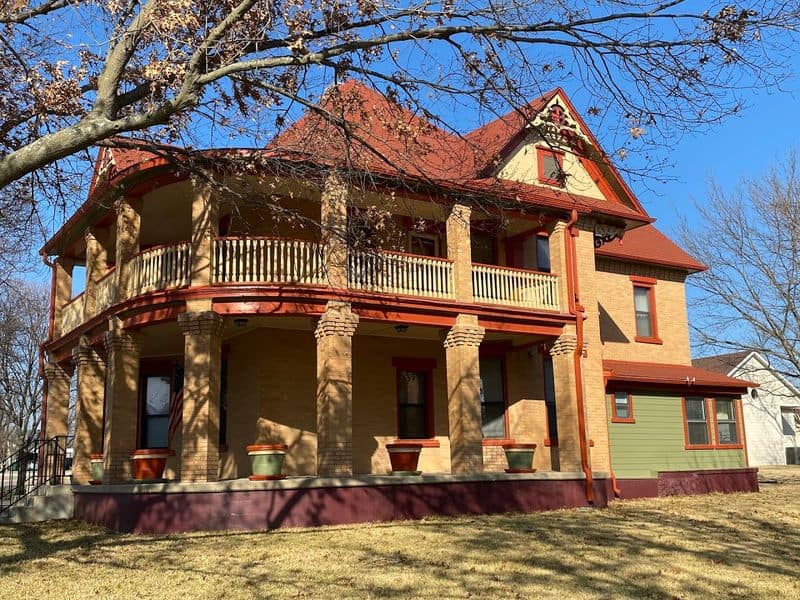
Up in North Texas, far from the Hill Country, Muenster stands as a testament to German Catholic settlers who arrived in the 1880s. The landscape here is flatter, with rolling prairies instead of limestone hills, but the German influence is just as strong. The town centers around Sacred Heart Catholic Church, a stunning red brick structure with twin steeples that dominate the skyline and serve as a beacon for miles around.
Muenster’s German heritage shows up in its food, festivals, and family-owned businesses. Bayer’s Kolonialwaren, a century-old meat market, still makes traditional German sausages using recipes passed down through generations. Fischer’s Meat Market is another local institution, known for its beef jerky and smoked meats.
You can grab supplies for a picnic and head to the nearby Muenster City Park, which hosts Germanfest each April with polka bands, folk dancing, and plenty of bratwurst.
The town has a tight-knit, small-town feel where everyone seems to know each other. Main Street offers a handful of shops and cafes, but the real charm is in the community spirit. Friday night football is a big deal here, and locals gather at the Muenster Hornet stadium to cheer on the home team with the same enthusiasm their ancestors brought from the old country.
Muenster might not have the tourist buzz of Fredericksburg or New Braunfels, but that’s part of its appeal. It’s a working town where German traditions are lived daily, not just displayed for visitors. If you want an authentic look at German Texan culture, this is it.
7. Schulenburg
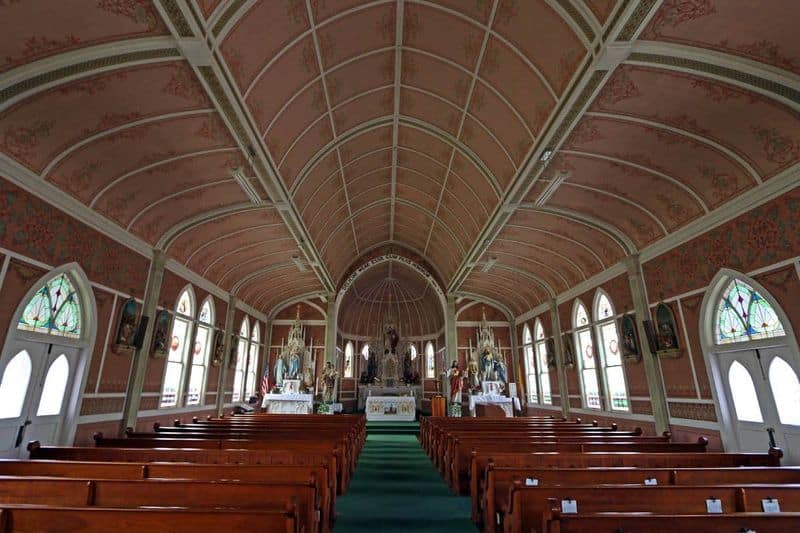
Schulenburg earned its nickname—the “Home of the Painted Churches”—thanks to stunning rural Catholic churches decorated with intricate frescoes and religious artwork. German, Czech, and Polish immigrants settled this area in the mid-1800s, and their faith found expression in these beautiful buildings. St. Mary’s Church of the Assumption, often called the “Queen of the Painted Churches,” features hand-painted columns, ceilings, and altars that rival anything you’d find in Europe.
Tours of the Painted Churches take you through several historic sanctuaries scattered across the countryside. Each one has its own style and story, from the delicate stenciling at St. Cyril and Methodius to the bold colors at Dubina’s Saints Cyril and Methodius Church. These aren’t museum pieces—they’re active parishes where services are still held, adding a layer of authenticity to every visit.
Downtown Schulenburg offers antique shops, cafes, and the historic Sengelmann Hall, one of Texas’s oldest dance halls. Built in 1894, it still hosts live music and community events. You can also stop by the Schulenburg Historical Museum to learn more about the area’s immigrant roots and agricultural heritage.
Foodies will appreciate the local Czech and German influences on the menu. Kolaches—sweet or savory pastries—are a regional specialty, and you’ll find excellent versions at local bakeries. Pair them with a strong cup of coffee and you’ve got the perfect start to a day of exploring.
Schulenburg doesn’t get the same tourist traffic as Hill Country towns, which means you can explore at your own pace without crowds. The Painted Churches alone are worth the trip, offering a quiet, reflective experience that’s both beautiful and deeply moving.
8. Castroville

Unlike many Texas towns, Castroville isn’t German—it’s Alsatian, and that distinction matters. Henri Castro brought settlers from the Alsace region of France in the 1840s, and they built a town that looks like it was plucked from the French-German border. The architecture is unique: steep-roofed cottages with thick limestone walls, designed to withstand both Texas heat and the occasional flood from the nearby Medina River.
The Landmark Inn, now a state historic site, offers a glimpse into the town’s past. Built in the 1840s, it served as a stagecoach stop and general store. You can tour the property, explore the old bathhouse fed by a natural spring, and imagine what life was like for early settlers.
The grounds are shaded by massive pecan trees, making it a peaceful spot to spend an afternoon.
St. Louis Catholic Church, completed in 1870, stands as a testament to the community’s faith and craftsmanship. Its Gothic Revival style and hand-carved wooden altar are stunning. Nearby, the Moye Center showcases Alsatian heritage with exhibits on traditional crafts, clothing, and daily life.
Castroville celebrates its roots with the annual St. Louis Day festival each August, featuring Alsatian food, music, and dancing. You can sample flammekueche (Alsatian flatbread), listen to accordion music, and watch folk dancers in traditional dress. Local restaurants serve French-German fusion dishes that you won’t find anywhere else in Texas.
Just 20 minutes from San Antonio, Castroville offers a quick escape into European culture without the long drive to the Hill Country. It’s quirky, historic, and refreshingly different from the typical Texas town.
9. Walburg
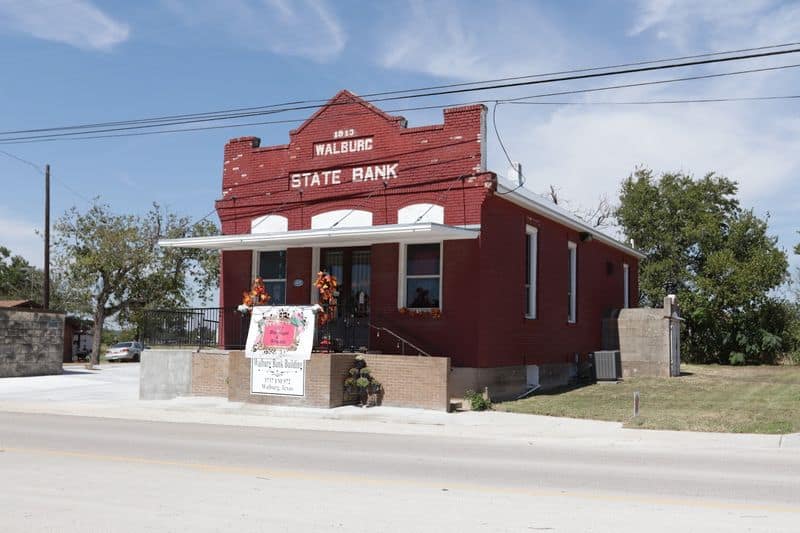
Walburg is tiny—barely a dot on the map—but it packs a punch when it comes to German food and atmosphere. Located north of Austin, this unincorporated community centers around the Walburg Restaurant, a beloved biergarten and eatery that’s been serving authentic German cuisine since 1882. The building itself looks like it belongs in Bavaria, with its rustic wooden exterior, outdoor seating, and festive string lights strung between the trees.
The menu is pure German comfort food: schnitzel, bratwurst, potato salad, sauerkraut, and giant pretzels. Portions are generous, prices are reasonable, and the beer selection includes German imports alongside Texas craft brews. Live polka music on weekends adds to the festive vibe, and families gather at long picnic tables to eat, drink, and enjoy the laid-back atmosphere.
Walburg’s history goes back to the mid-1800s when German farmers settled the area and established a close-knit community. The restaurant has been the social hub ever since, hosting everything from family reunions to wedding receptions. It’s the kind of place where locals and visitors mix easily, united by good food and cold beer.
There’s not much else in Walburg—no shops, no museums, just the restaurant and surrounding farmland. But that’s part of the appeal. People make the trip specifically for the food and the experience, treating it as a mini-vacation from city life.
The drive through the countryside is scenic, especially in spring when wildflowers bloom along the roadsides.
If you’re looking for a low-key German experience with killer schnitzel and a friendly crowd, Walburg delivers. It’s simple, authentic, and delicious—everything a good Texas biergarten should be.