Chicago offers countless attractions for visitors, but not all of them deliver a worthwhile experience. Many popular spots are crowded, overpriced, and frankly disappointing compared to the city’s authentic gems. Before you plan your Windy City adventure, it’s worth knowing which famous attractions might waste your precious vacation time and money.
1. Navy Pier (Unless You’re With Kids)
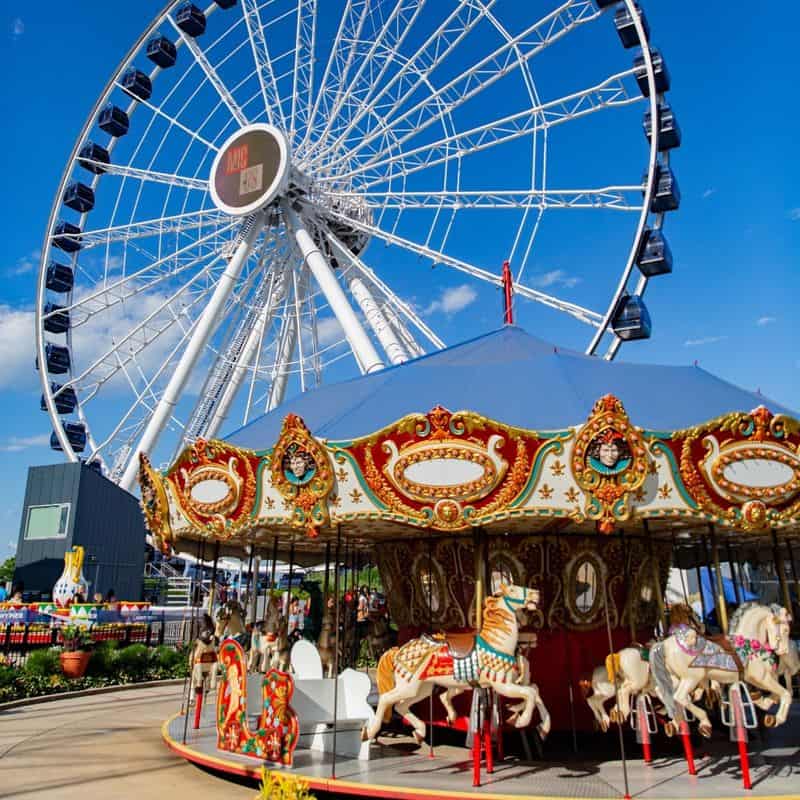
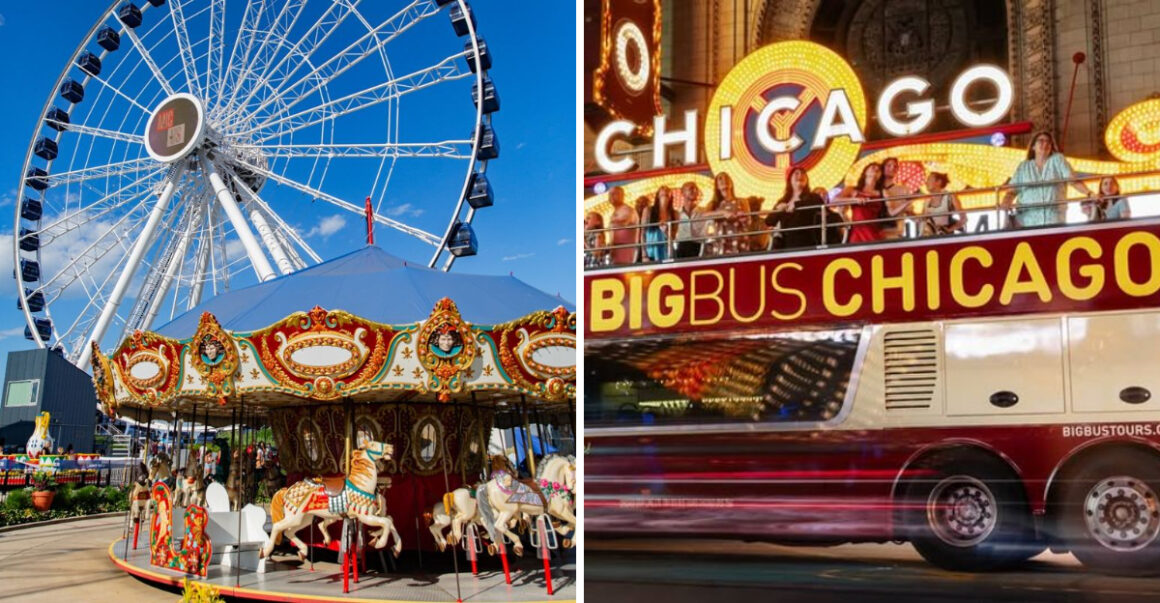
What was once a charming lakefront attraction has evolved into a commercialized carnival of chain restaurants and souvenir shops. The prices are inflated, the food is mediocre at best, and during summer months, you’ll spend more time navigating through crowds than enjoying the lake views. The Ferris wheel offers nice vistas, but you’ll pay dearly for a short ride.
Most locals avoid Navy Pier entirely unless entertaining out-of-town relatives with children. Save your time and money by strolling the peaceful Chicago Riverwalk instead. You’ll enjoy similar waterfront ambiance without the tourist markup and chaotic atmosphere.
2. The Bean (Cloud Gate) at Peak Hours
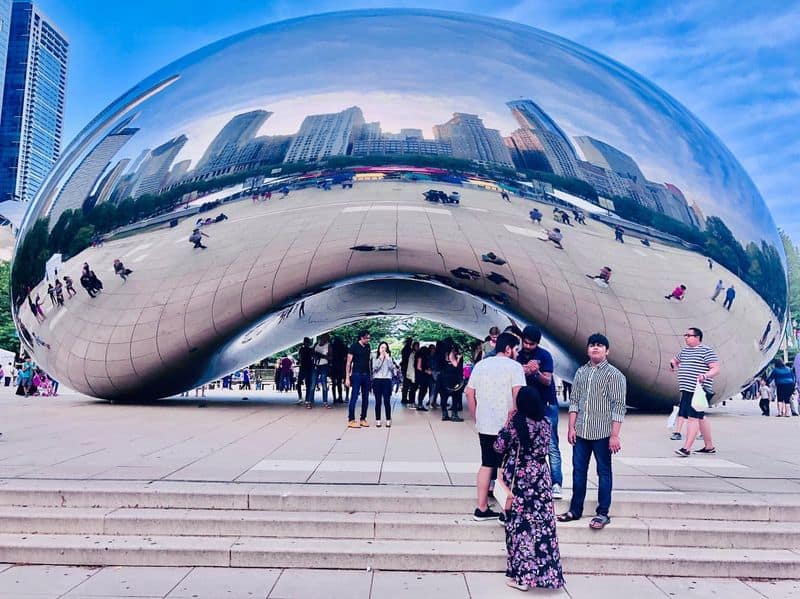
Anish Kapoor’s famous mirrored sculpture draws perpetual crowds that make peaceful appreciation nearly impossible. During daytime hours, you’ll battle hundreds of selfie-takers and tour groups just to get near it, let alone capture a decent photo. The reflective surface is indeed impressive, but the experience loses its magic when you’re constantly dodging strangers or waiting your turn for a quick picture.
The surrounding area becomes a chaotic photo shoot rather than an art experience. Early birds catch the real Bean experience – visit before 8 am to enjoy the sculpture’s mesmerizing reflections in relative solitude. Or explore nearby Lurie Garden for equally photogenic but less crowded moments.
3. Magnificent Mile for Shopping
Touted as Chicago’s premier shopping destination, the Magnificent Mile mostly houses high-end chain stores you’ll find in any major city or upscale mall. The markup on merchandise is considerable, and there’s precious little that’s uniquely Chicago about the experience.
Street performers and seasonal decorations add some charm, but they hardly justify battling the sidewalk congestion. Most shops cater specifically to tourists, selling overpriced souvenirs and standard luxury goods.
For authentic Chicago shopping, venture to neighborhoods like Wicker Park or Andersonville. These areas showcase local designers, independent bookstores, vintage shops, and businesses with genuine Chicago character – all with more reasonable prices.
4. Willis Tower Skydeck (The Ledge)
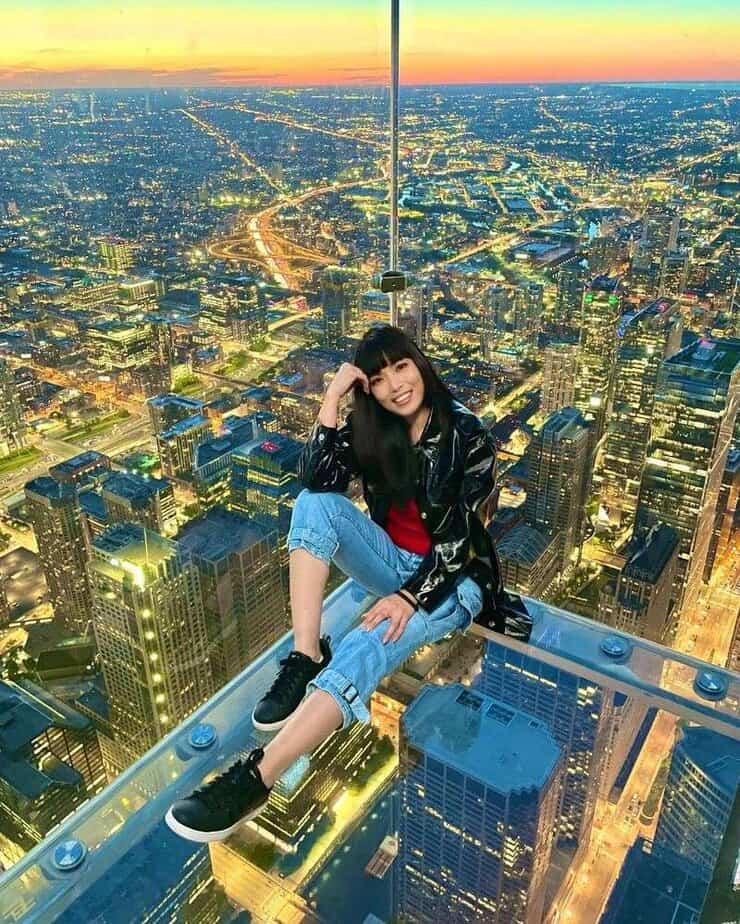
Remember those glass boxes extending from the 103rd floor that seemed so thrilling in photos? The reality involves waiting in multiple lines, often for 2+ hours, before being hurried onto The Ledge for a strictly-timed 60-second photo opportunity.
Admission prices keep climbing while the experience remains rushed and impersonal. During peak tourist season, you might spend half a day of your vacation just to stand briefly on a glass floor.
360 Chicago at the former Hancock Building offers comparable views with significantly shorter waits and the TILT attraction for thrill-seekers. Even better, you can enjoy a cocktail at the Signature Lounge one floor up for the price of a drink instead of an admission ticket.
5. Deep-Dish Pizza at Chain Restaurants
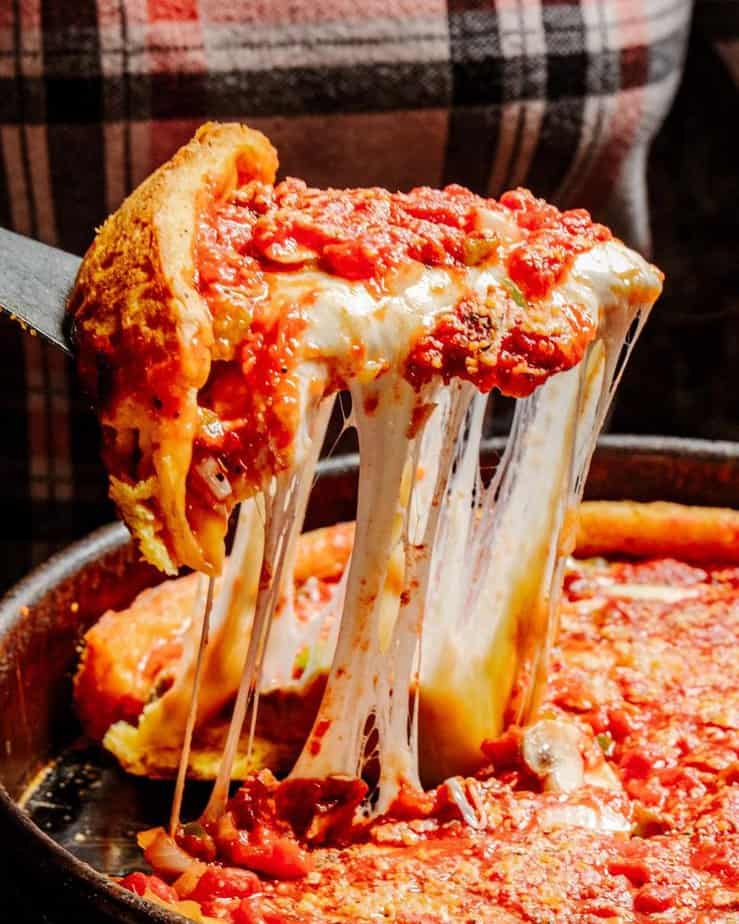
First-time visitors often make a beeline for famous pizza chains advertised in every guidebook, only to discover mediocre deep-dish that doesn’t live up to the hype. These tourist-focused establishments often serve mass-produced pies with less attention to quality ingredients or authentic preparation methods.
The atmosphere typically feels manufactured for out-of-towners rather than representing Chicago’s true food culture. You’ll likely face long waits during peak hours while paying premium prices for a subpar experience.
Seek out neighborhood spots like Pequod’s with its caramelized crust or Art of Pizza in Lakeview. These local favorites serve superior deep-dish without the tourist markup, and you’ll dine alongside actual Chicagoans rather than fellow visitors.
6. Taking an Uber Everywhere
Many visitors default to rideshare services without realizing that Chicago’s notorious traffic congestion makes this one of the slowest and most expensive ways to navigate the city. During rush hours or major events, a simple crosstown trip can take triple the expected time while surge pricing multiplies the fare.
Downtown streets frequently become gridlocked, leaving you watching the meter climb while barely moving. Plus, drivers from the suburbs may not know efficient routes through neighborhoods or understand local traffic patterns.
Chicago’s elevated train system (the ‘L’) offers comprehensive coverage of major attractions and neighborhoods at a fraction of the cost. The Brown Line provides spectacular views of the skyline, while buses connect areas the trains don’t reach – all for just a few dollars per ride.
7. Buying Tickets for the Hop-On Hop-Off Bus Tours
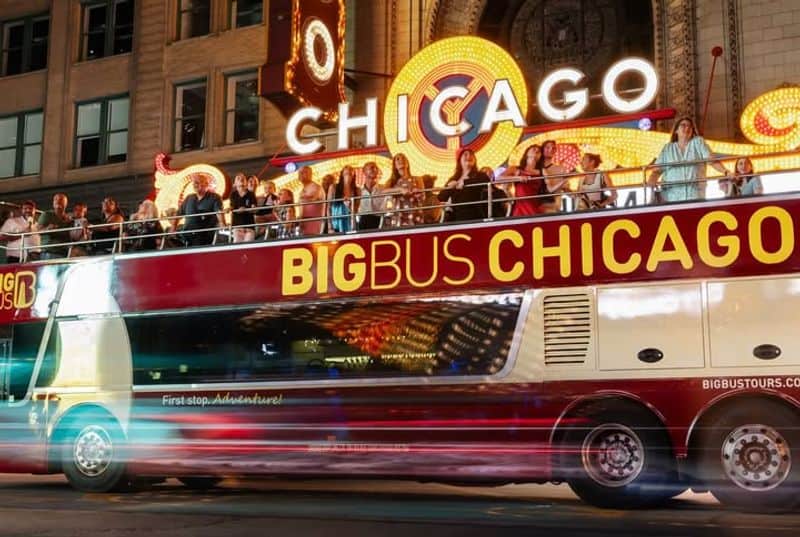
Those distinctive double-decker buses seem convenient but frequently disappoint with their snail-like pace through congested downtown streets. The recorded commentary often contains superficial information you could find in any guidebook, while the audio quality can be spotty at best.
The “hop-off” aspect becomes less appealing when you realize buses may run 30-45 minutes apart during busy periods. This leaves you either rushing through attractions or waiting extensively for the next pickup.
For a truly memorable city overview, book an Architecture Foundation River Cruise instead. These 90-minute boat tours provide fascinating insights into Chicago’s iconic buildings from expert docents, all while gliding smoothly along the river – no traffic jams in sight.
8. Chicago-Style Hot Dogs from Airport or Chain Vendors
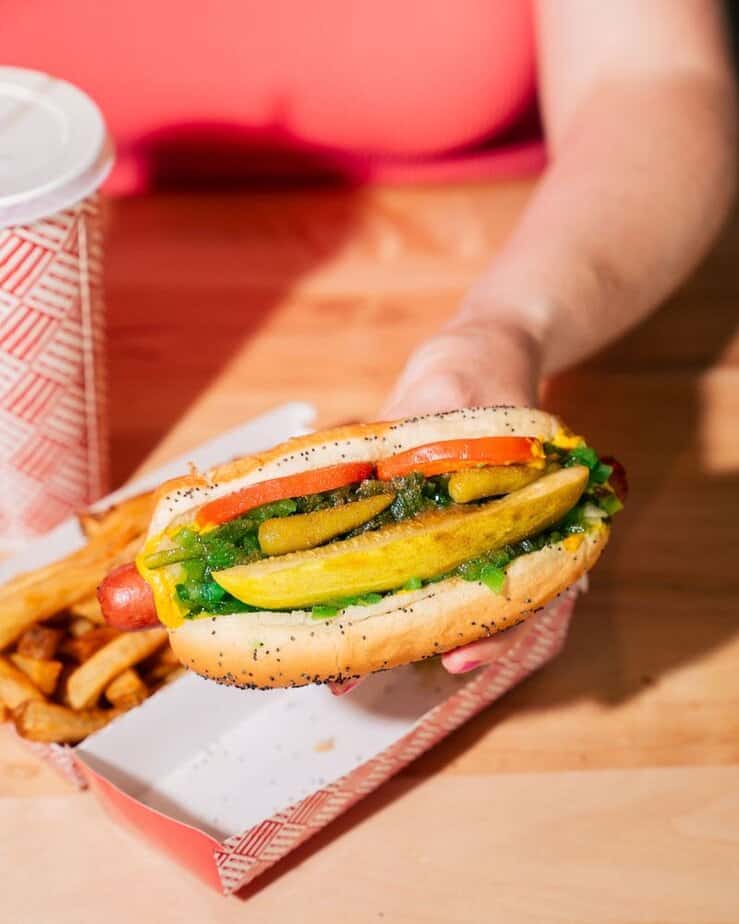
Airport kiosks and downtown chain restaurants claiming to serve “authentic” Chicago-style hot dogs often deliver sad imitations of this iconic street food. The true Chicago dog requires specific ingredients in precise proportions: an all-beef frankfurter on a poppy seed bun topped with yellow mustard, bright green relish, chopped onions, tomato wedges, pickle spear, sport peppers, and celery salt.
Tourist-oriented vendors frequently cut corners on quality and authenticity. The buns might be stale, the toppings skimpy, and the prices inflated by 200%.
Seek out established local institutions like Portillo’s, Gene & Jude’s, or Superdawg for the genuine article. These beloved stands have perfected their dogs over decades and serve them exactly as tradition demands – without ketchup, of course.