Road trips to Jordan Craters offer more than just a destination – they’re about the journey itself. This remote volcanic wonderland in eastern Oregon becomes even more special when you take time to explore the surrounding landscapes. From hidden gems to breathtaking natural formations, these nine detours transform an ordinary drive into an unforgettable adventure through some of the most striking scenery in the American West.
1. Marsing, Idaho
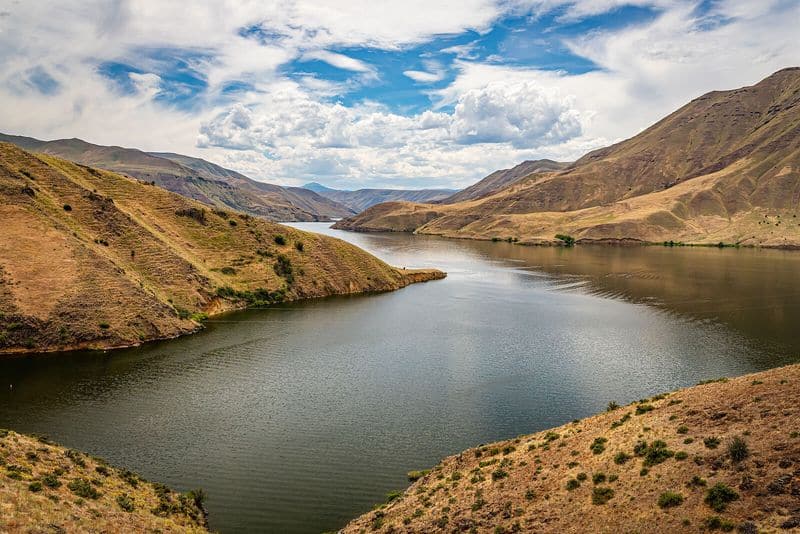
Kick off your adventure in this charming riverside town where the Snake River winds through a patchwork of vineyards and farmland. The Orchard House serves up hearty breakfast plates that fuel long desert drives – try their huckleberry pancakes, a local favorite.
After breakfast, drive up to Lizard Butte for panoramic views that stretch for miles. The silhouette of this natural landmark resembles a giant lizard sunning itself above the valley.
Marsing offers a perfect glimpse of Idaho’s agricultural heartland before the landscape transforms into the high desert terrain that dominates your journey westward.
2. Border Rockhounding Zone (Idaho–Oregon state line)
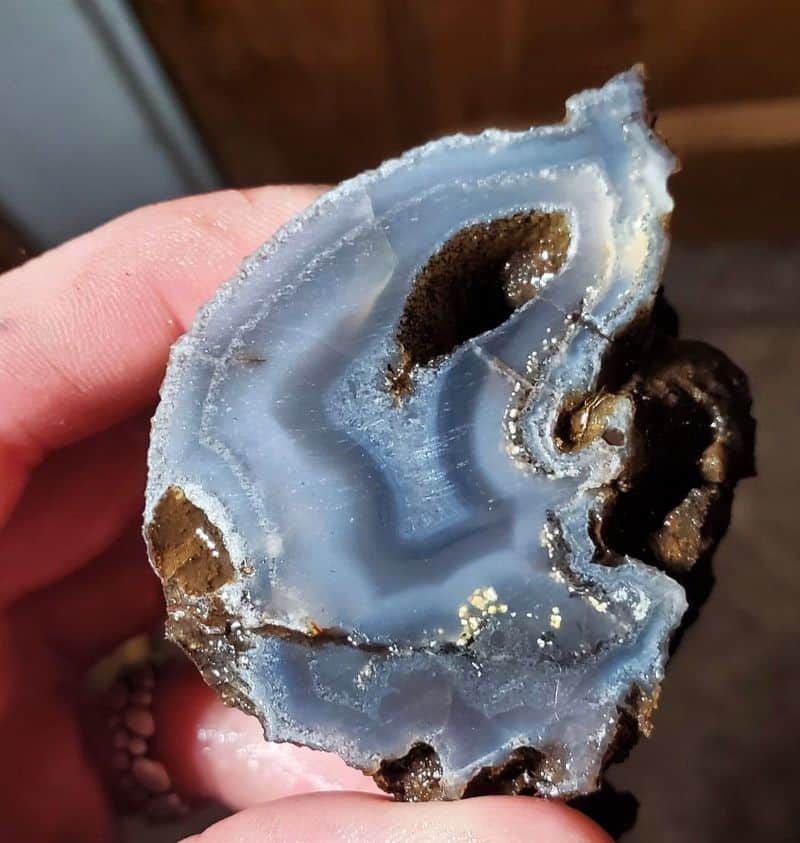
Amateur geologists rejoice! The state line area near Coal Mine Basin harbors colorful treasures just beneath the surface.
Families armed with simple garden tools can unearth vibrant agates that catch the sunlight like stained glass. No expertise required here – even first-timers frequently discover jasper specimens in rich reds and yellows.
The petrified wood pieces tell ancient stories of forests that stood millions of years before humans arrived. The best collecting spots lie just minutes from the highway, making this an easy hour-long detour. Bring a small spray bottle to reveal the true colors hiding under dusty exteriors.
3. Coffee Pot Crater & Jordan Craters Lava Fields
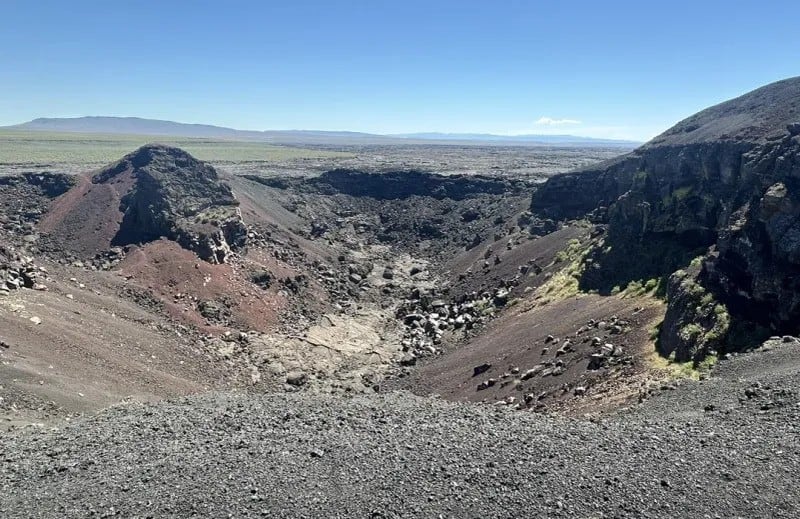
Stepping onto these black lava flows feels like walking across another planet. The rim trail circles Coffee Pot Crater – a massive volcanic depression where molten rock once bubbled and churned.
The silence here is profound, broken only by the crunch of your boots on volcanic glass. Collapsed lava tubes create natural tunnels to explore, while pahoehoe flows form rippled patterns resembling frozen waves.
Unlike Hawaii’s famous volcanic parks, you’ll rarely encounter another soul here. Bring sturdy shoes – the sharp basalt can shred lightweight footwear. Morning light casts dramatic shadows across the textured landscape, creating photographer’s paradise conditions.
4. Pillars of Rome
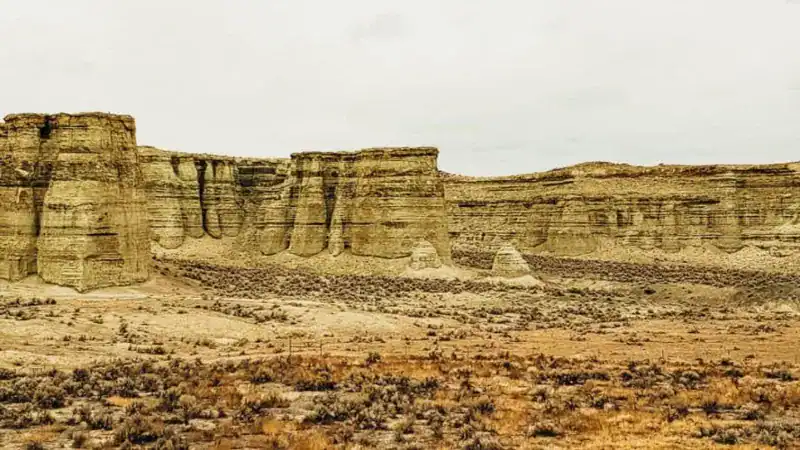
Rising dramatically from the sagebrush flats, these pale clay formations could easily be mistaken for ruins of an ancient civilization. Early settlers named them for their resemblance to classical Roman architecture – columns and facades weathered by millennia of wind and rain.
The golden hour before sunset bathes these natural monuments in warm light, creating a photographer’s dream landscape. Short scrambling paths lead to viewpoints where the formations stretch across the horizon.
Few roadside attractions offer such solitude – you might be the only visitors for hours. The stark beauty here represents everything magnificent about Oregon’s remote southeastern corner.
5. Leslie Gulch
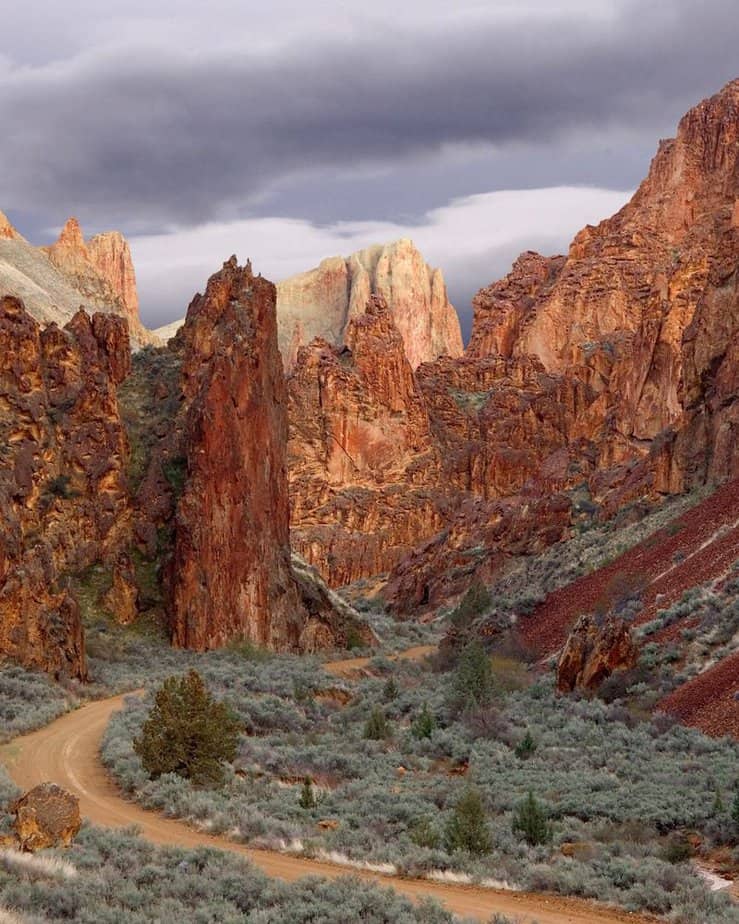
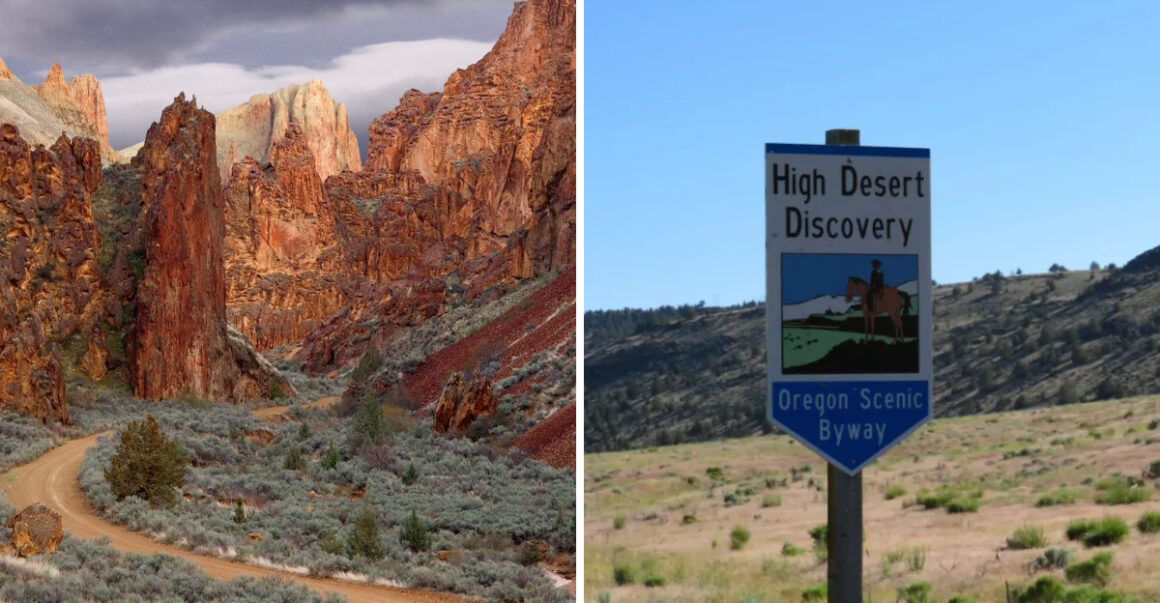
Honeycomb-patterned walls tower above this hidden canyon, their reddish-orange hues shifting with the moving sun. Created by volcanic ash that hardened and eroded over millions of years, Leslie Gulch feels like stepping into nature’s sculpture garden.
Bizarre rock spires called hoodoos stand like sentinels guarding the winding dirt road. The drive itself demands attention – steep drops and narrow passages require careful navigation, but reward you with increasingly spectacular views.
Wildlife spotters might glimpse bighorn sheep navigating seemingly impossible cliff faces with casual ease. The road eventually leads to Owyhee Reservoir, where clear waters reflect the surrounding stone towers.
6. Succor Creek State Natural Area
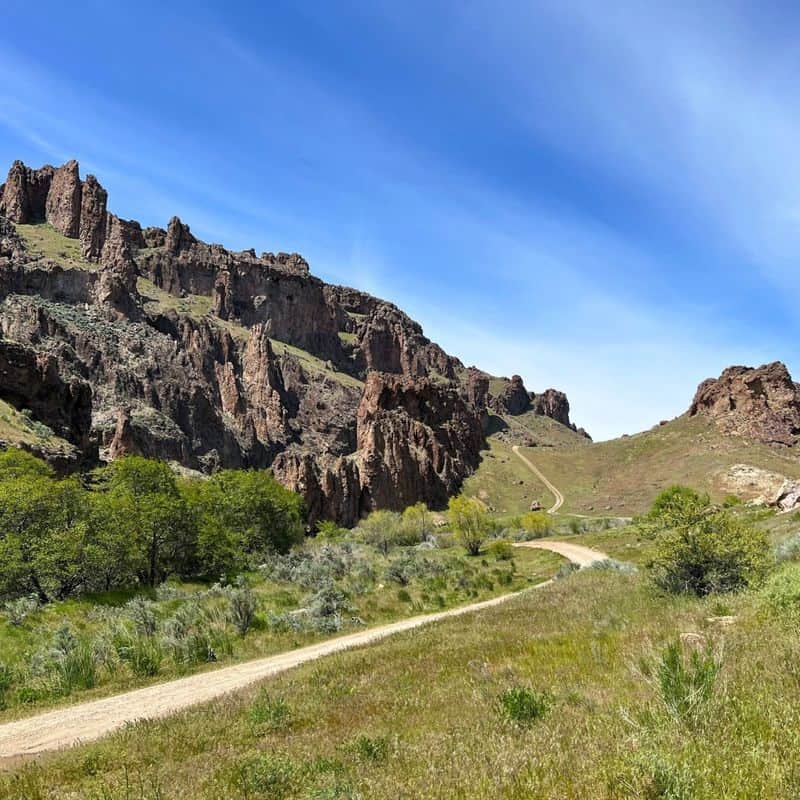
Water carved this verdant canyon through volcanic layers, creating a surprising green ribbon amid the dry landscape. Cottonwood trees cluster along the creek, offering welcome shade during hot desert afternoons. Rock enthusiasts search the hillsides for thunder eggs – Oregon’s state rock.
These unassuming spheres reveal spectacular crystal-lined chambers when cut open. The canyon walls showcase multicolored volcanic layers like pages in Earth’s geological storybook.
Spring visits reward travelers with wildflower displays that carpet portions of the canyon floor. The road through Succor Creek provides easy access to scenic turnouts where the dramatic contrast between lush creek bottom and rugged canyon walls creates perfect photo opportunities.
7. Diamond Craters Tour Route
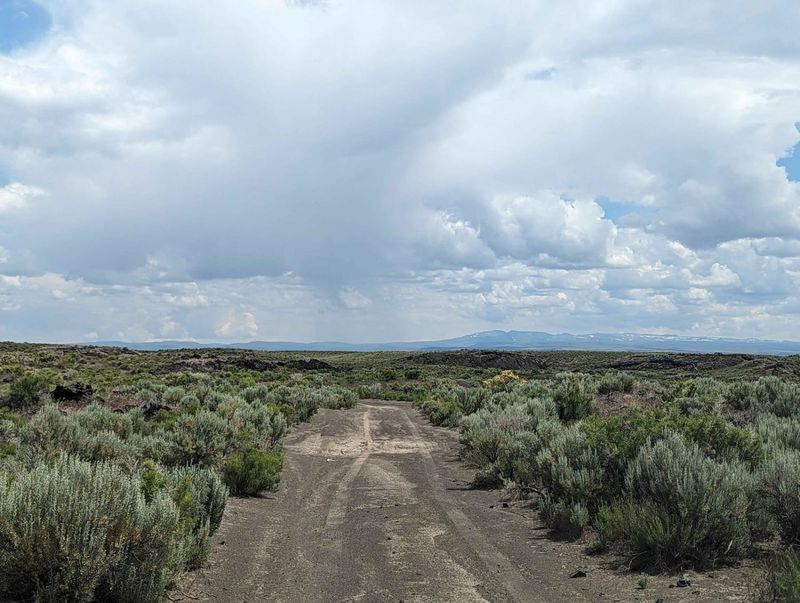
Ancient volcanic activity sculpted this otherworldly landscape of cinder cones, maars, and lava flows spread across 23 square miles. The self-guided tour route winds past features with descriptive names like Central Crater and Lava Pit Crater – each telling part of a 60,000-year-old geological story. Along the way, working ranches dot the horizon, where modern cowboys still drive cattle across volcanic plains.
The historic Pete French Round Barn stands as testament to human ingenuity in this harsh environment. Ngem Lake’s seasonal basin fills with shallow water after spring rains, creating reflective pools that mirror the sky. The entire route offers solitude rarely found in more famous volcanic parks.
8. High Desert Scenic Drives (Malheur & Owyhee Basin)
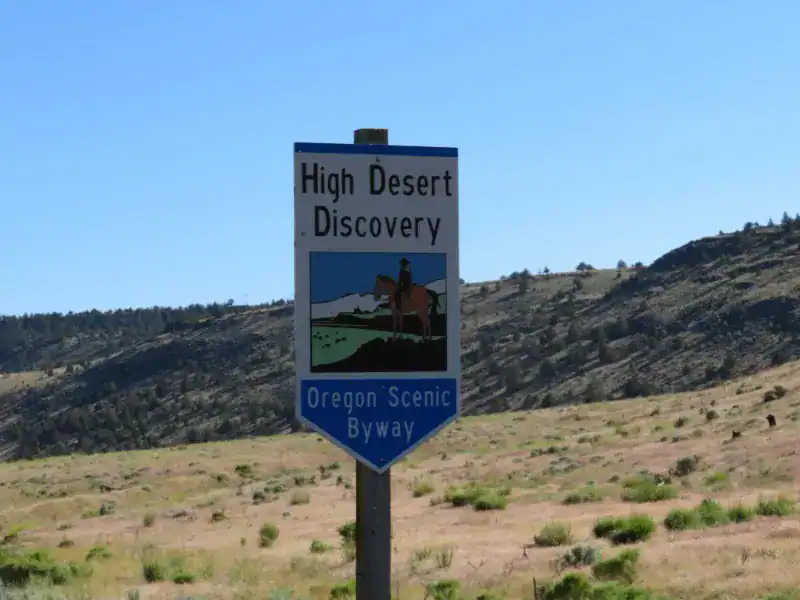
The High Desert Discovery Scenic Byway unfolds across some of America’s most spectacular emptiness. Pronghorn antelope bound effortlessly across sagebrush flats, sometimes racing alongside vehicles before veering back into the vast openness.
Harney Basin stretches to distant mountain ranges, creating an immense sky-dome effect that makes travelers feel wonderfully small. Steens Mountain rises dramatically on the eastern horizon – a massive fault block mountain with year-round snowfields visible from miles away. Catlow Valley’s ancient lakebed tells stories of prehistoric peoples who once fished these now-dry basins.
Each curve in the road reveals new perspectives on a landscape that remains gloriously untamed and refreshingly devoid of commercial development.