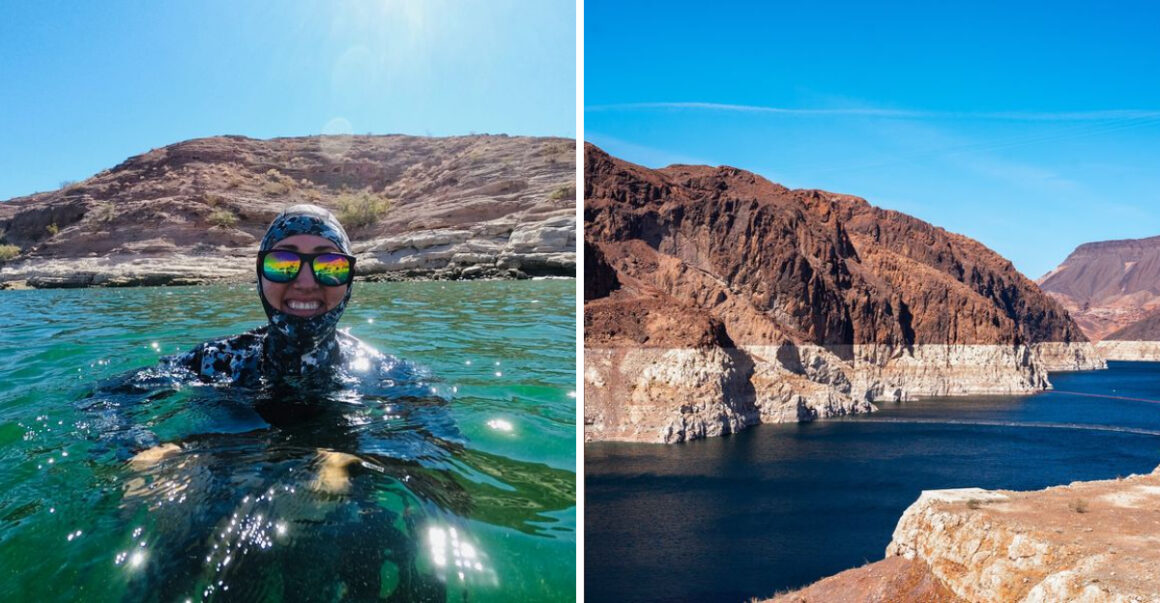
Lake Mead National Recreation Area isn’t just America’s first and largest national recreation area – it’s a desert paradise full of adventures beyond swimming. Spanning 1.5 million acres across Nevada and Arizona, this stunning landscape offers everything from historic tunnels to hidden canyons. Whether you’re a water lover, hiker, or wildlife enthusiast, Lake Mead delivers unforgettable experiences in the heart of the desert Southwest.
1. Cruise the Water by Kayak or Boat
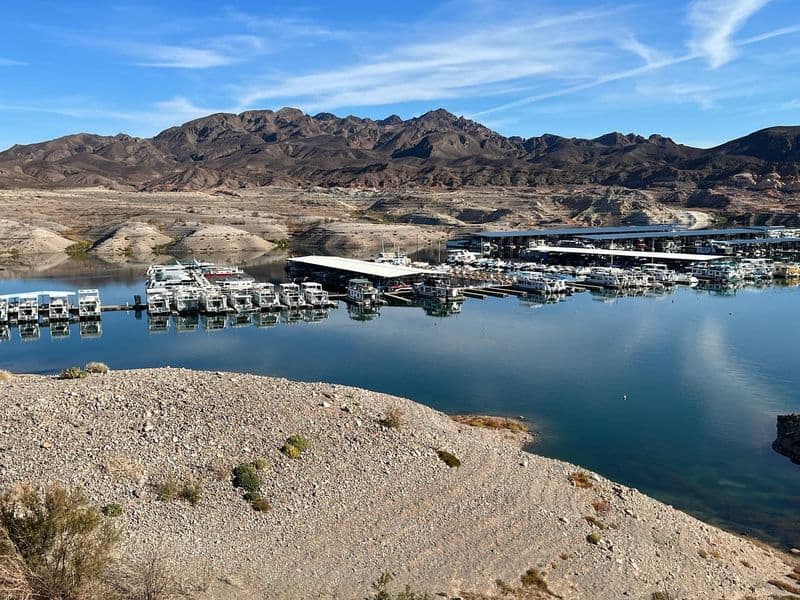
Gliding through Lake Mead’s crystal waters reveals a perspective of the desert you simply can’t get on land. The towering canyon walls create dramatic shadows on the water as you navigate through narrow passages that feel like nature’s secret corridors.
The Black Canyon Water Trail offers a paddler’s paradise with hot springs, caves, and wildlife sightings along the 12-mile route. For something more relaxed, powerboat rentals let you explore hidden coves and beaches inaccessible by road.
Morning trips provide the calmest water conditions and the magical experience of watching the rising sun paint the canyon walls with golden light.
2. Hike the Historic Railroad Trail
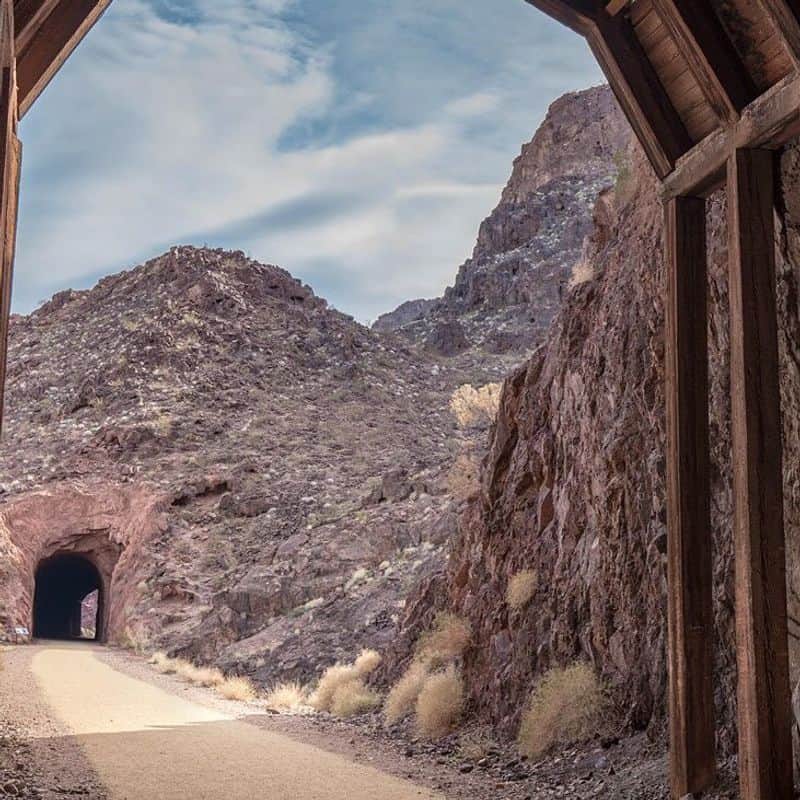
Carved into the rugged landscape, this 3.7-mile trail (one-way) follows the ghost of America’s industrial past. What once transported materials for the Hoover Dam’s construction now offers families and history buffs a window to the 1930s.
The five massive tunnels bored through solid rock create perfect photo opportunities, while the elevated pathway provides sweeping panoramas of Boulder Basin. Desert bighorn sheep often appear on the rocky slopes above, so keep cameras ready!
Unlike many desert hikes, this mostly flat trail includes shaded rest areas and interpretive signs explaining how this engineering marvel helped build one of America’s most iconic dams.
3. Take a Dip in the Clear Blue Waters
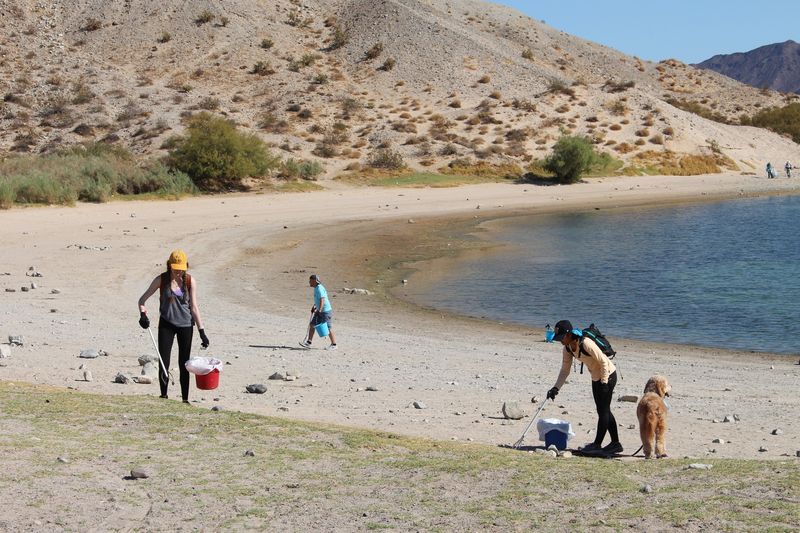
Nothing beats the shock of cool blue water against sun-warmed skin after a hot desert day. Boulder Beach welcomes swimmers with its gentle slope into the lake and nearby picnic facilities perfect for family outings.
For a more secluded experience, Willow Beach offers crystal-clear waters downstream from Hoover Dam where the Colorado River runs cool year-round. The contrast between the refreshing water and the stark desert landscape creates an almost surreal swimming experience.
Early summer mornings provide the most comfortable swimming conditions before the desert heat intensifies. Remember that most beaches don’t have lifeguards, so personal flotation devices are recommended, especially for children.
4. Tour the Iconic Hoover Dam
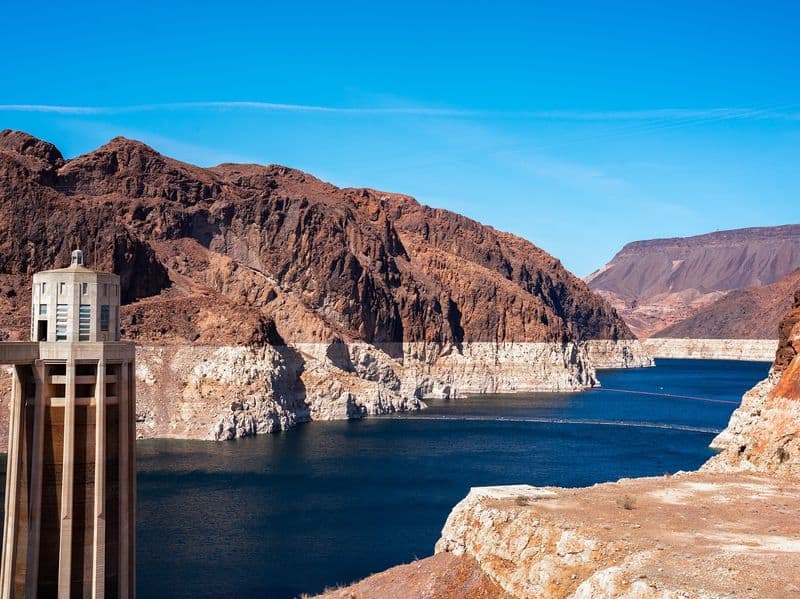
Standing atop this concrete colossus, you’ll feel dwarfed by both human ingenuity and the power of the Colorado River. Built during the Great Depression, this 726-foot-tall structure forever changed the American Southwest by controlling floods and generating electricity for millions.
The dam’s art deco details surprise many visitors – look for the terrazzo floors, elegant bronze fixtures, and Native American-inspired designs throughout. Inside tours reveal the massive generators humming with energy as they convert falling water into electricity.
Fun fact: The concrete in Hoover Dam could build a two-lane highway from San Francisco to New York. Visit early morning to avoid crowds and catch the dramatic play of light across the canyon walls.
5. Camp Under the Stars
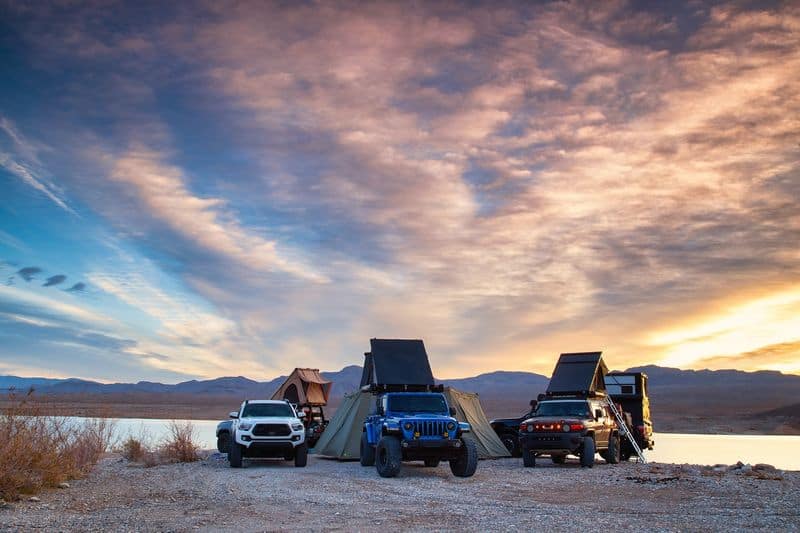
As daylight fades, Lake Mead transforms into one of the Southwest’s premier stargazing destinations. The Milky Way stretches across the sky like a celestial highway, unobstructed by city lights and framed by jagged mountain silhouettes.
Boulder Beach Campground offers lakeside sites where the gentle lapping of water creates a soothing soundtrack for astronomical observations. For the more adventurous, backcountry camping in the Temple Bar area provides almost complete solitude under some of the darkest skies in the region.
Summer visitors might catch the Perseid meteor shower in August, when shooting stars streak across the night sky at rates of up to 100 per hour. The desert air keeps most nights clear for optimal viewing.
6. Go Scuba Diving or Snorkeling
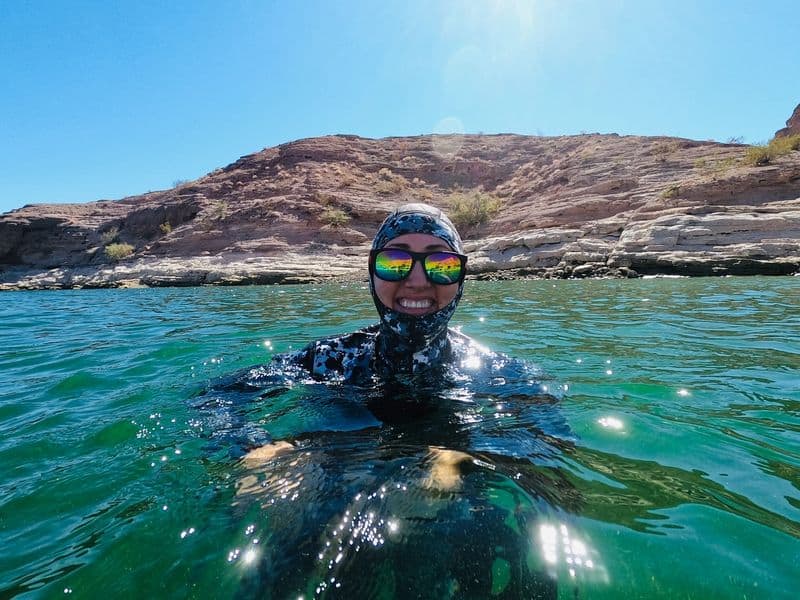
Beneath Lake Mead’s surface lies an underwater museum of American history most desert visitors never imagine. Schools of striped bass dart between submerged cacti while catfish patrol the ghostly remains of St. Thomas – a Mormon settlement drowned when the reservoir filled.
Advanced divers with special permits can explore the B-29 Superfortress bomber that crashed in 1948, now resting 115 feet below the surface. The crystal-clear waters offer visibility up to 30 feet, revealing colorful rock formations and unexpected marine life.
For beginners, Kingman Wash provides shallow entry points perfect for snorkeling along rocky shorelines where bluegill and green sunfish create underwater activity. Summer brings water temperatures up to 80°F – surprisingly comfortable for extended exploration.
7. Watch Wildlife in the Mojave Desert
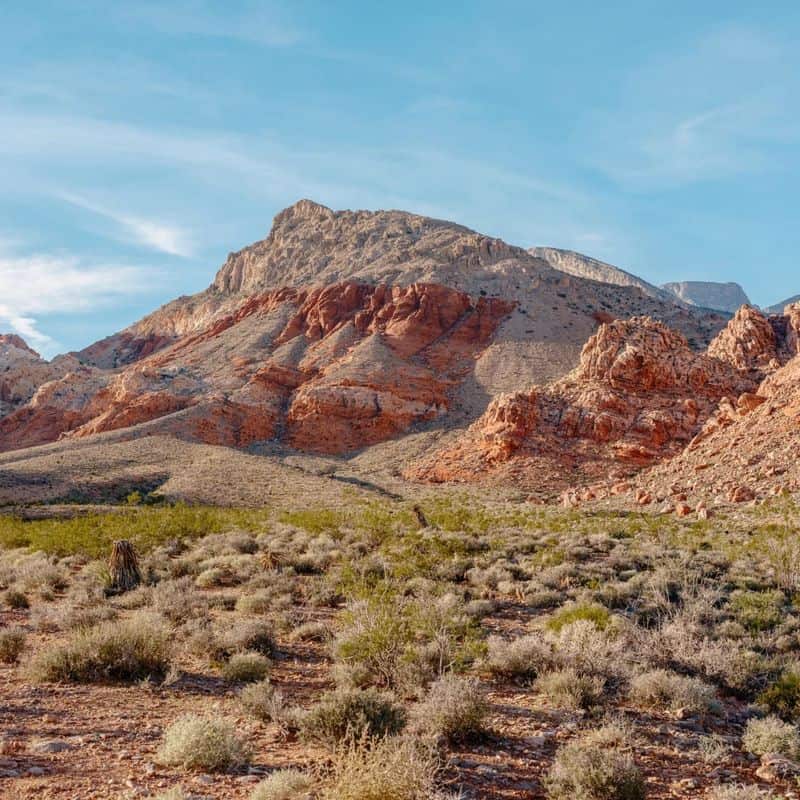
Dawn breaks over Lake Mead with a symphony of desert life. Desert bighorn sheep navigate seemingly impossible cliff faces with gravity-defying grace, their curved horns silhouetted against the rising sun.
Patient observers might spot the ancient desert tortoise, a species that’s roamed these lands for millions of years, slowly traversing the landscape between creosote bushes. The skies hold their own treasures – golden eagles soar on thermal updrafts while peregrine falcons dive at speeds exceeding 200 mph.
Rodgers Spring offers one of the best wildlife viewing opportunities, where the rare desert oasis attracts everything from jackrabbits to coyotes. Bring binoculars and visit during the cooler morning hours when animals are most active.
8. Drive the Northshore Scenic Route
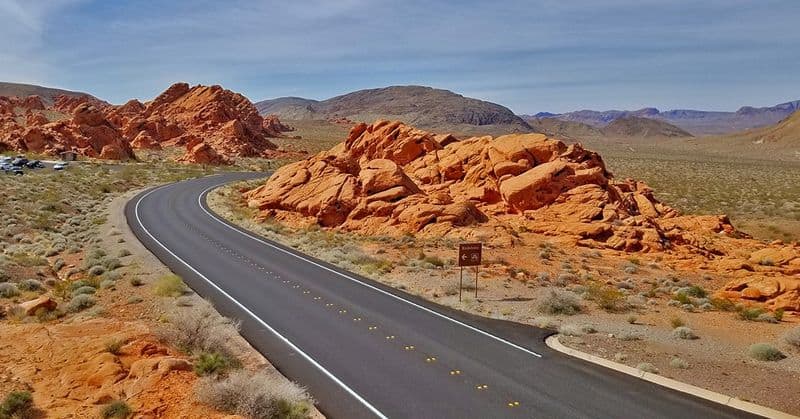
The asphalt ribbon of Northshore Road cuts through a geological wonderland that looks more like Mars than Earth. Red sandstone formations twist into impossible shapes at Bowl of Fire, where ancient rocks glow crimson against the deep blue sky.
Each turnout reveals a different postcard-worthy vista – limestone cliffs plunging into azure waters, distant mountains shimmering in the desert heat, and Joshua trees standing like sentinels across the landscape. The Echo Bay area offers particularly stunning contrasts between water and desert.
Rogers Spring makes a perfect midway stop, where 72-degree water bubbles from the ground year-round, creating a surprising palm oasis. The 50-mile route can be driven in a couple of hours, but plan a full day to truly appreciate its splendor.