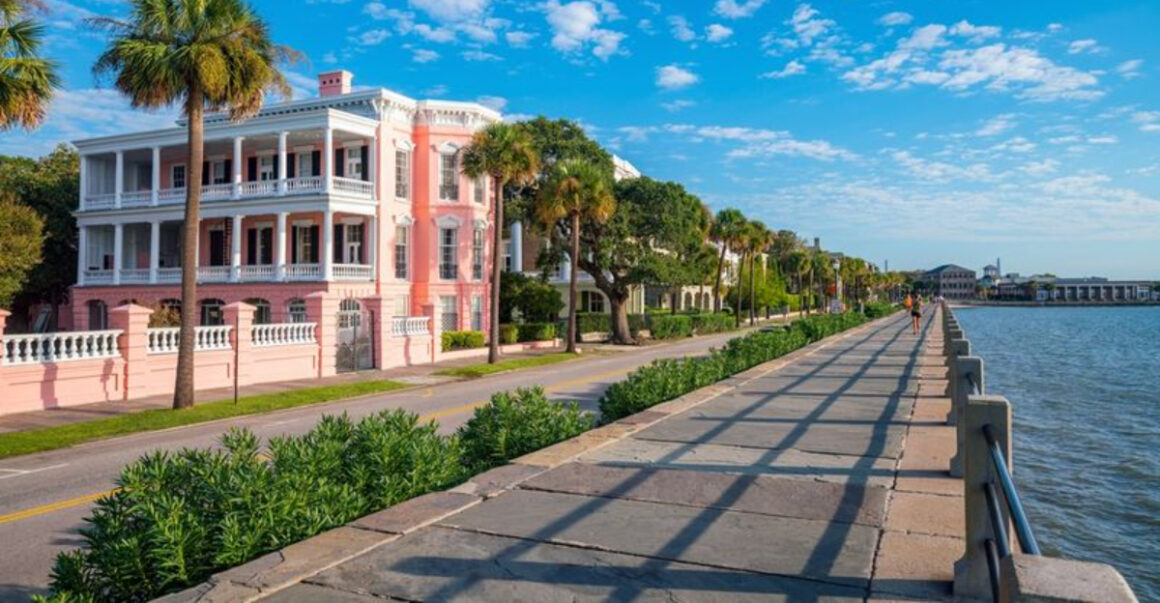
Charleston’s cobblestone streets and antebellum mansions tell stories that span centuries. Walking through the city’s historic neighborhoods feels like stepping back in time, where each district offers its own unique character and fascinating past. From grand plantation homes to charming cottage-lined streets, every corner reveals another piece of America’s colonial and Civil War history. Ready to discover the most captivating neighborhoods that make Charleston one of the South’s most beloved destinations?
1. Ansonborough
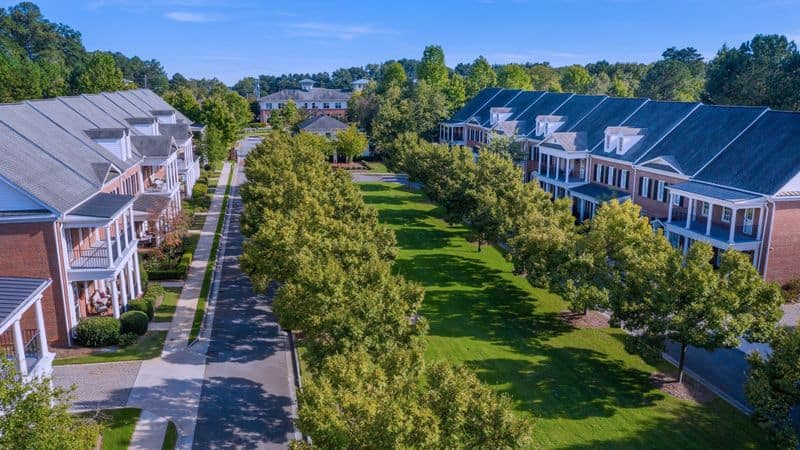
Rainbow Row’s famous pastel houses create one of America’s most photographed streetscapes in this charming waterfront district. Originally built as merchant homes in the 1700s, these colorful Georgian row houses survived hurricanes, earthquakes, and wars to become Charleston’s most iconic sight.
Strolling down East Bay Street reveals not just pretty facades but incredible stories of resilience. Many buildings here once served as both homes and businesses for Charleston’s early traders. The neighborhood sits perfectly between the Cooper River and the bustling French Quarter, making it an ideal starting point for any historic walking tour through the Holy City.
2. French Quarter
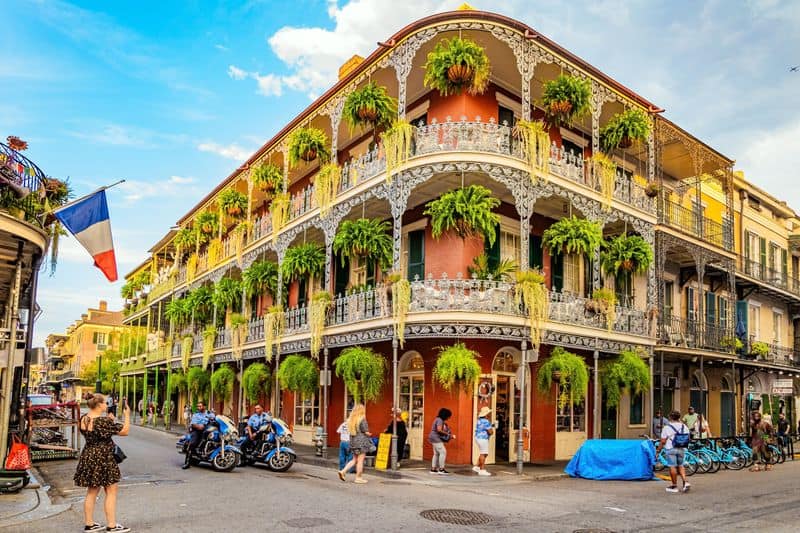
Narrow alleyways and hidden courtyards make exploring this neighborhood feel like a treasure hunt through Charleston’s colonial past. Despite its name, the area actually showcases more English and Caribbean architectural influences than French ones, with stunning examples of single houses and Charleston doubles lining every street.
Art galleries, antique shops, and cozy cafes now occupy many of the historic buildings that once housed merchants and craftsmen. The famous Dock Street Theatre, America’s first building designed specifically for theatrical performances, anchors the district. Every wrought-iron gate and weathered brick wall whispers tales of pirates, patriots, and plantation owners who once called these streets home.
3. Wagener Terrace
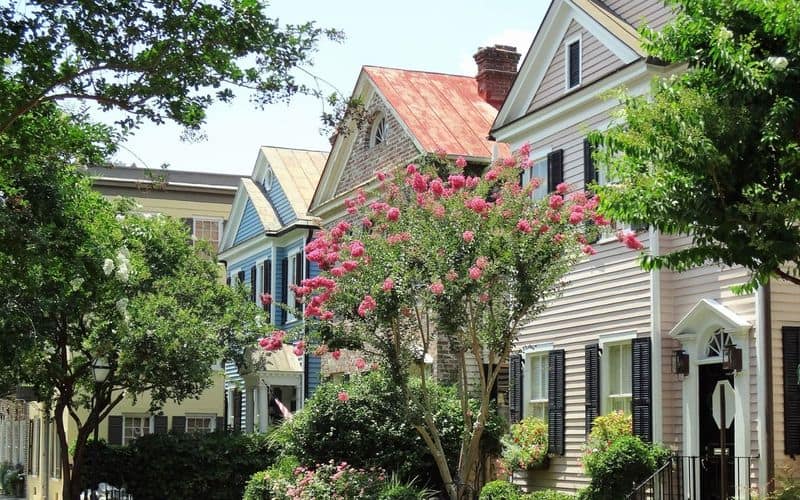
Bungalows and craftsman-style homes create a completely different vibe from Charleston’s typical antebellum architecture in this early 20th-century neighborhood. Built primarily between 1900 and 1930, the area represents Charleston’s expansion beyond its colonial boundaries as the city modernized and grew.
Tree-lined streets and front porches give Wagener Terrace a cozy, residential feel that locals absolutely love. The neighborhood sits conveniently close to Hampton Park, where families gather for festivals and outdoor concerts throughout the year. Many of the homes feature unique architectural details like decorative brackets, bay windows, and distinctive rooflines that showcase the craftsmanship of Charleston’s skilled builders during the Progressive Era.
4. Harleston Village
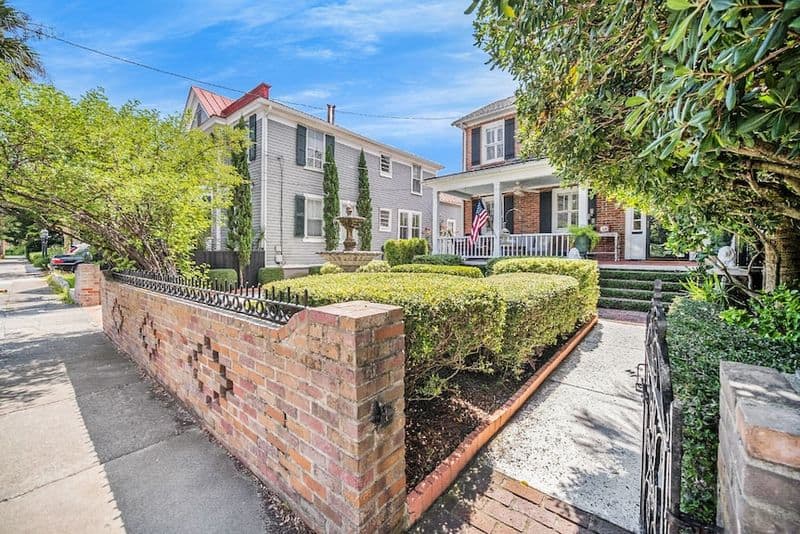
College students and historic preservationists share sidewalks in this vibrant neighborhood that perfectly blends academic energy with antebellum elegance. Home to the College of Charleston campus, the area buzzes with youthful activity while maintaining its 19th-century architectural integrity through carefully preserved mansions and townhouses.
King Street’s southern end runs right through the heart of Harleston Village, offering fantastic shopping and dining opportunities. The Calhoun Mansion, one of Charleston’s largest private residences, showcases the neighborhood’s grand past with its elaborate Victorian details. Students rushing to class pass by the same wrought-iron fences and garden gates that have witnessed nearly two centuries of Charleston history.
5. South of Broad
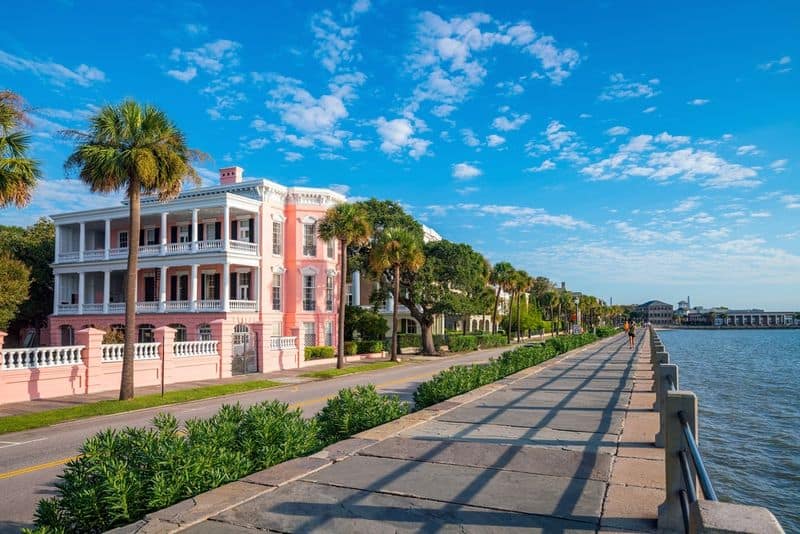
Million-dollar mansions and manicured gardens make this peninsula tip Charleston’s most exclusive and historically significant residential area. Broad Street serves as the unofficial divider between regular Charleston charm and absolute architectural magnificence, where every home seems to compete for the title of most stunning.
The Battery promenade offers breathtaking harbor views and showcases some of America’s finest examples of antebellum architecture. Rainbow Row may get more photographs, but South of Broad holds the real treasures – massive Greek Revival mansions, perfectly preserved Federal-style homes, and secret gardens hidden behind ancient walls. Walking these streets feels like touring an outdoor museum of American wealth and taste from the 1800s.
6. Cannonborough-Elliotborough
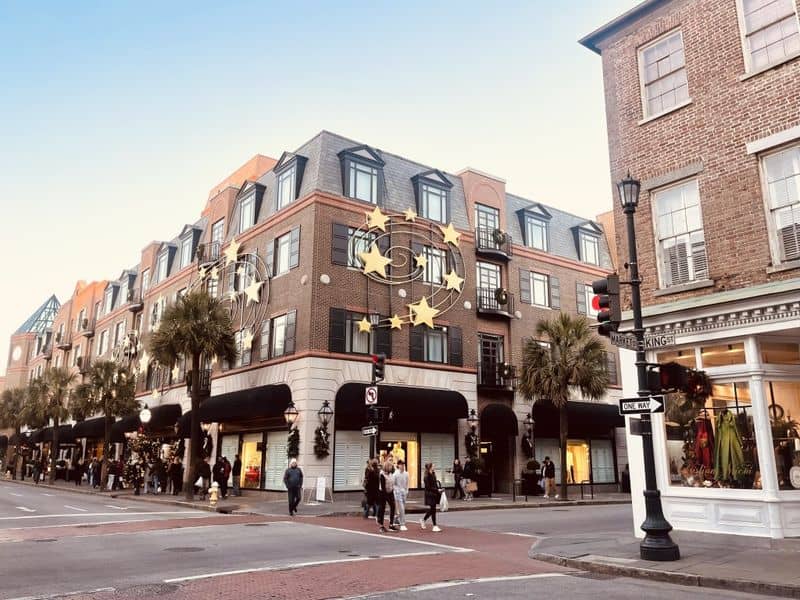
Gentrification meets preservation in this rapidly changing neighborhood where young professionals are breathing new life into historic shotgun houses and corner stores. Originally developed as working-class housing in the late 1800s, the area now attracts buyers seeking authentic Charleston character at more affordable prices than downtown’s premier districts.
Local restaurants and craft breweries have transformed formerly quiet residential blocks into dining destinations. The neighborhood’s grid pattern streets and modest-sized lots create an intimate, walkable community feel that many residents prefer over tourist-heavy areas. Despite ongoing changes, many original families remain, creating an interesting blend of old Charleston traditions and new urban energy that defines modern Southern city living.
7. East Side
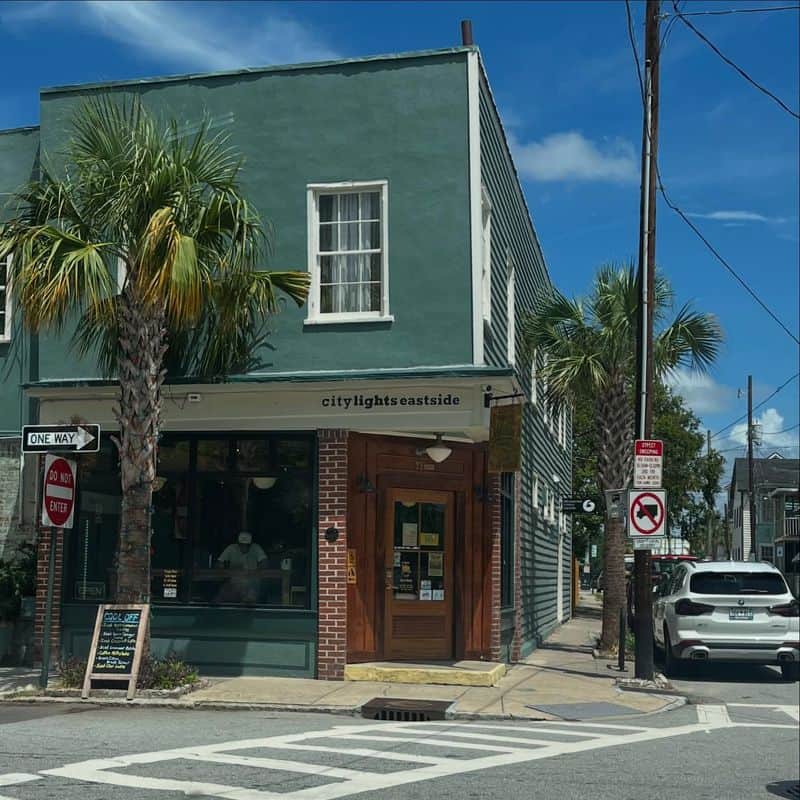
Authentic Charleston culture thrives in this predominantly African-American neighborhood where Gullah traditions and local history remain vibrant parts of daily life. Away from tourist crowds, the East Side offers visitors a chance to experience the real Charleston through community centers, local eateries, and historic sites that tell important stories often overlooked in other districts.
McLeod Plantation and other significant historical sites help visitors understand Charleston’s complex past, including the experiences of enslaved people and their descendants. Small businesses, family-owned restaurants, and community gardens reflect the neighborhood’s strong sense of identity and resilience. The area provides crucial context for understanding Charleston’s complete history, not just the polished version presented in more touristy locations.
8. Radcliffeborough
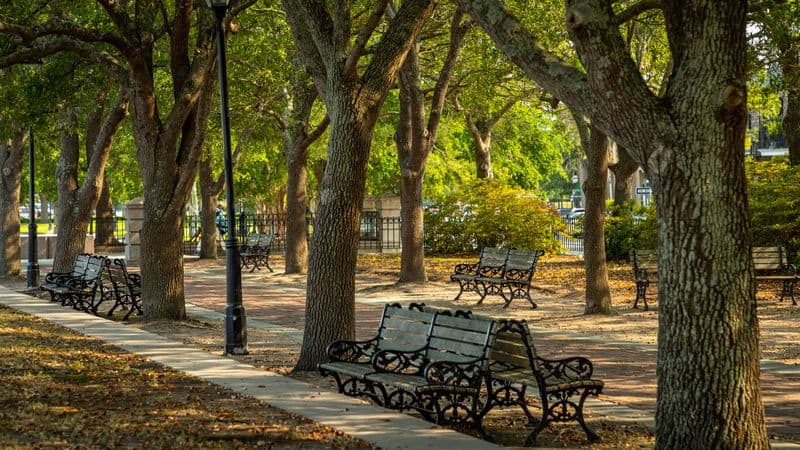
Victorian cottages and corner groceries give this neighborhood an authentic, lived-in feeling that longtime Charleston residents cherish. Developed in the late 1800s as a streetcar suburb, Radcliffeborough retains much of its original working-class character while slowly attracting newcomers drawn to its affordable housing and central location.
The area sits conveniently between downtown Charleston and the medical district, making it popular with hospital workers and young families. Many homes feature the distinctive Charleston single house design adapted for smaller lots, creating cozy front porches and side gardens. Local churches, small parks, and family-owned businesses maintain the neighborhood’s tight-knit community atmosphere where neighbors still know each other’s names and watch out for one another.