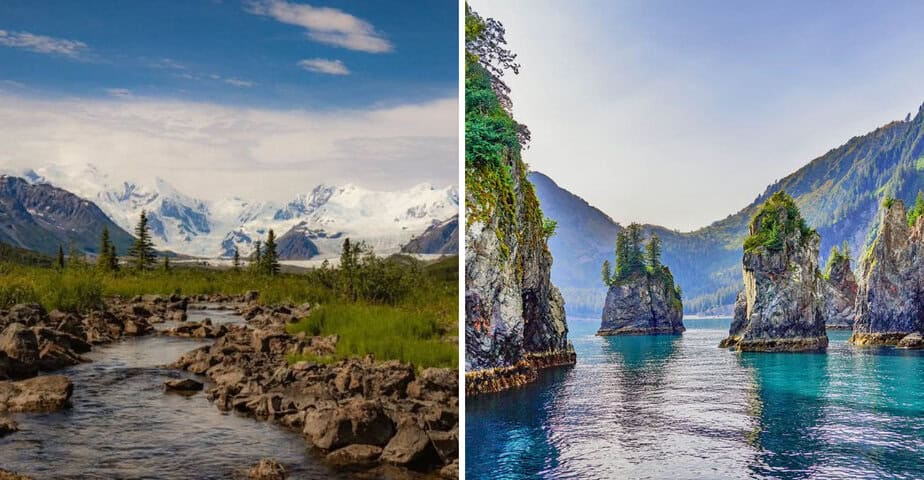
Alaska’s national parks showcase nature at its wildest and most magnificent. From towering mountains to massive glaciers, these protected wilderness areas offer experiences you simply can’t find anywhere else in America. Whether you’re watching grizzlies catch salmon or hiking across ancient ice fields, these eight parks will forever change how you think about the great outdoors.
1. Denali National Park & Preserve
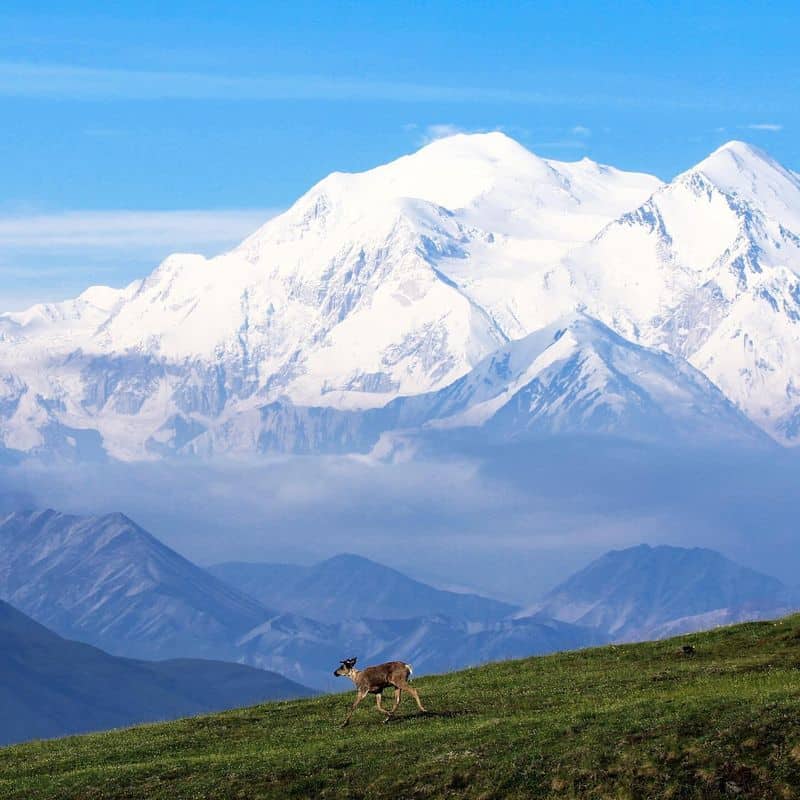
Standing tall as the crown jewel of Alaska’s park system, Denali protects six million acres of wild land centered around North America’s highest peak. The mountain itself rises 20,310 feet above sea level, creating its own weather systems and dominating the horizon for hundreds of miles.
Wildlife spotting here feels like stepping into a nature documentary. Grizzly bears lumber across valleys while wolves hunt in packs and moose wade through marshy ponds. The park’s single road stretches 92 miles into this wilderness, with shuttle buses offering your best chance to spot animals.
Summer visitors enjoy hiking on maintained trails near the entrance or striking out cross-country in the trackless backcountry—an experience in true wilderness few other parks can match.
2. Kenai Fjords National Park
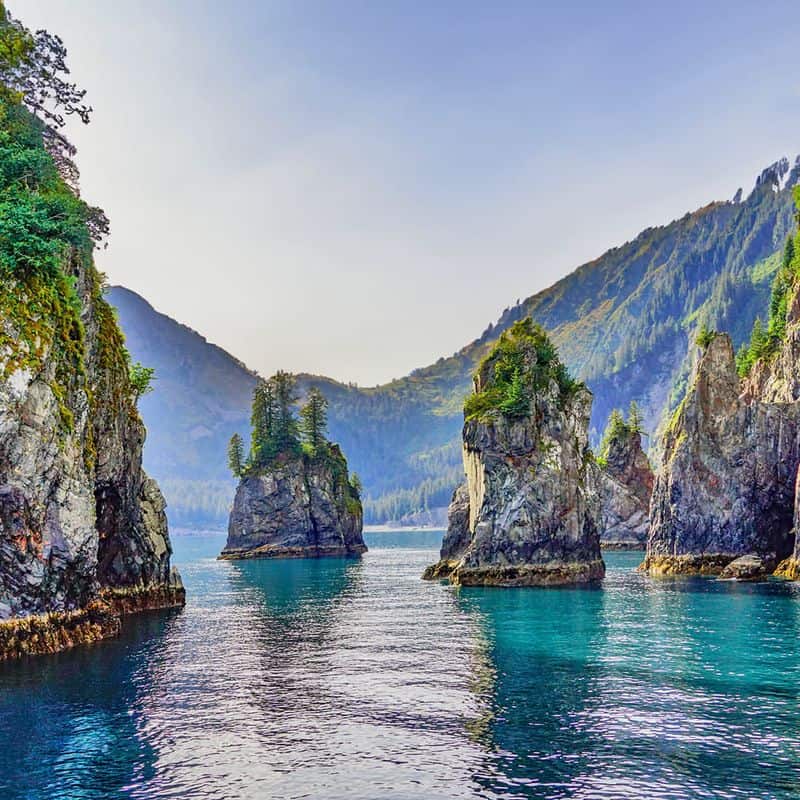
Where mountains, ice and ocean meet, Kenai Fjords showcases Alaska’s dramatic coastal environment. Nearly 40 glaciers flow from the massive Harding Icefield, creating a constantly changing landscape as these rivers of ice carve their way to the sea.
The marine ecosystem here teems with life. Orcas and humpback whales breach the surface while sea otters float on their backs, cracking open shellfish. Harbor seals and stellar sea lions haul out on rocky outcrops, watching visitors with curious eyes.
Boat tours from Seward provide the classic park experience, allowing you to witness calving glaciers—massive chunks of ice thunderously crashing into the ocean. The sound alone will stay with you forever.
3. Glacier Bay National Park
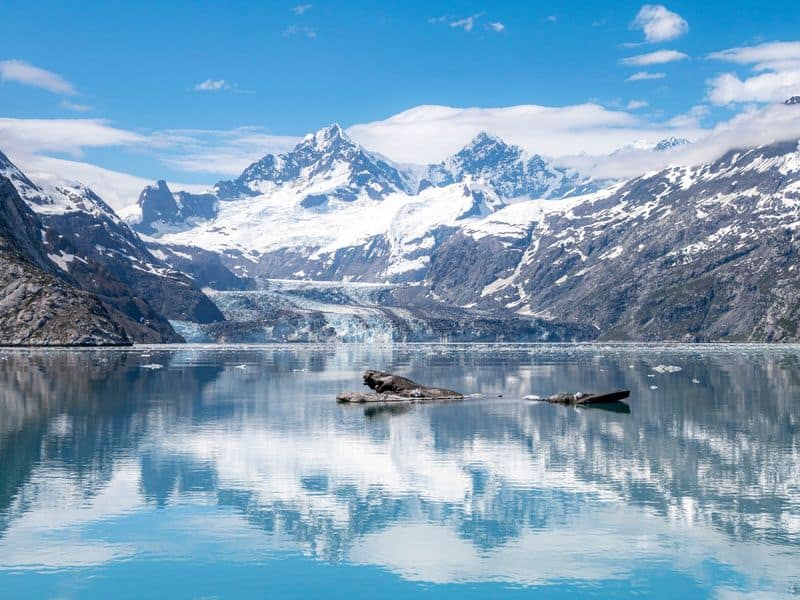
Accessible only by boat or plane, Glacier Bay offers a remote marine wilderness that feels like traveling back in time. Just 250 years ago, this entire bay was buried under a single massive glacier—today, it’s a 65-mile-long fjord where tidewater glaciers still thunder into the sea.
The park’s isolation creates extraordinary wildlife viewing opportunities. Humpback whales breach and bubble-net feed, while brown bears patrol beaches and mountain goats navigate impossibly steep cliffs. Bald eagles soar overhead, scanning for salmon in crystal-clear waters.
Most visitors experience Glacier Bay aboard cruise ships or day boats from Gustavus. Lucky travelers might witness the thunderous spectacle of glacier calving—when house-sized chunks of ancient ice crash into the water below.
4. Wrangell–St. Elias National Park & Preserve
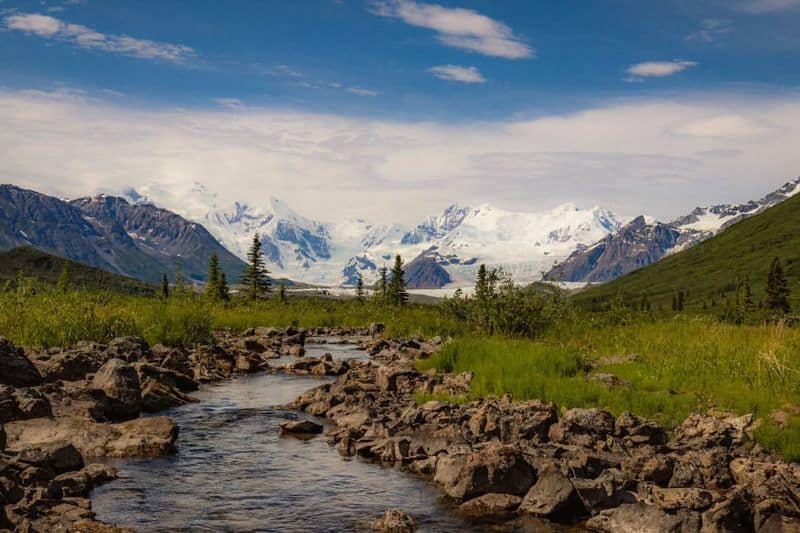
America’s largest national park sprawls across 13.2 million acres—larger than Switzerland! Wrangell-St. Elias contains four major mountain ranges, hundreds of glaciers, and nine of the sixteen highest peaks in the United States.
The park’s human history runs as deep as its natural wonders. Abandoned copper mining towns like Kennecott tell stories of frontier ambition, while living Native Alaskan communities maintain traditional subsistence lifestyles. The McCarthy Road, a rough 60-mile dirt track built atop an old railway bed, provides the main access route.
Adventurous visitors can take guided glacier hikes, raft wild rivers, or explore mining ruins. The lucky few who venture into its deepest reaches find themselves in one of the most pristine wilderness areas left on Earth.
5. Katmai National Park & Preserve
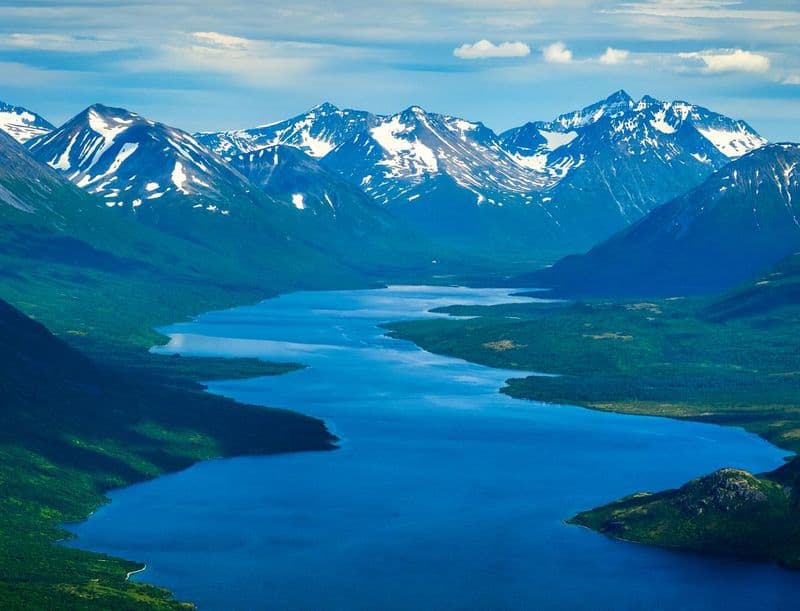
Famous worldwide for its brown bears catching salmon at Brooks Falls, Katmai offers wildlife viewing that borders on magical. During summer months, dozens of massive bears gather to feast on migrating salmon, sometimes standing shoulder to shoulder as fish leap into their waiting jaws.
The landscape itself tells an explosive story. The park was created after the 1912 eruption of Novarupta, which created the Valley of Ten Thousand Smokes—a stunning ash-filled valley where steam once poured from countless vents. Today, visitors can take guided tours across this otherworldly terrain.
While most visitors come for bear viewing, Katmai also offers world-class fishing, kayaking, and backcountry hiking. Just remember that in this park, humans are merely guests in bear country.
6. Lake Clark National Park & Preserve
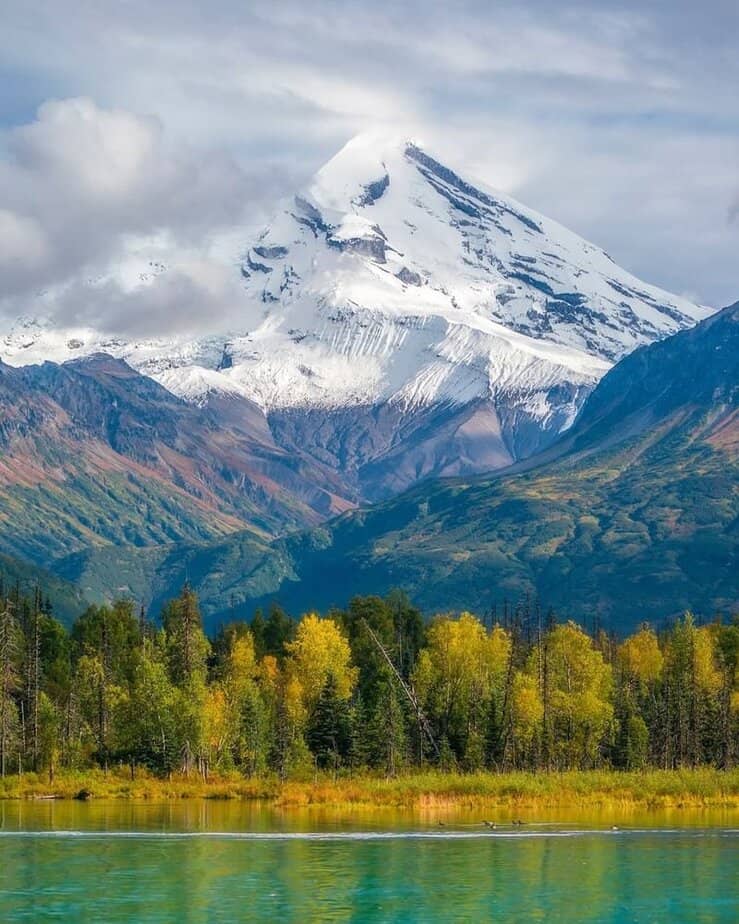
Raw wilderness greets visitors to Lake Clark, where turquoise lakes reflect snow-capped volcanoes in perfect symmetry. Unlike some Alaskan parks, Lake Clark combines coastal rainforest, alpine tundra, glaciers, and salmon-filled rivers in one relatively compact area.
Bear viewing rivals Katmai but with smaller crowds. Coastal meadows fill with grizzlies during summer salmon runs, allowing photographers to capture incredible close-range images from safe viewing platforms. The park’s namesake lake stretches 42 miles through a stunning mountain valley.
Fly-in fishing lodges offer access to some of Alaska’s most productive waters, where rainbow trout and five species of salmon draw anglers from around the world. For true solitude seekers, backcountry camping among untouched mountains provides an experience of Alaska few ever know.
7. Gates of the Arctic National Park & Preserve
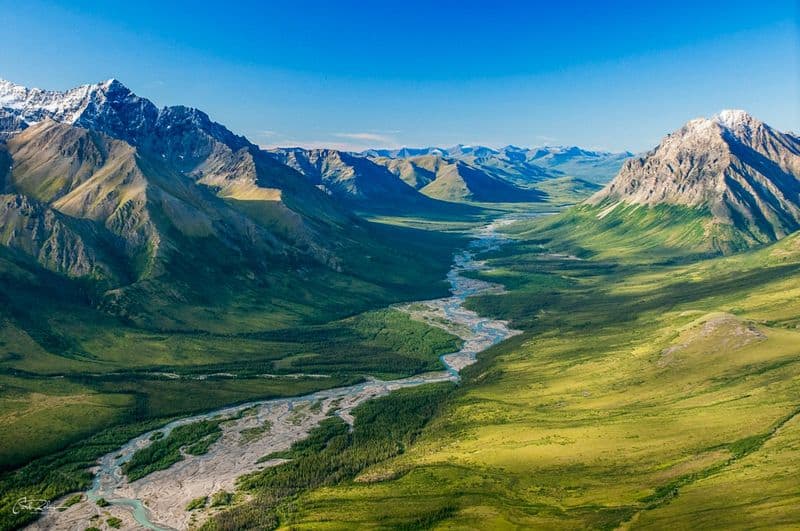
America’s northernmost national park remains one of its least visited—and that’s exactly its appeal. Gates of the Arctic has no roads, no trails, and no infrastructure whatsoever. It is pure, untamed wilderness on a scale that’s difficult to comprehend.
The Brooks Range creates a rugged spine through the park, with peaks that resemble massive stone gates (hence the name). Arctic rivers cut through valleys where caribou migrate by the thousands and wolves follow in their wake. Summers bring endless daylight under the midnight sun.
Visitors must fly in by bush plane or hike in from the Dalton Highway. Those who make the journey find themselves in a landscape that has remained essentially unchanged since the last ice age—a profound experience of true wilderness increasingly rare in today’s world.
8. Kobuk Valley National Park
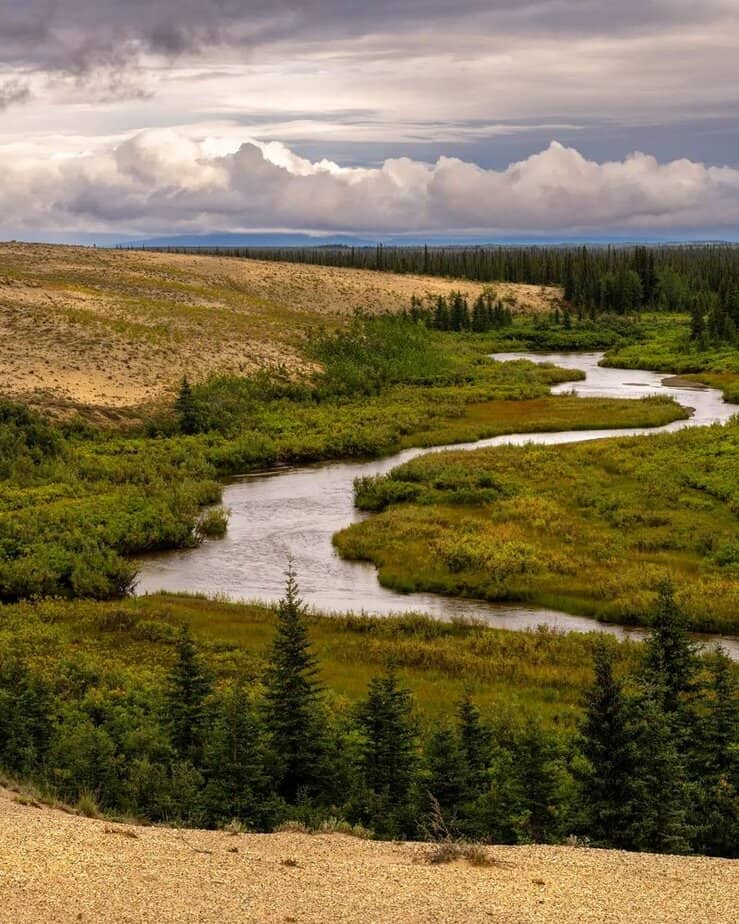
Perhaps Alaska’s most surprising landscape awaits in Kobuk Valley, where massive sand dunes rise from the Arctic tundra. These Great Kobuk Sand Dunes cover 25 square miles and reach heights of 100 feet—creating a surreal Sahara-like desert above the Arctic Circle.
Half a million caribou migrate through the park twice yearly, their hooves leaving trails across the ancient dunes. The Kobuk River winds through boreal forest, providing a critical salmon highway and transportation route for local indigenous communities who still practice traditional subsistence hunting.
Only about 15,000 people have visited since its establishment in 1980, making it America’s least visited national park. Those who make the journey by bush plane find themselves in a landscape that defies all expectations of what Arctic Alaska should look like.