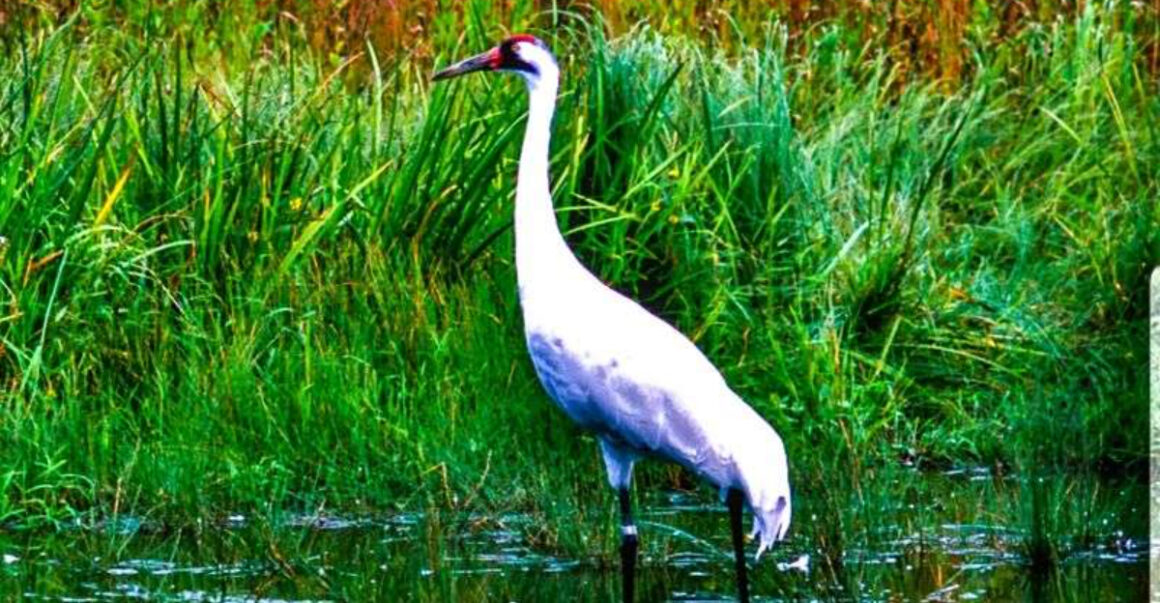
If seeing wild whooping cranes is on your bucket list, February in Texas is your moment. Cooler mornings, low tides, and calm bays make sightings more reliable before these rare birds migrate north. With a little planning and patience, you can watch them feed, preen, and call across sparkling coastal flats.
Here is exactly where to go and what to expect so you make the most of every winter hour.
1. Aransas National Wildlife Refuge (Rockport area)
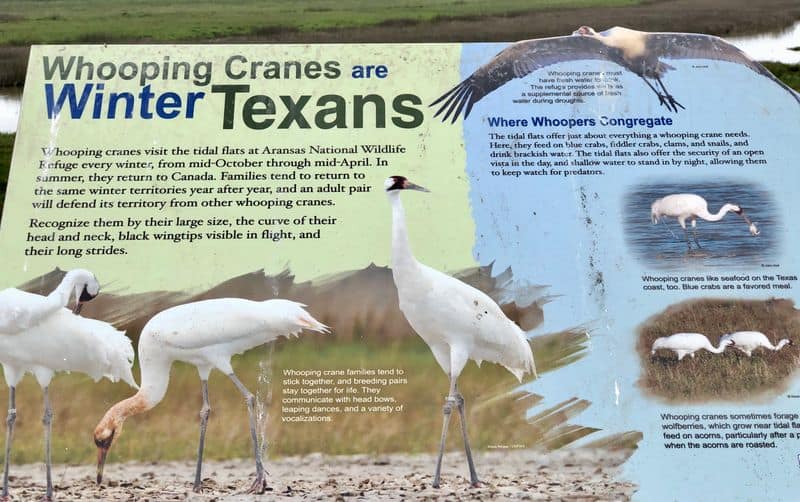
Morning light on the bayside marsh is when you are most likely to catch elegant white shapes stepping through cordgrass. Listen for soft bugling and watch for dark wing tips when they lift off. Staying put with binoculars beats wandering, since birds often cycle between feeding, loafing, and roosting nearby.
Bring layers for chill breezes and plan extra time for the auto tour loop and boardwalk overlooks. Blue crabs and wolfberries drive their movements, so low tide can be golden. If you book a guided boat trip from Rockport, you often glide close enough for stunning views while keeping respectful distance.
2. Goose Island State Park

Shorelines along the bay can suddenly reveal a white silhouette stalking baitfish and crabs. Scan tidal flats near oyster reefs and look beyond the fishing piers where the water is glassy. On still days you might hear soft calls drifting across the shallows before you even find the birds.
Pack a scope or steady binoculars and walk slowly to avoid flushing anything. If you are camping, first light and last light are your windows. Between crane scans, enjoy winter ducks and loons.
Watch for flyovers heading toward refuge feeding territories, especially when north winds ease and the tide drops.
3. Port Aransas & Mustang Island
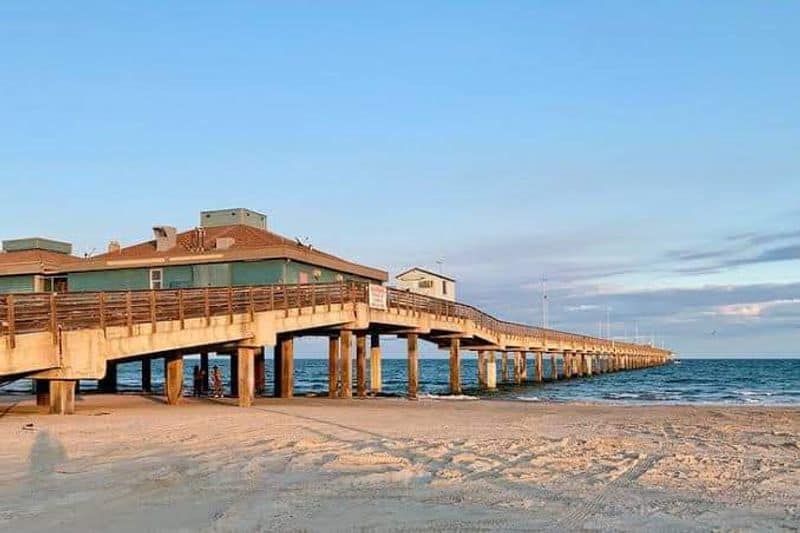
Ferries and harbor boat tours can double as wildlife safaris if you keep optics handy. Scan spartina edges on the bay side where calm pockets shelter crabs. Guides often know recent territories, so ask where birds have been feeding that week and set expectations for distance and light.
Between crane checks, dolphins, pelicans, and terns keep the ride lively. Dress for spray and wind, then brace for quick ID moments as birds lift and settle. Late afternoon can glow with warm reflections.
If seas are rough, pick a protected route across channels and keep your camera ready for sudden flybys.
4. San Jose Island
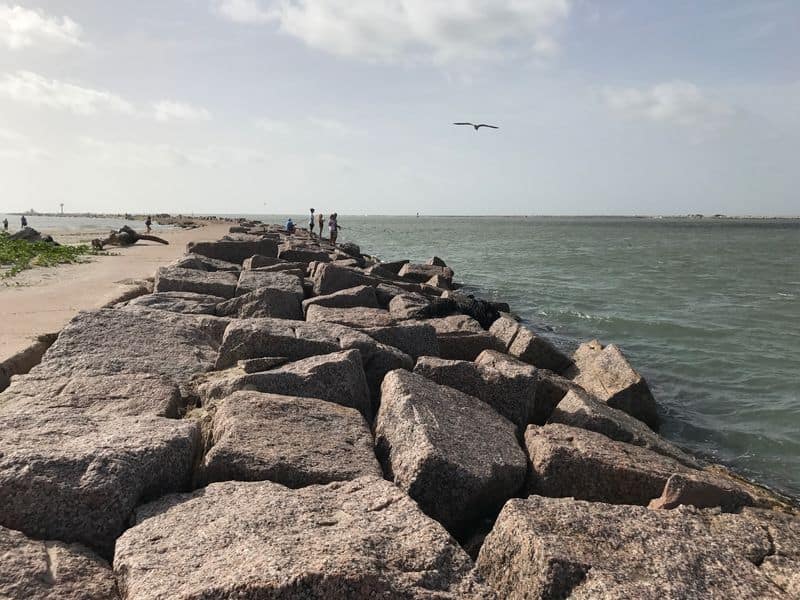
Quiet water and minimal crowds make this barrier island feel like your private sanctuary. Reaching it typically involves a boat ride, which narrows traffic and preserves skittish birds. Once there, glass the far edges of lagoons where white bodies contrast against olive marsh and wary heads scan for danger.
Patience is everything here. Settle in, minimize noise, and wait for cranes to step into view as the tide turns. Binoculars are essential, a spotting scope is better.
Boat operators can anchor at respectful distances, letting you observe feeding behavior without pressure while other winter shorebirds and herons share the flats.
5. Copano Bay
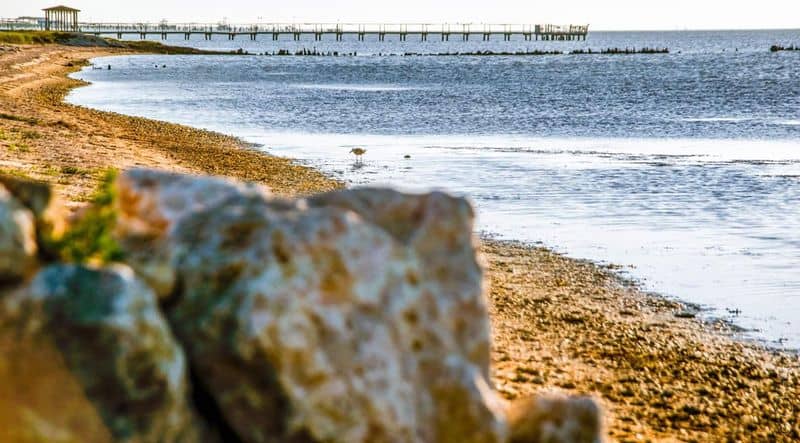
Cold February mornings can turn this bay into a mirror where every crane reflection pops. Drive shoreline pullouts and scan coves with a scope. Blue crab activity shapes movement, so falling tides can bring birds closer to accessible edges without disturbing them.
Local fishing piers and neighborhood overlooks sometimes offer surprising views. Keep a respectful distance from private property and let optics do the work. Northerly breezes can push birds to leeward flats, concentrating your search.
Stick with it after sunrise, because feeding often picks up again mid morning when the light softens and boat traffic stays low.
6. Matagorda Island Wildlife Management Area
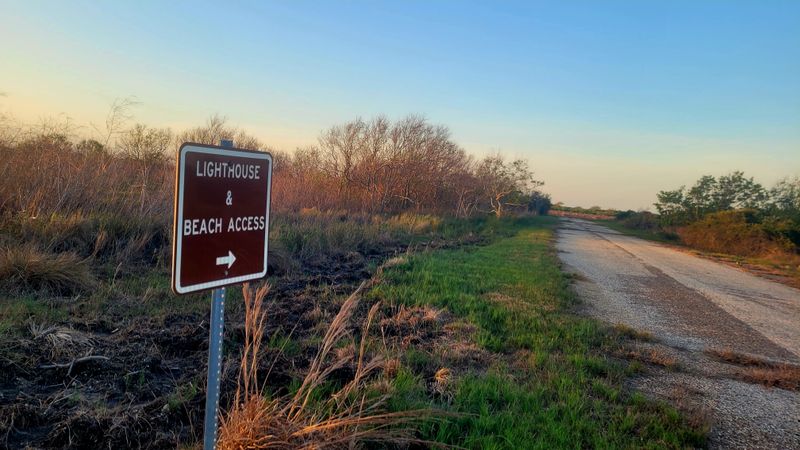
Remoteness keeps this island wild and the birding unforgettable. Travel logistics take effort, but the payoff is uncluttered horizons where large white birds stand out. Bring ample water, layers, and a plan for tides and return times, then settle into a slow, deliberate scanning rhythm.
Open prairies transition to marsh where crabs and invertebrates fuel winter diets. Watch for family groups moving with steady, purposeful strides. Despite the distance, you can observe natural behavior without crowds.
Respect closures and sensitive habitat signs, and stay flexible because wind shifts can relocate feeding zones quickly.
7. Rockport Beach Area
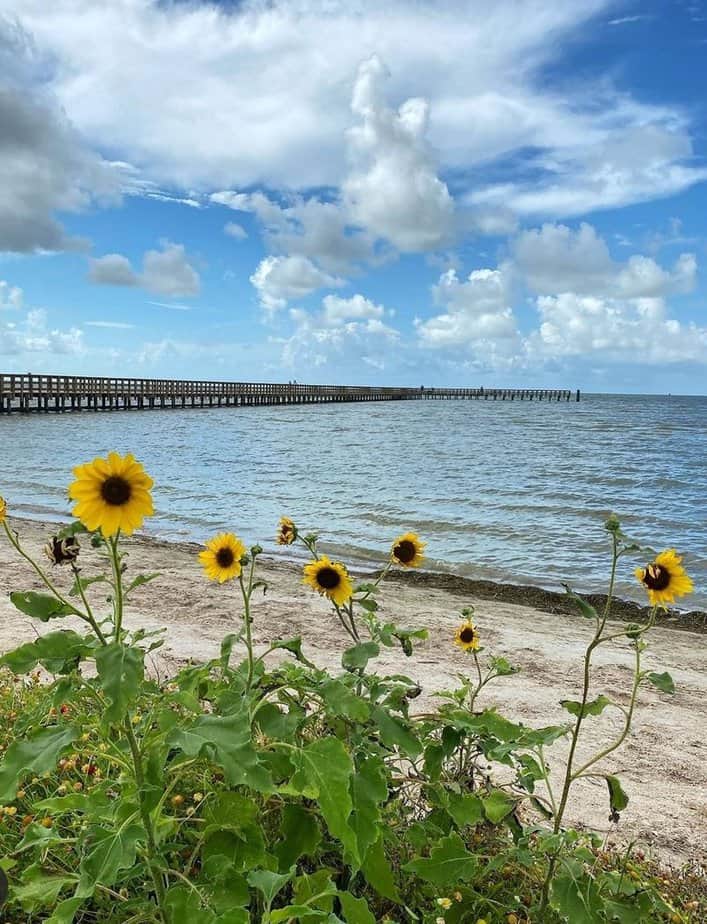
Though not guaranteed, the beach can surprise you with an overhead pair heading toward feeding territories. Keep binoculars handy while strolling the boardwalks and piers. Calm, bright days make distant white wings flash against blue water, and you might catch silhouettes at dusk moving to roost.
Use landmarks to track flight paths and compare size against egrets for quick ID. While waiting, enjoy gulls, terns, and winter shorebirds patrolling the strand. If a north wind settles, activity often perks up in late afternoon.
Stay patient, savor the coastal vibe, and you could end your day with an unforgettable flyover moment.