
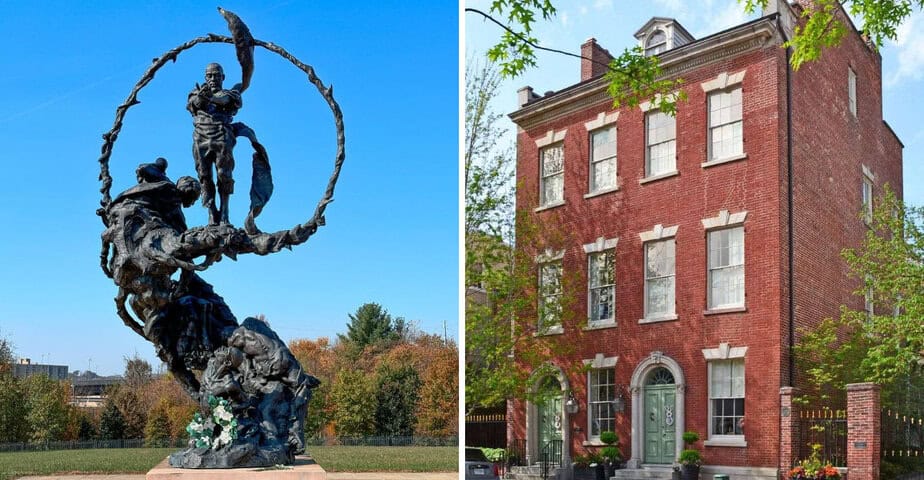
Alexandria, Virginia holds a rich but complex African American history stretching back centuries. Throughout the city, meaningful landmarks preserve the stories of struggle, resilience, and achievement that shaped both local and national history. These seven important sites offer visitors a chance to learn about Alexandria’s Black heritage while honoring those whose lives and contributions were often overlooked in traditional historical accounts.
1. Freedom House Museum
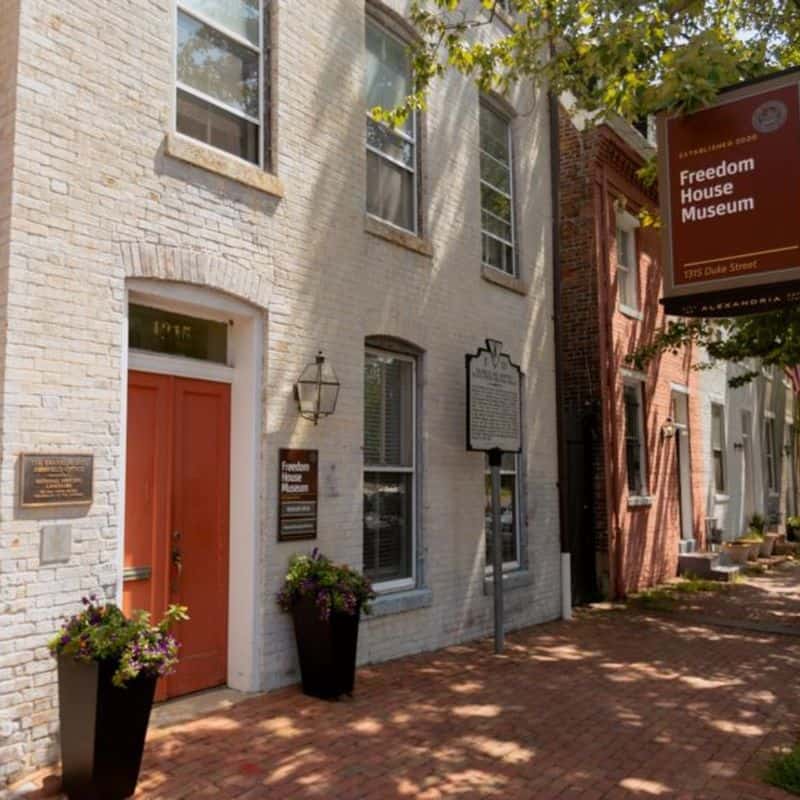
Within these brick walls, thousands of enslaved people once awaited sale to Southern plantations. The former headquarters of Franklin & Armfield, once America’s largest slave-trading operation, now serves as a powerful memorial and educational center.
Reopened after extensive renovation, the museum features exhibits that trace Alexandria’s role in the domestic slave trade alongside stories of resistance and resilience. Original artifacts and first-person accounts bring human faces to this difficult history.
Visitors often describe the experience as transformative, creating space for reflection on how this painful past connects to present-day conversations about race and justice in America.
2. Contrabands and Freedmen Cemetery Memorial
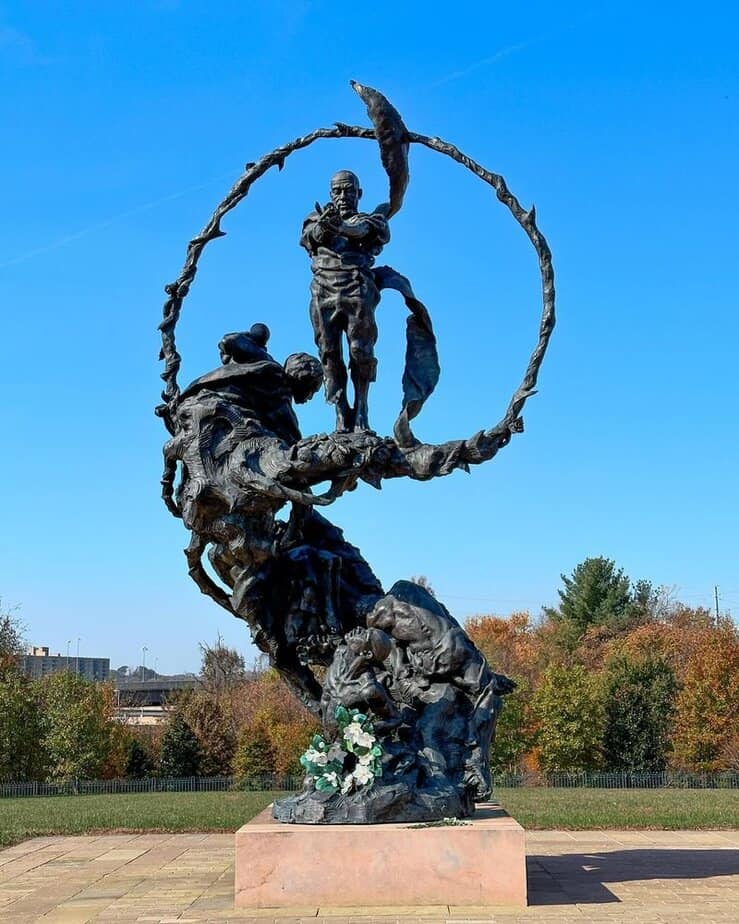
Sacred ground holds the remains of approximately 1,800 formerly enslaved individuals who fled to Union-held Alexandria seeking freedom during the Civil War. Many arrived sick or malnourished, only to succumb to disease in overcrowded refugee conditions.
Rediscovered in the 1990s after decades beneath a gas station and office building, this site now features artist Mario Chiodo’s bronze sculpture “The Path of Thorns and Roses” alongside thoughtful landscaping that honors the dead.
Stone walls list known names of those buried here, while interpretive panels explain how these “contrabands of war” risked everything for liberty, contributing significantly to Alexandria’s wartime community.
3. Alexandria African American Heritage Park
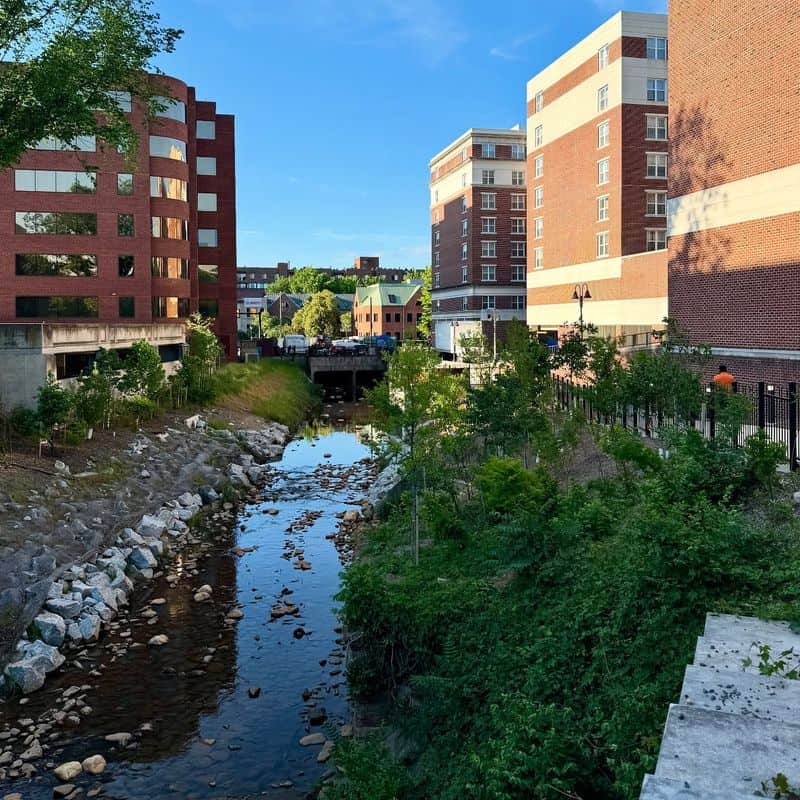
Nestled on three peaceful acres near the Potomac, this contemplative space preserves and honors the original Black Baptist Cemetery. Sculptor Jerome Meadows’ centerpiece installation features bronze trees with embedded faces and historical scenes representing Alexandria’s African American experience.
Walking paths wind through native plantings, inviting visitors to pause at interpretive markers that tell stories of historic Black neighborhoods once thriving nearby. The park’s design thoughtfully incorporates elements of the original cemetery while creating a living memorial.
Community gatherings and commemorative events regularly bring this space to life, connecting present-day Alexandrians with their city’s complex racial history and celebrating Black cultural contributions.
4. Alfred Street Baptist Church
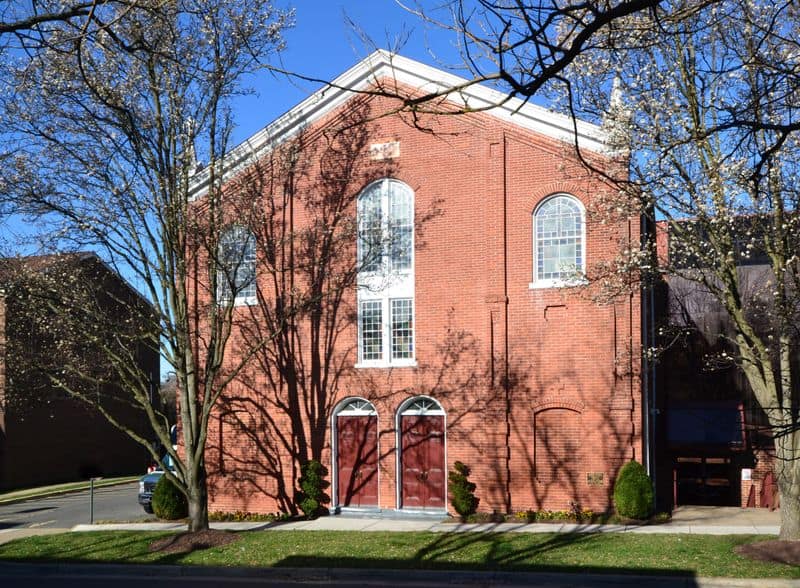
Standing proudly since 1806, Alexandria’s oldest African American congregation has witnessed over two centuries of American history. During slavery, the church operated under white supervision, yet still provided rare community space where Black Alexandrians could gather.
Following emancipation, Alfred Street emerged as a crucial center for education, mutual aid, and civil rights activism. Its historic sanctuary, though renovated multiple times, retains the spiritual significance that has drawn generations of worshippers.
Today’s vibrant congregation continues traditions of community service and social justice while honoring ancestors who maintained faith through unimaginable hardship. The church archives preserve invaluable records of Black Alexandria’s religious and social development.
5. Roberts Memorial United Methodist Church (Davis Chapel)
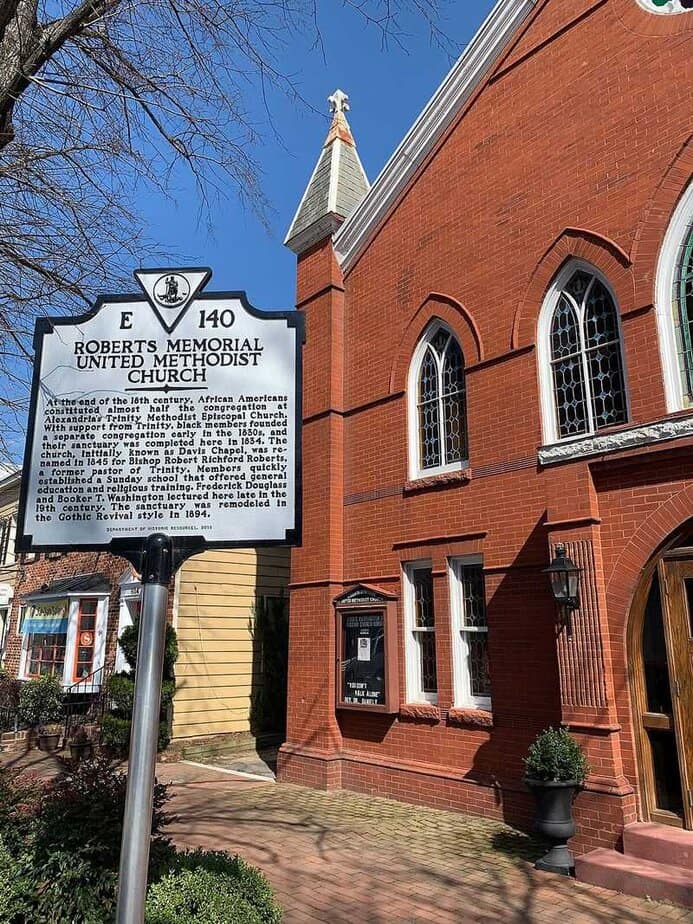
Founded by free and enslaved Black Alexandrians in 1834, this historic sanctuary stands as a testament to early African American religious determination. Before emancipation, members worshipped under strict surveillance, yet maintained a resilient spiritual community despite these constraints.
During Reconstruction, the church basement hosted one of Alexandria’s first schools for freed people when formal education remained largely inaccessible. Many of the city’s first Black teachers and community leaders emerged from this congregation.
The building’s distinctive Gothic Revival architecture features original stained glass windows that have witnessed generations of baptisms, weddings, funerals, and civil rights meetings. Community tours highlight how this sacred space fostered both spiritual growth and social progress.
6. George Lewis Seaton House & Odd Fellows Hall
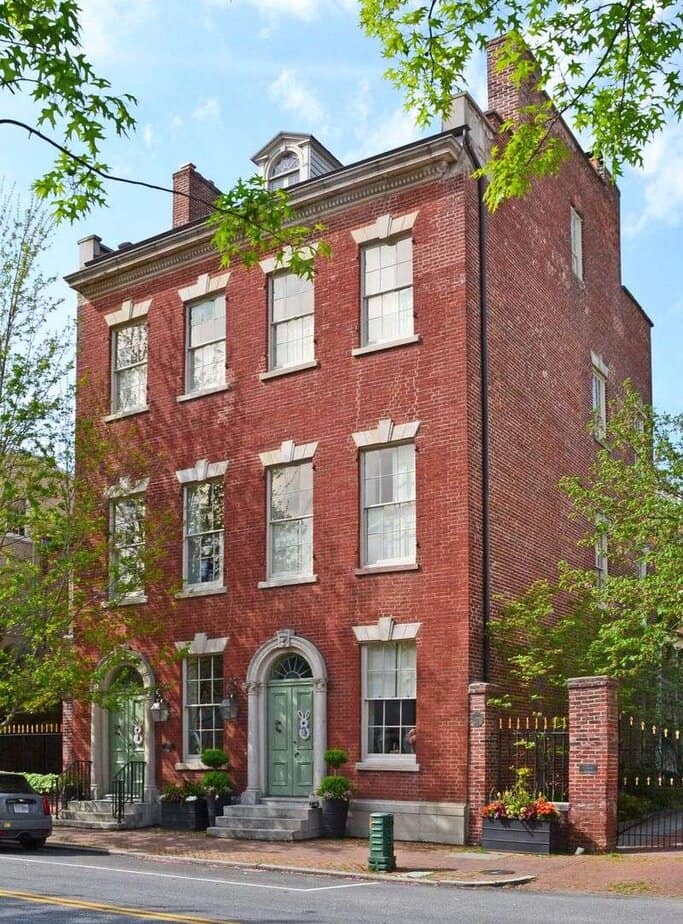
Born to free Black parents, George Lewis Seaton rose to prominence as a skilled carpenter, civic leader, and eventual Virginia state legislator during Reconstruction. His modest home, built with his own hands around 1861, stands as rare physical evidence of free Black achievement before emancipation.
Adjacent to his residence, Seaton constructed the Odd Fellows Hall in 1870, providing crucial meeting space for Black businesses, social organizations, and educational initiatives. The building became a cornerstone of Alexandria’s Parker-Gray neighborhood, supporting Black self-determination when most institutions remained segregated.
Recently restored, these structures now preserve the legacy of a remarkable man who helped establish schools for freed people while fighting for civil rights in post-Civil War Virginia.
7. African American Heritage Trail
Stories of resistance emerge around every corner along Alexandria’s self-guided heritage routes. Using digital StoryMaps technology, visitors can walk in the footsteps of enslaved individuals who sought freedom via the Underground Railroad or learn about Black watermen who built maritime industries along the Potomac.
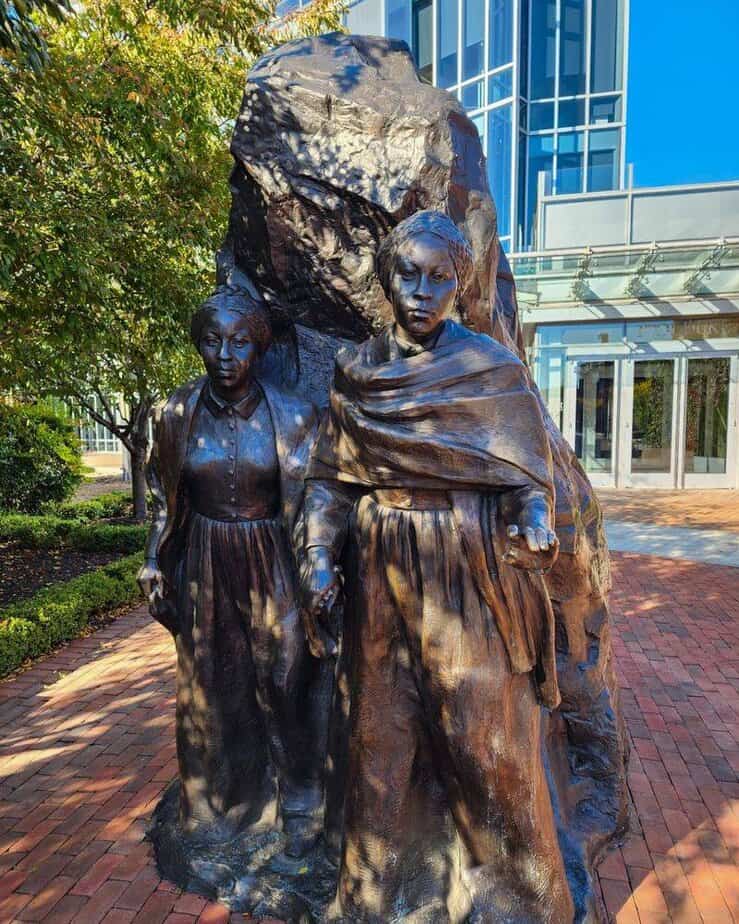
The trail features powerful public art installations like the Edmonson Sisters sculpture, honoring teenage sisters who attempted escape aboard the Pearl in 1848. Nearby, contemporary artist Olalekan Jeyifous’ installation weaves together textile patterns representing both enslaved laborers and free Black craftspeople.
Accessible markers throughout the waterfront and Duke Street corridor reveal hidden histories of Black Alexandria, from Colonial times through the Civil Rights era, creating immersive connections to the past.