
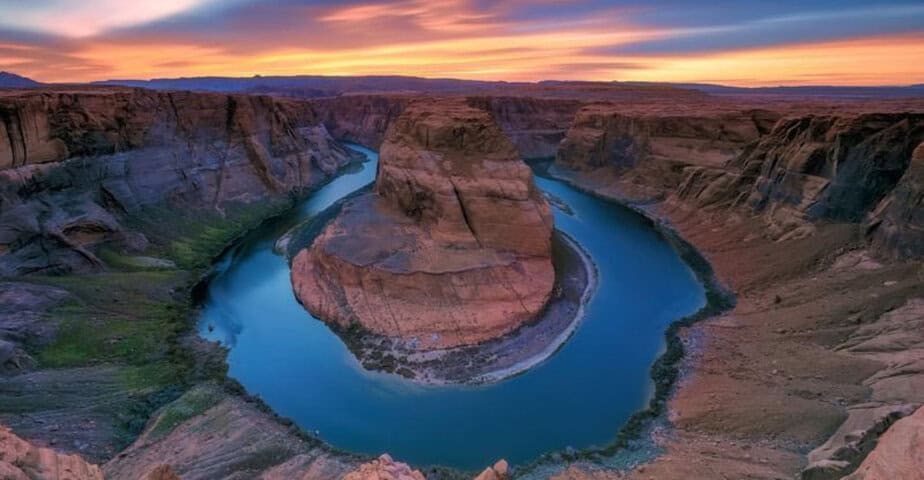
The Grand Canyon isn’t just a pretty face – it’s a playground of adventure waiting to be explored! While millions visit each year to gawk at its massive size (and who could blame them?), there’s so much more to experience than just standing at the rim with your camera. From heart-pounding adventures to peaceful moments of wonder, this natural wonder offers activities that will create memories lasting far longer than any photograph. Ready to go beyond the standard tourist experience?
1. Hike Below the Rim
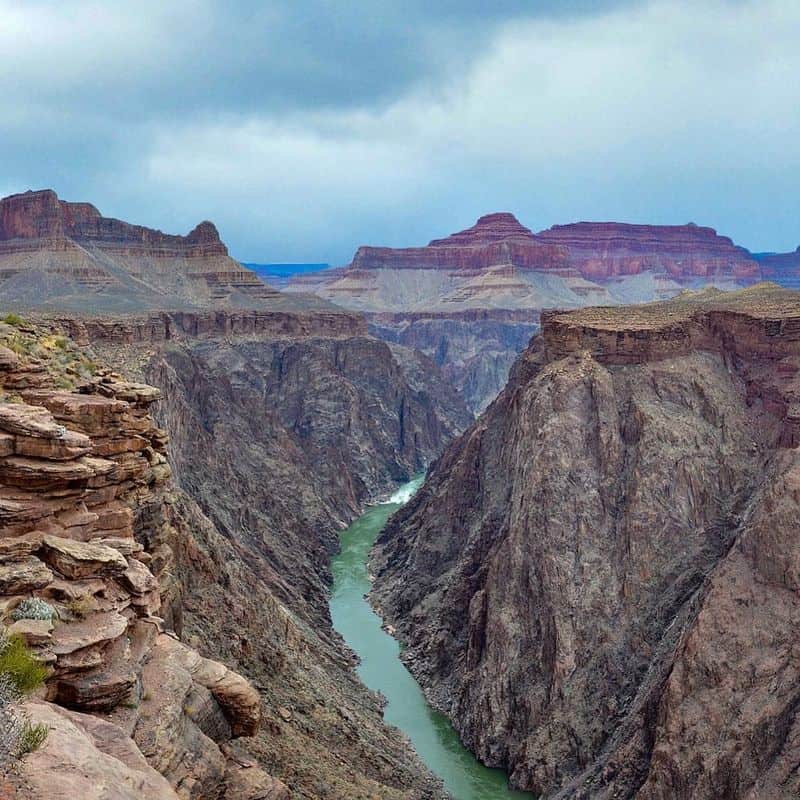
The real Grand Canyon adventure begins where the pavement ends. Stepping below the rim transforms you from spectator to participant in the canyon’s ancient story.
Trails like Bright Angel offer shade and water stations, perfect for first-timers wanting to dip their toes into canyon hiking. The South Kaibab Trail delivers more dramatic views but less shelter from the sun.
Even a mile-long descent reveals a completely different world – one where massive rock formations tower above instead of below you. The temperature rises, the colors intensify, and suddenly you’re not just seeing the canyon – you’re experiencing it.
2. Raft the Colorado River
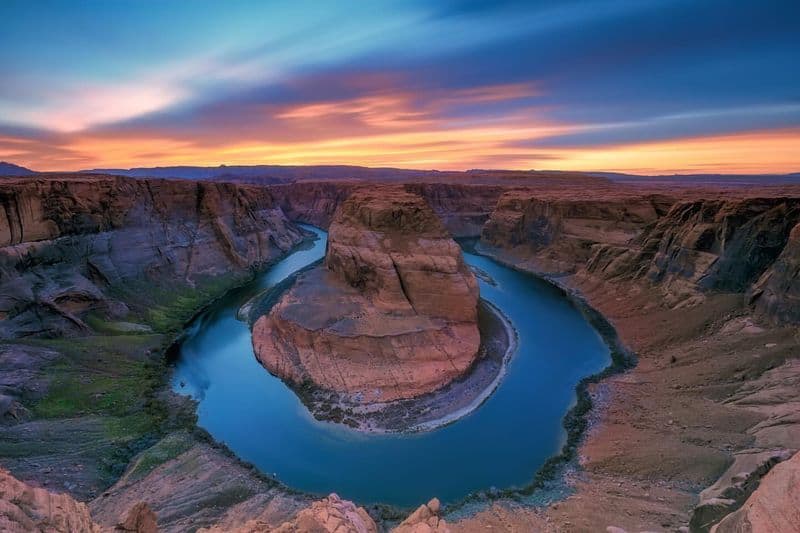
Floating through the heart of the Grand Canyon offers a perspective few ever witness. The mighty Colorado River carved this wonder over millions of years, and riding its currents puts you face-to-face with this ongoing geological masterpiece.
Choose your adventure level – gentle half-day floats provide family-friendly thrills, while multi-day expeditions deliver heart-pounding rapids and serene camping beneath star-filled skies.
From your water-level vantage point, billion-year-old rock walls stretch skyward nearly a mile above. The echo of rapids, the cool splash of river water, and the absolute remoteness create an experience impossible to replicate anywhere else on Earth.
3. Catch a Sunrise or Sunset at Desert View or Hopi Point
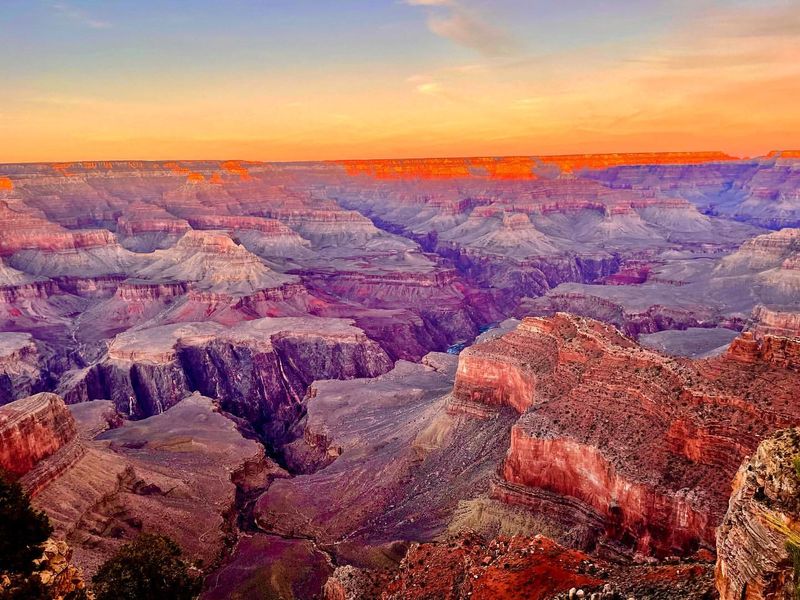
Early risers reap rewards at the Grand Canyon that daytime visitors miss entirely. As first light breaks across the eastern horizon, the canyon awakens in a symphony of color – deep purples and blues gradually giving way to fiery oranges and reds.
Desert View offers the bonus of the historic Watchtower, while Hopi Point provides some of the widest panoramas on the South Rim. Both locations transform at sunset when the fading light paints the canyon walls in warm hues.
The magical moments before and after the sun crosses the horizon also bring blessed relief from crowds and summer heat. Photographers call these the “golden hours” for good reason – your pictures will have a luminous quality impossible during harsh midday light.
4. Ride a Mule into the Canyon
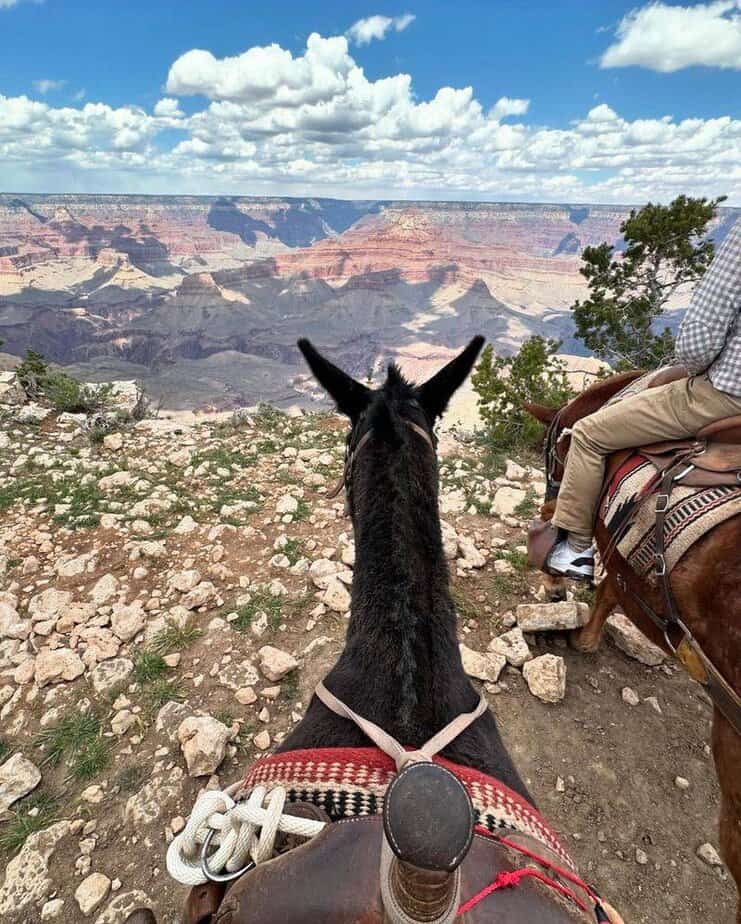
Following a tradition dating back to the 1800s, mule rides offer a historical way to experience the Grand Canyon’s depths without the physical demands of hiking. These sure-footed animals navigate switchbacks with remarkable confidence, allowing riders to focus entirely on the breathtaking surroundings.
Wranglers double as storytellers, sharing canyon lore and pointing out features you might otherwise miss. The steady clip-clop rhythm becomes oddly meditative as you descend through millions of years of Earth’s history.
Half-day rim rides work for beginners, while the overnight journey to Phantom Ranch at the canyon bottom remains one of America’s most coveted adventure experiences – often booked a year in advance!
5. Explore the Grand Canyon Skywalk
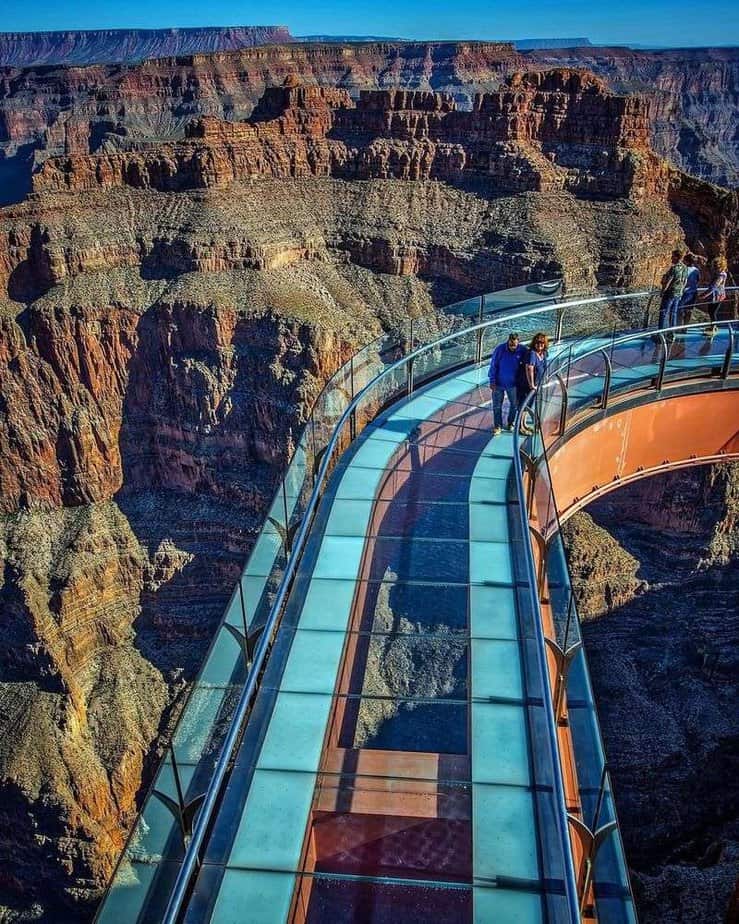
Heart-pounding doesn’t begin to describe the sensation of walking on glass 4,000 feet above the canyon floor! Located at Eagle Point on the West Rim, this horseshoe-shaped engineering marvel extends 70 feet beyond the canyon edge.
The transparent floor creates the illusion of floating above the abyss. Many visitors start hesitantly, hugging the railings, before gaining courage to stand center-platform for unforgettable photos (though personal cameras aren’t allowed – official photographers capture your moment).
While requiring separate admission and a journey to the less-visited West Rim (managed by the Hualapai Tribe rather than the National Park Service), the unique thrill makes it worth considering, especially for those seeking an adrenaline rush without physical exertion.
6. Stargaze in a Certified Dark Sky Park
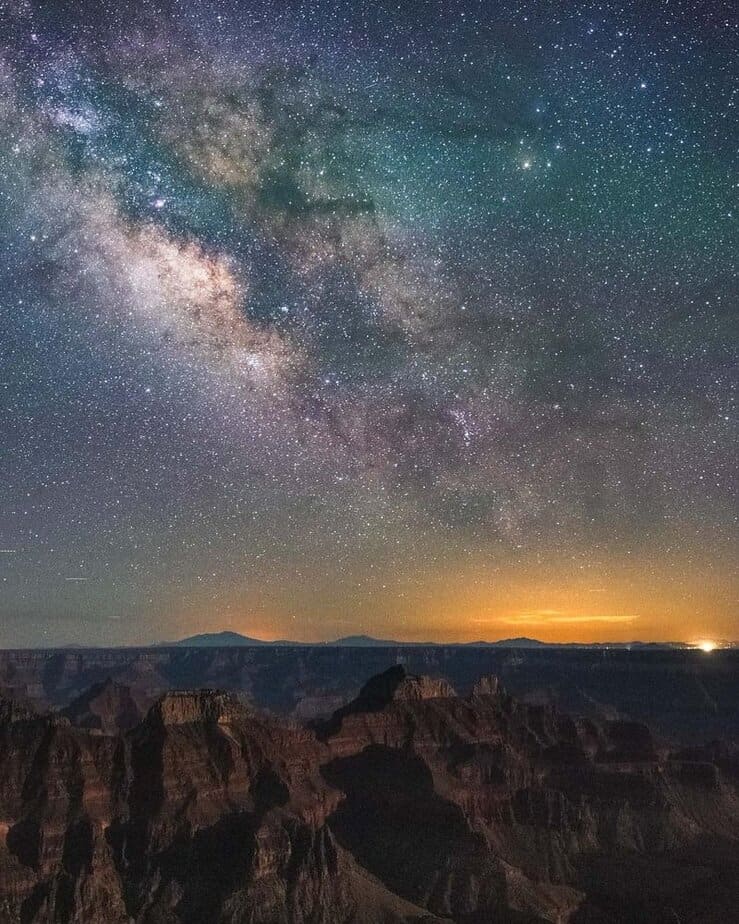
When daylight fades, an entirely different Grand Canyon emerges. Designated an International Dark Sky Park in 2019, the canyon offers celestial views rivaling its daytime splendor.
Summer brings the spectacular Milky Way arching directly overhead, while winter showcases Orion and the brightest stars of the year. The park hosts regular night sky programs where rangers point out constellations and planets using powerful telescopes.
For the ultimate experience, plan your visit during a new moon when darkness is complete. Bundle up (even summer nights get chilly at 7,000 feet elevation) and find a safe spot away from rim edges. Then simply look up and prepare for your definition of “infinity” to be forever changed.
7. Visit Native American Cultural Sites
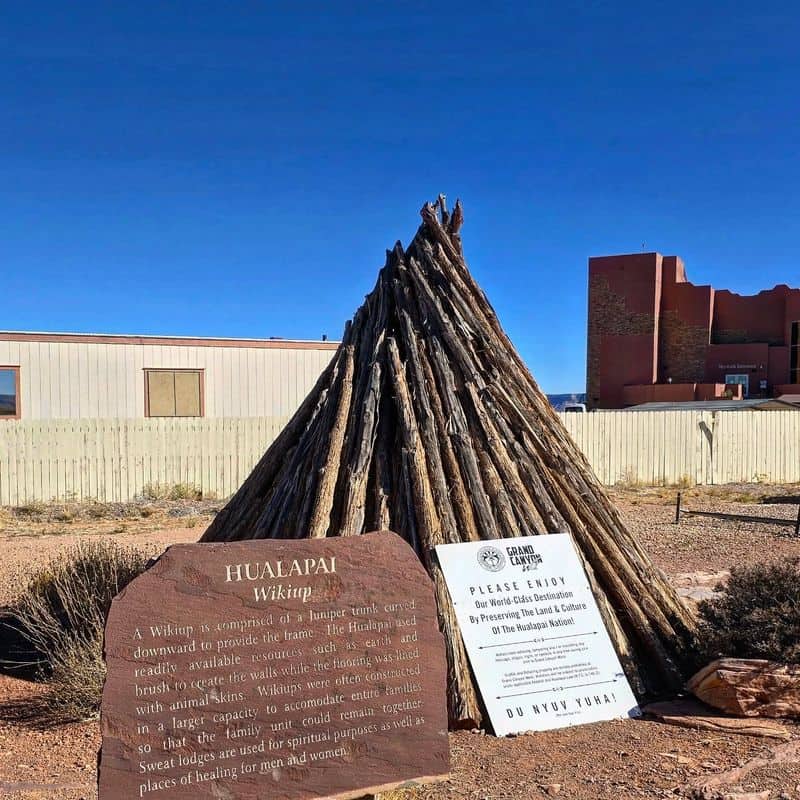
Long before becoming a national park, the Grand Canyon was home to numerous indigenous peoples. The Tusayan Ruins and Museum offers a tangible connection to the ancestral Puebloan people who lived here 800 years ago.
The Desert View Watchtower incorporates Hopi symbolism in its design, with interior walls featuring murals by Hopi artist Fred Kabotie. For deeper cultural immersion, the Havasupai people still live within the canyon’s branches in Supai Village – accessible only by helicopter, horse, or an 8-mile hike.
Understanding the canyon through indigenous perspectives reveals layers of meaning beyond geology. These sacred landscapes hold creation stories, cultural histories, and ongoing spiritual significance that enrich any visit with deeper appreciation and respect.