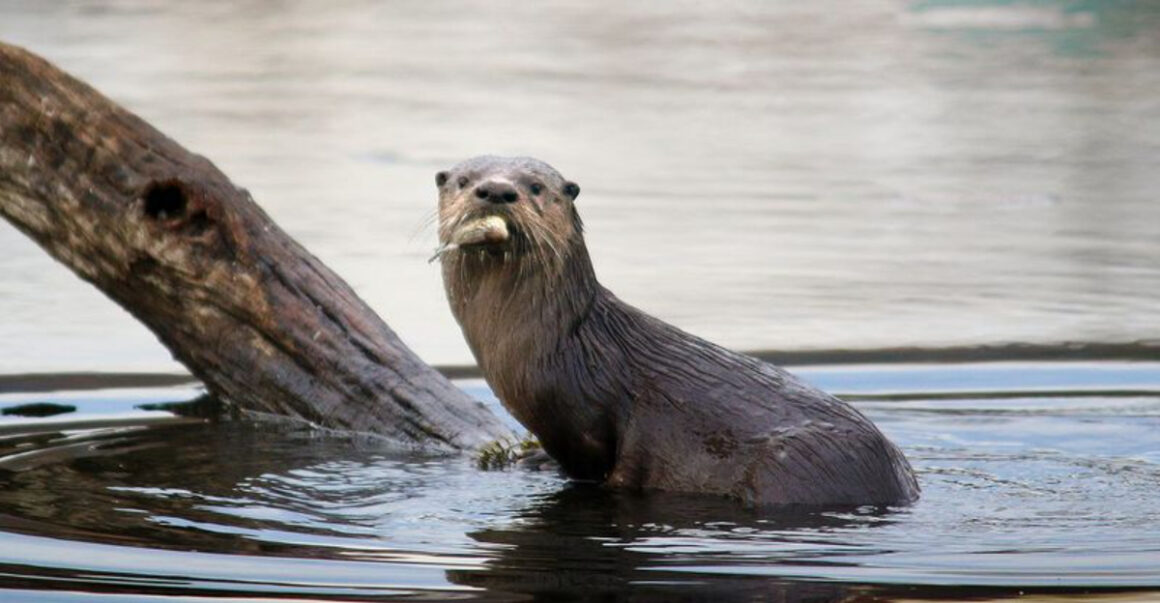
Ohio has a quiet wildlife story splashing back to life, and it is happening in waters you can explore this season. River otters, once scarce, are reclaiming cozy coves, cattail marshes, and winding creeks across the state.
If you love sunrise paddles, winter track-spotting, or the thrill of a whiskered face popping up beside your kayak, you are in the right place. Here are five Ohio waterways where your patience, a good pair of binoculars, and a calm paddle stroke could reward you with an unforgettable otter moment.
1. Grand River Watershed (Northeast Ohio)
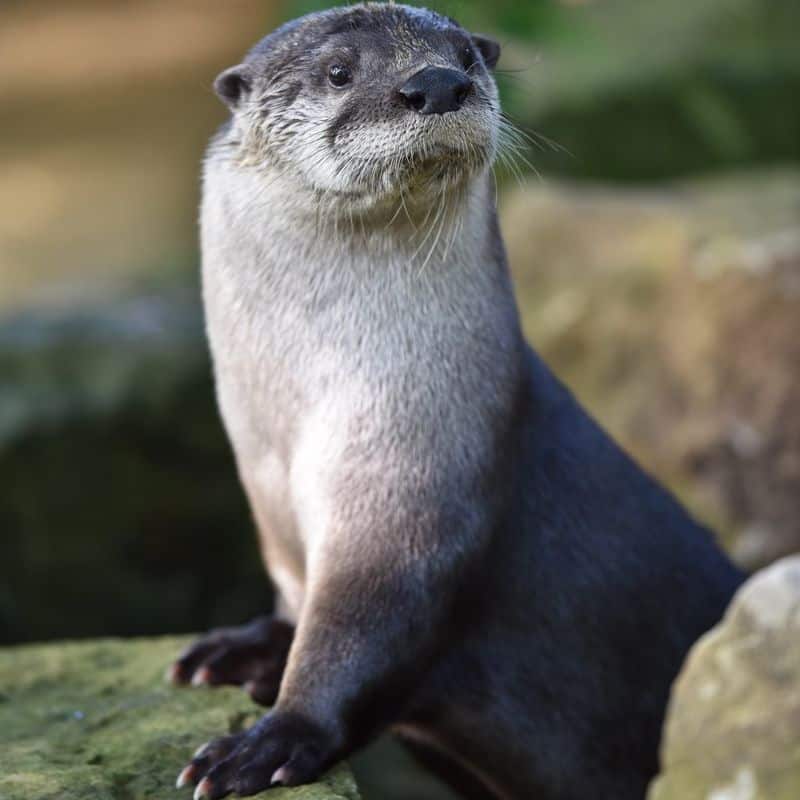
Slip into a quiet bend at dawn and you might catch whiskers slicing through tea-colored water. The Grand River Watershed, braided with oxbows and backwaters, shelters crayfish beds and log jams where otters hunt and play.
Look for muddy slides on steep banks and fish scales near haul-outs, subtle signs that reward patient observers.
Bring a low-profile kayak, hug the alder edges, and drift rather than paddle. In winter, track prints along snow-dusted floodplains.
Bald eagles patrol overhead while kingfishers rattle along cutbanks. Respect private land, keep voices low, and let the current teach you where the wild things still thrive.
2. Tappan Lake (Tappan Lake Park)
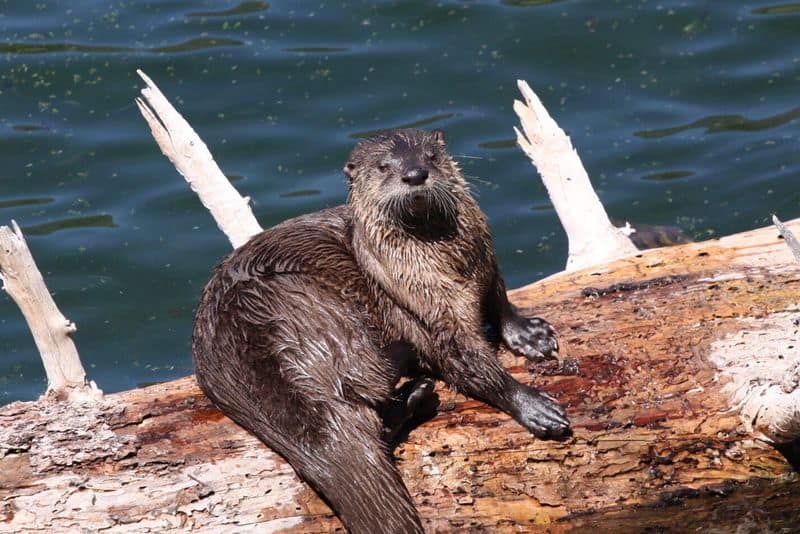
Glass-smooth coves at first light are where magic happens. Here, coves rimmed by cattails and willow tangles give otters ambush cover and playful slides.
Scan between marina wakes and stump fields, especially where creek arms feed in. Fish scraps near shoreline rocks sometimes betray nighttime feasts.
Launch quietly from a tucked-away ramp and keep a respectful distance. You might hear chirps and huffs before you see sleek heads periscoping.
Pair binoculars with polarized glasses to cut glare. When campfires glow at Tappan Lake Park, tell your story softly, because the best sightings belong to the water’s hush.
3. Clendening Lake
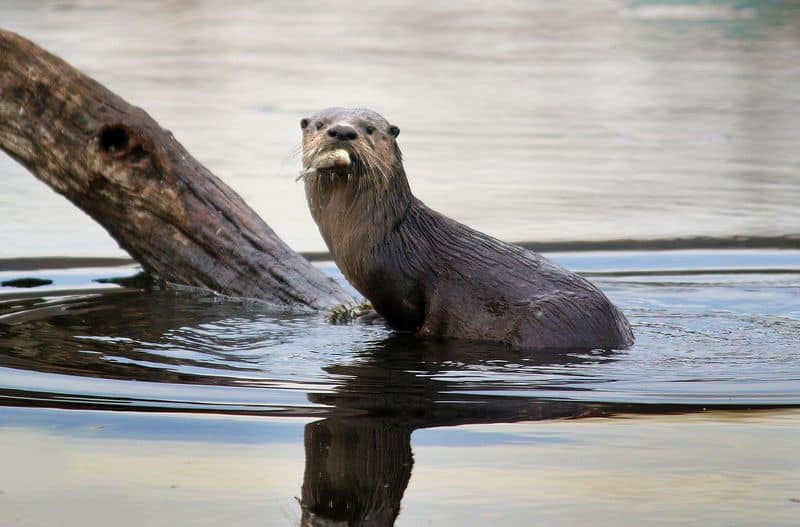
Narrow, quiet, and wonderfully underbuilt, this lake feels like a secret. With miles of undeveloped shoreline, otters find den sites in root wads and undercut banks.
Paddle the no-wake stretches and watch for V-shaped wakes stitching the surface. Fresh scat with fish bones on flat rocks can mark regular routes.
Set out at gray dawn or the blue hour. Great blue herons stalk edges while beavers slap warnings at dusk.
Keep gear minimal and colors muted to blend in. The reward for stillness here is intimate wildlife theater, where every ripple carries a story you will want to follow.
4. Old Woman Creek (Erie County)
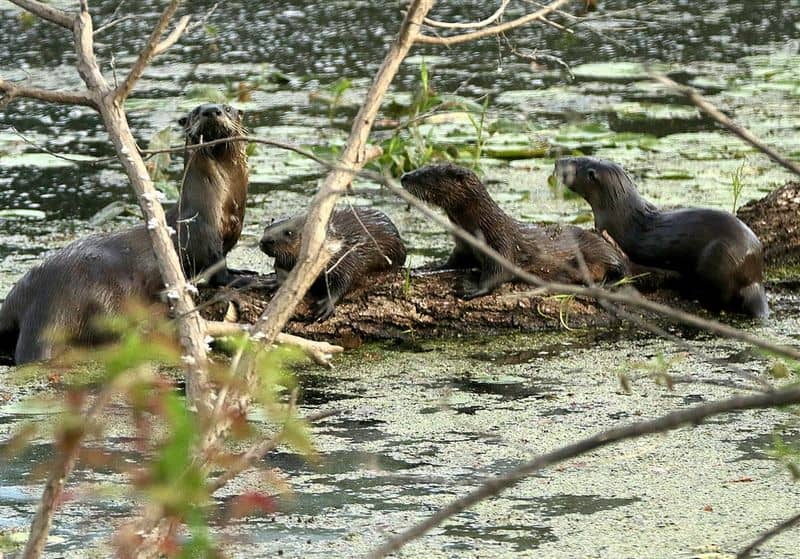
Where creek water meets Lake Erie, a rich blend of fresh and wind-driven flow feeds a living mosaic of marsh channels. Otters work these edges for round gobies and sunfish, leaving slick slides on muddy banks.
Scan from boardwalk overlooks and listen for splashes behind sedge curtains.
Visit on calm mornings when boat traffic is light. Photographers love the mirrored reflections and low, honeyed light.
Bring patience and a respectful buffer, since protected research zones safeguard fragile habitat. If an otter surfaces, count yourself lucky, breathe slowly, and let the moment stretch longer than the ripple it leaves.
5. Little Muskingum River (Eastern Ohio)
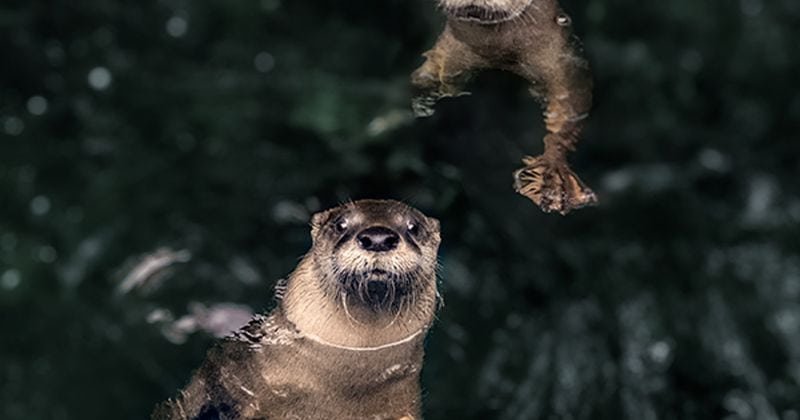
A ribbon of riffles and shaded pools invites a slow float and careful scouting. The Little Muskingum’s sandstone banks and overhanging sycamores hide dens near quiet bends.
Watch pool tails below riffles, where minnows school and otters patrol. Tracks with webbed toes stamp bars of damp sand after rain.
Go light, wear muted layers, and drift more than paddle. Kingfishers streak ahead like scouts, and deer step down to drink at dusk.
When a sleek body arcs and vanishes, stay steady. With luck, it will circle back, curious as you are, sharing a brief Ohio secret.