
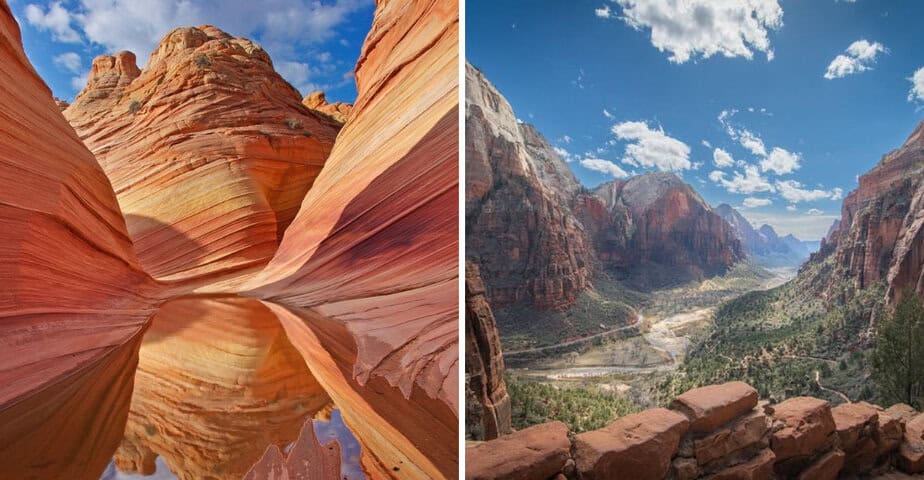
Utah’s diverse landscape offers some of the most breathtaking backpacking adventures in America. From towering red rock formations to alpine lakes and slot canyons, the Beehive State has something for every level of outdoor enthusiast. Pack your gear and lace up your boots as we explore these fourteen incredible routes that showcase Utah’s natural wonders at their finest.
1. The Narrows, Zion National Park
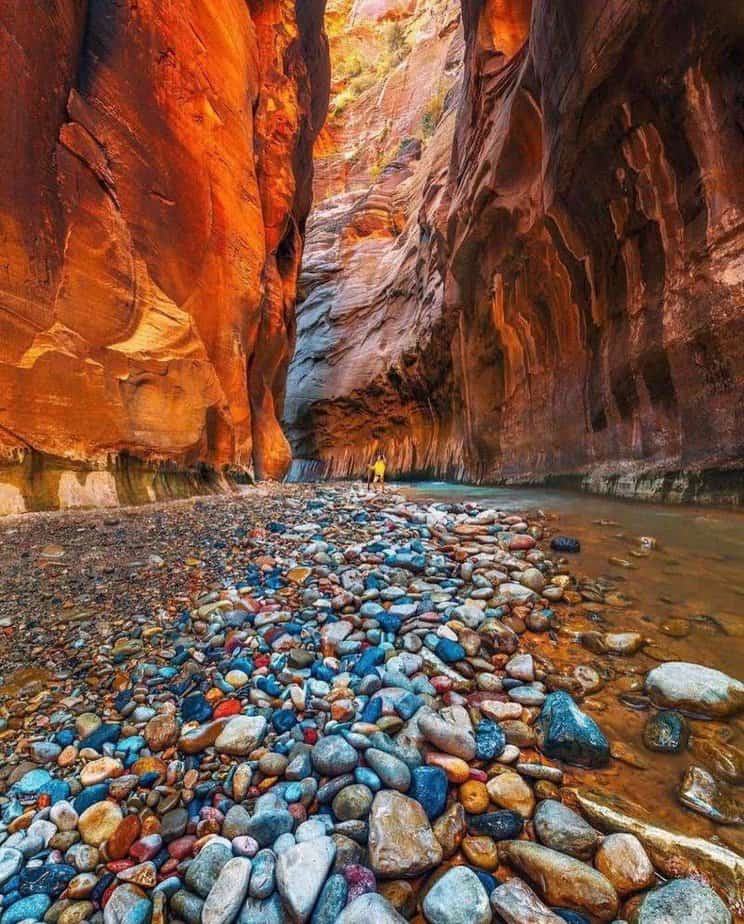
Walking between towering canyon walls while wading through flowing water creates an experience unlike any other hiking trail. The Virgin River has carved this spectacular gorge over millions of years, resulting in walls that soar up to 1,000 feet above you.
Pack waterproof gear and sturdy water shoes for this adventure. Summer and early fall offer the warmest water temperatures, but be aware of flash flood dangers during monsoon season.
The standard bottom-up route requires no permit for day hiking, while the top-down overnight journey demands advance planning and a wilderness permit.
2. Bryce Canyon Rim Trail and Peekaboo Loop
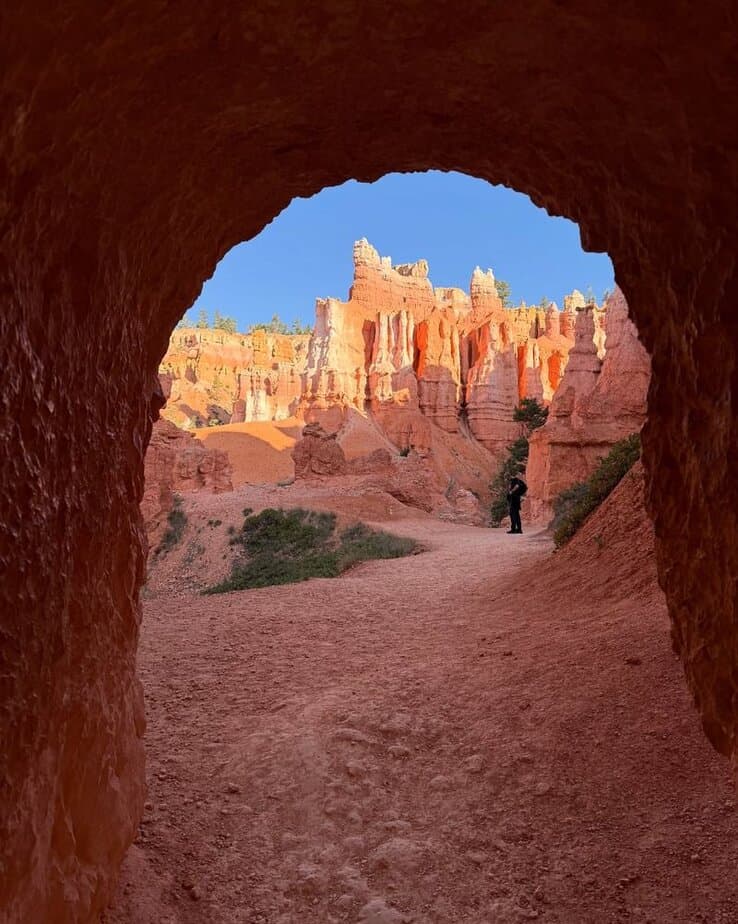
Crimson spires reach toward the sky like a forest made of stone. The Rim Trail offers sweeping vistas of these famous hoodoos from above, while the Peekaboo Loop takes you down among them for an intimate encounter with these geological marvels.
Early morning light bathes the formations in golden hues, making sunrise the prime time for photographers. The elevation sits around 8,000 feet, so take it slow if you’re not acclimated to the altitude.
Winter transforms this landscape into a magical wonderland where orange rock contrasts beautifully with fresh snow.
3. The Wave, Coyote Buttes (Permits Required)
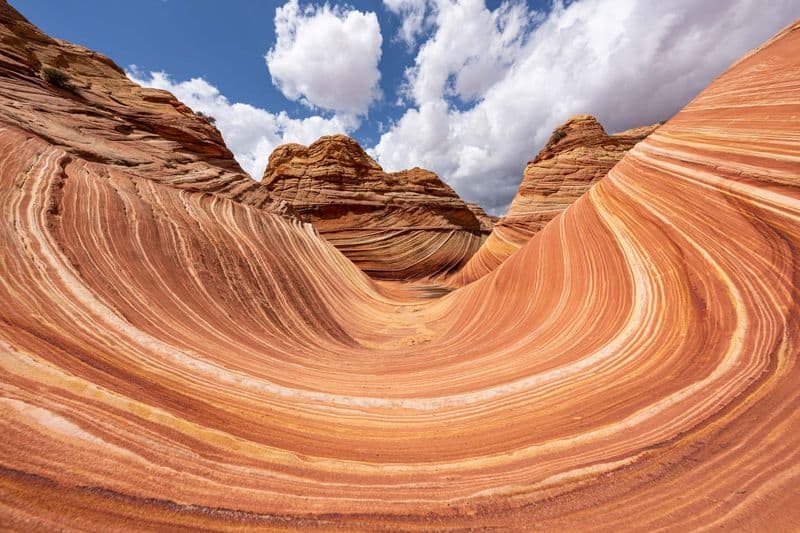
Mother Nature’s artistry reaches its peak in this swirling sandstone masterpiece. The Wave’s undulating patterns of red, pink, yellow, and orange create an otherworldly landscape that seems more painting than reality.
Only 64 hikers receive permits daily through a highly competitive lottery system, making this one of America’s most exclusive hikes. Navigation requires genuine skill as there’s no marked trail across this remote desert terrain.
Bring plenty of water and sun protection—temperatures regularly exceed 100°F in summer with virtually no shade available throughout the 6-mile round trip journey.
4. Tusher Tunnel Trail to Cowboy Camp, Capitol Reef National Park
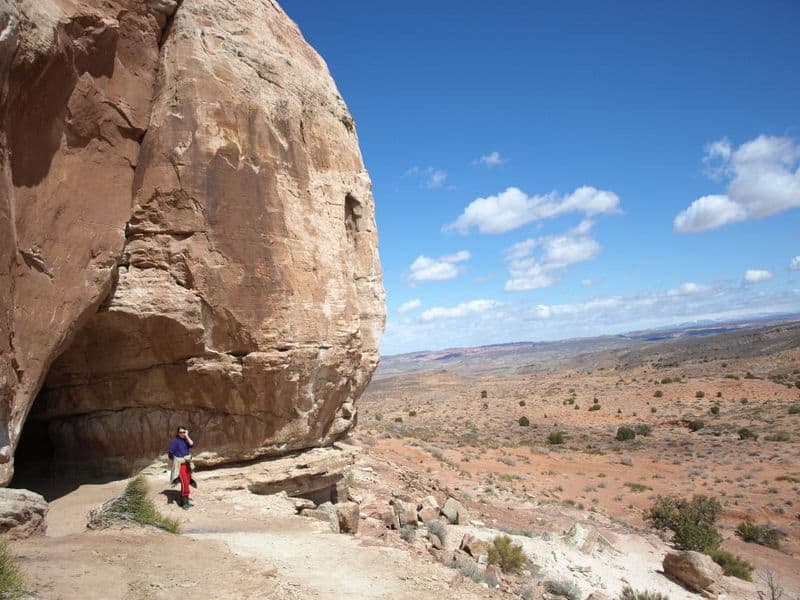
Escape the crowds in this hidden gem within Capitol Reef’s backcountry. The trail winds through a landscape of multicolored cliffs and unique rock formations before arriving at the impressive Tusher Tunnel—a natural opening carved through solid sandstone.
Ancient petroglyphs dot the canyon walls, silent witnesses to the humans who traversed these lands centuries ago. Cowboy Camp offers a glimpse into the area’s ranching history with remnants of pioneer life still visible.
Spring brings desert wildflowers while fall paints the cottonwoods golden against the red rock backdrop.
5. Lake Blanche Trail, Big Cottonwood Canyon
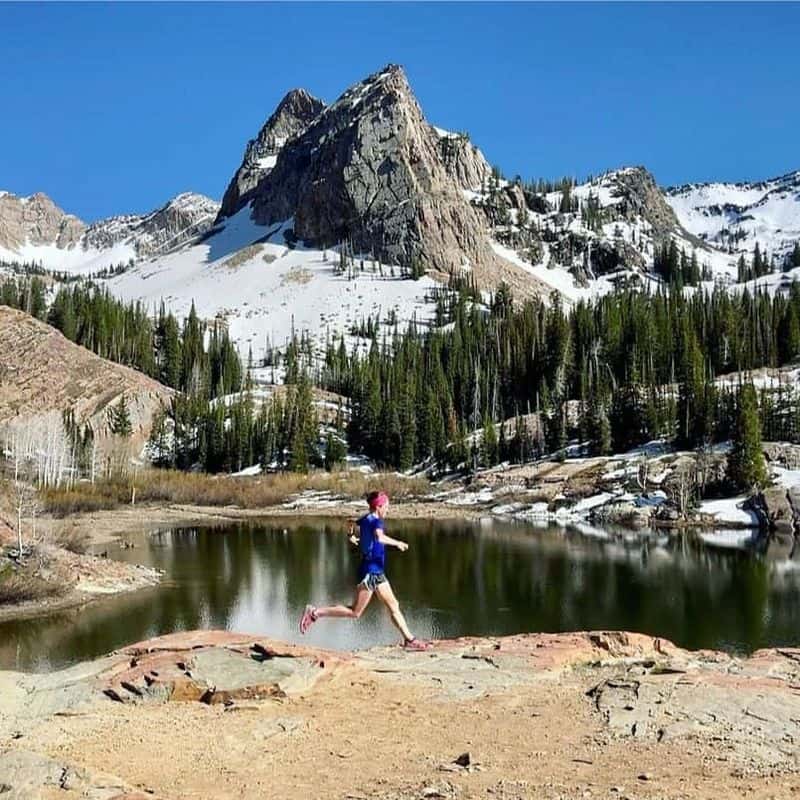
Alpine beauty awaits those willing to tackle this steep ascent near Salt Lake City. The trail climbs relentlessly through aspen groves and conifer forests before opening to reveal Lake Blanche cradled beneath the distinctive peak of Sundial Mountain.
Mountain goats often traverse the surrounding cliffs while moose occasionally visit the shoreline. Wildflowers carpet the meadows in July and August, creating a photographer’s paradise.
Though just 45 minutes from downtown, this wilderness experience feels worlds away from civilization. The lake’s crystal waters perfectly mirror the rugged peaks, especially during calm morning hours.
6. West Rim Trail, Zion National Park
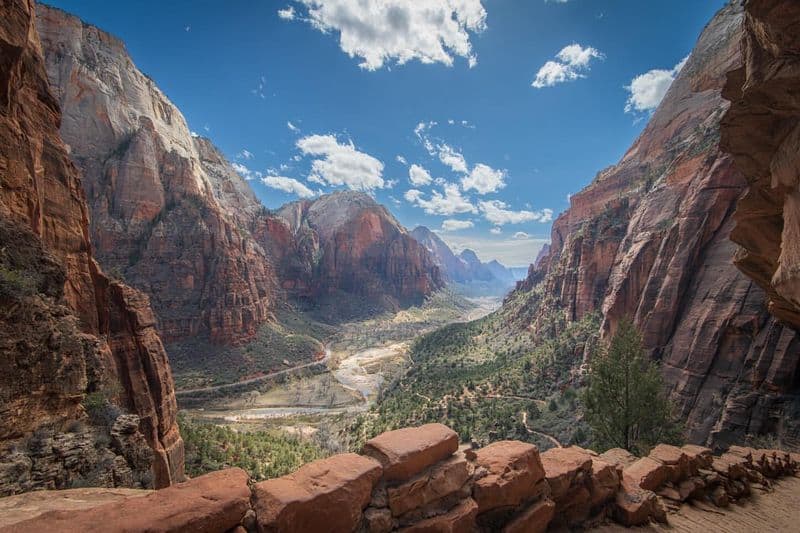
Stretching along Zion’s dramatic upper plateaus, this trail offers constantly changing perspectives of the magnificent canyon below. Starting from Lava Point, you’ll traverse pine forests and open meadows before the landscape transforms into the iconic white and red sandstone formations.
Angels Landing connects to this route, offering a thrilling side trip for those seeking an adrenaline rush. Water sources are limited, so careful planning is essential when tackling the full 16-mile journey.
Fall brings comfortable temperatures and golden cottonwoods in the canyon bottom, creating a striking contrast against the red rock walls.
7. Mount Timpanogos Loop, Wasatch Range
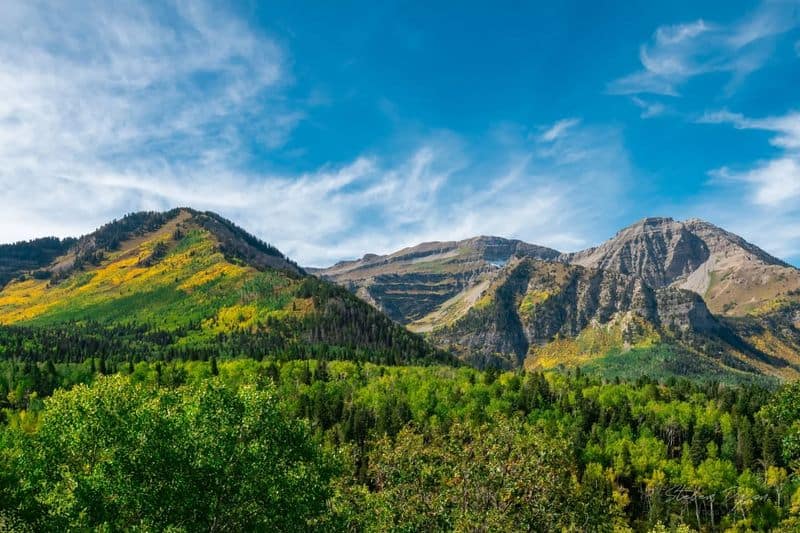
Rising majestically above Utah Valley, Timpanogos challenges hikers with nearly 4,500 feet of elevation gain. Your efforts are rewarded with spectacular alpine meadows, a small year-round glacier, and 360-degree views from the 11,749-foot summit.
The Aspen Grove route passes several cascading waterfalls, while the Timpooneke trail offers gentler grades through flower-filled basins. Marmots whistle warnings as you approach the rocky upper slopes.
A century-old shelter sits near the summit, providing emergency protection from the frequent afternoon thunderstorms that build over this prominent peak during summer months.
8. Grand Staircase-Escalante: Lower Calf Creek Falls Trail
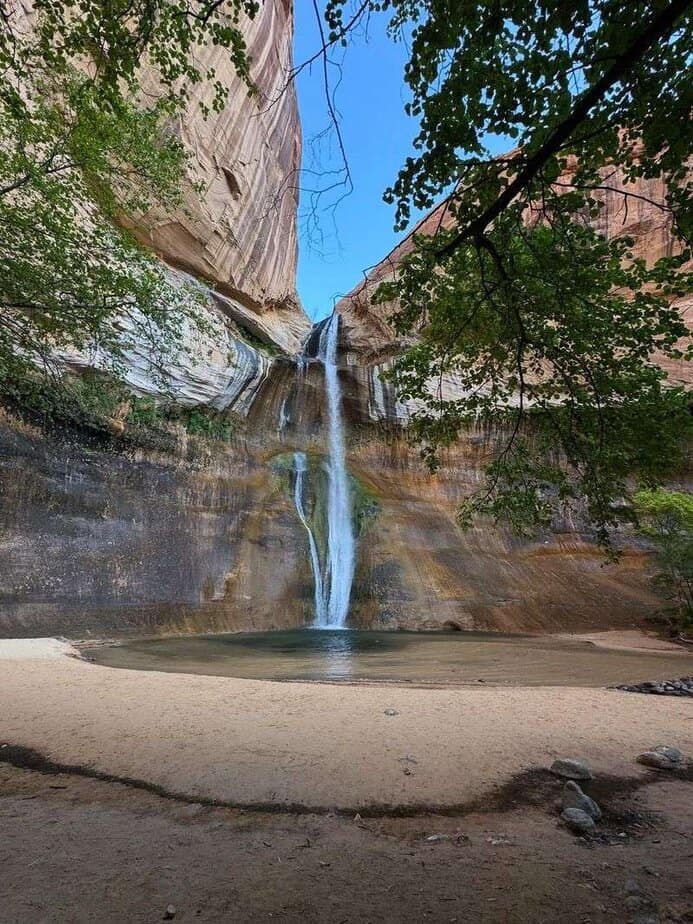
Ancient pictographs and granaries hint at the human history along this desert oasis trail. The path meanders alongside Calf Creek through a canyon of soaring sandstone walls streaked with desert varnish.
After three miles of relatively flat hiking, the 126-foot waterfall appears—a vertical ribbon of water plunging into a emerald pool perfect for a refreshing swim. Desert bighorn sheep sometimes visit the creek in early morning or late evening hours.
Beaver dams create small ponds along the route, supporting surprising biodiversity in this seemingly harsh environment. The contrast between flowing water and arid desert makes this hike particularly magical.
9. Zion’s Subway Trail (Permits Required)
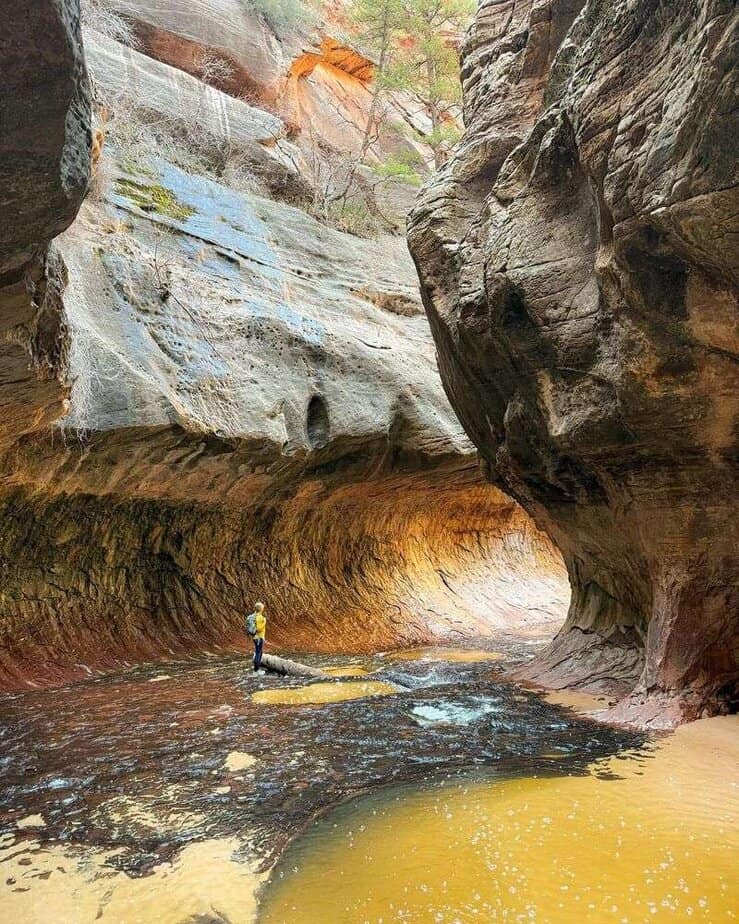
Named for its unique tunnel-like formation, The Subway represents nature’s perfect sculpture. This semi-technical route requires wading through water, scrambling over boulders, and navigating without established trails in many sections.
Emerald pools reflect the curved ceiling of this tubular canyon, creating photography opportunities that draw visitors from around the world. Flash floods have carved perfectly smooth potholes into the rock, some large enough to swim in during warmer months.
The limited permit system protects this fragile environment from overuse while ensuring visitors experience the solitude this remarkable place deserves.
10. Uintas Highline Trail
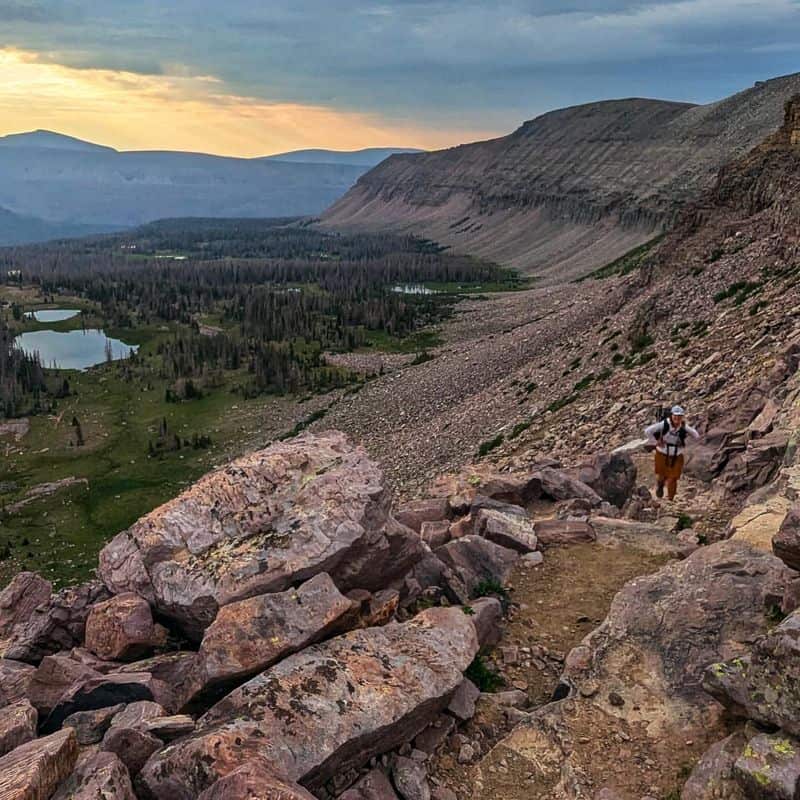
Utah’s highest mountain range offers this spectacular 104-mile traverse across alpine terrain. Unlike the state’s famous desert landscapes, the Uintas feature over 1,000 glacial lakes, dense forests, and peaks exceeding 13,000 feet.
Mountain weather changes rapidly here, with summer snowstorms possible even in July. Wildflowers carpet the meadows during the brief growing season, creating kaleidoscopes of color against granite backdrops.
Moose, elk, and black bears call these mountains home, making wildlife encounters common along the trail. Most backpackers tackle sections rather than the entire route, with Kings Peak—Utah’s highest point—being a popular destination.
11. Devils Garden Loop, Arches National Park
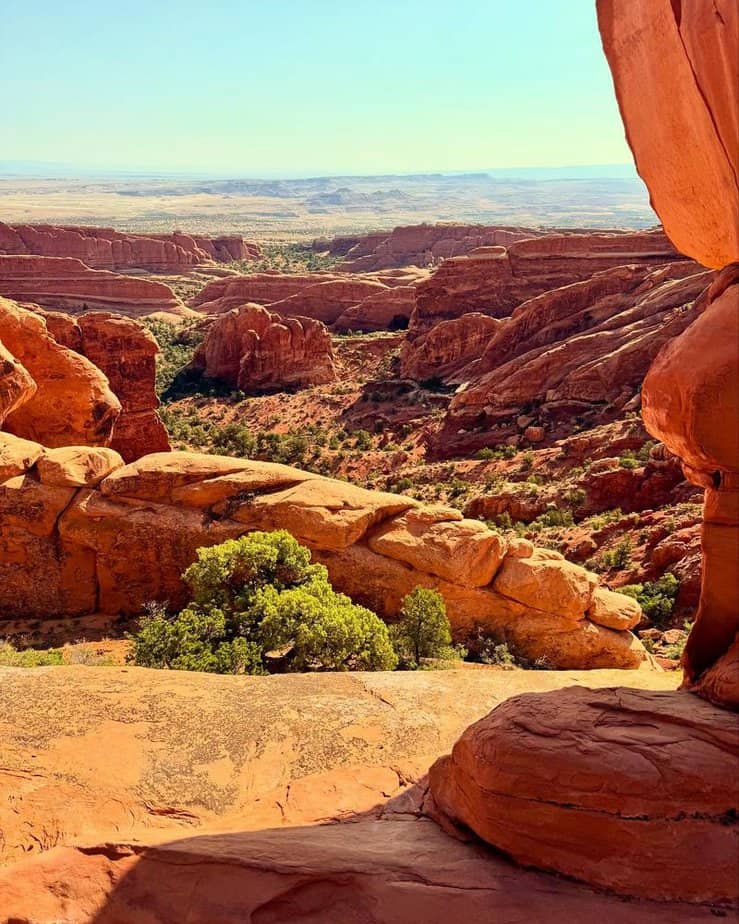
Arches National Park’s longest maintained trail takes you through a wonderland of sandstone fins, spires, and balanced rocks. The world-famous Landscape Arch spans an incredible 306 feet—longer than a football field and remarkably thin at its center.
Beyond this point, the trail becomes more adventurous with sections of rock scrambling and exposure that deter casual hikers. Seven named arches dot the route, with countless unnamed formations creating a geological playground.
Dawn brings soft light that makes the red sandstone glow from within. Consider camping at Devils Garden Campground to experience the park when day visitors have departed.
12. Hidden Canyon Trail, Zion National Park
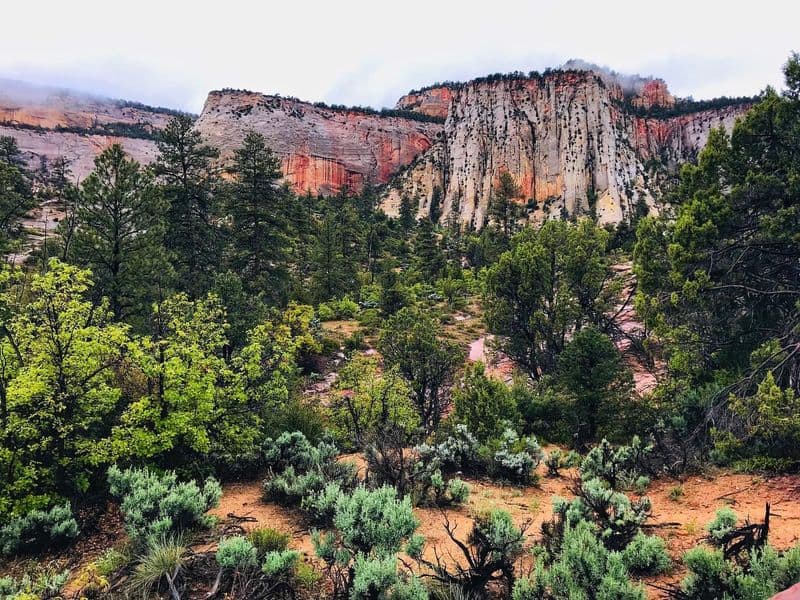
Carved into the side of Great White Throne, this trail combines thrilling exposure with the reward of a secluded “hanging” canyon. Chain-assisted sections help hikers navigate narrow ledges with steep drop-offs that would otherwise be impassable.
After the adrenaline-pumping approach, the hidden canyon itself offers a playground of boulder scrambles and natural features to explore. A small arch marks the official end of the maintained trail, though adventurous hikers often continue deeper into the narrowing gorge.
Look for evidence of past flash floods that have sculpted the smooth canyon walls into flowing shapes reminiscent of frozen waves.
13. The Hayduke Trail (Sections in Utah)
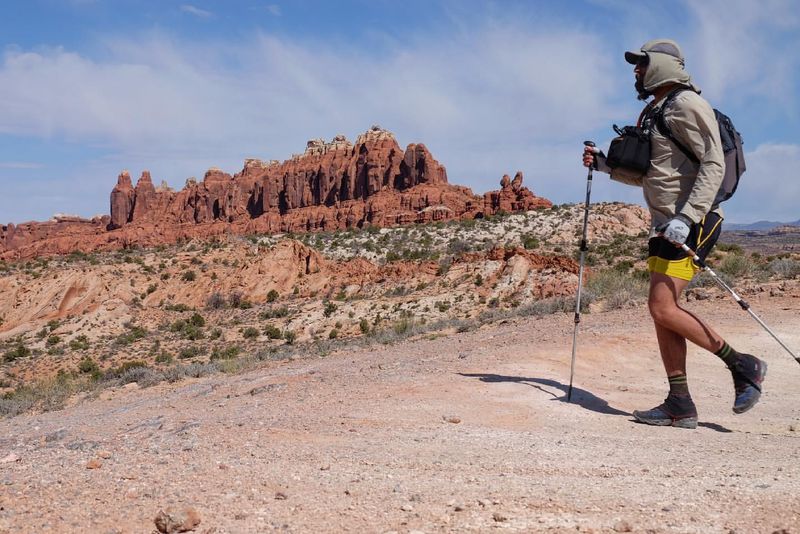
Named for the fictional eco-warrior from Edward Abbey’s novels, this 800-mile route represents the ultimate desert backpacking challenge. The Utah sections traverse six national parks, connecting them through some of America’s most remote and rugged terrain.
Navigation skills are essential as much of the trail follows unmarked routes across slickrock, through canyons, and along dry washes. Water sources are scarce and unreliable, requiring careful planning and sometimes heavy carries.
Few hikers complete the entire trail, but tackling sections offers manageable adventures through landscapes that few people ever experience. The route honors Abbey’s vision of preserving wilderness in its most untamed form.
14. Paria Canyon-Vermilion Cliffs Wilderness
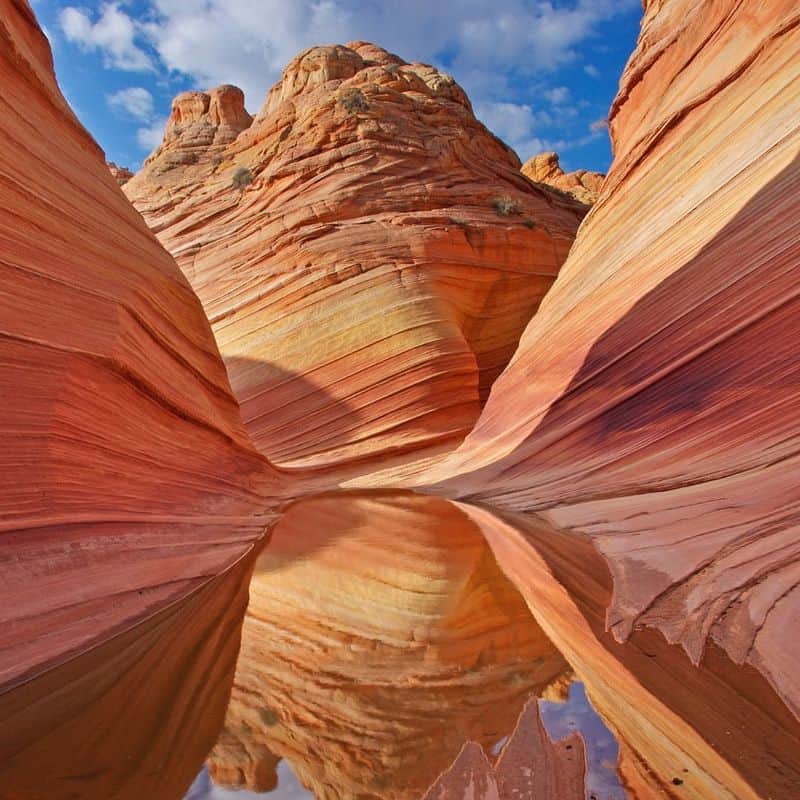
Follow the Paria River as it carves one of the world’s premier slot canyons through colorful sandstone layers. The journey begins at White House Trailhead and continues for over 38 miles before reaching Lee’s Ferry on the Colorado River.
Towering walls rise hundreds of feet overhead, narrowing to just a few feet wide in sections. The canyon’s colors shift throughout the day as sunlight plays across different rock layers.
Bucket-sized potholes, quicksand, and river crossings add adventure to this multi-day trek. Permits are strictly limited to protect this fragile environment where your footprints might be the only human sign for miles.