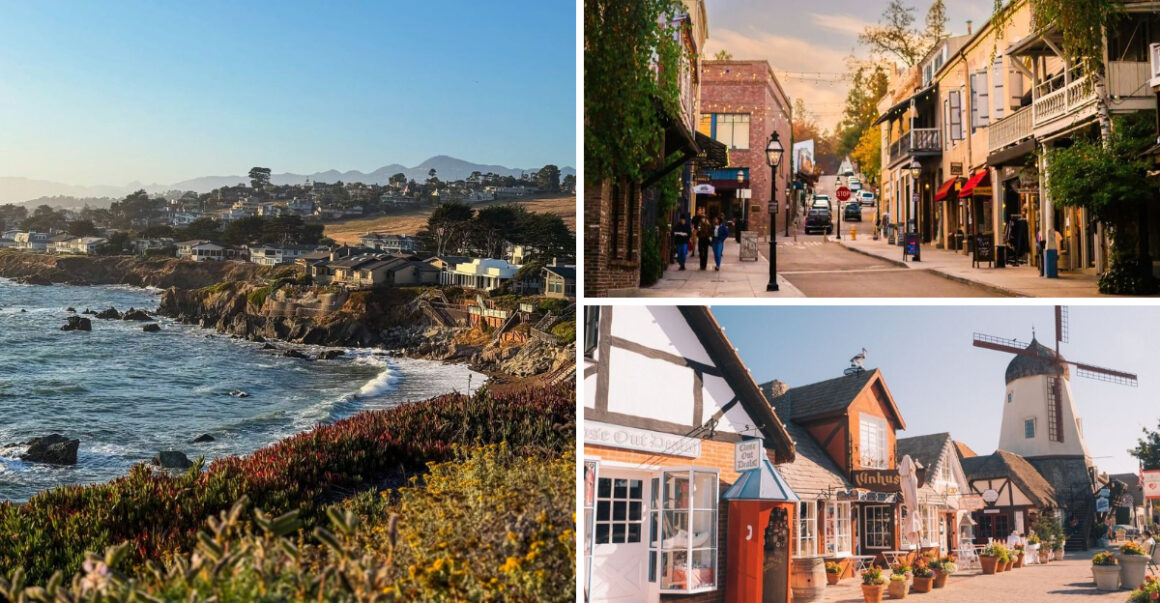
California isn’t just about glitzy Los Angeles or foggy San Francisco. Hidden throughout the Golden State are charming small towns packed with character and local flavor. From coastal villages with crashing waves to mountain hamlets surrounded by towering pines, these destinations offer authentic experiences you won’t find in big cities. Grab your car keys and discover these 14 small-town treasures that Californians treasure but tourists often overlook.
1. Mendocino
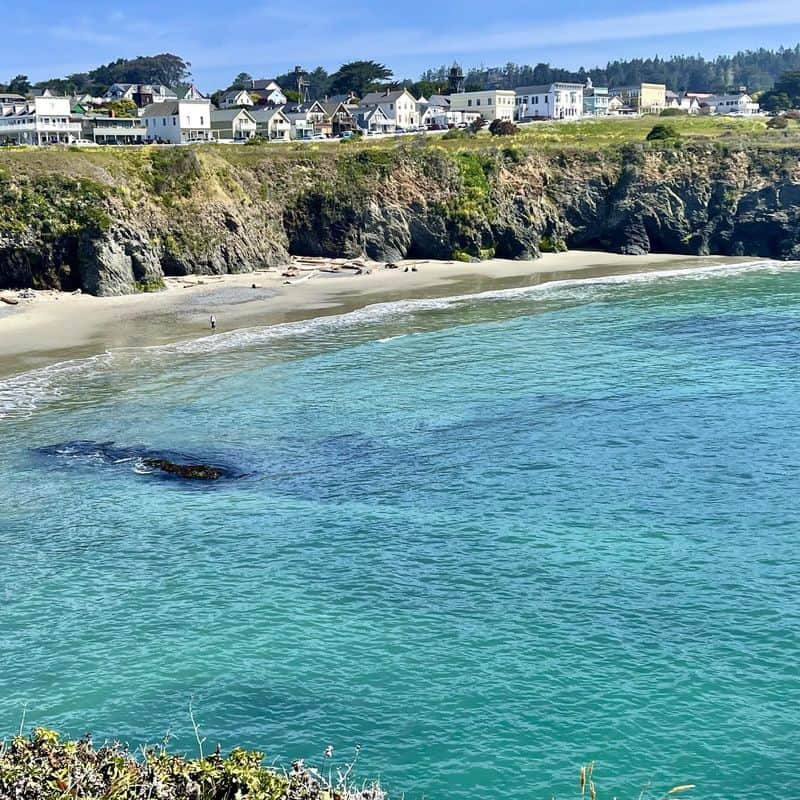
Perched on dramatic cliffs overlooking the Pacific, Mendocino captivates visitors with its New England-style architecture and bohemian spirit. Artists set up easels along blufftop paths while locals gather at cozy cafés.
The town’s Victorian buildings house galleries showcasing everything from handblown glass to driftwood sculptures. Nearby headlands offer spectacular whale watching during migration seasons.
For the full experience, stay in a historic water tower converted to a B&B, then explore the surrounding redwood forests. Locals recommend timing your visit for the Mendocino Music Festival when the town truly comes alive with performances in a tent overlooking the ocean.
2. Julian
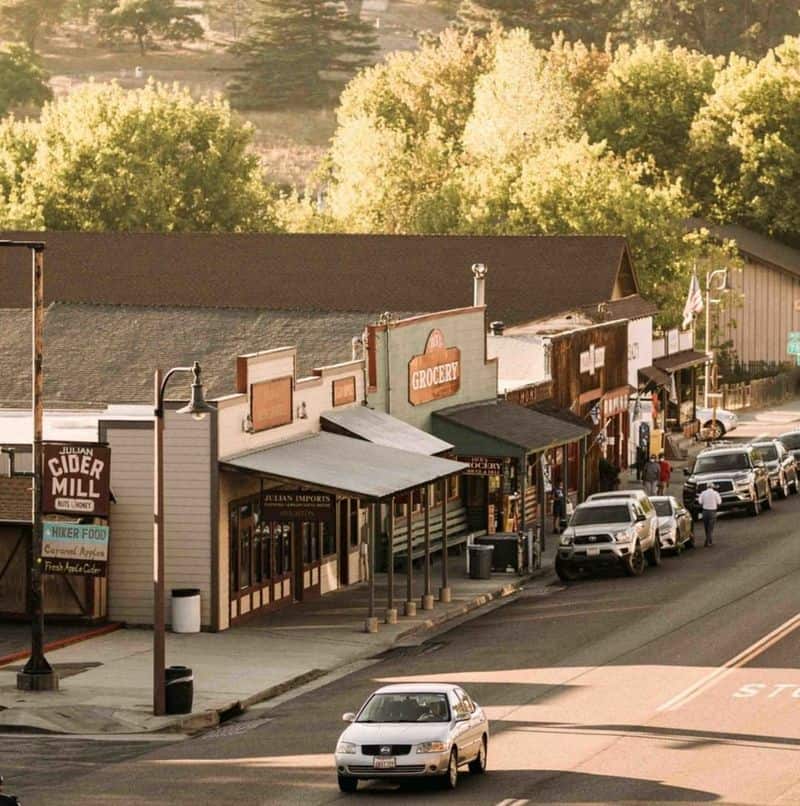
Gold fever brought the first settlers to Julian in the 1870s, but nowadays people flock here for something equally precious – homemade apple pie. Nestled in the Cuyamaca Mountains, this historic mining town transforms into a fall wonderland when apple season hits.
Main Street feels frozen in time with its wooden boardwalks and century-old buildings. The town’s famous pie shops often have lines stretching down the block, especially on weekends.
Winter brings occasional snowfall, creating a postcard-perfect mountain town scene rare in Southern California. Local tip: visit mid-week to avoid crowds and catch the Apple Days Festival in September when the whole town celebrates its signature fruit.
3. Nevada City
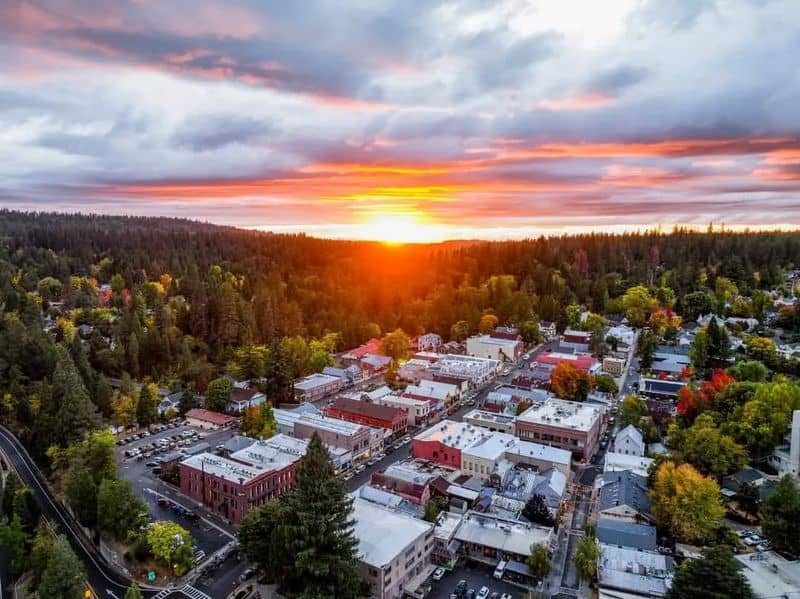
Gold Rush history meets bohemian culture in this Sierra foothills gem. Victorian buildings line the downtown streets where miners once traded gold dust for supplies. Today, these same storefronts house bookshops, farm-to-table eateries, and quirky boutiques.
The Yuba River flows nearby, creating swimming holes that locals guard as closely as gold claims. During summer, these emerald pools become natural gathering spots.
Winter transforms Nevada City into a magical scene straight from a Dickens novel during the annual Victorian Christmas celebration. The town’s historic Nevada Theatre, California’s oldest operating theater west of the Mississippi, still hosts performances nearly every weekend – a tradition dating back to 1865.
4. Carmel-by-the-Sea
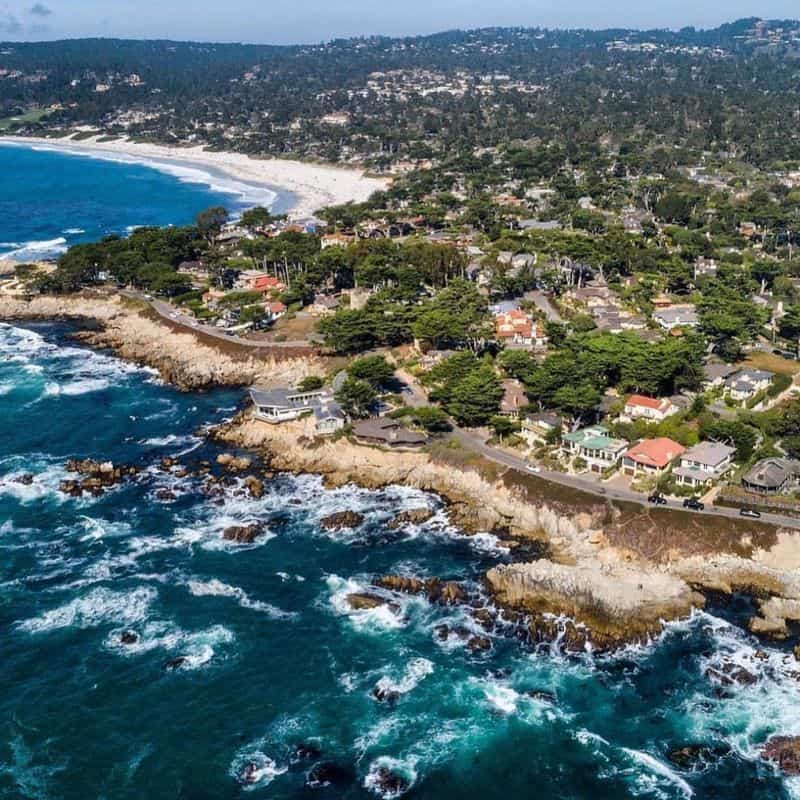
Fairy-tale cottages with names instead of street addresses create an enchanted village atmosphere in this coastal haven. Carmel’s founders – primarily artists and writers seeking refuge from city life – established a community where creativity and nature coexist perfectly.
Wander down secret passageways between buildings to discover hidden courtyards and gardens. The pristine white-sand beach at sunset draws locals who gather for the nightly ritual of watching the sun sink into the Pacific.
Dogs run leash-free on the beach while their owners picnic nearby. Longtime residents suggest exploring early mornings when fog wraps the cypress trees in mystery and the bakeries fill the air with tempting aromas. Don’t miss the historic Carmel Mission with its stunning gardens.
5. Ojai
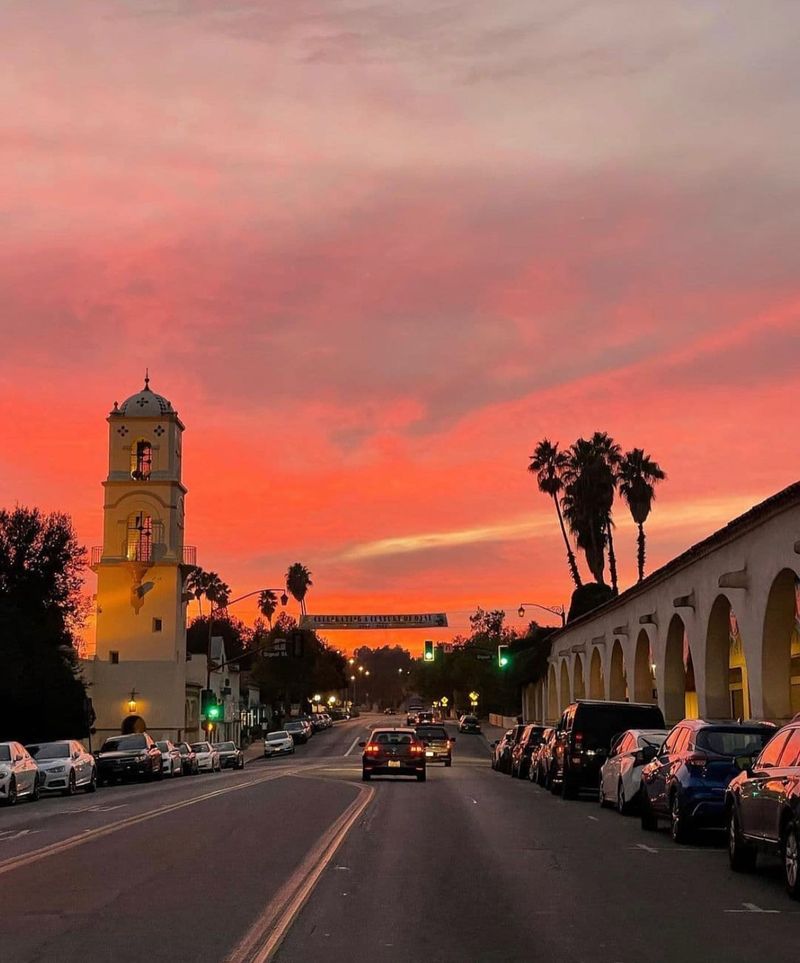
Spiritual seekers and stressed-out city dwellers have found sanctuary in this valley town for generations. Nestled between protective mountain ranges, Ojai experiences the famous “pink moment” at sunset when the surrounding Topatopa Mountains glow rose-colored.
Arcade Plaza, the town’s Spanish-style shopping area, houses independent bookstores and crystal shops instead of chain stores. Farmers markets showcase the bounty of local orchards – especially Ojai’s famous pixie tangerines available each spring.
Meditation centers and retreat spaces dot the outskirts of town, while outdoor enthusiasts hit nearby hiking trails. The community fiercely protects its small-town character – there’s not a single fast-food chain in sight. Locals recommend experiencing the Ojai Music Festival or stargazing from Meditation Mount.
6. Cambria
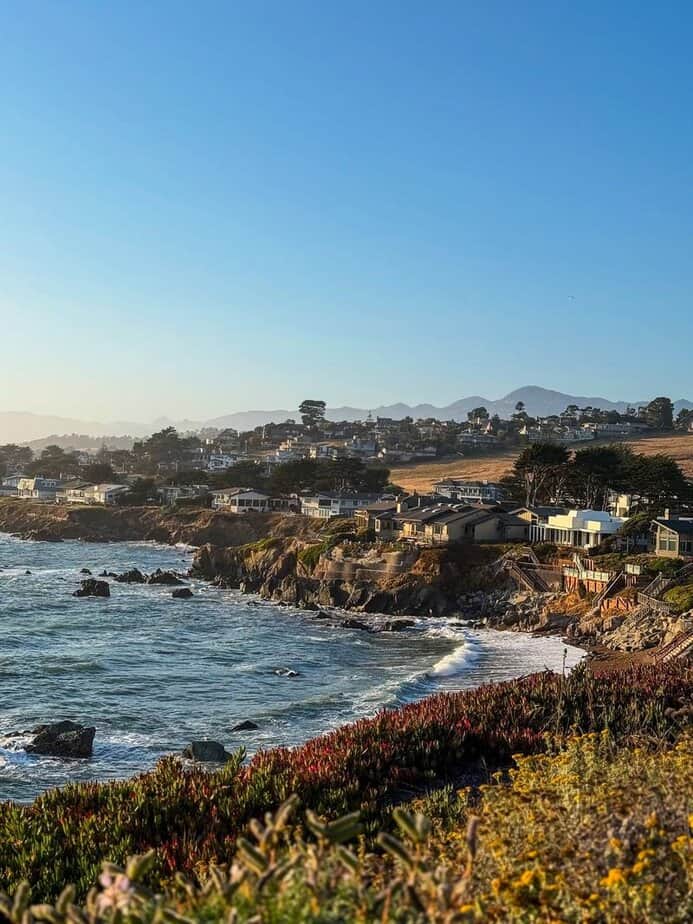
Morning fog rolls through pine forests before revealing this seaside village tucked between Highway 1 and the rugged Central Coast. Moonstone Beach draws beachcombers searching for the smooth, colorful stones that wash ashore after storms.
The downtown consists of two distinct villages – East and West – connected by a road that follows the path of Santa Rosa Creek. Art studios and antique shops occupy historic buildings where shopkeepers greet visitors by name.
Zebras sometimes appear in fields near town, descendants from William Randolph Hearst’s private zoo. Locals swear by the olallieberry pie at Linn’s and recommend timing your visit for the Scarecrow Festival in October when hundreds of creative scarecrows line the streets.
7. Ferndale
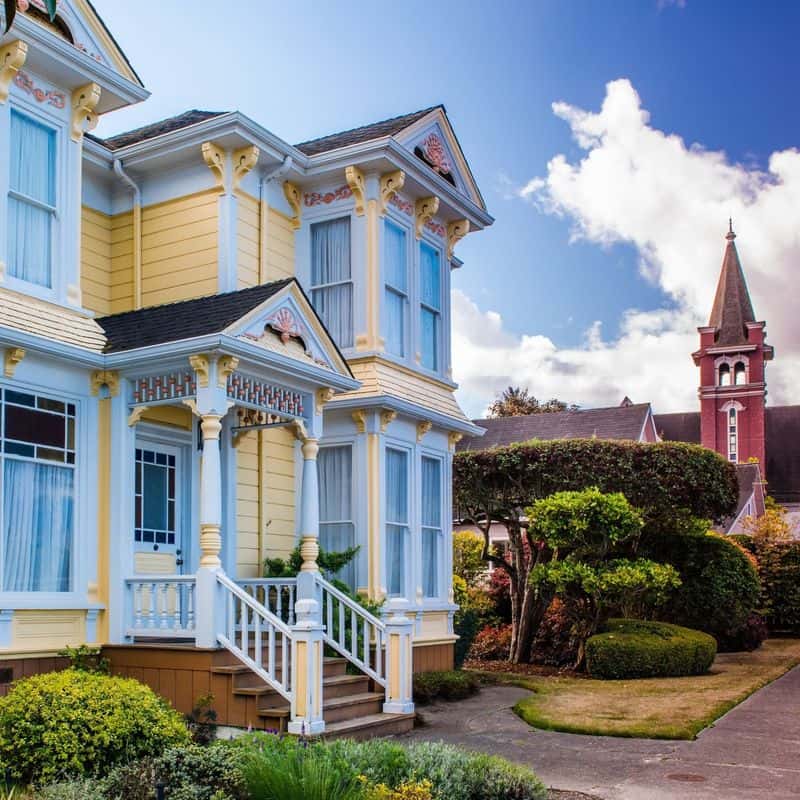
Victorian splendor meets dairy farming traditions in this northern outpost near California’s Lost Coast. Ornate buildings painted in bright colors earned Ferndale the nickname “Butterfat Palaces” – testaments to the prosperity of dairy farmers who built them in the late 1800s.
Main Street remains virtually unchanged since its heyday, with not a chain store in sight. The town cemetery on the hillside offers peaceful views of the Eel River Valley and a glimpse into the past.
Ferndale celebrates its quirky spirit with events like the Kinetic Grand Championship – a three-day race of human-powered art sculptures. Residents recommend visiting the Ferndale Museum to see the town’s original switchboard and grabbing homemade ice cream at the old-fashioned creamery before exploring nearby beaches.
8. Murphys
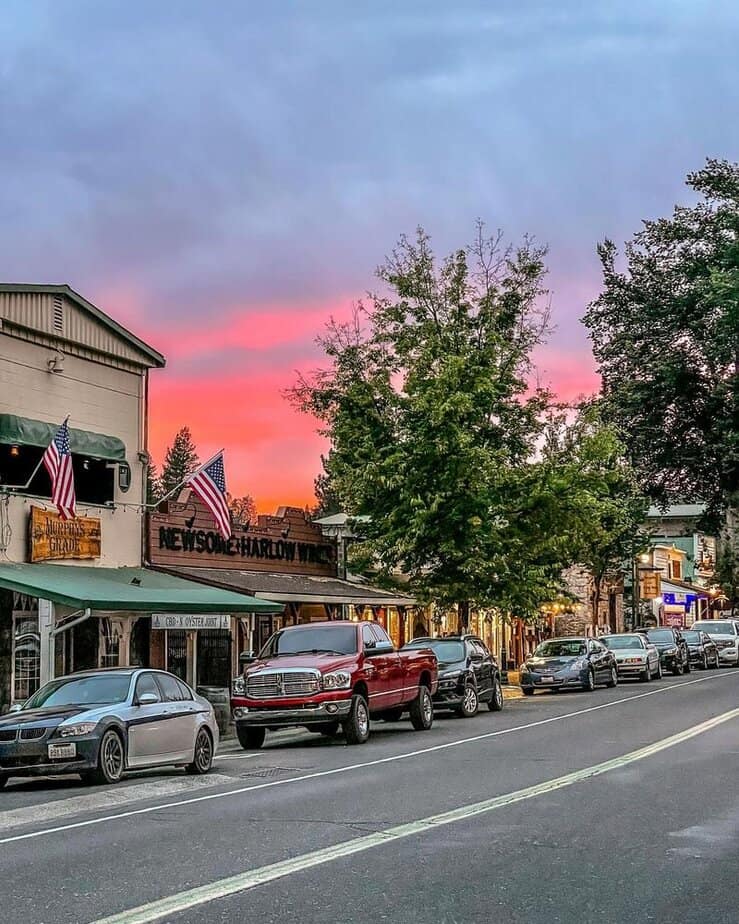
Gold miners have been replaced by wine enthusiasts in this Sierra foothills town where tasting rooms now outnumber saloons. Historic Murphys maintains its Gold Rush charm while embracing its newer identity as a wine destination.
Massive black locust trees planted in the 1880s shade the main street where limestone buildings house restaurants serving farm-to-table cuisine. The natural limestone cave just outside town offers underground tours and summer concerts in its main chamber.
Calaveras Big Trees State Park nearby protects ancient sequoias that have stood watch over the region for thousands of years. Residents suggest visiting during the open house event each December when historic homes open their doors and wineries pour special vintages. Don’t miss the jumping frog competition that pays homage to Mark Twain’s famous story.
9. Los Olivos
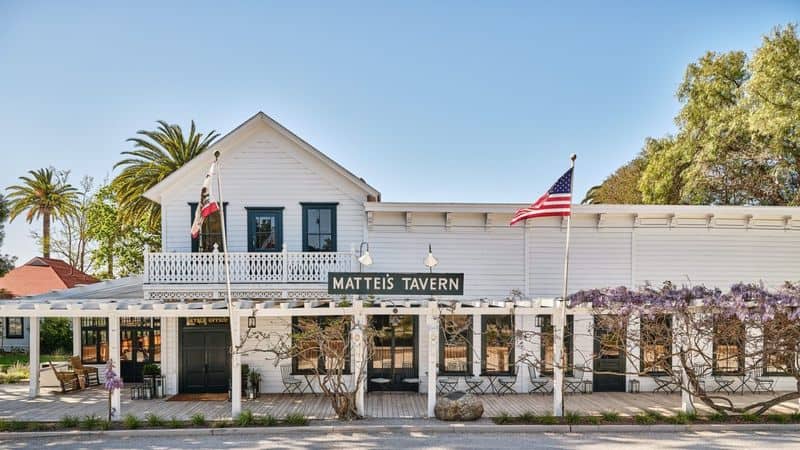
Flagpoles instead of traffic lights mark intersections in this tiny Santa Ynez Valley town that’s become wine country royalty. What began as a stagecoach stop has evolved into a sophisticated destination where tasting rooms occupy historic buildings and converted homes.
The town’s layout encourages wandering – visitors park once and explore on foot, discovering artisan shops and galleries between wine tastings. Rolling hills covered with vineyards surround the town, creating postcard views in every direction.
Made famous in the film “Sideways,” Los Olivos maintains its unpretentious charm despite growing popularity. Longtime residents recommend visiting on weekdays to avoid crowds and exploring the backroads where family farms sell lavender, olive oil, and seasonal produce directly to visitors.
10. Grass Valley
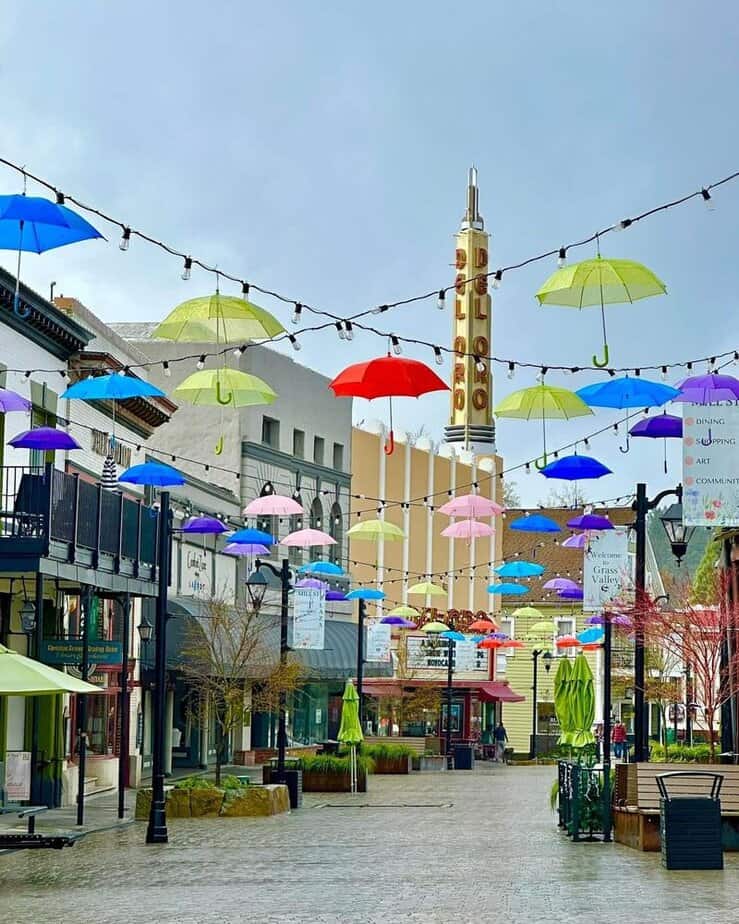
Mining heritage runs deep in this foothill town where Cornish immigrants once descended into gold mines. Their legacy lives on in Grass Valley’s pasties – savory meat pies still made using traditional recipes – and the annual Cornish Christmas celebration.
The downtown historic district preserves Gold Rush architecture while housing modern businesses. The Empire Mine State Historic Park allows visitors to peer into one of California’s oldest, deepest, and richest gold mines.
Musicians regularly perform at the Center for the Arts, housed in a renovated veterans hall. Locals recommend timing your visit for the Thursday Night Market when the main street closes to traffic and transforms into a community celebration with live music, farm stands, and food vendors serving everything from Thai food to those famous Cornish pasties.
11. Sutter Creek
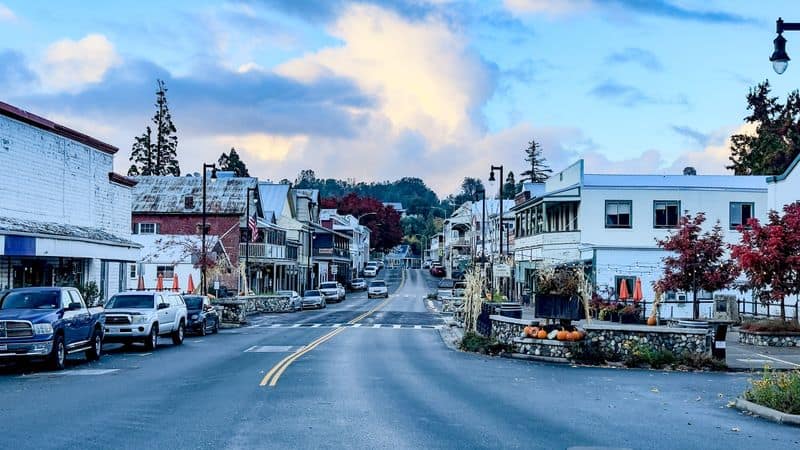
Gold Rush heritage permeates every corner of this Sierra foothills town named after the man whose mill discovery sparked California’s famous gold rush. Main Street’s well-preserved 19th-century buildings now house antique shops, restaurants, and tasting rooms instead of mining supply stores.
The Knight Foundry, America’s last water-powered foundry and machine shop, still stands as a working testament to industrial ingenuity. Visitors can tour historic mines that once yielded millions in gold.
The sound of rushing water from Sutter Creek itself provides a constant backdrop to town life. Residents recommend exploring the cemetery on the hill for views and history, then sampling Amador County wines in the tasting rooms along Main Street. For the full experience, stay in one of the historic hotels where gold miners once rested.
12. Solvang
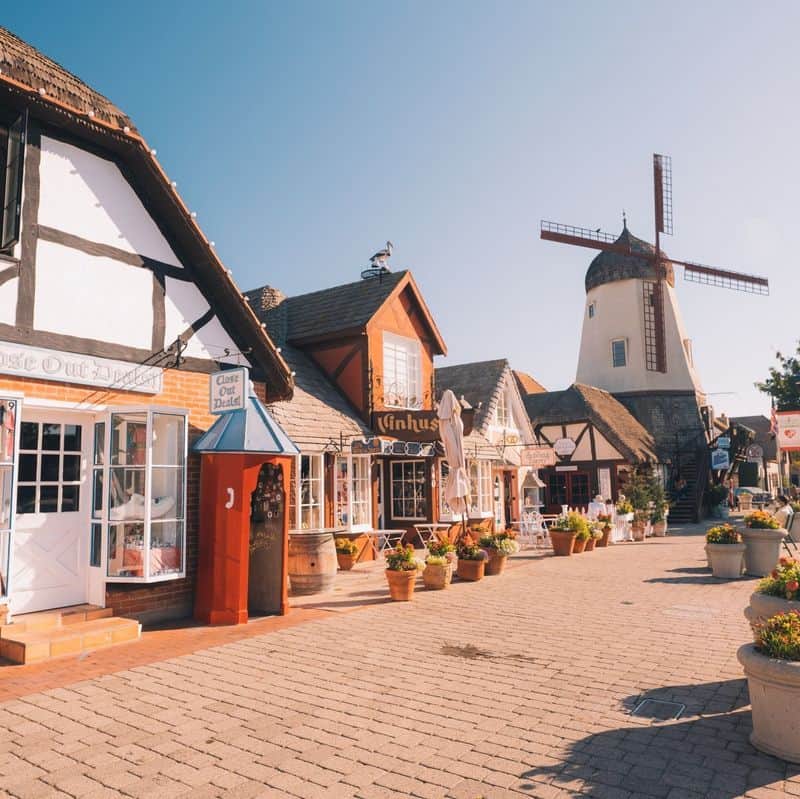
Danish immigrants created this European village in the Santa Ynez Valley, complete with windmills, half-timbered buildings, and a round tower modeled after Copenhagen’s Round Tower. Walking the streets feels like stepping into a Hans Christian Andersen storybook.
Bakeries produce traditional Danish pastries like aebleskiver – spherical pancakes served with raspberry jam and powdered sugar. The town celebrates its heritage with festivals throughout the year, including Danish Days in September.
Beyond Danish culture, Solvang serves as a gateway to Santa Barbara wine country. Horse ranches dot the surrounding countryside, and the Elverhøj Museum preserves the town’s Danish-American pioneer history. Locals suggest renting a surrey bike to explore town and visiting on weekdays to avoid the weekend tourist rush.
13. Calistoga
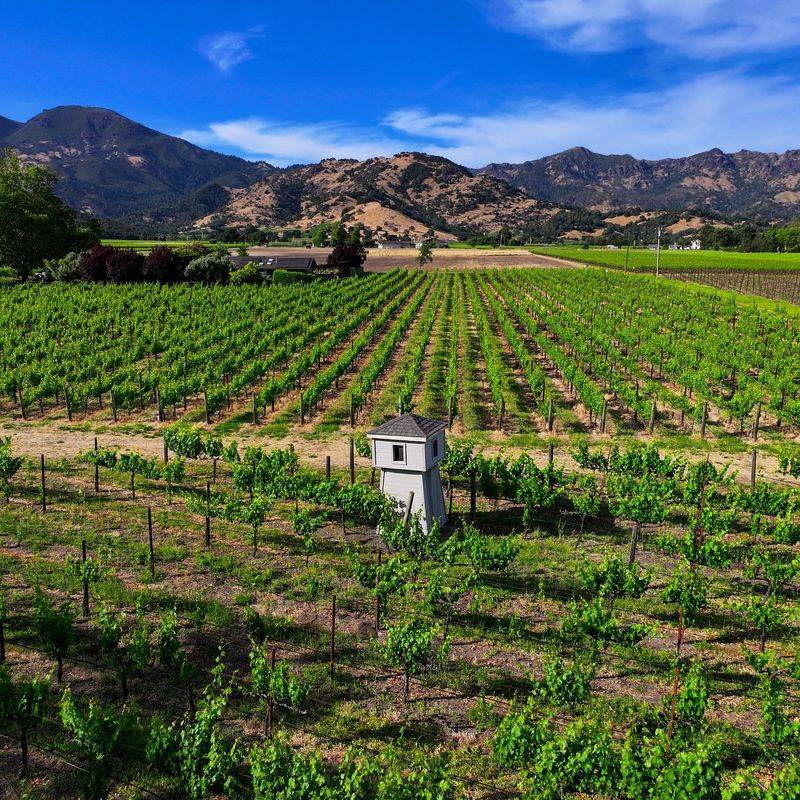
Volcanic activity beneath this northern Napa Valley town creates the hot springs and mud baths that have drawn visitors since the 1800s. Calistoga maintains its rustic, unpretentious character despite being surrounded by some of America’s most prestigious wineries.
Lincoln Avenue, the main thoroughfare, features Western-style buildings housing spas, restaurants, and tasting rooms. Nearby, the Old Faithful Geyser of California erupts regularly, sending mineral-rich water skyward.
The petrified forest just outside town preserves ancient redwoods turned to stone by volcanic ash from Mount St. Helena’s eruption 3.4 million years ago. Locals recommend visiting mid-week when spas offer discounts and suggest experiencing the town’s famous mud baths followed by a glass of local wine. Don’t miss the natural beauty of Robert Louis Stevenson State Park nearby.
14. Trinidad
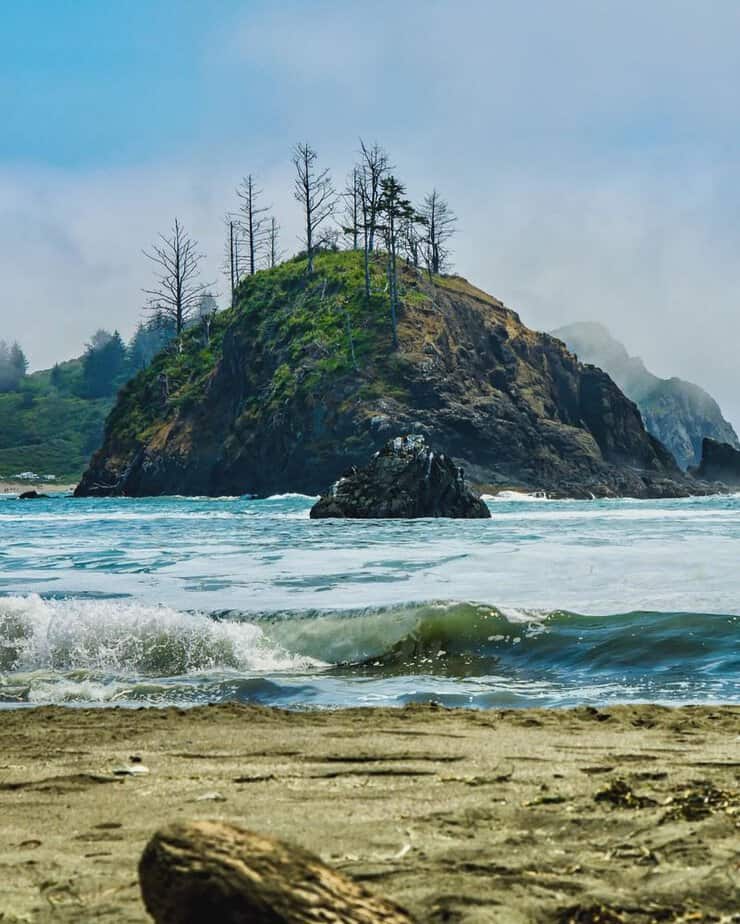
Fishing boats bob in the protected harbor of this seaside town perched on bluffs above the crashing Pacific. Trinidad’s working harbor continues traditions dating back generations, with commercial fishermen bringing in salmon, crab, and rockfish alongside recreational boats.
The town’s iconic lighthouse sits on Trinidad Head, accessible by a trail that circles the massive rock formation. Nearby beaches feature dramatic sea stacks and tide pools teeming with starfish, anemones, and other marine creatures.
The Yurok and Tsurai people considered this area sacred long before European settlement. Their heritage remains visible at the Trinidad Museum. Residents recommend visiting the Memorial Lighthouse at sunset, then enjoying fresh seafood at a harbor restaurant. For the best experience, time your visit to coincide with the annual Fish Festival when the entire town celebrates its maritime heritage.