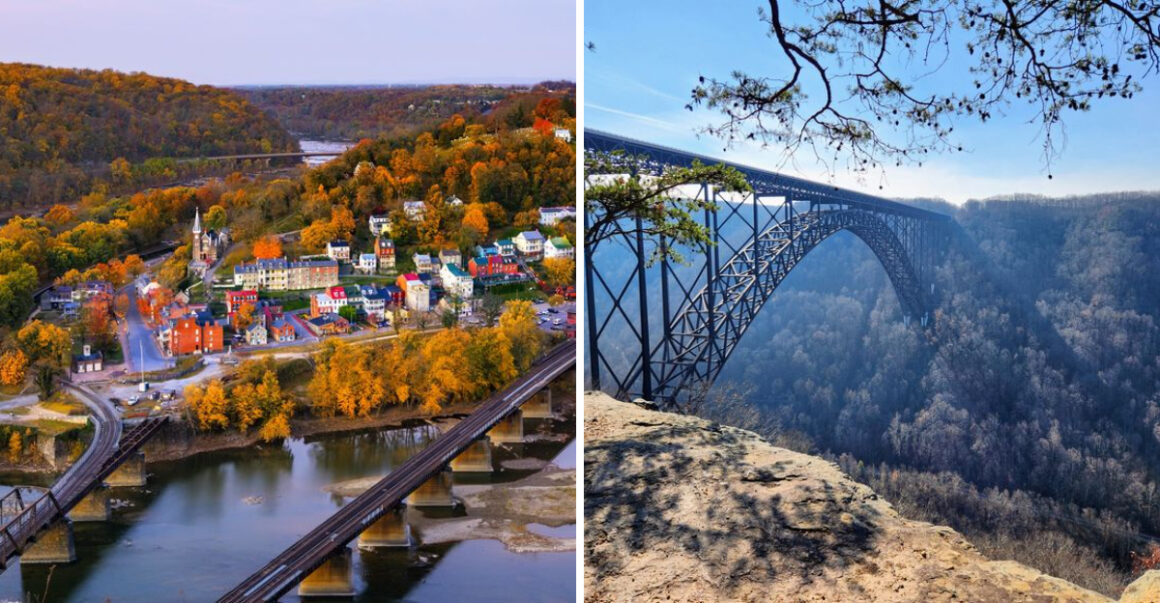
West Virginia’s winding roads lead to some of America’s most breathtaking natural wonders and historical treasures. From towering waterfalls to mysterious caverns, this Mountain State packs incredible diversity into its borders. Pack your camera, grab some snacks, and get ready to explore these unforgettable spots that showcase the very best of wild, wonderful West Virginia.
1. New River Gorge Bridge – Fayetteville
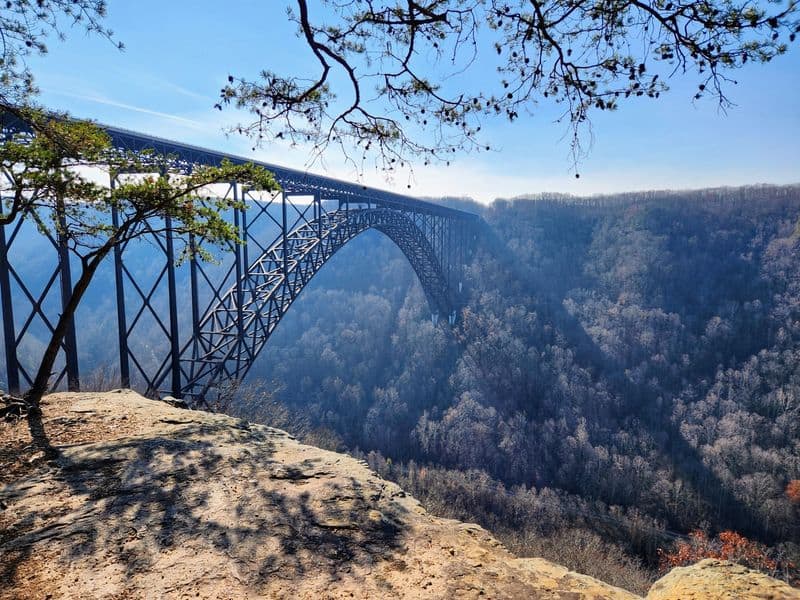
Standing 876 feet above the rushing New River, this engineering marvel stretches across the sky like a steel rainbow. The third-highest bridge in America offers heart-stopping views that change dramatically with the seasons.
Brave visitors can book the Bridge Walk tour and traverse the catwalk beneath the roadway—a thrilling perspective that few ever experience. The annual Bridge Day festival transforms this landmark into an extreme sports venue where base jumpers leap from its dizzying height.
For less adventurous travelers, the nearby visitor center provides excellent photo opportunities and fascinating exhibits about the gorge’s natural and human history.
2. Lost World Caverns – Lewisburg
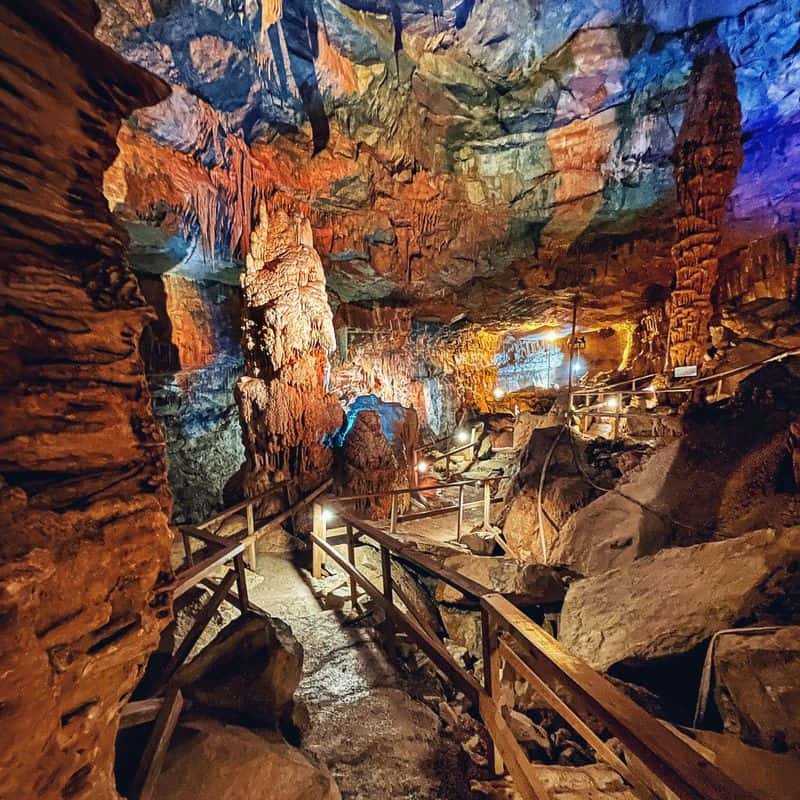
Beneath the rolling hills of Greenbrier County lies an underground wonderland waiting to be discovered. A single chamber stretching the length of a football field reveals nature’s artistic genius through formations that have grown undisturbed for millennia.
The self-guided walking tour leads visitors past the impressive 30-foot Snowy Chandelier stalactite and the eerie War Club formation. Temperature inside remains a constant 52 degrees year-round, making this subterranean adventure perfect regardless of weather above.
For serious cave enthusiasts, the Wild Cave Tour offers a four-hour crawling expedition through undeveloped sections where you’ll get delightfully muddy exploring passages few ever see.
3. Cass Scenic Railroad – Cass
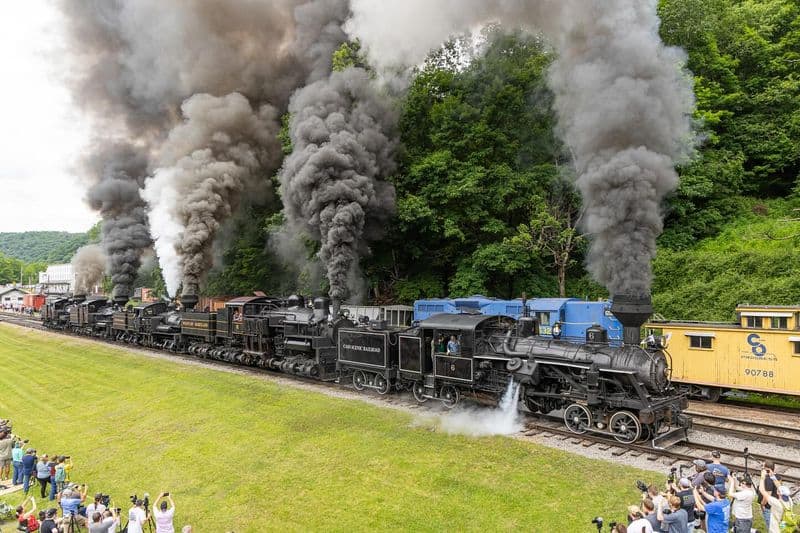
The whistle blows, steam billows, and suddenly you’re transported back to the early 1900s lumber boom. These restored Shay locomotives once hauled timber down from the mountains; today they carry passengers on a nostalgic journey through time.
The train climbs an impressive 11% grade (among the steepest in the world) as it chugs up Bald Knob, West Virginia’s second-highest point. The four-hour round trip rewards riders with spectacular panoramic views that stretch for miles across the Allegheny Mountains.
Former company houses in Cass have been converted into cozy overnight accommodations, allowing visitors to fully immerse themselves in this perfectly preserved logging town.
4. Blackwater Falls State Park – Davis
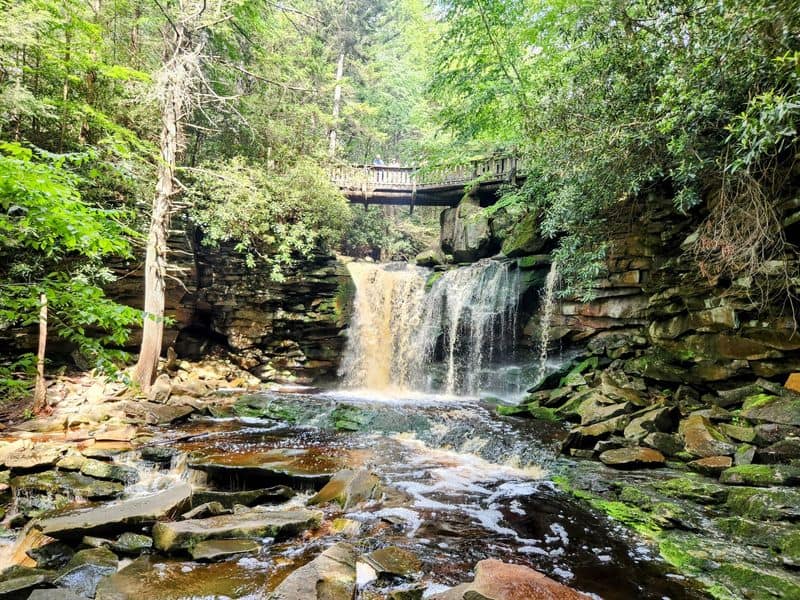
The amber-colored water plunges dramatically over a 57-foot drop, creating one of Appalachia’s most photographed natural wonders. The distinctive color comes from tannic acid released by fallen hemlock and red spruce needles.
A series of wooden boardwalks and steps lead to various viewing platforms, making the falls accessible year-round. Winter transforms the cascade into a massive ice sculpture, while autumn surrounds it with a kaleidoscope of reds and golds.
Beyond the main attraction, the park offers 20 miles of hiking trails, a peaceful lake for paddling, and Lindy Point—an overlook providing spectacular views of Blackwater Canyon stretching eight miles long and 1,000 feet deep.
5. The Greenbrier – White Sulphur Springs

Nicknamed ‘America’s Resort,’ this grand white-columned palace has welcomed guests since 1778, including 26 U.S. presidents. Its Dorothy Draper-designed interiors feature bold colors and patterns that create an atmosphere of playful elegance unlike anywhere else.
Hidden beneath the west wing lies the former government relocation facility—a massive bunker built during the Cold War to house Congress in case of nuclear attack. The fascinating bunker tour reveals this secret installation that remained classified until 1992.
Even if you’re not staying overnight, visitors can enjoy afternoon tea in the lobby, stroll the meticulously landscaped grounds, or try their luck at the casino tucked discreetly beneath the main building.
6. Seneca Rocks – Pendleton County
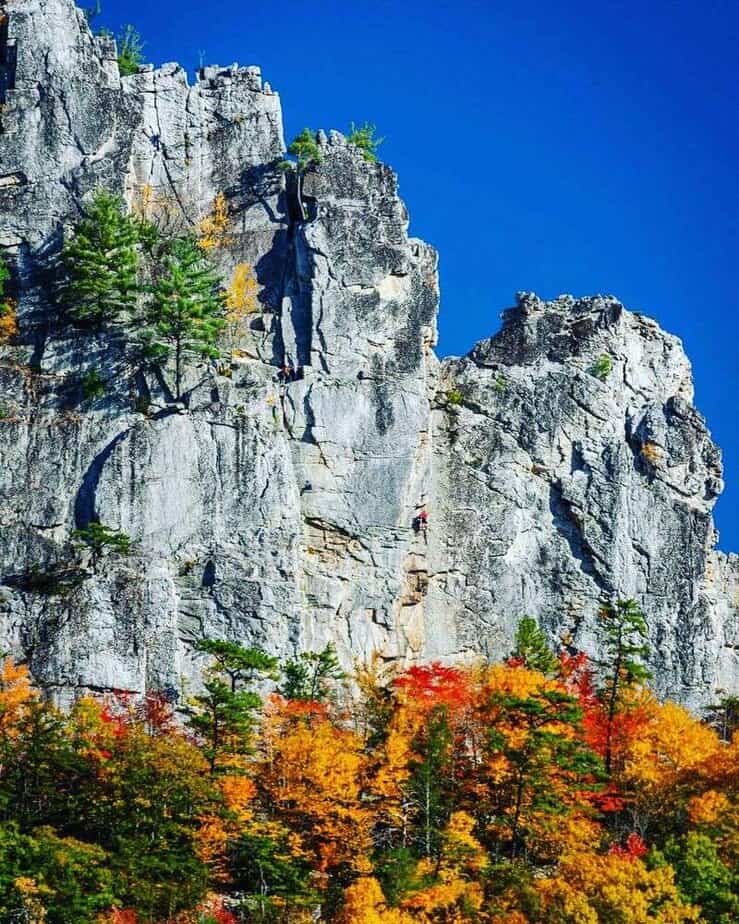
Rising nearly 900 feet above the North Fork River, these dramatic white-gray quartzite fins create a jagged silhouette against the sky that seems to belong more in the American West than Appalachia. Rock climbers flock to tackle over 375 mapped routes on these ancient formations.
For non-climbers, a moderately challenging 1.3-mile trail leads to an observation platform with sweeping views of Germany Valley and the surrounding mountains. The distinctive geology formed over 440 million years ago when these vertical layers were pushed upward by intense pressure.
Visit the nearby Seneca Rocks Discovery Center to learn about the area’s natural history and the Native Americans who first navigated these imposing stone towers centuries before modern climbing equipment existed.
7. Harpers Ferry
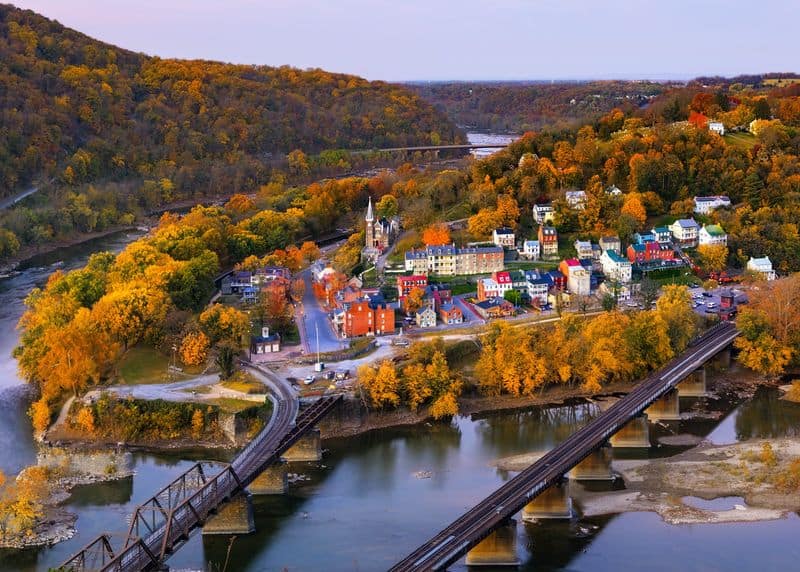
Perched at the dramatic confluence of the Potomac and Shenandoah rivers, this historic town seems frozen in time. Stone buildings and narrow streets climb the steep hillside, creating a living museum where John Brown’s 1859 raid helped ignite the Civil War.
The lower town buzzes with museums, demonstrations, and period-costumed interpreters who bring the past vividly to life. Maryland Heights trail across the river rewards hikers with the most spectacular view of the town, rivers, and surrounding mountains.
Nature and history intertwine perfectly here—the Appalachian Trail runs directly through town, and three states (West Virginia, Virginia, and Maryland) meet at this scenic spot that Thomas Jefferson described as “worth a voyage across the Atlantic.”
8. Trans-Allegheny Lunatic Asylum – Weston
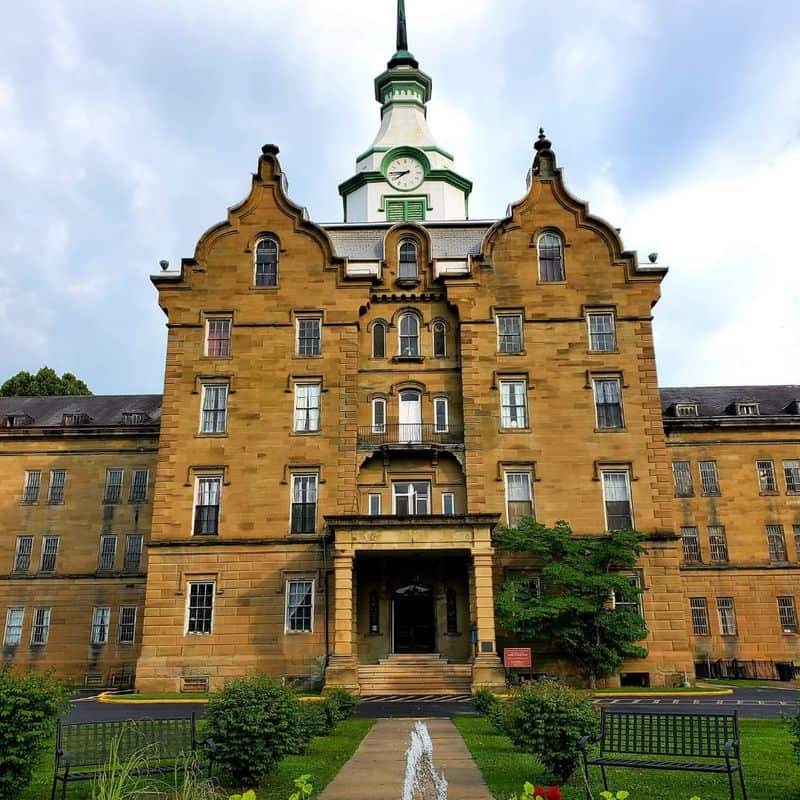
Gothic towers and imposing sandstone walls house America’s largest hand-cut stone masonry building—once a state hospital for the mentally ill. Constructed between 1858-1881, this massive structure operated for nearly 150 years before closing in 1994.
Daytime historical tours explore the main building’s architecture and the evolution of mental health treatment through the decades. More adventurous visitors can book after-dark paranormal tours to investigate reported ghostly activities in what’s considered one of America’s most haunted locations.
The sprawling 242,000-square-foot facility sits on landscaped grounds designed by the same architect who created Central Park. Its imposing presence serves as both a fascinating historical site and a sobering reminder of past approaches to mental healthcare.
9. Dolly Sods Wilderness – Monongahela National Forest
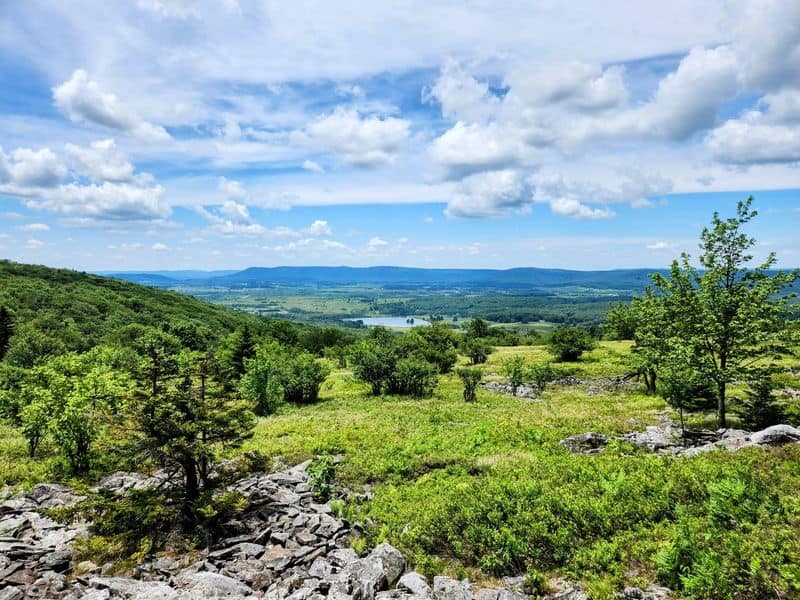
Wind-stunted flagged spruce trees and rocky plains create landscapes that feel more like northern Canada than the mid-Atlantic. Sitting atop the highest plateau east of the Mississippi, this unique ecosystem was shaped by logging, fires, and harsh weather.
Red Creek’s tea-colored waters wind through cranberry bogs and meadows filled with blueberries and huckleberries. Fall transforms the open areas into a stunning tapestry of crimson blueberry bushes and golden grasses beneath consistently dramatic skies.
Hikers should come prepared for rapidly changing weather and challenging terrain—including some areas still containing unexploded ordnance from WWII training exercises. The reward? Solitude and scenery unlike anywhere else in the eastern United States.
10. Thurmond
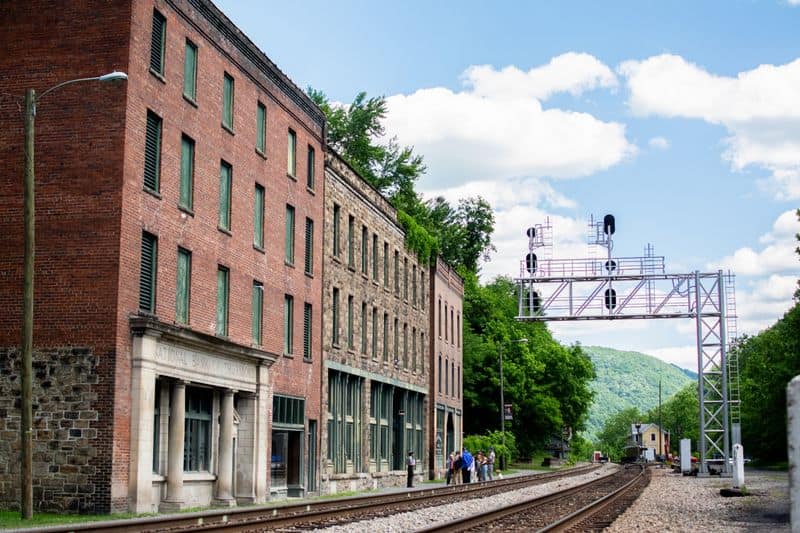
Once a booming railroad town with hotels, banks, and a population of several hundred, Thurmond now stands as a perfectly preserved ghost town within New River Gorge National Park. The historic depot has been converted into a visitor center that tells the story of this coal boom community.
Walking the quiet main street today, it’s hard to imagine this was once known as “the wildest town in West Virginia”—where miners and railroad men gambled fortunes in establishments that operated 24 hours a day. The Dun Glen Hotel reportedly hosted the world’s longest-lasting poker game—14 years straight!
Several original buildings remain intact, including the Thurmond National Bank and commercial structures that appear ready for business despite being abandoned decades ago.
11. Babcock State Park – Clifftop
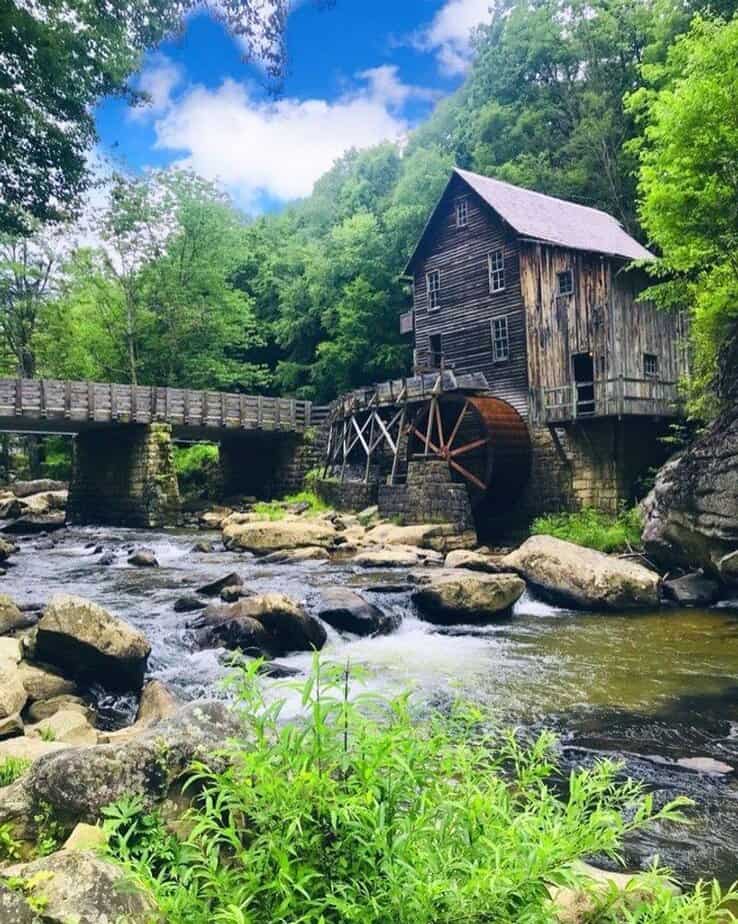
The Glade Creek Grist Mill stands as West Virginia’s most photographed landmark—a rustic wooden structure perched beside a tumbling stream. Built in 1976 from parts of three historic mills, this fully-functional replica grinds corn into meal available for purchase during summer months.
Photographers flock here each autumn when the surrounding forest erupts in fiery colors reflected in the creek’s pools. Twenty miles of hiking trails wind through the 4,127-acre park, leading to hidden waterfalls and scenic overlooks.
Visitors can rent one of the park’s charming legacy cabins built by the Civilian Conservation Corps in the 1930s. These stone and timber structures offer a cozy base for exploring this quintessential slice of Appalachian beauty.
12. Fayetteville
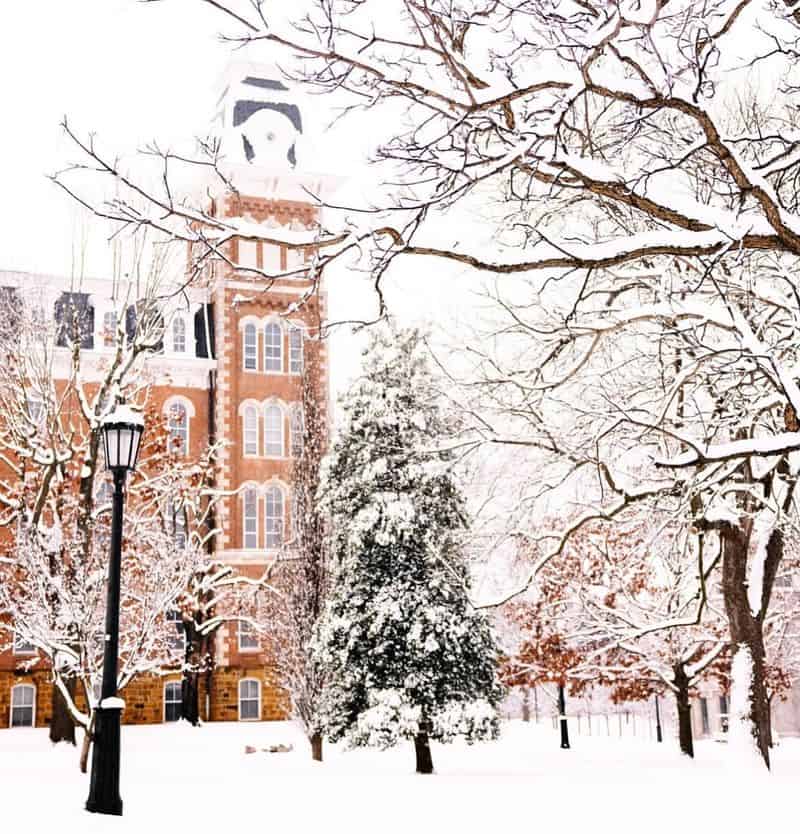
Recognized as one of America’s “Coolest Small Towns,” this riverside community blends outdoor adventure with small-town charm. Historic buildings house eclectic shops, farm-to-table restaurants, and cozy coffee houses where rafting guides swap stories with visiting climbers.
Cathedral Cafe, housed in a converted church complete with stained glass windows, serves as the town’s living room where locals and visitors mingle over locally-roasted coffee. Nearby, Secret Sandwich Society crafts gourmet sandwiches named after presidents in a renovated historic home.
Beyond the vibrant downtown, Fayetteville serves as the gateway to world-class whitewater rafting on the New and Gauley rivers. Outfitters line the main street, ready to equip adventurers for unforgettable days on some of America’s best rapids.
13. Cranberry Glades Botanical Area – Hillsboro
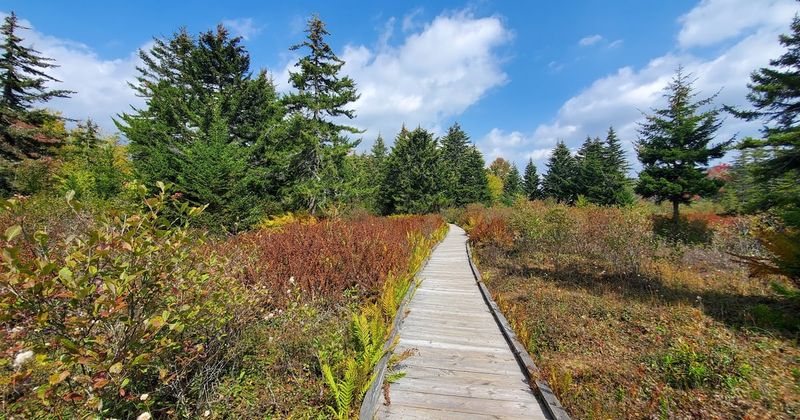
Step onto the wooden boardwalk and enter an ecosystem more commonly found in northern Canada or Alaska. These rare sphagnum bogs formed 10,000 years ago during the last ice age, creating acidic wetlands where carnivorous plants thrive alongside orchids and cranberries.
The half-mile accessible boardwalk loop protects the fragile environment while allowing visitors to experience this botanical treasure. Listen for the distinctive songs of northern birds that find their southernmost habitat in this cool microclimate.
Spring brings a explosion of wildflowers, while fall transforms the surrounding mountains into a riot of color. The nearby Cranberry Mountain Nature Center offers excellent exhibits explaining this unique ecosystem that covers just 750 acres but harbors plant species found nowhere else in the region.