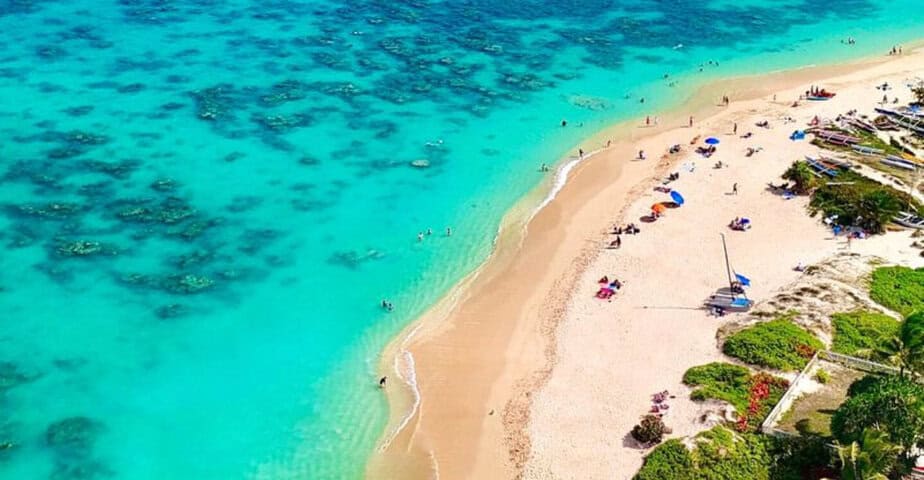
Hawaii is a dream destination with its stunning beaches, volcanic landscapes, and rich cultural heritage. Planning my first trip to these beautiful islands left me both excited and overwhelmed by all the possibilities. Looking back, there were several things I wish someone had told me before I packed my bags and boarded that plane to paradise.
1. Island Hopping Sounds Easy—But Takes Time
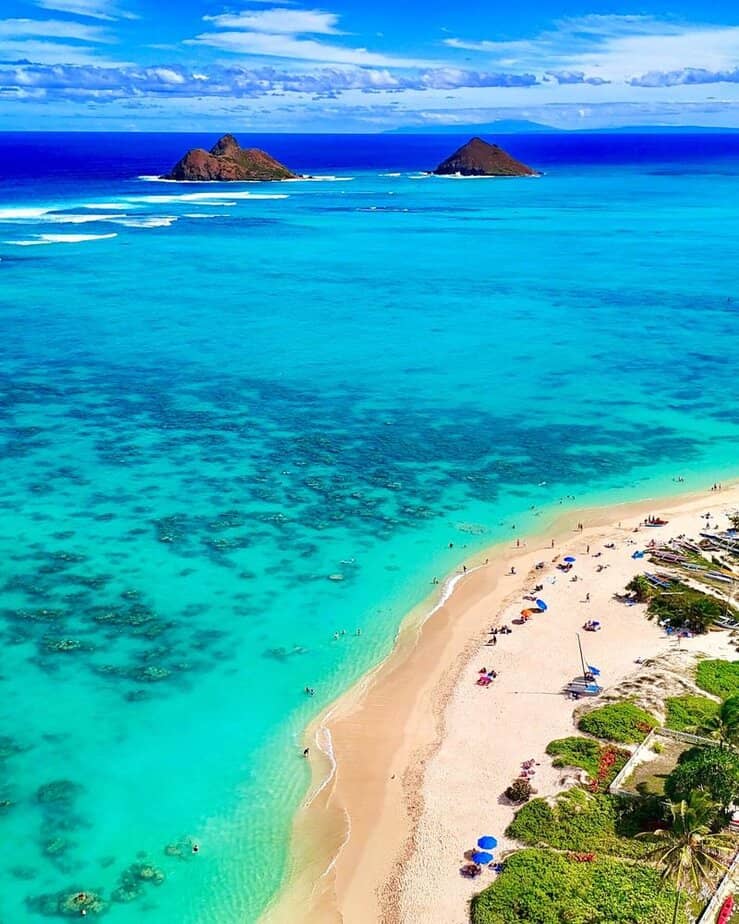
The fantasy of bouncing between Hawaiian islands like a carefree butterfly quickly meets reality when you’re standing in airport security lines. Each island transfer requires checking out of accommodations, returning rental cars, and boarding a flight that might be delayed during peak seasons.
The islands may look close on a map, but island-hopping eats up precious vacation time. For a week-long trip, focusing on one island lets you truly experience its unique personality without the stress of constant travel.
Many first-timers try cramming four islands into seven days, only to return home needing another vacation!
2. Renting a Car Is (Usually) a Must

My first day in Maui, I naively thought ride-shares and buses would get me everywhere. By day two, I was frantically calling rental agencies for any available vehicle.
The most magical spots—hidden waterfalls, secluded beaches, and mountain viewpoints—aren’t accessible by public transportation. On Oahu, you might survive without wheels if staying in Waikiki, but even there, you’ll miss the North Shore’s charm and eastern coast’s beauty.
Book your rental well ahead, especially during summer and holidays when inventory disappears faster than shave ice on a hot day.
3. The Weather Can Change Fast
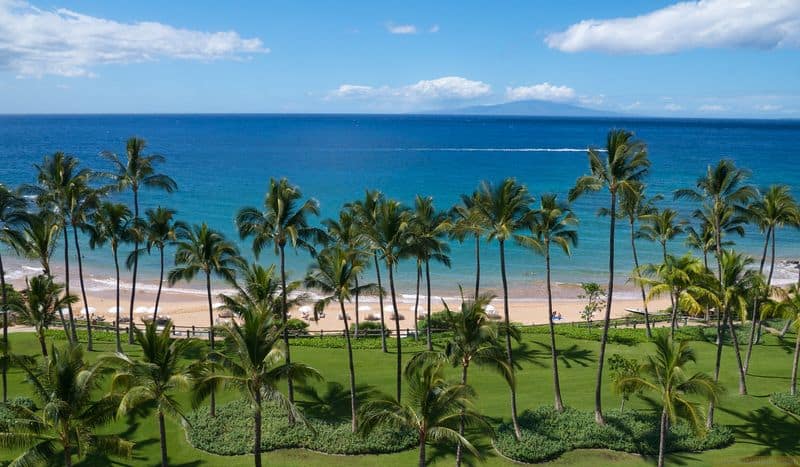
The morning started perfectly—blue skies and sunshine as I headed to Haleakala in shorts and a tank top. Two hours later, I was shivering in 50-degree mist, watching other tourists wrap themselves in beach towels for warmth.
Hawaii’s microclimates create dramatic weather shifts within short distances. The beach might be sunny while the mountains nearby get drenched in rain.
Always pack a light jacket and consider rain protection, especially for mountain adventures. Don’t cancel plans based on morning forecasts—that predicted all-day downpour might last just 20 minutes!
4. Respect for Hawaiian Culture Goes a Long Way
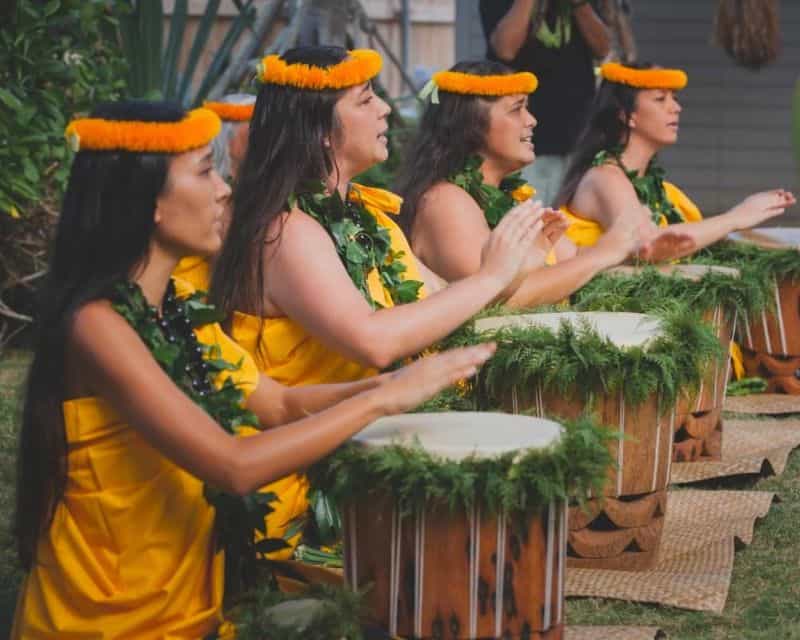
Stepping onto Hawaiian soil means entering a place with thousands of years of rich history and living traditions. What tourists often see as just beautiful scenery holds deep spiritual significance for Native Hawaiians.
Learning basic Hawaiian phrases brought smiles to locals’ faces and opened doors to authentic experiences. Simple gestures matter: never moving rocks at sacred sites, asking permission before entering certain areas, and listening more than talking when locals share their knowledge.
The islands face overtourism challenges, so approaching Hawaii with respect rather than entitlement creates better experiences for everyone.
5. You Don’t Need to Pack That Much
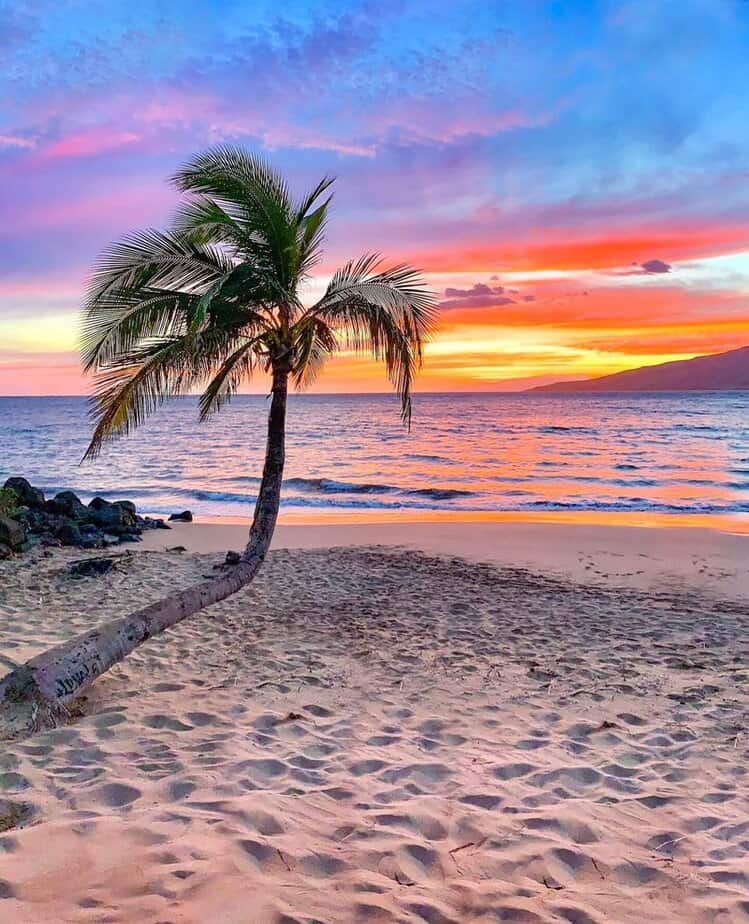
My first Hawaii suitcase weighed a ton—formal outfits, multiple shoe options, and enough toiletries to stock a small pharmacy. Most stayed untouched while I lived in swimwear and casual clothes. Even at upscale restaurants, the dress code remains refreshingly relaxed.
“Resort casual” typically means clean shorts and an aloha shirt for men or a sundress for women. Locals embrace a laid-back style where comfort trumps formality.
Save suitcase space for souvenirs by packing light, quick-dry clothing you can wash and rewear. The islands have plenty of shopping options if you forget essentials.
6. “Beach Time” Is a Real Thing
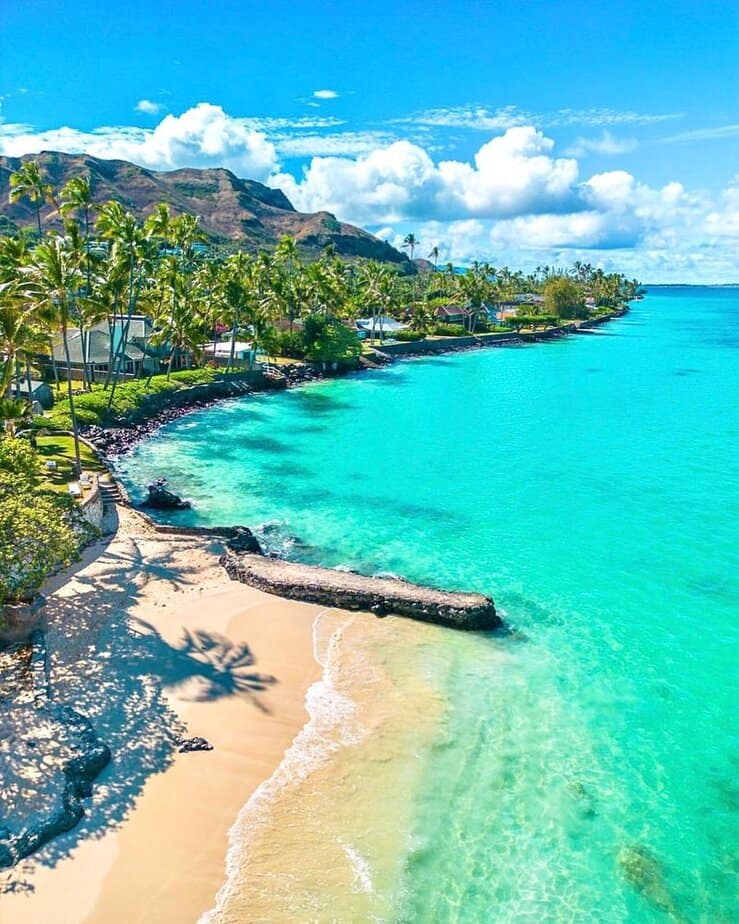
Mainlanders arrive with minute-by-minute itineraries, then wonder why their server seems unbothered by their tight schedule. Hawaiian culture operates on its own rhythms—where relationships and present moments matter more than rigid timetables.
My most memorable experiences happened when plans fell through, forcing me to surrender to the island’s pace. That unexpected detour led to a roadside fruit stand with the sweetest pineapple I’ve ever tasted.
Building buffer time into your schedule prevents frustration when that tour starts 30 minutes late or traffic on the one-lane road moves at turtle speed. Embrace the slower pace—it’s part of Hawaii’s magic.
7. You’re Gonna Want Reef-Safe Sunscreen

The painful sunburn across my shoulders came with an extra sting of guilt when a local explained how my sunscreen was harming Hawaii’s coral reefs. Regular sunscreens contain oxybenzone and octinoxate—chemicals that bleach coral and disrupt marine ecosystems. Hawaii officially banned harmful sunscreens in 2021, but many visitors still arrive unaware.
Look for mineral-based products with zinc oxide or titanium dioxide as active ingredients. They create a physical barrier rather than a chemical one. Apply generously and frequently—Hawaii sits closer to the equator than most mainland states, making sunburns happen faster than you’d expect.
8. There’s More to Hawaiian Food Than Pineapple
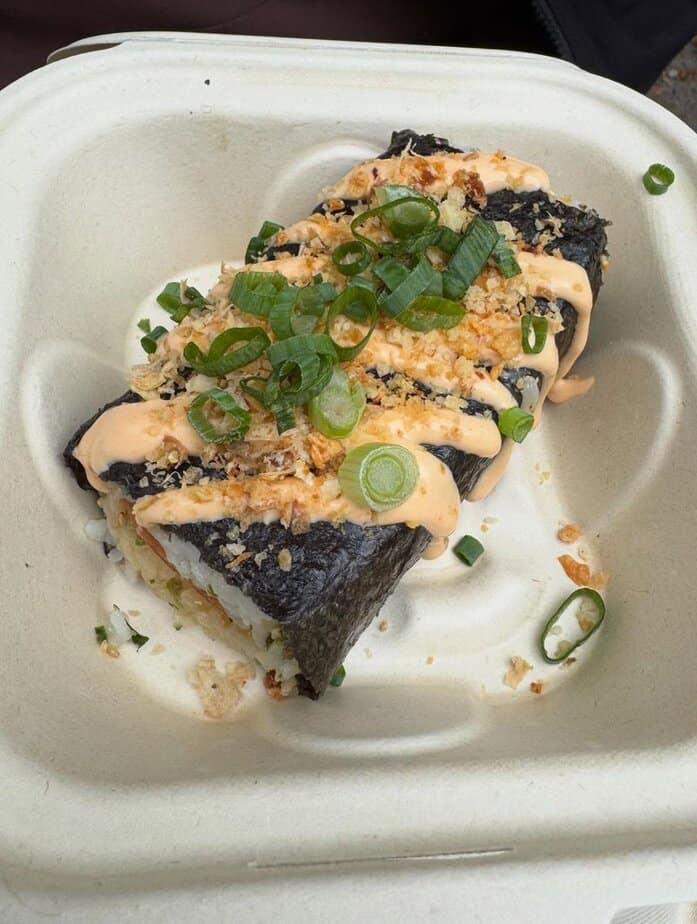
My first meal in Hawaii was at a tourist trap serving bland “Hawaiian” food that mostly involved pineapple on everything. Later, a local friend rescued my taste buds by introducing me to authentic island cuisine—a fascinating blend of Native Hawaiian, Asian, and Portuguese influences.
Skip the chain restaurants and seek local gems. The plate lunch—two scoops of rice, macaroni salad, and a protein like kalua pork—delivers comfort food heaven. Farmers’ markets offer the freshest tropical fruits you’ll ever taste. Food trucks often serve the most authentic dishes at half the price of resort restaurants.
9. Beaches Don’t Always Have Lifeguards (or Calm Waters)
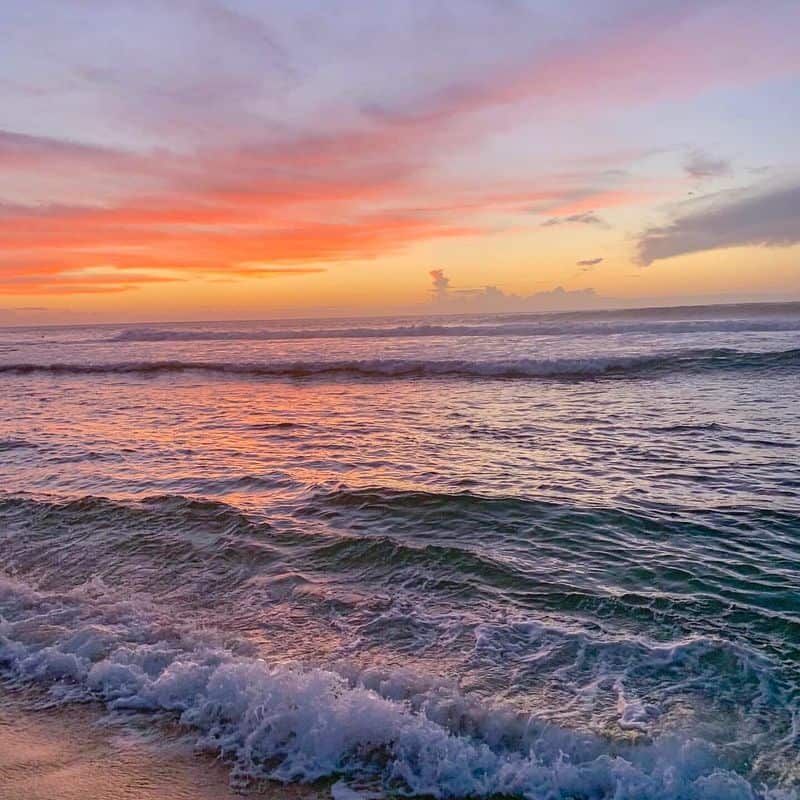
The postcard-perfect beach looked inviting—until a massive wave knocked me off my feet and dragged me through the sand. Hawaii’s waters can be deceptively dangerous, especially during winter months when powerful swells hit north-facing shores.
Many beaches lack lifeguards, and conditions change rapidly throughout the day. Always check posted warning signs, ask locals about hidden currents, and never turn your back on the ocean. Some of Hawaii’s most beautiful beaches have the most dangerous conditions.
When in doubt, choose lifeguarded beaches like Hanauma Bay on Oahu or Poipu Beach on Kauai for safer swimming experiences.
10. Expect Crowds in Popular Spots
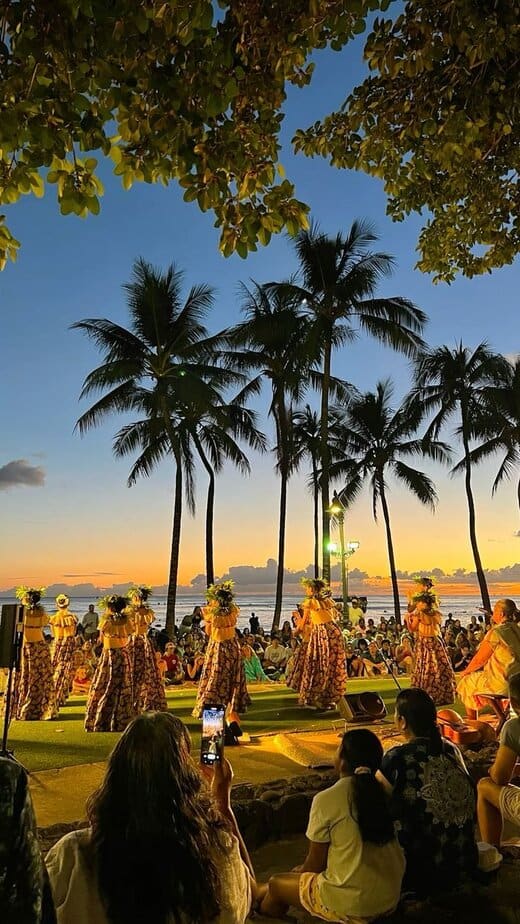
My sunrise plans for witnessing Haleakala’s famous view included a 3:00 AM wake-up call—yet I still barely found parking among hundreds of other visitors with the same idea. Popular attractions throughout Hawaii often become victims of their own Instagram fame.
The secret to avoiding crowds? Timing and alternatives. Visit major attractions on weekdays, arrive at opening time (or earlier with proper permits), or explore during shoulder seasons (April-May or September-October). Ask locals about similar but less-visited spots. That’s how I discovered a waterfall with just two other visitors while hundreds packed the famous one nearby.
11. Cell Service Can Be Spotty
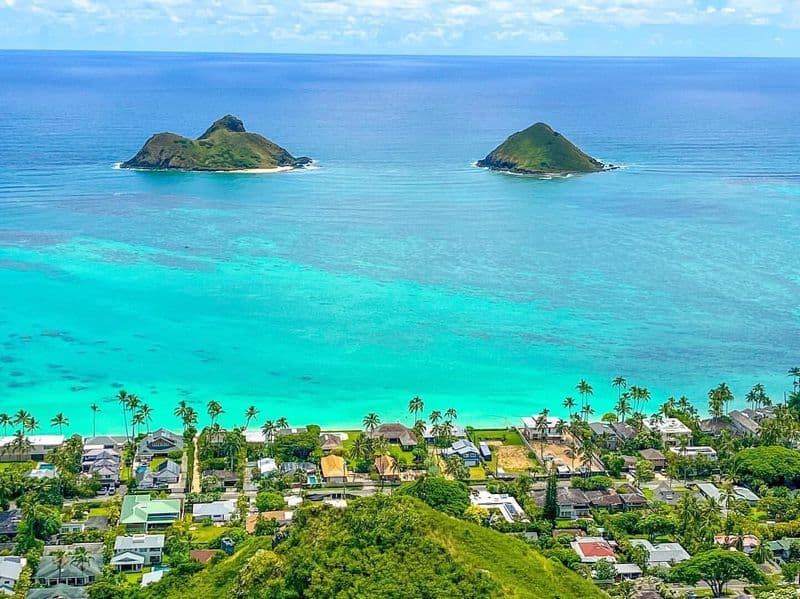
Panic set in as my navigation app froze halfway down a remote road on Maui’s eastern shore. No service meant no maps, no calls, and no way to check if I was still heading toward my destination or driving into the middle of nowhere.
Hawaii’s mountainous terrain creates numerous dead zones, especially in valleys and remote areas. Download offline maps before venturing beyond major towns, and consider bringing an actual paper map as backup.
Some of Hawaii’s most breathtaking locations have zero connectivity—which is part of their charm once you embrace the digital detox. Just plan accordingly so you’re not relying on technology that might not work.
12. You’ll Want to Come Back—Trust Me
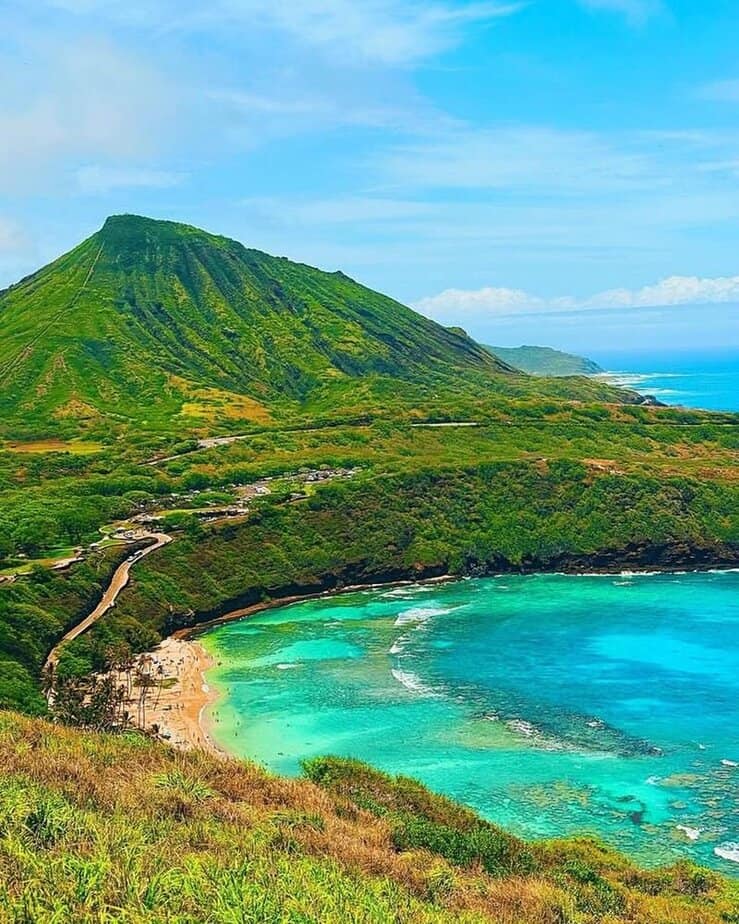
“I’ll see everything in one trip,” I confidently declared while booking my first Hawaiian vacation. Ten days later, I boarded my flight home already planning my return, having experienced maybe 20% of what I’d hoped to see.
Each island offers completely different landscapes, activities, and vibes. Kauai’s lush rainforests feel worlds apart from the Big Island’s active volcanoes or Oahu’s blend of city and country. Rather than rushing through a sampler platter of experiences, consider your first trip a reconnaissance mission. Discover which island resonates with your soul—that’s the one calling you back for a deeper exploration.