
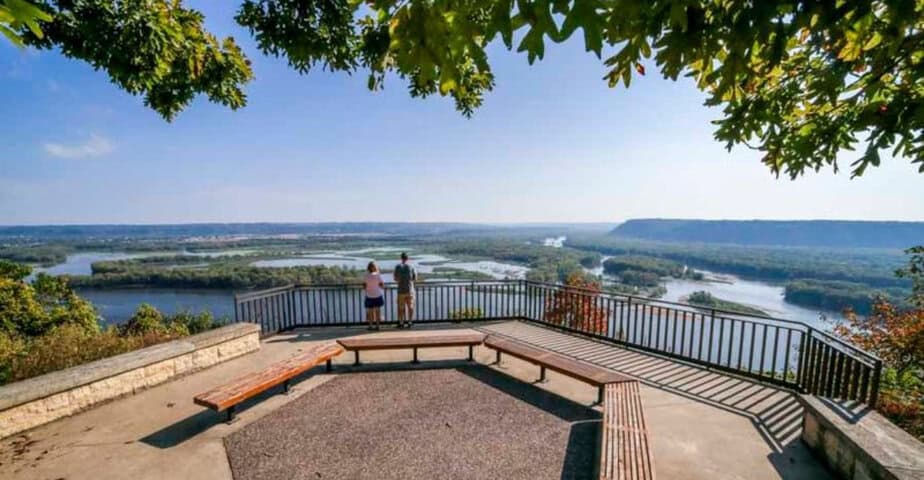
Iowa might surprise you with its amazing outdoor adventures waiting around every corner. From frozen waterfalls in winter to colorful leaves in fall, the Hawkeye State offers hiking experiences that change with each season. Every month brings new reasons to lace up your boots and explore trails that showcase Iowa’s natural beauty. Whether you’re a beginner or experienced hiker, these monthly adventures will help you discover why Iowa’s landscapes are truly special.
1. January – Ledges State Park, Madrid
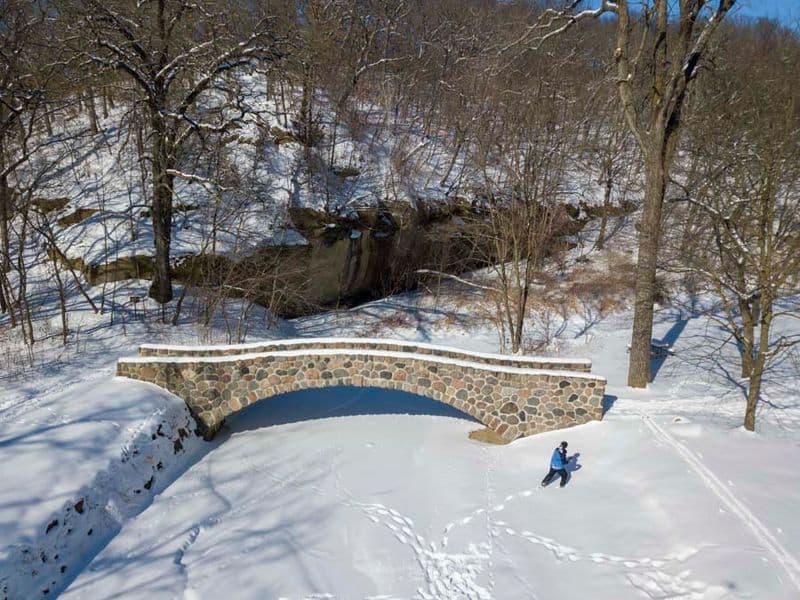
Winter transforms this park into a magical frozen wonderland that feels like stepping into a fairy tale. Snow blankets the sandstone cliffs, creating stunning white sculptures against the dark rock faces. Ice formations hang like crystal curtains from the ledges above.
Bundle up in warm layers and sturdy boots with good grip for the snowy trails. The main trail stays open all winter, though some paths might be icy or closed for safety. Bring a thermos of hot cocoa to enjoy while admiring the frozen Des Moines River below.
Photography lovers will find amazing shots of icicles and snow-covered trees throughout the park.
2. February – Lake MacBride State Park, Solon
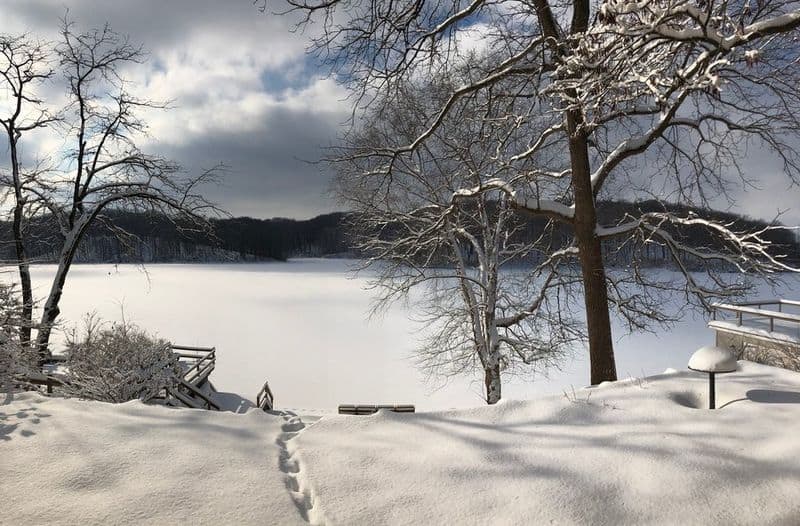
Cold February air makes hiking around this frozen lake feel like an arctic adventure close to home. The lake’s surface turns into a giant mirror of ice, reflecting bare tree branches and winter sky. Wildlife tracks in the snow tell stories of rabbits, deer, and birds surviving the harsh season.
Choose the Beach Trail for easier walking or challenge yourself with the Prairie Trail’s rolling hills. Dress in layers you can remove as you warm up from hiking. Hand and foot warmers make the experience much more comfortable.
Watch for bald eagles soaring overhead – they often hunt near the partially frozen areas of the lake during winter months.
3. March – Effigy Mounds National Monument, Harpers Ferry
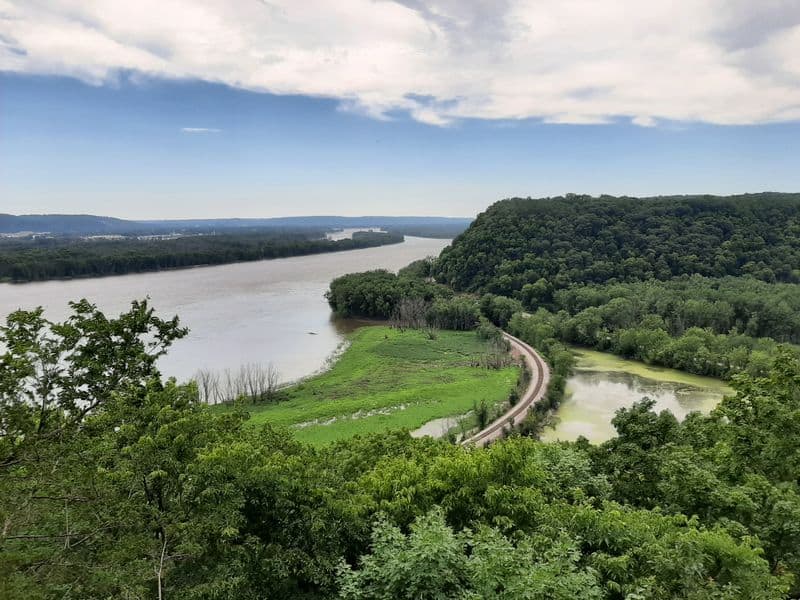
Spring awakening begins here among ancient Native American burial mounds that have watched over the Mississippi River for over 1,000 years. Early wildflowers start poking through melting snow, creating patches of color against brown earth. The bare trees allow clear views of the river valley below.
Follow the Fire Point Trail for spectacular overlooks of the Mississippi River and Wisconsin bluffs beyond. Muddy conditions are common in March, so waterproof hiking boots work best. Bring binoculars to spot migrating birds returning from their southern winter homes.
Rangers offer special programs about the mound builders and their fascinating culture throughout the month.
4. April – High Trestle Trail, Bridge Section, Madrid

Springtime brings fresh energy to this famous trail, especially the iconic bridge that glows blue at night. Apple blossoms and other flowering trees create a tunnel of white and pink petals along the pathway. The 13-mile trail follows an old railroad line, making it perfectly flat and easy for all skill levels.
Park at the Madrid trailhead and walk toward the bridge for the best experience. April weather can change quickly, so bring a light jacket even on sunny days. The bridge offers amazing views of the Des Moines River valley 130 feet below.
Visit during evening hours to see the bridge’s LED lights create a stunning blue glow against the darkening sky.
5. May – Pikes Peak State Park, McGregor

Wildflowers carpet the forest floor in brilliant colors while towering bluffs offer breathtaking views of the Mississippi River. May brings perfect hiking weather with comfortable temperatures and longer daylight hours. The park’s 500-foot-high cliffs provide some of Iowa’s most dramatic scenery.
Take the Bridal Veil Falls Trail to see water cascading down limestone rocks into a peaceful pool below. Wear sturdy shoes with good traction since some trails can be steep and rocky. Pack plenty of water and snacks for energy during your climb.
Wildflower enthusiasts will discover trout lilies, bloodroot, and wild ginger blooming throughout the wooded areas. The overlook points offer perfect spots for picnic lunches with million-dollar views.
6. June – Wabash Trace Nature Trail, Mineola
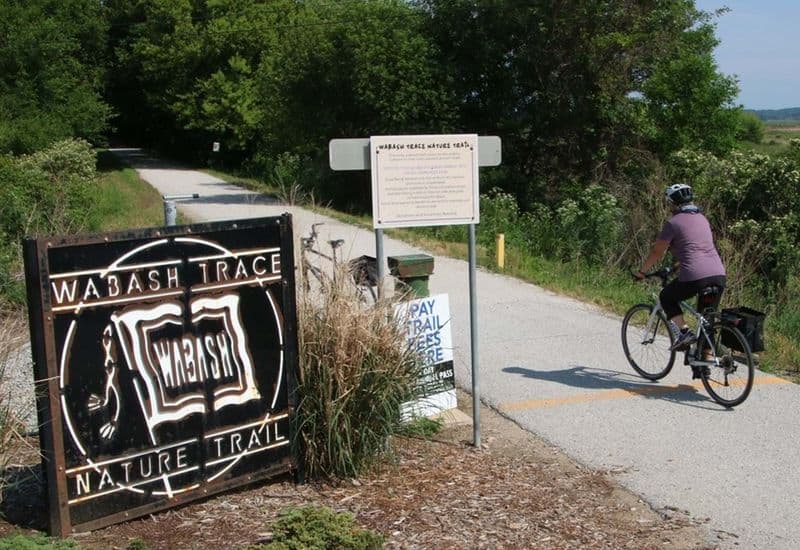
Summer sunshine filters through green tree canopies along this peaceful rail-to-trail conversion that stretches for miles. Prairie flowers bloom in rainbow colors beside the crushed limestone path, attracting butterflies and hummingbirds. The flat terrain makes this trail perfect for families with young children or anyone wanting a relaxing walk.
Start early in the morning to avoid the heat and see more wildlife activity. Bring bug spray since mosquitoes can be active in wooded areas during June. The trail passes through small towns where you can stop for cold drinks or ice cream.
Birdwatchers should bring binoculars to spot indigo buntings, red-winged blackbirds, and other colorful species living along the trail.
7. July – Lake Ahquabi State Park, Indianola
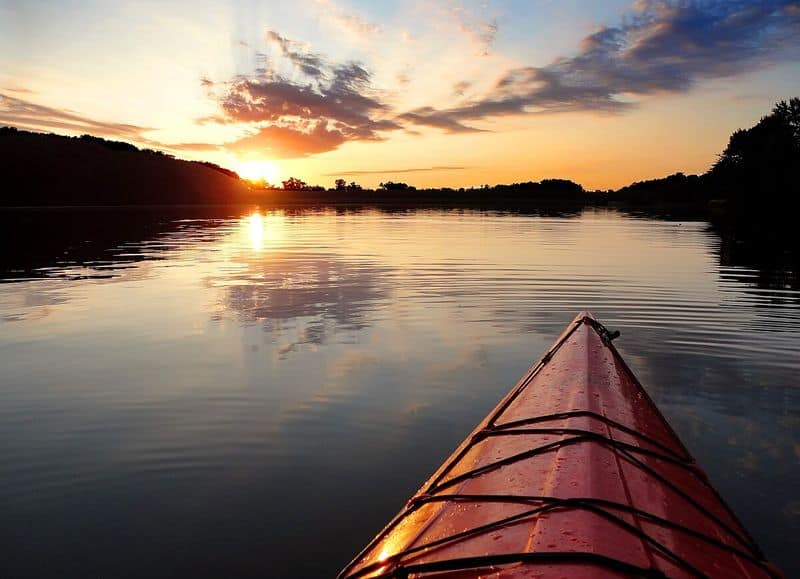
Hot summer days become refreshing adventures when you can cool off in the lake after hiking the surrounding trails. Prairie grasses wave in warm breezes while cicadas sing their summer songs from oak and hickory trees. The lake’s clear water reflects puffy white clouds drifting across bright blue skies.
Hike the Lakeshore Trail early morning or late afternoon to avoid the strongest heat. Swimming areas provide perfect relief after working up a sweat on the trails. Pack extra water and wear a hat to protect yourself from the intense July sun.
Fishing enthusiasts can try their luck catching bass, bluegill, and catfish from the lake’s peaceful shores.
8. August – Maquoketa Caves State Park, Maquoketa
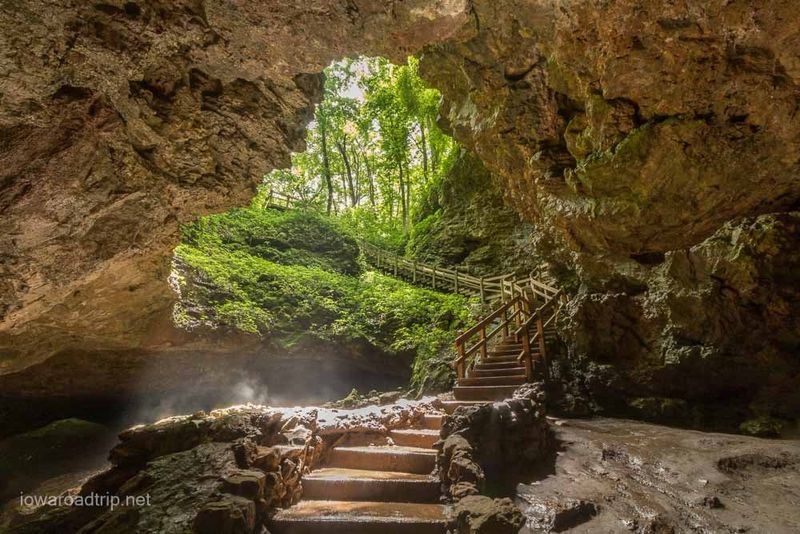
Underground adventures await in Iowa’s only state park featuring accessible caves that stay naturally cool even during hot August weather. Limestone formations create mysterious chambers and tunnels that feel like exploring a hidden underground world. Dancehall Cave stretches over 1,100 feet long, making it the park’s most impressive natural wonder.
Bring flashlights or headlamps since the caves are completely dark inside. Wear old clothes and sturdy shoes with good grip for slippery cave floors. Some caves require crawling or squeezing through tight spaces, so check difficulty levels before entering.
Above ground, shaded hiking trails connect the different cave entrances through beautiful hardwood forests that provide relief from summer heat.
9. September – Hitchcock Nature Center, Honey Creek

Fall colors begin painting the Loess Hills in brilliant reds, oranges, and yellows while monarch butterflies migrate south through the area. The 70-foot observation tower provides spectacular views of the Missouri River valley and Nebraska beyond. Cool September air makes hiking comfortable after the hot summer months.
Climb the tower stairs for panoramic views that stretch for miles across rolling prairie hills. Multiple trail options range from easy walks to challenging climbs through unique Loess Hills terrain. Bring a camera to capture the stunning fall foliage and migrating wildlife.
Educational programs teach visitors about the rare Loess Hills ecosystem found in only two places worldwide – Iowa and China.
10. October – Mines Of Spain, Dubuque
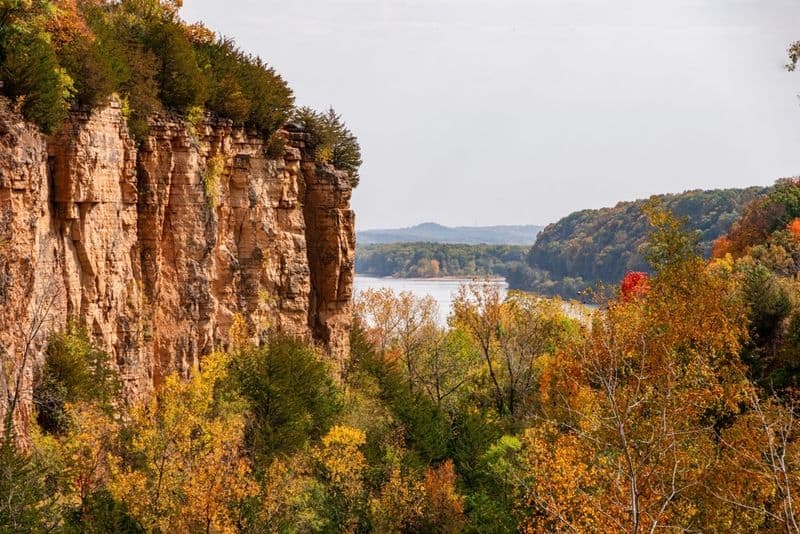
Peak fall foliage transforms this historic area into a masterpiece of autumn colors along the Mississippi River. Sugar maples, oak trees, and hickories create a brilliant canopy of red, orange, and gold leaves. The park’s rich history includes Native American sites, Spanish mining operations, and Civil War connections.
Follow the Catfish Creek Trail through the most colorful sections of forest during October’s peak season. Leaf-covered trails can be slippery, so watch your footing on steep sections. The visitor center offers maps and information about the area’s fascinating cultural history.
Photography opportunities abound with historic buildings, colorful leaves, and scenic river views creating picture-perfect moments around every bend.
11. November – Waubonsie State Park, Hamburg
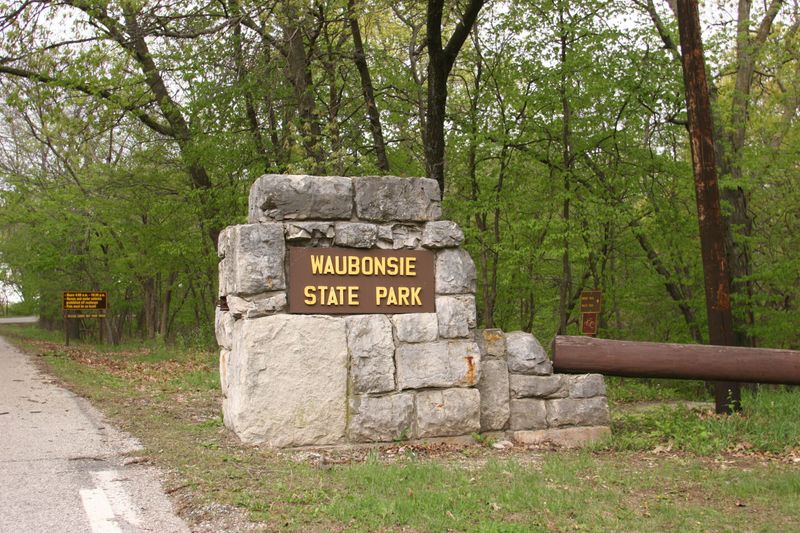
Late autumn brings quiet beauty to the Loess Hills as most leaves have fallen, creating clear views through bare tree branches. Gray November skies and crisp air give the landscape a peaceful, contemplative feeling. Wildlife prepares for winter, making this an excellent time for spotting deer, wild turkeys, and other animals.
Hike the Sunset Ridge Trail for expansive views of the Missouri River valley below. Dress in warm layers since November temperatures can drop quickly as the sun sets. The bare trees allow better views of the unique Loess Hills formations.
Sunset viewing from the overlooks becomes even more spectacular with clear sightlines through the leafless forest canopy.
12. December – Preparation Canyon State Park, Moorhead
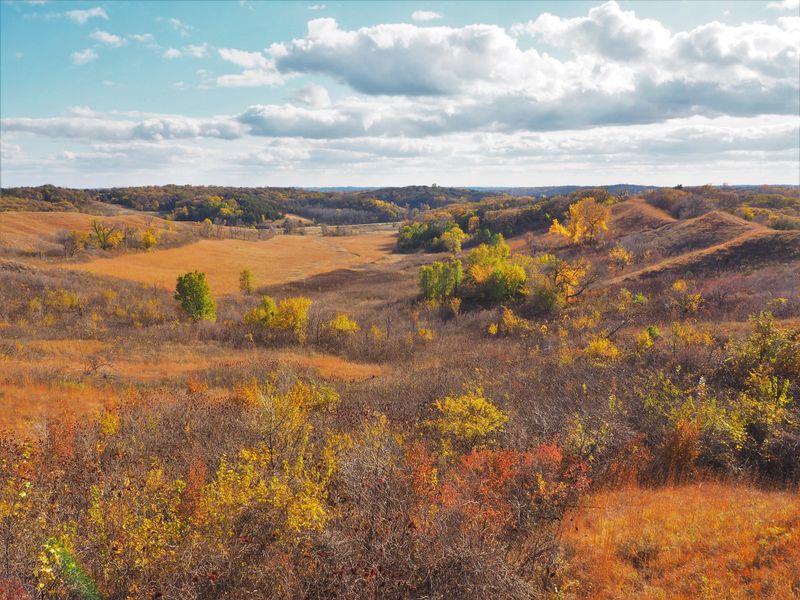
Winter solitude defines this remote park where snow-covered trails wind through quiet canyons and peaceful woodlands. The park’s unusual name comes from a religious community that once lived here, preparing for the end times. December snowfall creates a hushed, magical atmosphere perfect for contemplative winter hikes.
Choose shorter trails since daylight hours are limited during December’s short days. Pack hand warmers and hot drinks to stay comfortable in cold temperatures. The canyon walls provide some protection from winter winds.
Animal tracks in fresh snow reveal the secret lives of foxes, raccoons, and other creatures that remain active throughout Iowa’s winter months.