The Lone Star State hides more than just oil fields and cattle ranches. Scattered across Texas are forgotten towns where time stands still, buildings crumble, and stories linger in the desert air. These ghost towns offer a fascinating glimpse into boom-and-bust cycles of mining, farming, and railroad economies that once defined the Texas frontier. Pack your camera and your curiosity as we explore these haunting destinations where history whispers through abandoned streets.
1. Terlingua
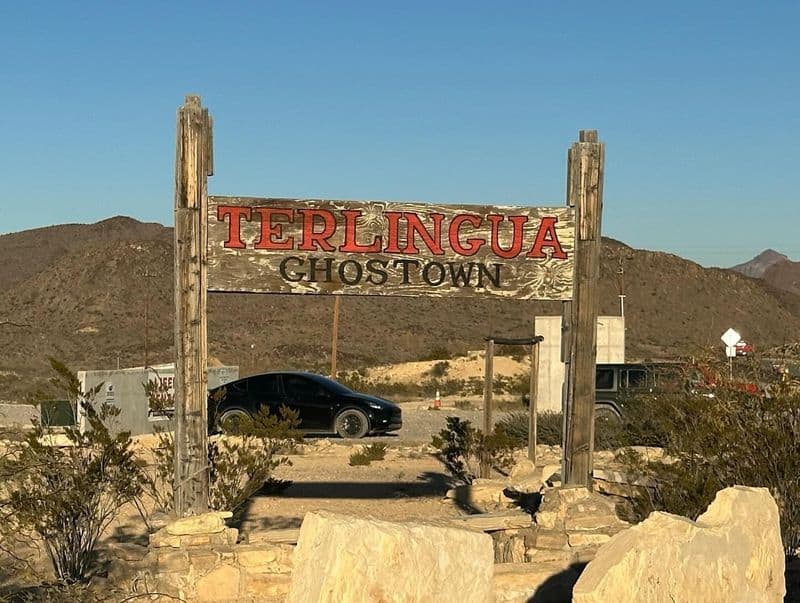
Mercury mining brought fortune seekers to this desert outpost in the early 1900s, but when the mines dried up, so did Terlingua’s prospects. Stone ruins now bake under the relentless Chihuahuan Desert sun, creating an otherworldly landscape that photographers adore.
The annual chili cook-off transforms this quiet ghost town into a lively gathering each November, bringing thousands to celebrate Texas’ favorite stew. Between the stargazing opportunities and proximity to Big Bend National Park, Terlingua offers more than just abandonment.
Local artists have reclaimed portions of the town, opening quirky galleries in restored structures where miners once lived. The Terlingua Cemetery, with its simple stone graves adorned with colorful trinkets, tells silent stories of the hardy souls who called this unforgiving landscape home.
2. Shafter
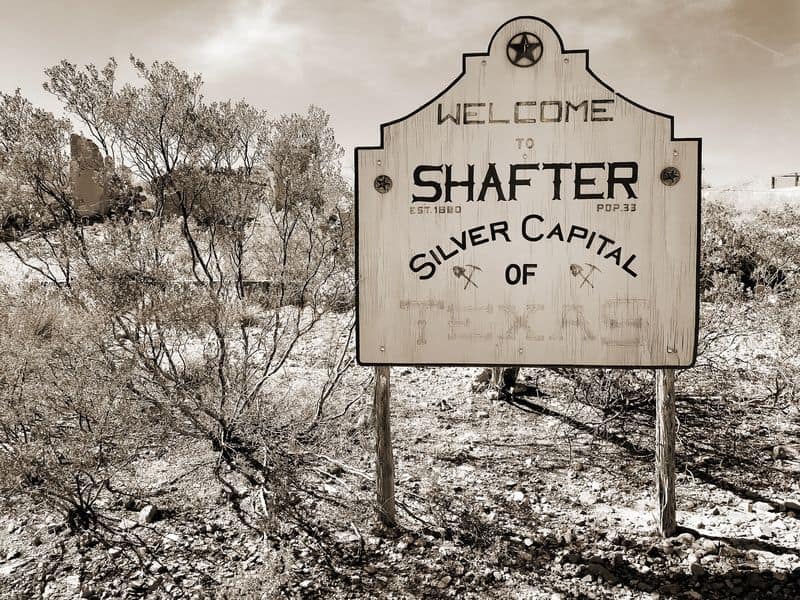
Silver sparked Shafter’s brief but dazzling heyday when Presidio Mining Company struck it rich in 1880. Nearly 4,000 people once crowded this remote corner of West Texas, creating a boomtown complete with saloons, hotels, and dreams of endless prosperity.
The historic stone church stands as the most intact reminder of Shafter’s glory days. Its sturdy walls have weathered a century of neglect while most neighboring structures returned to dust. Visitors report strange feelings of being watched while exploring the few remaining buildings.
Mining operations briefly resumed during World War II but ultimately failed to revive the town. Today, Shafter slumbers in near-total abandonment, its empty buildings casting long shadows across the desert floor – a perfect day trip for explorers visiting nearby Marfa.
3. Indianola
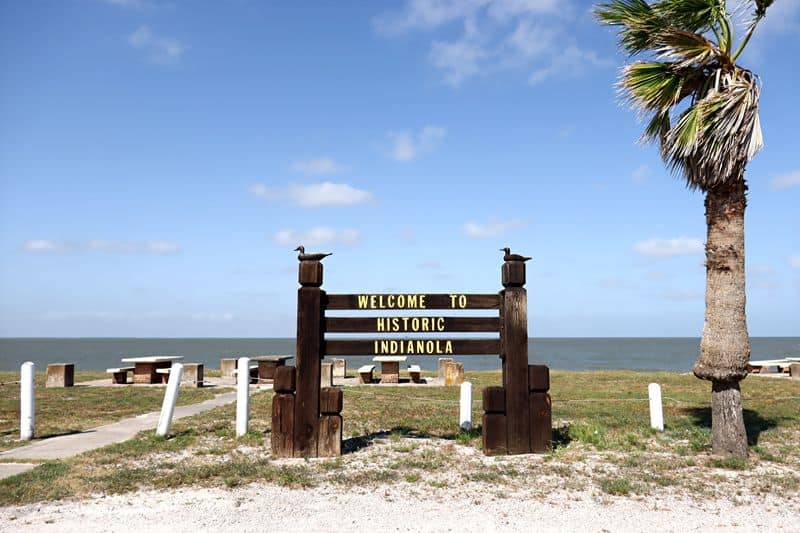
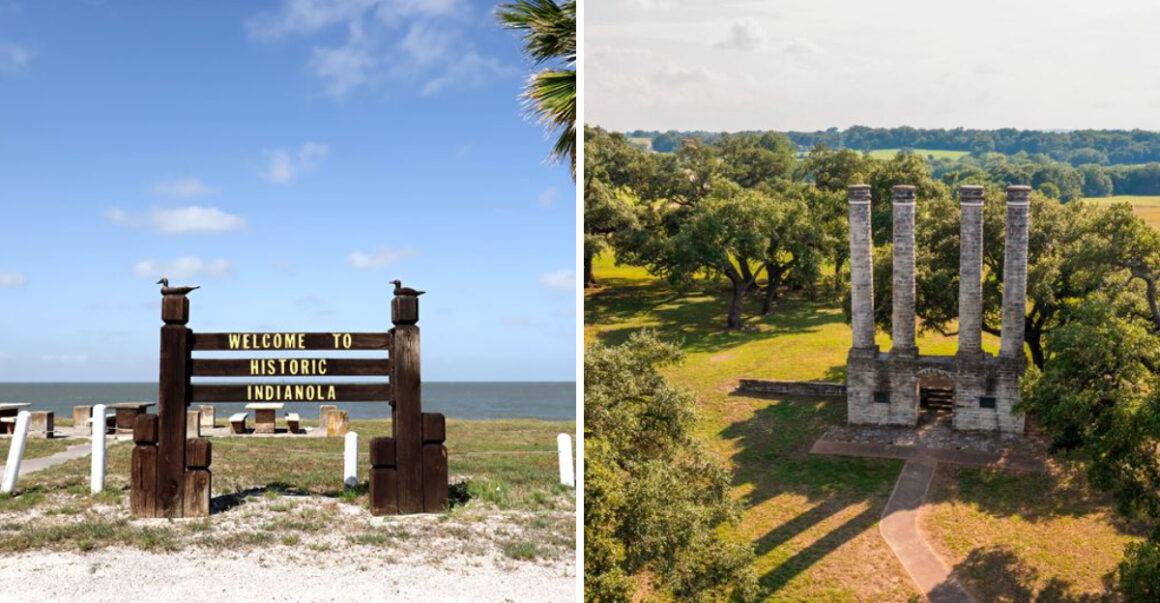
Nature’s fury erased what human ingenuity built at Indianola. Once rivaling Galveston as Texas’ busiest port, this prosperous coastal town welcomed thousands of European immigrants before back-to-back hurricanes in 1875 and 1886 wiped it from the map.
Walking the windswept shore today, it’s hard to imagine streets lined with bustling businesses and elegant homes. Only a few concrete cisterns and the occasional foundation remain visible above ground. The county courthouse foundation offers the clearest evidence of the town’s former importance.
Ghost stories abound – fishermen report seeing phantom lights and hearing distant church bells on stormy nights. For history buffs, the underwater archaeological potential remains enormous, with countless artifacts from Indianola’s heyday still resting beneath the waves of Matagorda Bay.
4. Thurber
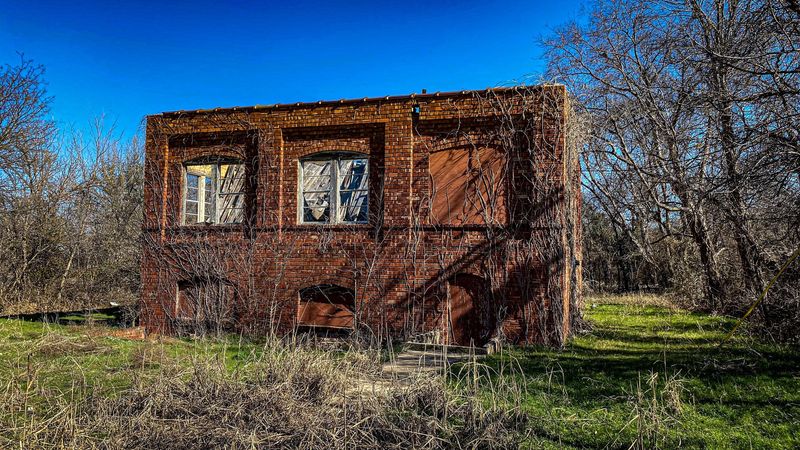
Company towns rarely come and go as dramatically as Thurber did. In its prime, this coal mining powerhouse produced nearly 3,000 tons of coal daily and housed 10,000 residents from 14 different nationalities. The massive brick smokestack still towers over the landscape like an industrial lighthouse.
Workers enjoyed unusually progressive amenities for the era – an opera house, a modern hospital, and even Texas’ first electrified streets. When oil replaced coal as the fuel of choice, Thurber’s fate was sealed with shocking swiftness.
The W.K. Gordon Center nearby offers excellent exhibits about Thurber’s fascinating history. Don’t miss the restored St. Barbara’s Catholic Church with its beautiful stained glass. For a truly atmospheric experience, visit at dusk when the setting sun casts long shadows across the brick smokestack and the few remaining company buildings.
5. Glenrio
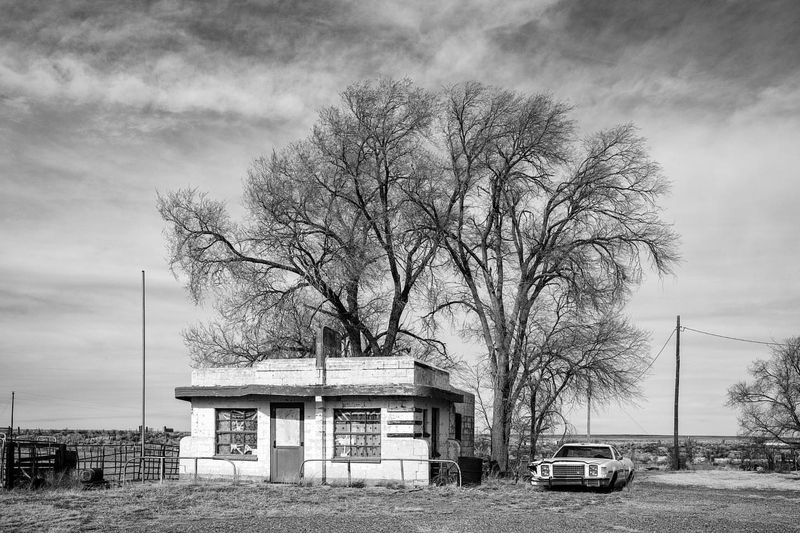
Straddling the Texas-New Mexico border, Glenrio represents the perfect Route 66 time capsule. The abandoned Little Juarez Diner and the art deco State Line Motel stand frozen in mid-century America, their faded signs still promising hot coffee and air conditioning to travelers who no longer come.
Glenrio’s unique position created odd situations – Texas prohibited alcohol sales while New Mexico didn’t. Gas stations on the New Mexico side couldn’t open on Sundays when Texas stations could. These quirks made Glenrio a memorable stop for cross-country travelers.
Interstate 40’s completion in 1975 delivered the final blow to this once-bustling roadside community. Today, photographers and Route 66 enthusiasts make pilgrimages to capture the haunting beauty of Glenrio’s abandoned gas stations, diners, and motels slowly returning to the prairie.
6. Lobo
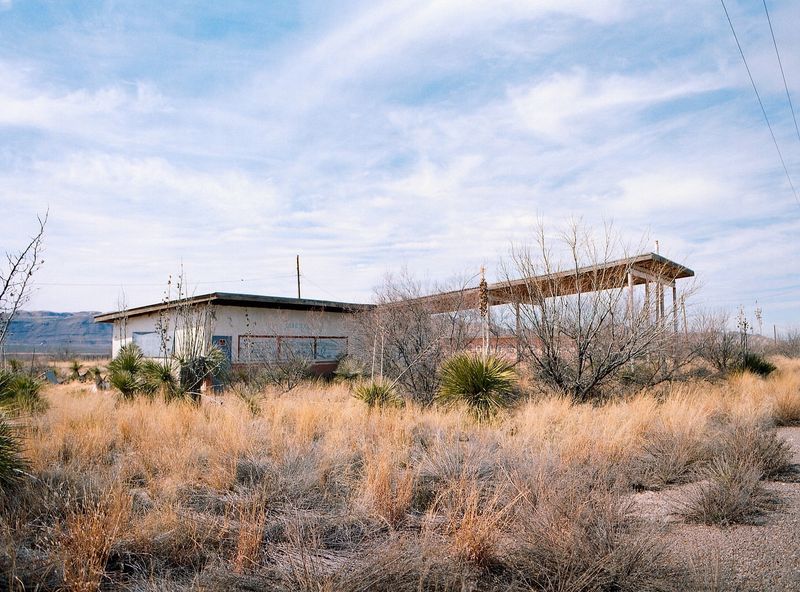
Tumbleweeds reclaimed Lobo’s streets long ago, but this tiny desert hamlet refuses to disappear entirely. Founded as a water stop for the Texas & Pacific Railroad, Lobo later thrived briefly as a cotton farming community until the water table dropped catastrophically in the 1960s.
By 1991, the town was completely abandoned – a desert curiosity along Highway 90. Then something remarkable happened: a group of German artists purchased the entire town in 1998, beginning a slow, creative resurrection. Their vision: create a desert art haven far from urban distractions.
The old gas station, post office, and motel remain in various states of beautiful decay. Visiting feels like stepping into a Cormac McCarthy novel – raw, dusty, and hauntingly beautiful. Lobo represents something special among ghost towns: not just an ending, but the possibility of an unexpected new chapter.
7. Belle Plain
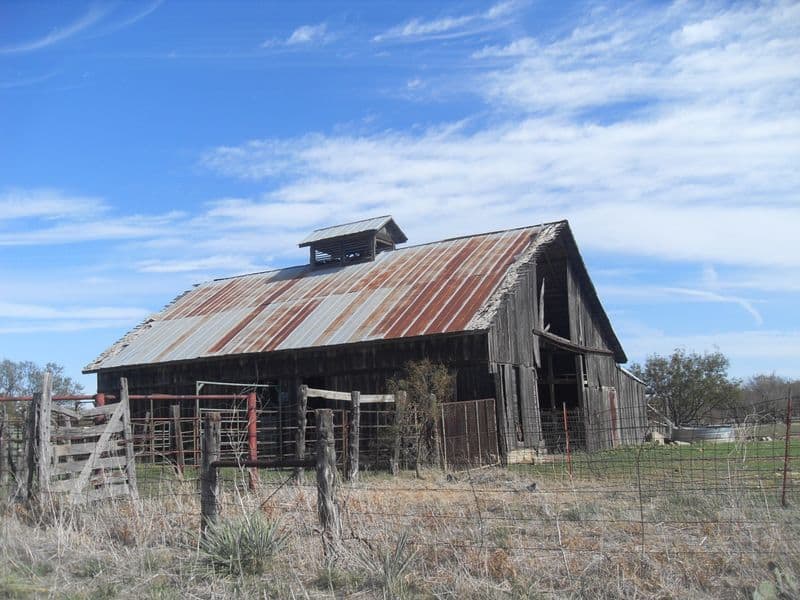
Educational ambition founded Belle Plain in 1876, with Belle Plain College as its centerpiece. Early settlers believed this Callahan County location would become an intellectual beacon for frontier Texas. For a brief, shining moment, it seemed they might be right.
The town boasted 800 residents, multiple businesses, and the impressive limestone college building. Then came the crushing news: the Texas & Pacific Railroad would bypass Belle Plain entirely. Without rail access, the town’s fate was sealed.
Today, only scattered limestone foundations and the haunting college ruins remain. The old cemetery contains poignant reminders of frontier hardships – numerous children’s graves bear witness to the harsh realities of 19th-century life. Local legends claim shadowy figures sometimes appear in the college ruins at dusk, perhaps students from long ago still pursuing their studies.
8. Independence
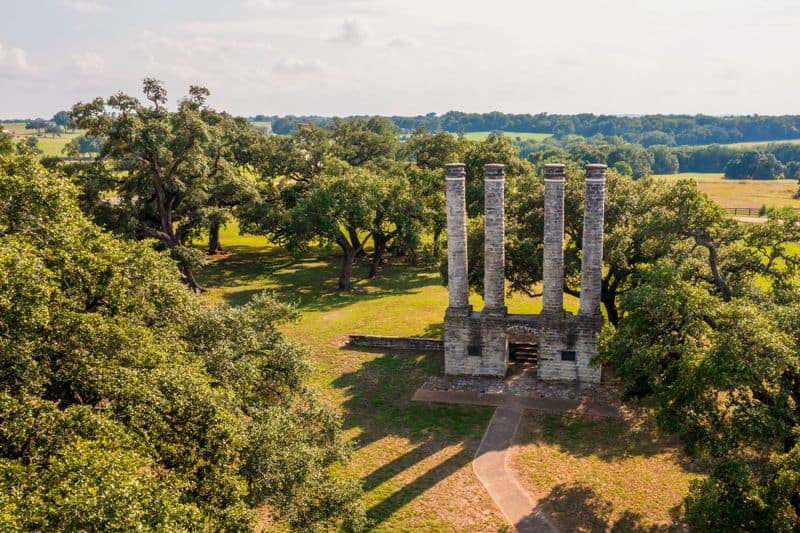
Sam Houston himself once worshipped at Independence Baptist Church, one of the few structures still standing in this once-influential town. Founded in 1835 before Texas won its independence from Mexico, this community became a cultural and educational powerhouse of the Republic.
Baylor University’s original campus operated here for decades before relocating to Waco. The imposing columns of the female department building create a hauntingly beautiful silhouette against the Texas sky. The old cemetery contains graves of Texas revolutionaries and early pioneers who shaped the state’s destiny.
Independence declined when the railroad bypassed it in favor of nearby Brenham. Today, wildflowers grow among the ruins each spring, creating a photographer’s paradise. The peaceful setting makes it difficult to imagine that this quiet place once rivaled Austin and Houston in cultural significance.
9. Toyah
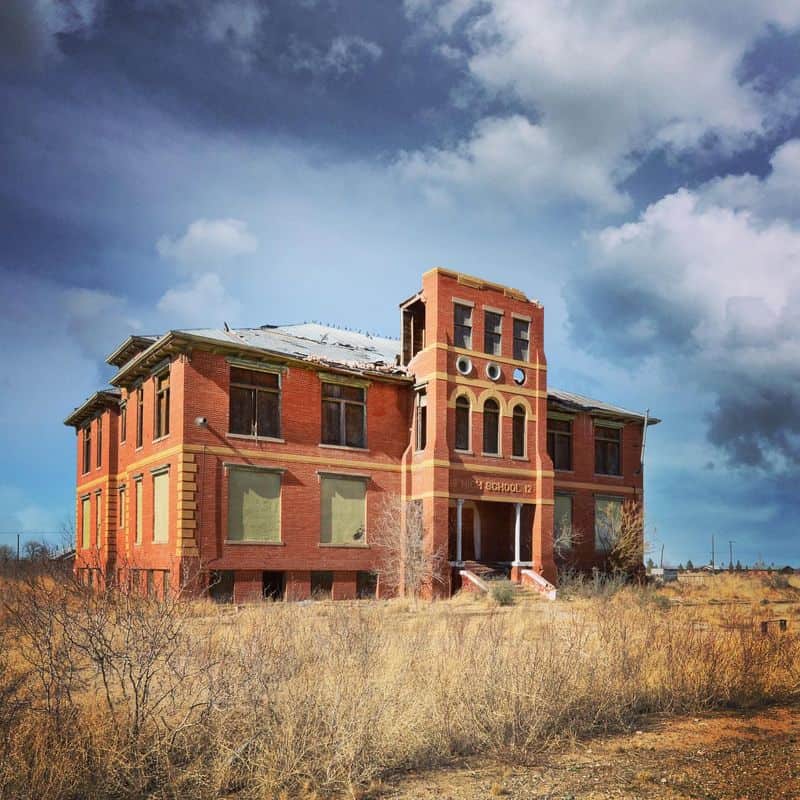
Railroads built Toyah, and highways destroyed it. Once the busiest shipping point between El Paso and Fort Worth, this Reeves County town boasted hotels, saloons, and a population exceeding 1,000 in its early 20th-century prime.
The abandoned jail stands as the most photographed reminder of Toyah’s lawless frontier days. Its thick stone walls and rusted iron bars housed cattle rustlers and troublemakers during the town’s wilder years. The crumbling school building speaks to more civilized ambitions.
Unlike many ghost towns that died quickly, Toyah experienced a slow decline. A handful of residents still live on the outskirts, creating a strange limbo between ghost town and living community. The eerie quiet of the abandoned main street contrasts sharply with the town’s rowdy past when cattle drives and railroad workers kept Toyah’s saloons busy around the clock.
10. Barstow
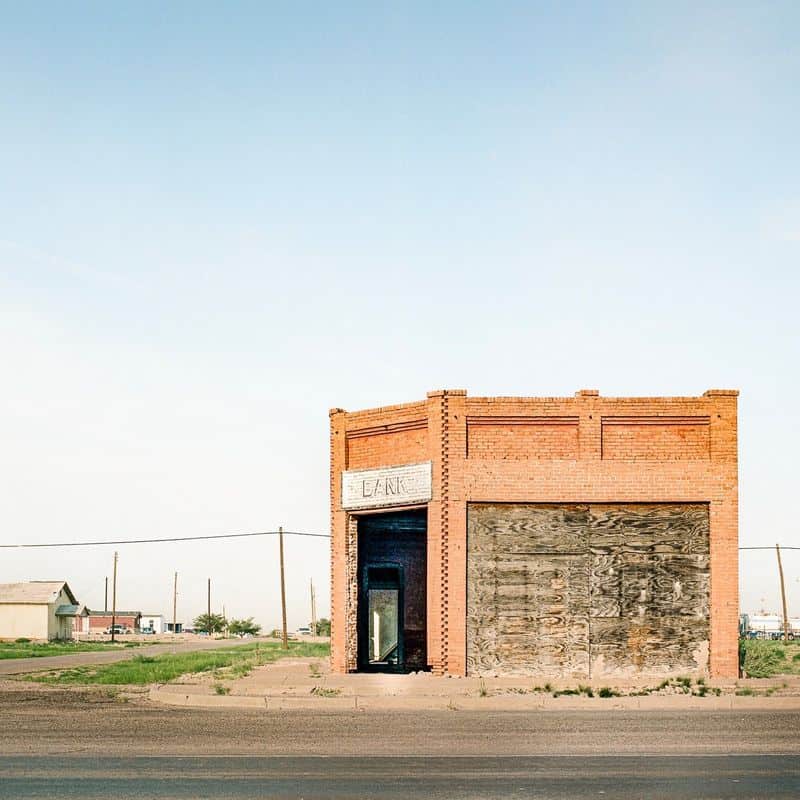
Water created Barstow, and lack of water destroyed it. Founded in 1891 as an irrigation farming community, this West Texas town once shipped train cars full of grapes to markets nationwide. The sweet Barstow grape became famous for its quality.
Disaster struck in 1904 when the dam on the Pecos River broke, flooding farmland with mineral-heavy water that poisoned the soil. Desperate farmers tried everything to save their crops, but the damage proved irreversible. The final blow came during the 1910s when the water table dropped dramatically.
Today, the dilapidated buildings along the main street tell a story of agricultural dreams turned to dust. The former hotel and opera house stand as faded reminders of more prosperous days. Exploring Barstow offers a sobering lesson about the fragility of human settlements in harsh environments where water dictates everything.
11. Sherwood
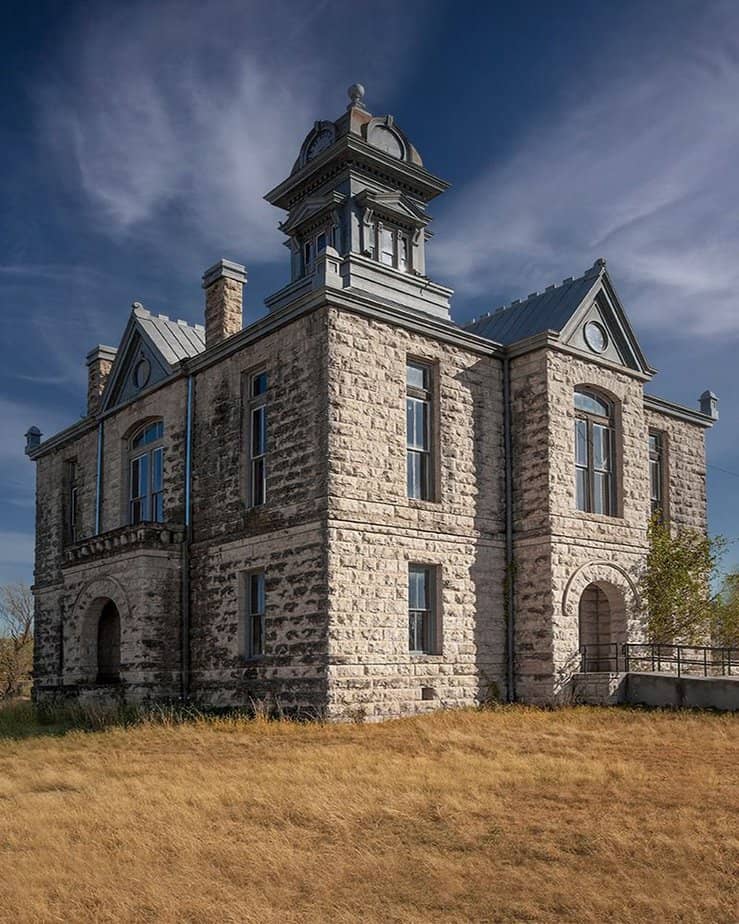
The magnificent sandstone courthouse tells you everything about Sherwood’s outsized ambitions. Built in 1901 when Sherwood served as Irion County seat, this impressive structure symbolized permanent prosperity that never materialized.
Just three years after the courthouse’s completion, the railroad bypassed Sherwood in favor of nearby Mertzon. The county government soon followed the railroad, leaving Sherwood’s courthouse empty and the town’s future bleak. The beautiful stone jail nearby stands as another monument to misplaced confidence.
Visitors today find a peaceful cluster of stone buildings slowly returning to the earth. The old schoolhouse foundation outlines where generations of children learned their lessons. Sherwood offers a perfect example of how railroad decisions could instantly determine a town’s fate in early Texas – creating or destroying communities with the laying of tracks.