
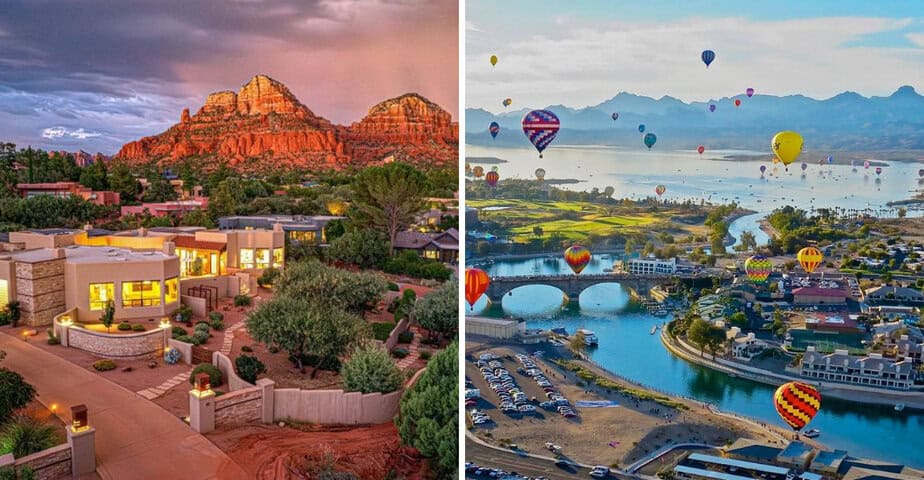
Arizona holds treasures beyond its famous canyon. From hidden gems tucked into desert landscapes to quirky towns with rich histories, the Grand Canyon State offers adventures for every traveler. Pack your camera, bring plenty of water, and discover these amazing spots that showcase Arizona’s diverse beauty and fascinating culture.
1. Antelope Canyon – Page
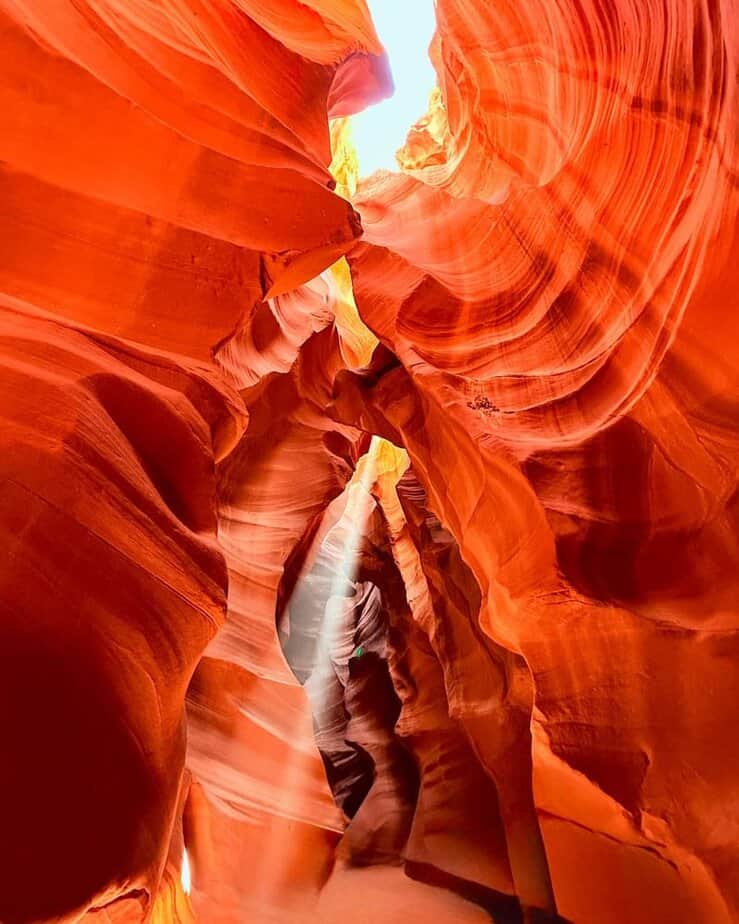
Sunlight streams through narrow openings above, creating magical light beams that dance across wave-like sandstone walls. This natural masterpiece was formed by flash floods carving through soft Navajo sandstone over thousands of years.
Navajo guides lead visitors through the canyon, sharing stories and pointing out the best photo spots. The upper canyon offers more accessible pathways, while Lower Antelope Canyon requires climbing ladders and navigating narrower passages.
Visit midday when light beams are strongest, creating the ethereal glow that makes this slot canyon world-famous.
2. Sedona
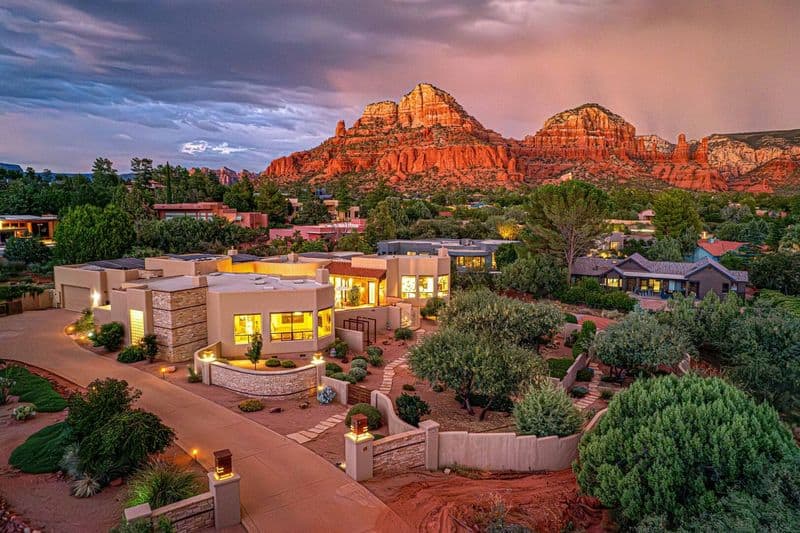
Red rock formations rise dramatically against brilliant blue skies in this spiritual desert oasis. Energy vortexes—swirling centers of energy conducive to healing and meditation—draw seekers from around the world to spots like Cathedral Rock and Bell Rock.
The vibrant arts scene features dozens of galleries showcasing local talent. Hiking trails for all skill levels wind through the stunning landscape, offering panoramic views that seem almost otherworldly.
At sunset, the rocks glow with intense oranges and reds, creating a natural light show that photographers and nature lovers cherish.
3. Horseshoe Bend – Near Page
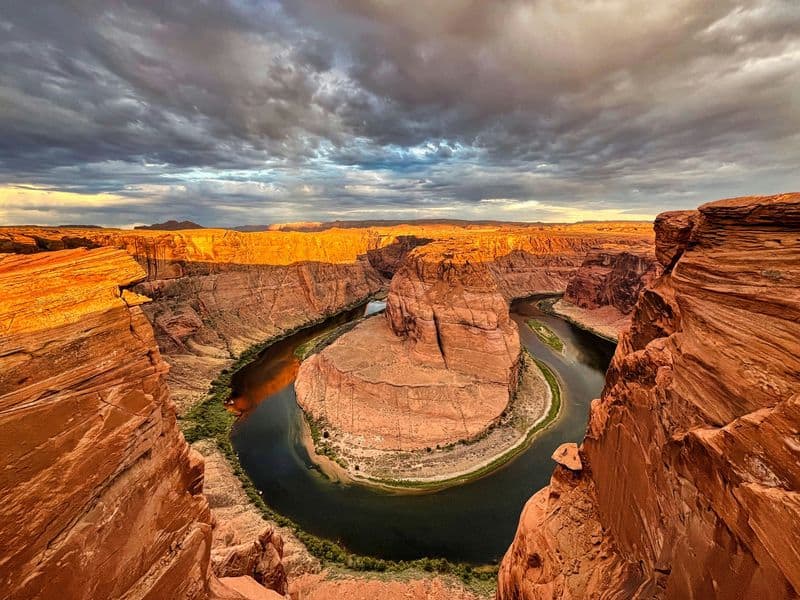
A short hike leads to one of the Southwest’s most breathtaking views. Standing at the edge, you’ll witness the Colorado River making a dramatic 270-degree turn around a massive sandstone escarpment, creating the perfect horseshoe shape.
The overlook sits 1,000 feet above the emerald-green river, with no guardrails at most viewing spots. Arrive at sunrise or sunset when softer light creates spectacular colors and reflections on the water below.
Bring a wide-angle lens to capture the entire bend in one frame—it’s one of the most photographed spots in Arizona for good reason.
4. Monument Valley – Navajo Nation
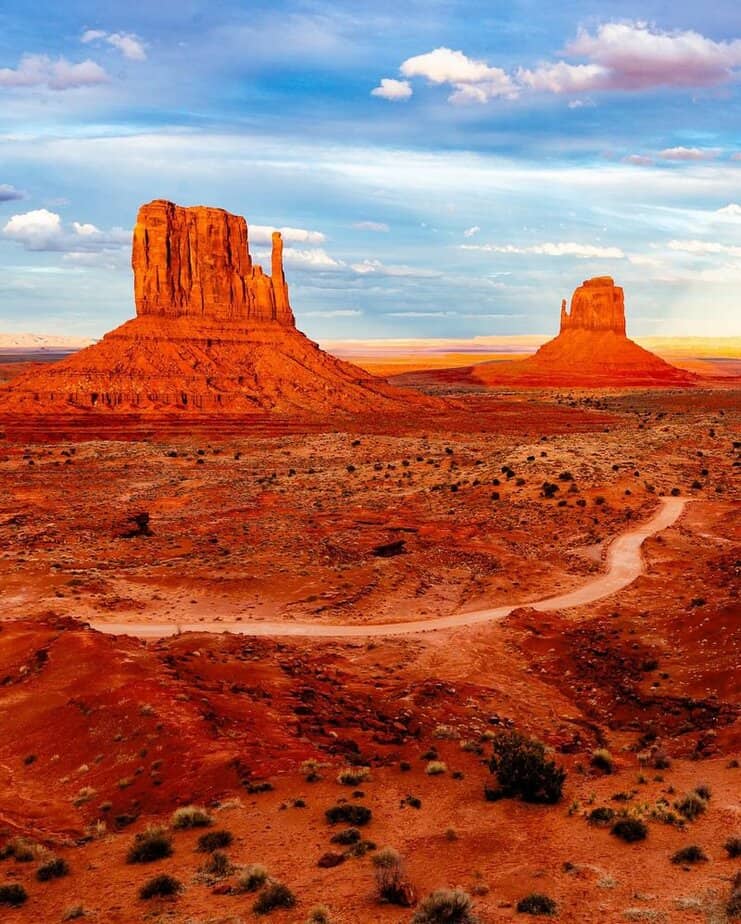
Towering sandstone buttes rise dramatically from the desert floor, creating silhouettes that have defined the American West in countless films. This sacred Navajo land features formations with names like the Mittens, Elephant Butte, and Three Sisters, some reaching heights of 1,000 feet.
The 17-mile scenic drive offers spectacular views, but Navajo-guided tours provide access to restricted areas and cultural insights you’d otherwise miss. Photographers flock here at dawn when the rising sun bathes the monuments in golden light.
Spending a night at The View Hotel lets you witness both sunset and sunrise transforming the landscape.
5. Tombstone
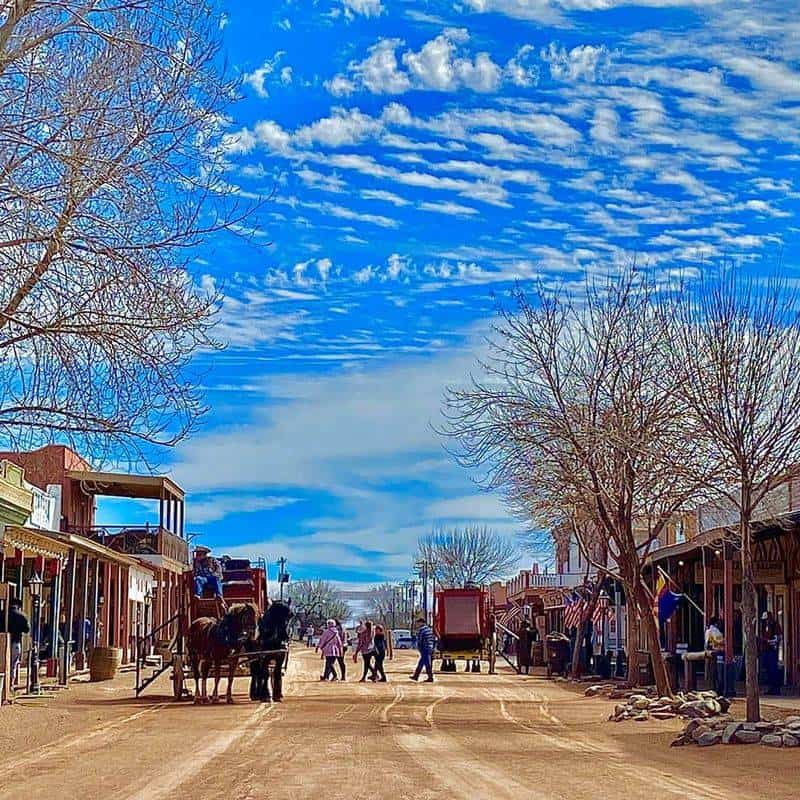
The Town Too Tough To Die lives up to its nickname with well-preserved 1880s buildings lining historic Allen Street. Daily reenactments of the infamous 1881 gunfight at the O.K. Corral bring the Wild West to life as actors portraying Wyatt Earp and Doc Holliday face off against the Clanton-McLaury gang.
Visit the Bird Cage Theatre, once a combination saloon, gambling hall, and brothel that operated 24 hours a day for eight years straight. The original bar still displays bullet holes from rowdy nights.
Boot Hill Cemetery contains the graves of outlaws and lawmen who met violent ends during the town’s silver mining heyday.
6. Jerome
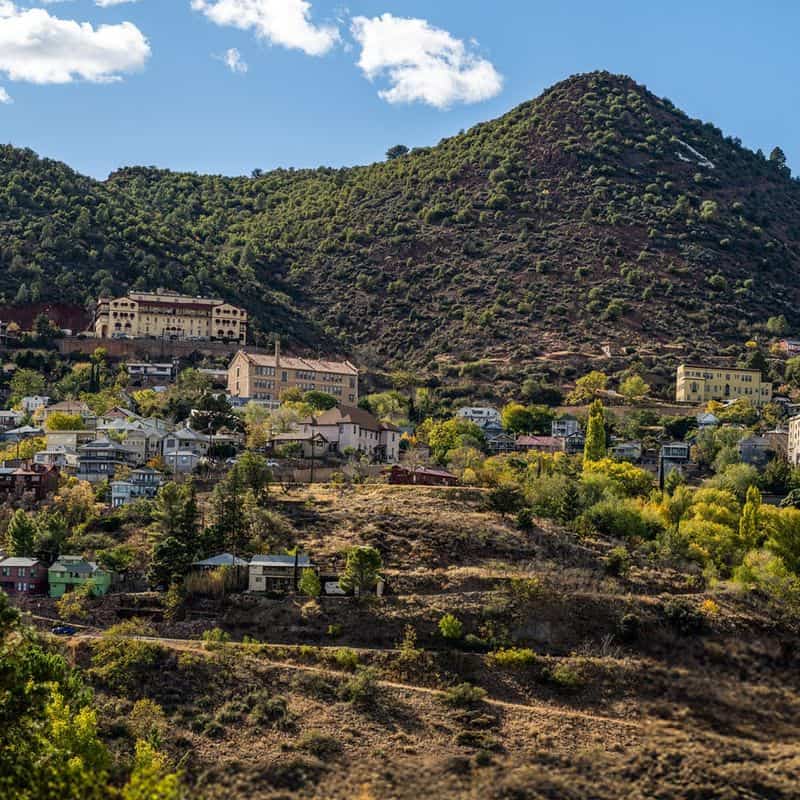
Clinging to the side of Cleopatra Hill, this former copper mining boomtown once known as the “wickedest town in the West” now thrives as an artistic community. Buildings that once housed miners and madams now contain art galleries, quirky shops, and wine tasting rooms.
The Jerome Grand Hotel, formerly a hospital, reportedly houses numerous ghosts from the town’s mining days. Streets wind steeply up and down the mountainside, with many structures seemingly defying gravity as they perch on stilts over the hillside.
From almost anywhere in town, spectacular views stretch across the Verde Valley to the red rocks of Sedona in the distance.
7. Lake Havasu City
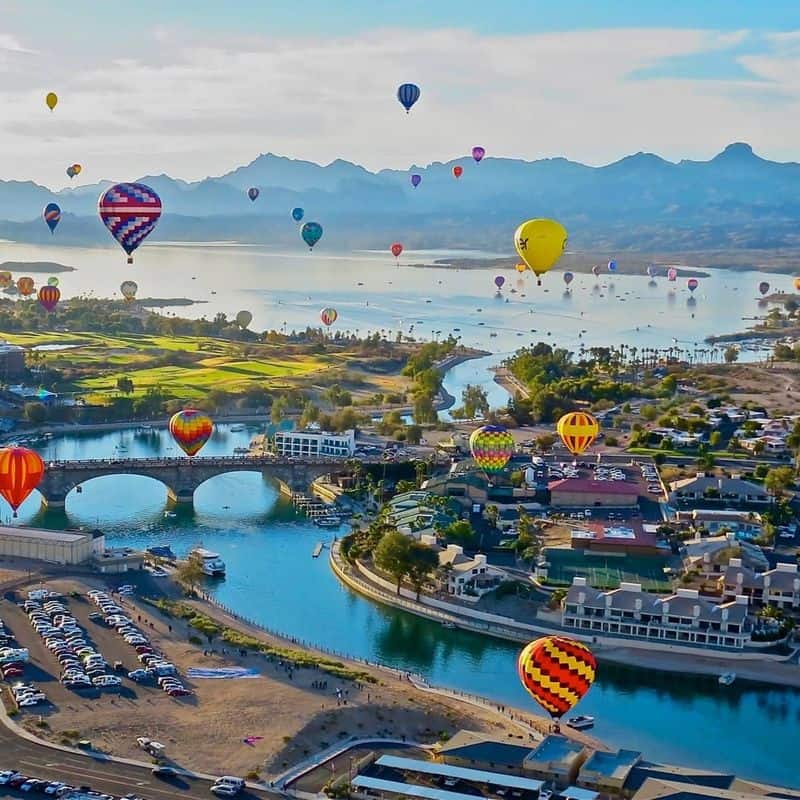
The actual London Bridge spans a narrow channel in this desert oasis city, transported stone by stone from England in 1968. Purchased by chainsaw magnate Robert McCulloch for $2.5 million, this isn’t a replica—it’s the real 1830s bridge that once crossed the Thames.
The crystal-clear lake creates a playground for boaters, with hidden coves and beaches perfect for swimming. During spring break, the waterfront transforms into a lively party scene, while other seasons offer tranquil water recreation.
Lighthouses dot the shoreline—26 working replicas of famous American lighthouses built to one-third scale, creating a unique maritime attraction in the desert.
8. Kartchner Caverns State Park – Near Benson
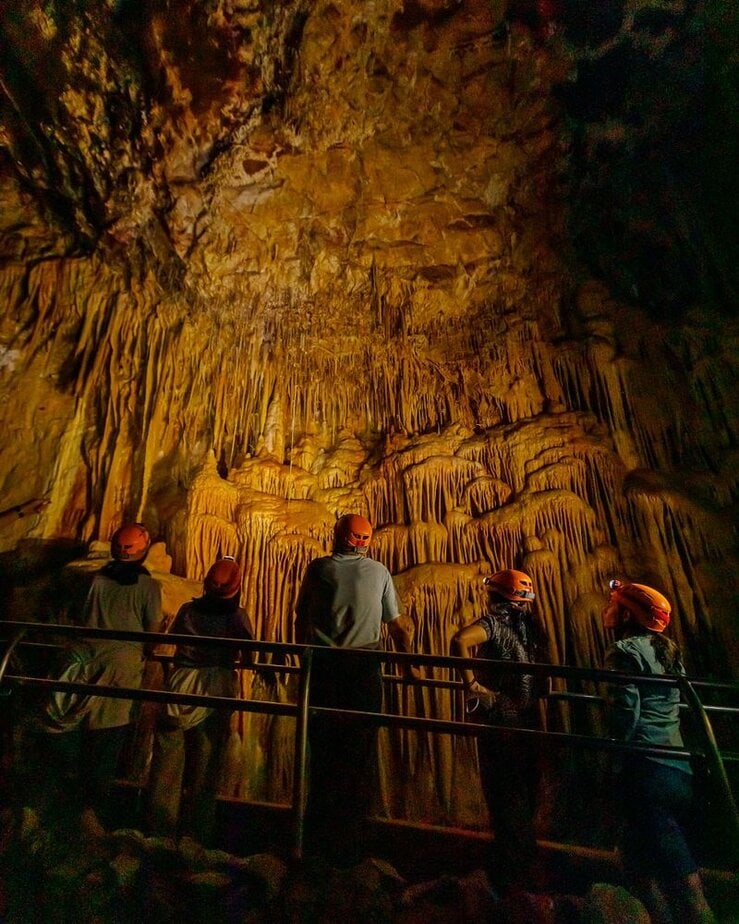
Hidden beneath the Whetstone Mountains lies a secret underground world only discovered in 1974. Explorers Gary Tenen and Randy Tufts kept their find secret for 14 years to protect the pristine cave system from vandalism.
Massive formations continue growing today—the 58-foot tall Kubla Khan column stands as one of the largest cave formations in the world. Unlike many caves, Kartchner remains “living” with water still seeping through limestone, creating stunning features like the bacon-strip-like Throne Room draperies.
State-of-the-art conservation measures maintain the cave’s natural humidity and protect delicate formations that took tens of thousands of years to form.
9. Saguaro National Park – Tucson
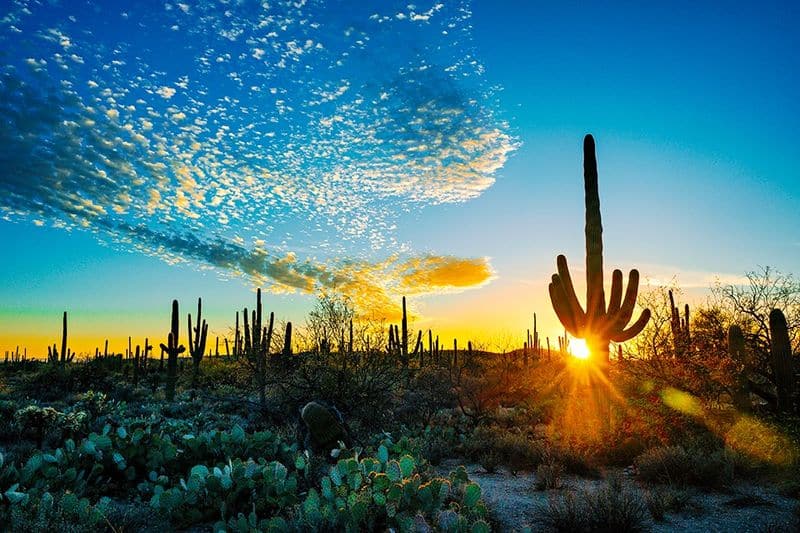
Forests of America’s largest cactus stretch across this divided park that flanks Tucson on both east and west sides. Some saguaros reach 50 feet tall and live over 200 years, developing their iconic arm-like branches only after reaching 75 years of age.
The Rincon Mountain District (east) features higher elevations with lusher vegetation, while the Tucson Mountain District (west) offers denser saguaro forests against mountain backdrops. Ancient petroglyphs etched into rocks by the Hohokam people provide glimpses into prehistoric desert life.
Spring brings spectacular wildflower blooms, while rare summer nights with monsoon storms create dramatic lightning displays behind silhouetted cacti.
10. Petrified Forest National Park
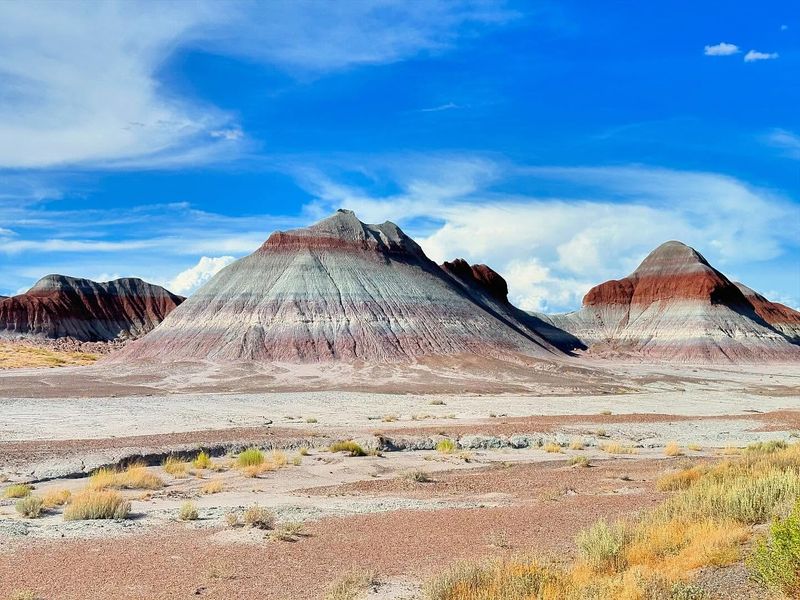
Ancient trees turned to stone lie scattered across a surreal landscape of multicolored badlands. These 225-million-year-old logs from the Late Triassic period contain quartz crystals that create stunning rainbow effects—purples, blues, and reds shimmering within what was once wood.
The Painted Desert portion of the park displays bands of red, pink, and lavender sedimentary layers formed over millions of years. At Newspaper Rock, hundreds of petroglyphs created by ancestral Puebloan people cover black boulders.
The historic Painted Desert Inn, now a museum, offers panoramic views and murals by Hopi artist Fred Kabotie depicting traditional ceremonies.
11. Bisbee
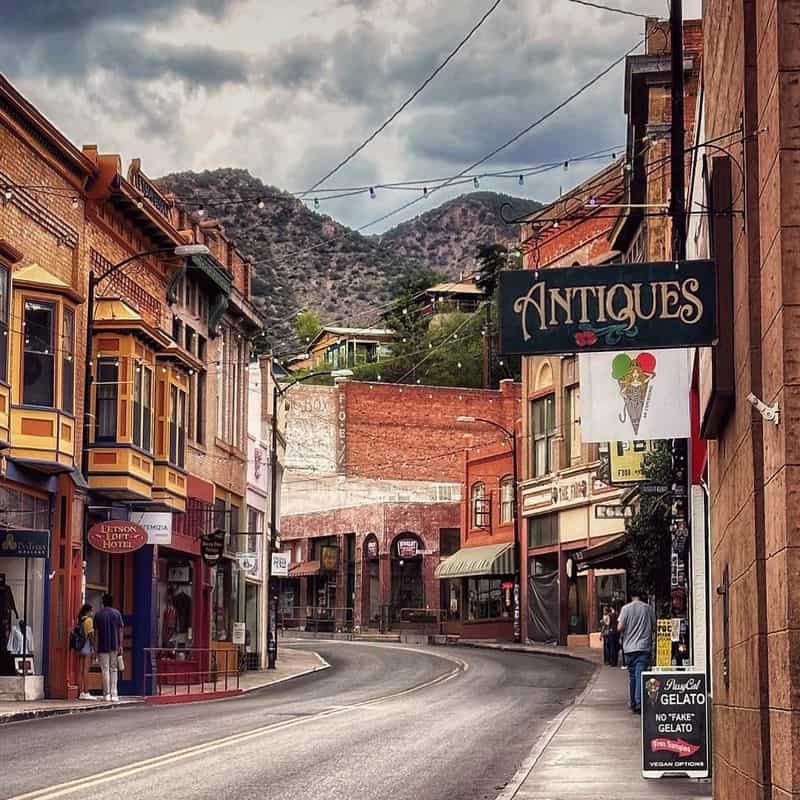
Victorian and European-style buildings cling to steep hillsides in this former copper mining town turned artistic haven. Nicknamed “Little San Francisco,” Bisbee’s colorful homes connected by more than 1,000 stairs create a distinctive architectural patchwork.
The Copper Queen Mine Tour takes visitors underground in mining cars while former miners explain techniques used a century ago. Quirky shops, galleries, and brewpubs occupy historic structures along Main Street, while the Lavender Pit—a massive former open-pit mine—provides a stark reminder of the town’s industrial past.
Annual events like the 1,000 Stair Climb and Bisbee After Dark ghost tours celebrate the town’s unique character.