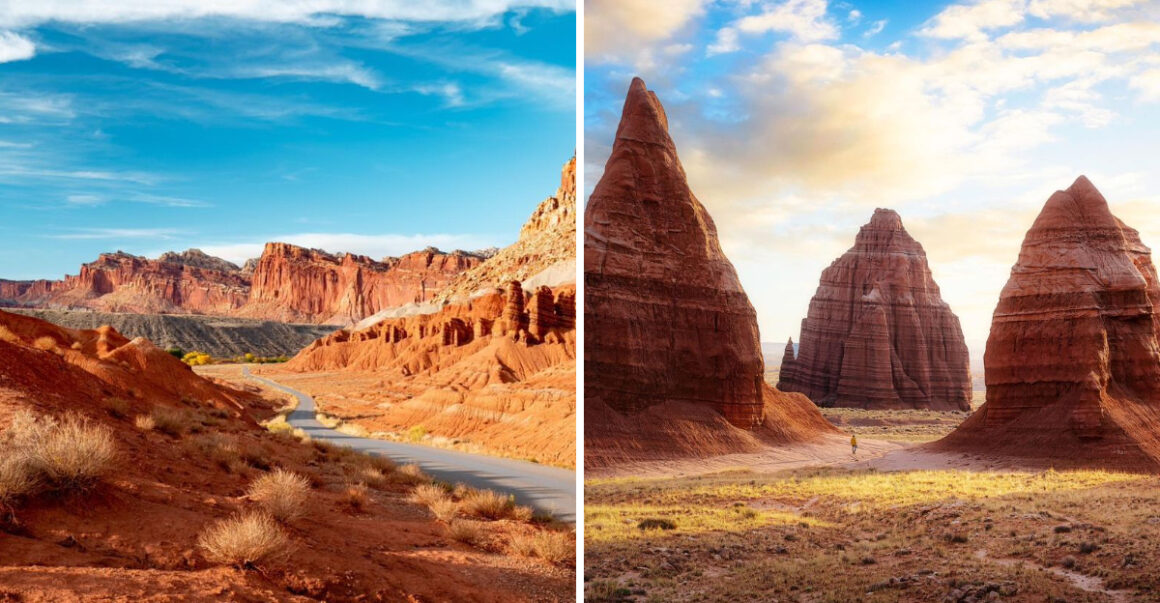
Capitol Reef National Park is a hidden gem in Utah’s red rock country. This stunning landscape boasts colorful cliffs, natural arches, and a rich pioneer history that few other parks can match. Whether you’re a hiker, photographer, or history buff, Capitol Reef offers unforgettable experiences that will leave you planning your next visit before you’ve even left.
1. Scenic Drive
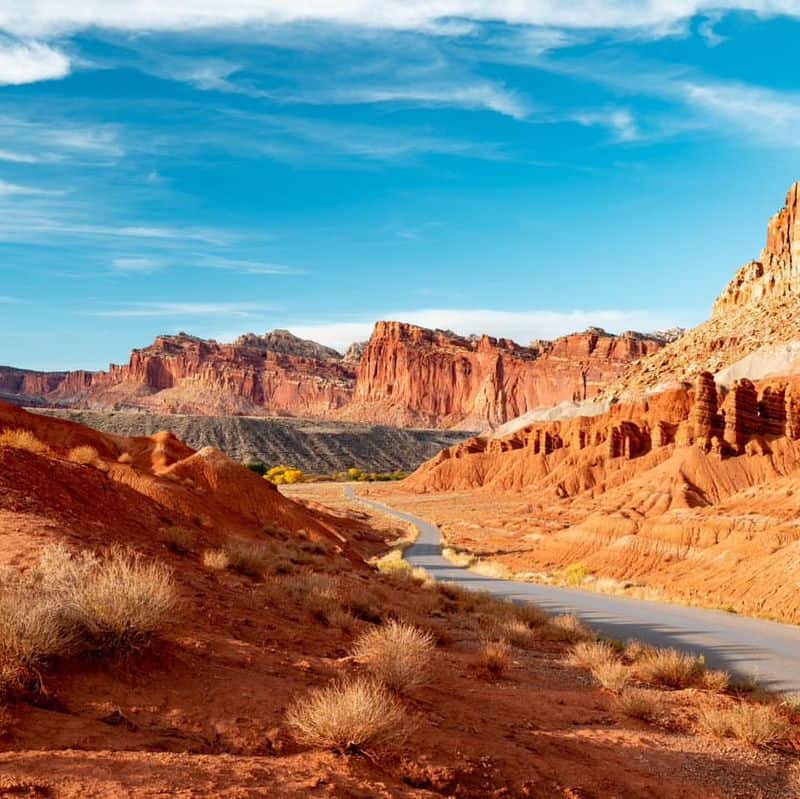
The 7.9-mile paved route through Capitol Reef delivers jaw-dropping views with minimal effort. You’ll wind between massive red cliffs and colorful rock layers that tell a 200-million-year geological story. Pull-offs along the way invite you to step out and breathe in the desert air while marveling at the landscape.
Pack a picnic to enjoy at one of the designated areas surrounded by nature’s artwork. Even during busy seasons, this drive feels less crowded than other Utah parks, giving you space to appreciate the dramatic scenery at your own pace.
2. Fruita Historic District
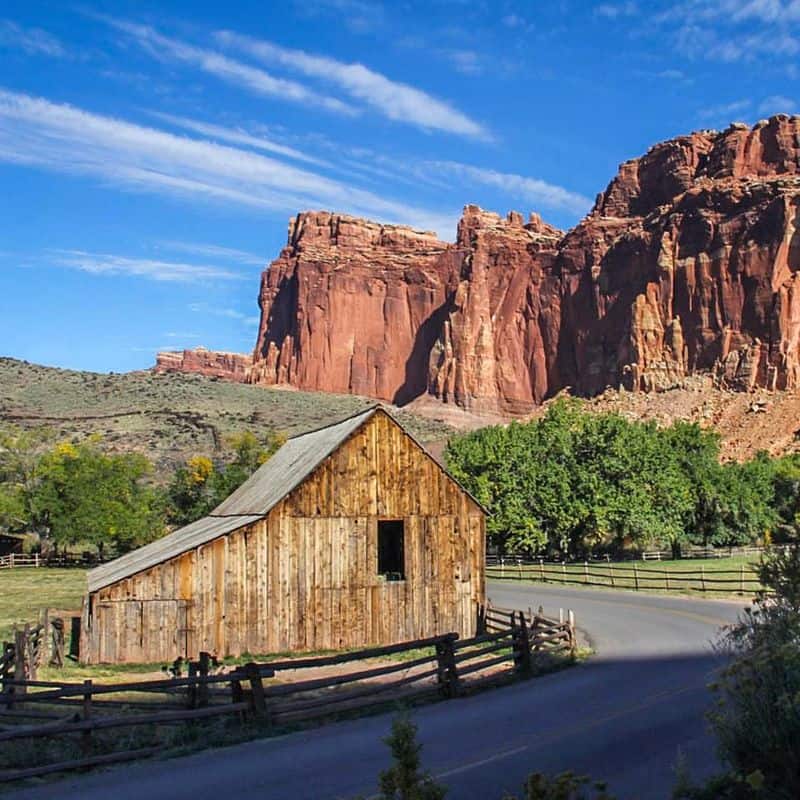
Step back in time among fruit trees planted by Mormon pioneers in the 1880s.
The contrast between verdant orchards and red rock cliffs creates a surreal oasis in the desert landscape. Don’t miss the Gifford Homestead, a preserved farmhouse where freshly baked pies made from seasonal orchard fruits await hungry visitors. The apple, cherry, and mixed berry varieties sell out fast for good reason!
During harvest seasons, you’re welcome to pick fruit yourself – just bring cash for the honor system payment boxes placed throughout the orchards.
3. Hickman Bridge Trail
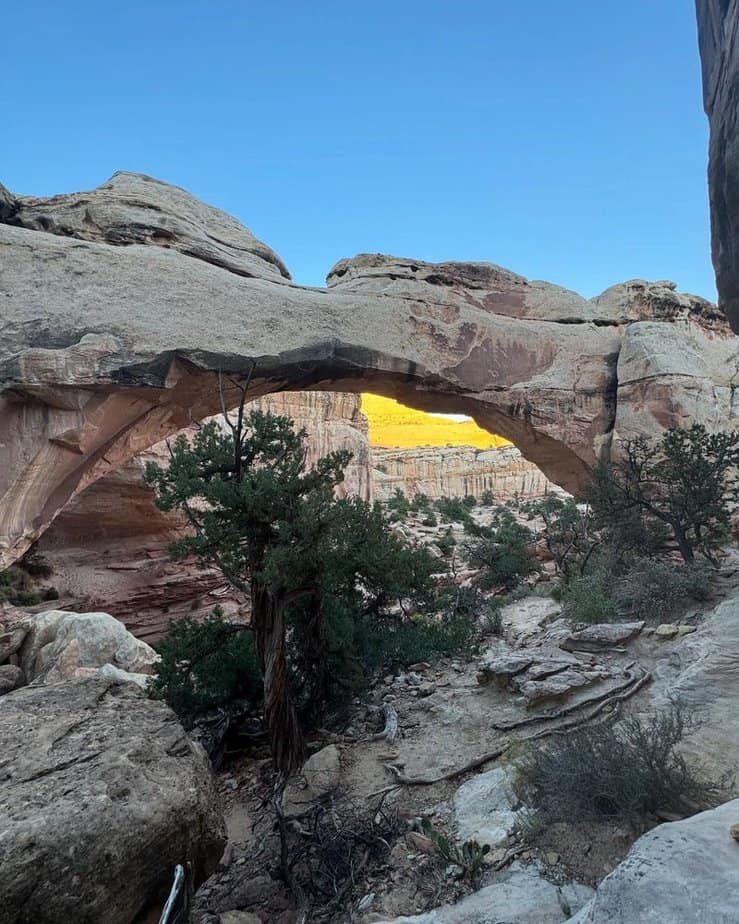
Morning light transforms this natural wonder into a glowing arch that seems to defy gravity. The moderate 1.8-mile round-trip hike rewards you with views of a massive 133-foot natural bridge carved by centuries of erosion. Along the trail, interpretive signs explain the fascinating geology and plant adaptations unique to this high desert environment.
Watch for desert wildlife like lizards sunning themselves on rocks or ravens soaring overhead. The path climbs gradually with some rocky sections, but hikers of most abilities can manage it with proper footwear and water.
4. Cathedral Valley
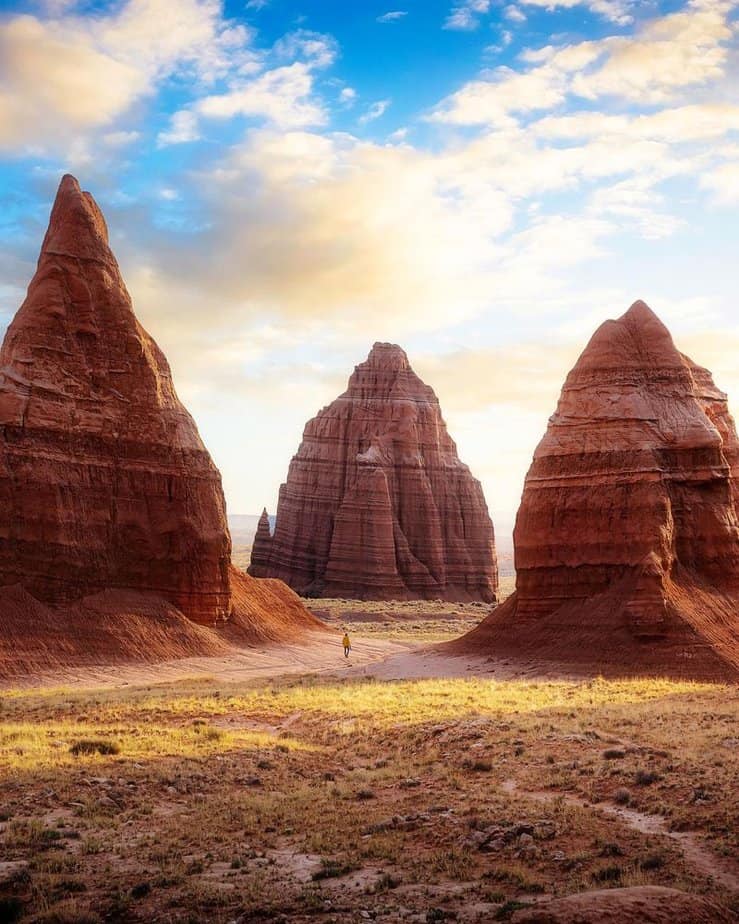
Remote and majestic, Cathedral Valley houses some of the park’s most photogenic formations. The Temple of the Sun and Temple of the Moon rise from the desert floor like ancient monuments to forgotten gods. Accessing this area requires high-clearance vehicles and advance planning, but the extra effort keeps crowds thin.
Morning and evening light cast dramatic shadows across these monoliths, creating photographer heaven. The silence here feels almost sacred – broken only by wind whistling through rock formations and the occasional call of a desert bird. This is wilderness in its purest form.
5. Capitol Gorge
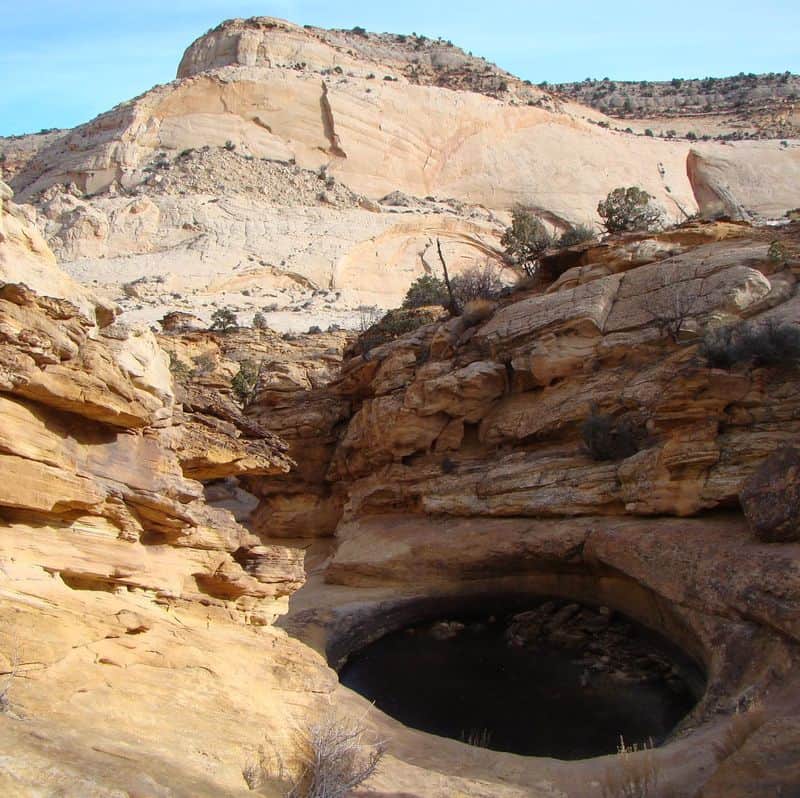
Walking through this narrow canyon feels like traveling through a timeline of human history. Pioneer inscriptions from the late 1800s remain etched in the rock walls, creating an open-air museum of westward expansion.
The trail leads to ‘The Tanks’ – natural water pockets carved into sandstone that collect precious rainwater in this arid environment. After a good rain, these pools reflect the blue sky and surrounding rock in mirror-like perfection.
Before becoming a hiking trail, this gorge served as the main thoroughfare through the Waterpocket Fold until 1962. Imagine early automobiles navigating this tight passage!
6. Cassidy Arch
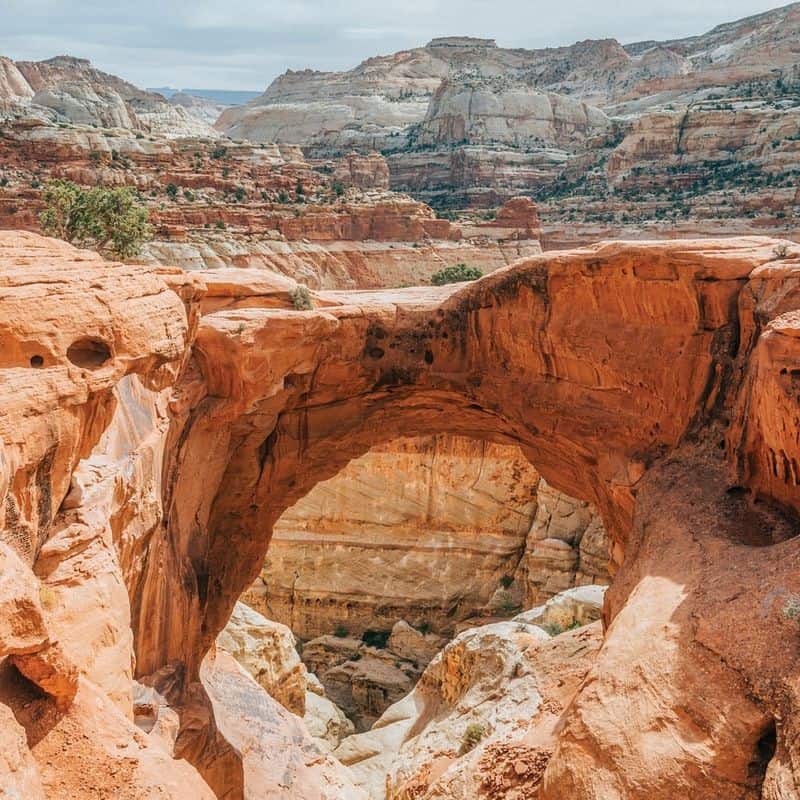
Named after the infamous outlaw Butch Cassidy who used this region as a hideout, this magnificent arch offers adventure and history in one package. Unlike many arches viewed from below, you can actually walk across this one – a thrilling experience for those with steady nerves!
The trail climbs steeply, gaining over 600 feet in elevation, but steel handrails help in the trickiest spots. Your reward? Standing atop a natural stone bridge with sweeping views of the Grand Wash below.
Bring your camera but hold it tight – the winds can pick up suddenly at this exposed viewpoint.
7. Waterpocket Fold
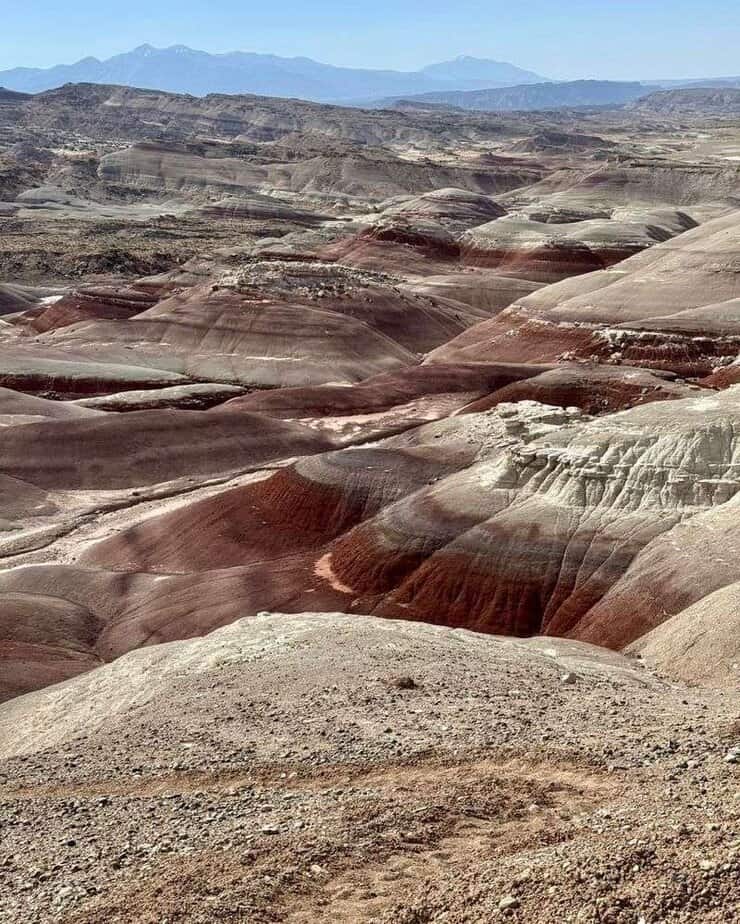
This massive wrinkle in Earth’s crust stretches nearly 100 miles, creating the backbone of Capitol Reef National Park.
Formed millions of years ago when tectonic forces pushed one side of a fault 7,000 feet higher than the other, it’s a geological marvel visible from space. The name comes from countless ‘pockets’ in the rock that capture rainwater – precious resources for wildlife and early travelers.
Drive the Notom-Bullfrog Road to experience the full drama of this formation. Each layer of exposed rock represents a different time period, making the fold essentially a standing timeline of Earth’s history.
8. Panorama Point
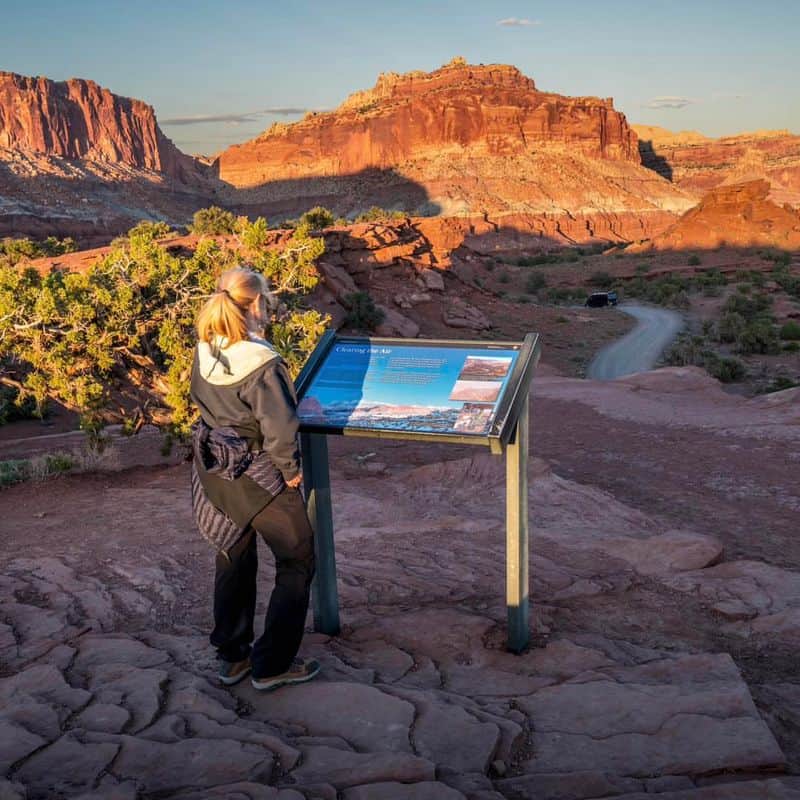
A short drive rewards you with one of the most accessible yet spectacular views in the park. From this elevated perch, the Henry Mountains rise to the east while the Waterpocket Fold stretches before you like a massive stone wave frozen in time.
Sunset transforms the landscape into a canvas of oranges, pinks, and purples that shift by the minute. Photographers arrive early to claim prime tripod positions, but there’s plenty of space for everyone.
On clear nights, stay after sunset for incredible stargazing – the transition from daylight to star-filled sky happens remarkably quickly in the desert.
9. Goosenecks Overlook
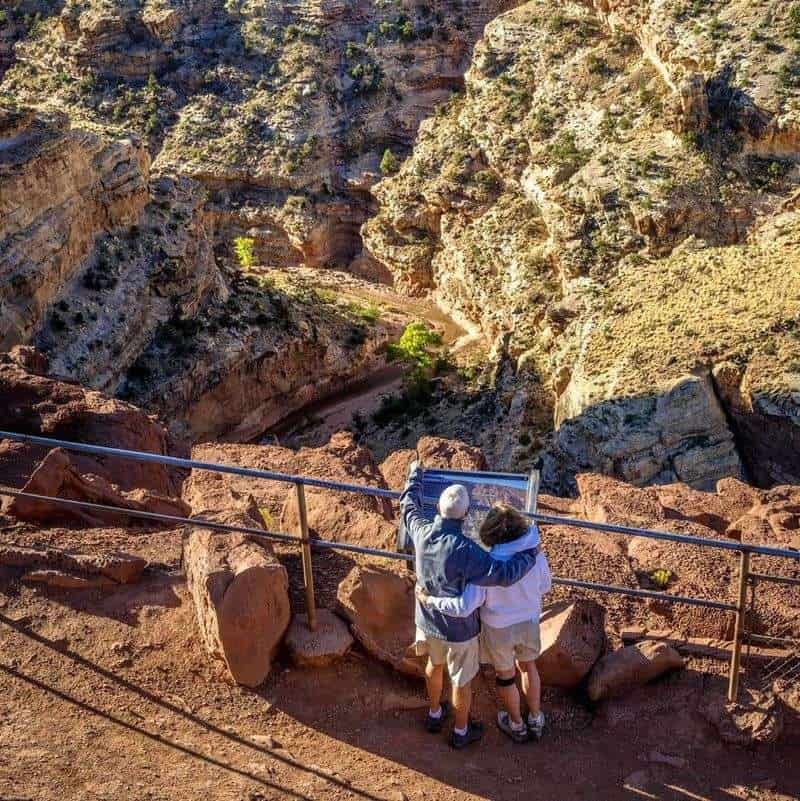
A short 0.2-mile trail leads to a heart-stopping view of Sulphur Creek carving its way through ancient rock layers.
The creek makes dramatic hairpin turns far below, creating a miniature version of the more famous Goosenecks of the San Juan River. The overlook perches on the canyon edge with no guardrails, offering unobstructed views that make for dramatic photos. Keep children and pets close as the drop is several hundred feet straight down!
Morning visits often reward you with solitude at this less-visited gem. Listen carefully and you might hear the distant sound of water echoing up from the canyon depths.
10. Chimney Rock Loop
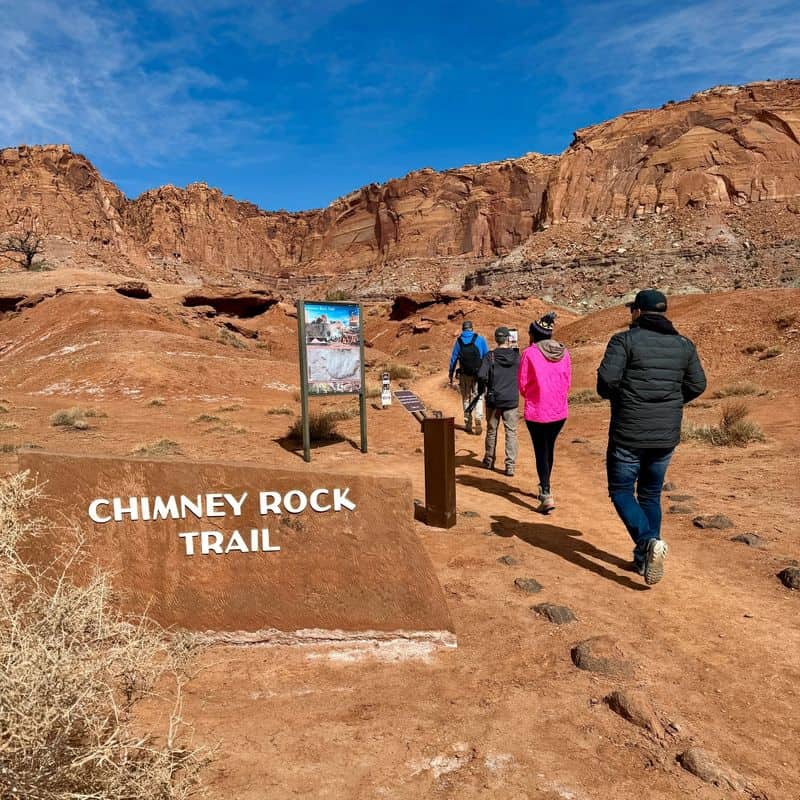
Standing tall like a sentinel at the park’s western edge, Chimney Rock serves as your companion throughout this popular 3.6-mile loop trail.
The distinctive rock formation resembles a chimney (or perhaps a thumb, depending on your perspective) jutting dramatically from the landscape. As you climb, each switchback reveals new angles of the surrounding Waterpocket Fold.
The trail’s high point offers a 360-degree panorama that puts the park’s massive scale into perspective. Spring brings desert wildflowers that add splashes of yellow, purple, and red to the trail edges – a photographer’s delight against the red rock backdrop.
11. Stargazing
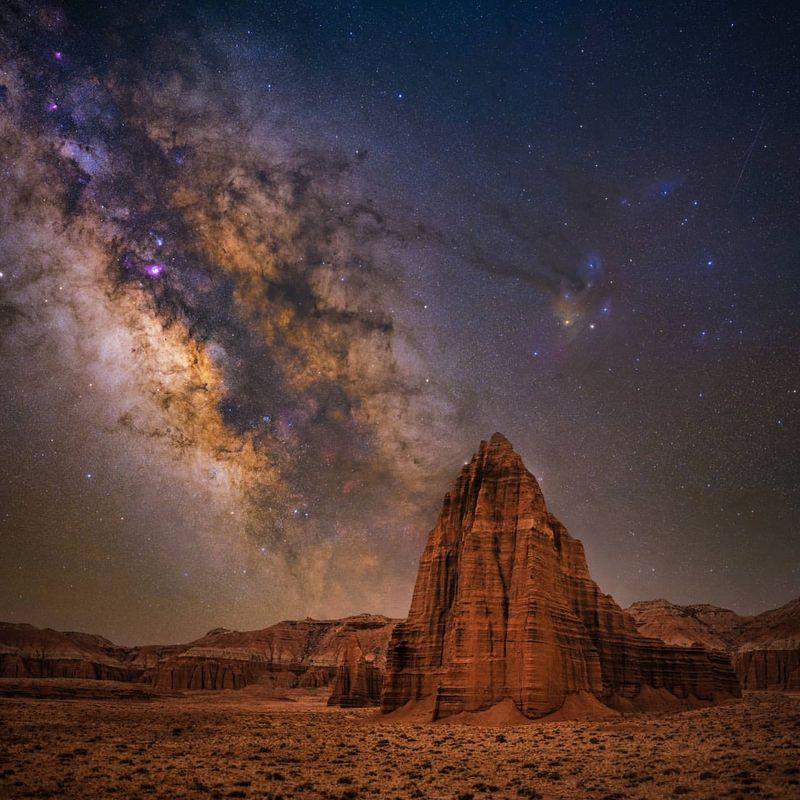
When darkness falls, Capitol Reef reveals its final masterpiece – a star-filled sky largely untouched by light pollution.
As an International Dark Sky Park, the Milky Way appears so bright it seems close enough to touch. Rangers offer occasional night sky programs with telescopes during summer months.
For photography enthusiasts, the contrast between ancient rocks and cosmic light creates otherworldly images unlike anywhere else. Bundle up even in summer – desert temperatures drop quickly after sunset. The visitor center provides information on the best stargazing locations and moon phases for optimal viewing.