Think you know Texas culture? The real stuff shows up in little rituals, unspoken rules, and phrases that only make sense once you have lived here. You will hear it at a barbecue line, feel it under Friday night lights, and see it in a sky that changes moods by lunchtime.
Keep reading, and you will catch the rhythms that Texans treat like second nature.
1. Texas Was Its Own Country—and Acts Like It
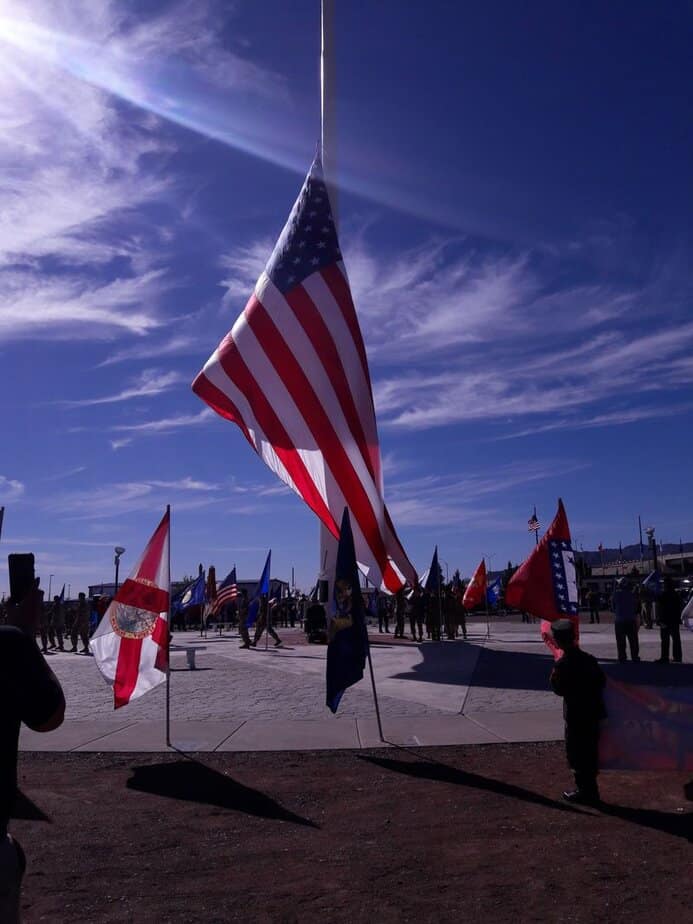
Walk around long enough and you will notice the flag flying at the same height as the U.S. flag. That is not attitude, it is tradition born from a brief, fiercely remembered republic. You feel it in the way people talk about state history like family stories, with pride that is both charming and immovable.
The customs are practical too. Classroom lessons linger on the Alamo, Juneteenth, and frontier grit, all stitched into daily life. You will see star motifs on gates, belt buckles, and courthouse domes because symbols matter here.
Ask about laws, and someone quotes the constitution section like a cousin’s address. The country-first mindset shows up as hospitality paired with stubborn independence, equal parts welcome and watchfulness.
2. “Y’all” Is Singular and Plural
You will hear y’all everywhere, and context does the heavy lifting. One person gets a friendly you all when the tone leans gentle, while a group hears y’all with a wider smile. Somehow your brain translates it instantly, like a linguistic wink that invites you in without ceremony.
The word is efficient, polite, and inclusive. It softens orders, warms directions, and keeps conversations from sounding stiff. Try substituting you guys and watch faces tighten a little because the music of the sentence changes.
Texans also use all y’all for emphasis when managing big groups. You will catch a hey y’all at doorways and cash registers, a tiny welcome mat for everyday moments. It is grammar, hospitality, and rhythm in one syllable.
3. Texas Isn’t Southern, Western, or Southwestern—It’s All Three
Drive a few hours and the culture shifts under your wheels. Piney woods churches ring with Southern hymns in the east, while windmills and wide horizons define the Western edge. Down south, border brass bands mingle with conjunto and weekend carne asada, turning parks into living kitchens.
Menus change with county lines. Chicken fried steak rules in one town, smoked cabrito and tamales headline the next. You learn to listen for accents that slide from drawl to desert crisp to border lilt without warning.
Festivals braid it together. Rodeo queens share calendars with zydeco dances and charreada roping. The mashup feels seamless because identity here is layered, not swapped, and new arrivals get folded into the quilt stitch by stitch.
4. High School Football Is Basically a Religion
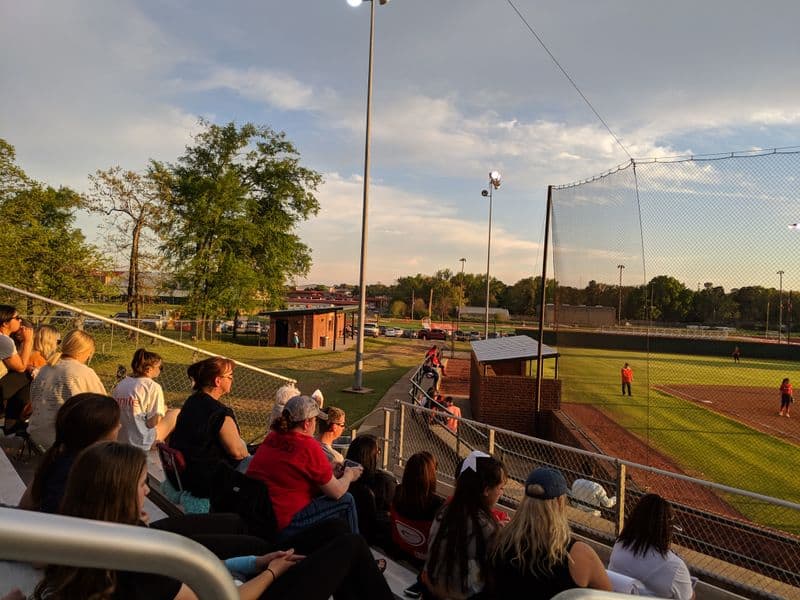
Friday night pulls whole towns under bright lights. Stadiums rise like cathedrals with turf pews, and you can smell fajitas drifting from booster grills. People remember seasons by rainstorms and rivalry scores, and the marching band is as revered as the quarterback.
The money is real. Multi million dollar facilities sit behind modest houses because pride votes yes on bonds. You will see film crews, drone shots, and a grandma charting stats with a pencil she sharpens every quarter.
Rituals matter. Moms pin mums, dads paint signs, kids learn chants before cursive. Even if you do not care about football, you will care about your town by halftime, because community calls plays louder than coaches do.
5. Texans Measure Distance in Time, Not Miles
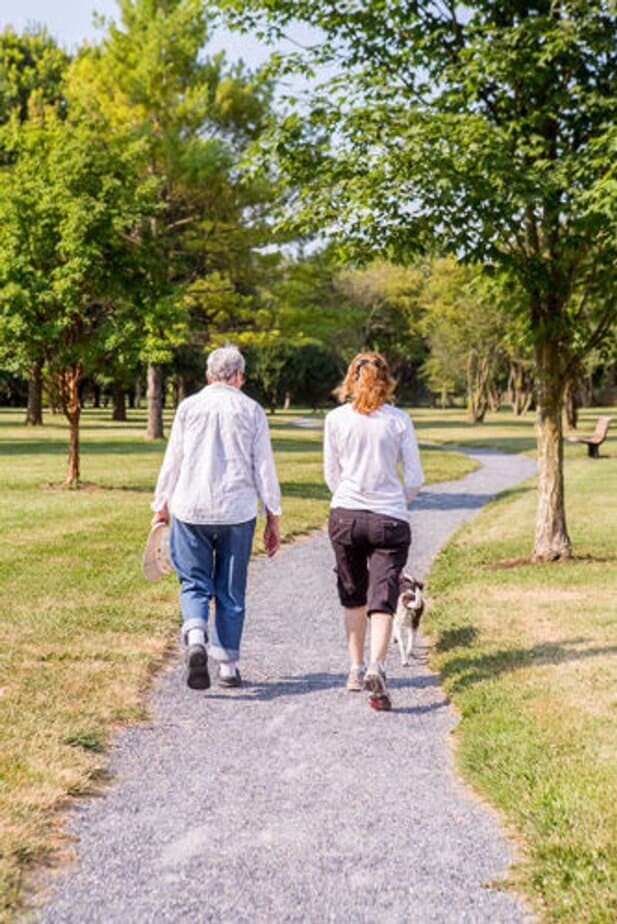
Ask how far and you will get a shrug followed by about 45 minutes if traffic behaves. The clock beats the odometer because highways stretch forever and rush hour is a personality. Locals factor in construction zones, feeder roads, and that one interchange where everyone forgets how to merge.
Time math is specific. Folks say fifteen with lights or an hour with Buc ee’s stop baked in. When storms roll through, estimates flex like a rubber band and no one gets mad about it.
Navigation apps help, but conversations stay human. You will hear take the toll road, save ten, then cut over by the feed store. Distance feels lived, not measured, because schedules carry more truth than signage.
6. Barbecue Is Regional—and People Will Argue About It
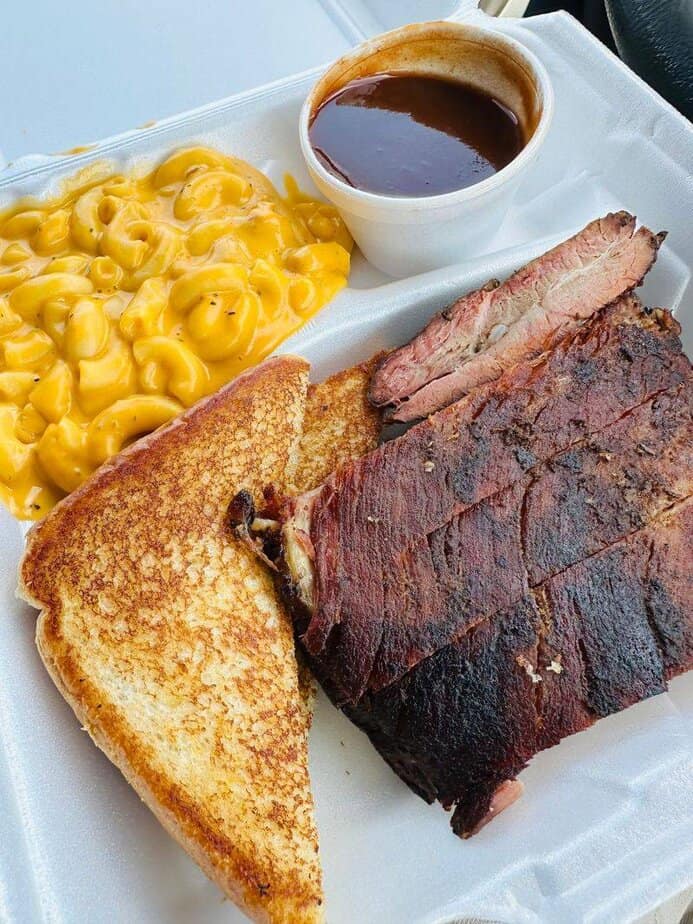
Order brisket in central counties and you will get slices with a pepper crust that snaps. Cross east and chopped beef sandwiches drip sweet smoke onto butcher paper. Head south for barbacoa that whispers secrets from a slow pit, then west where mesquite turns flame into perfume.
The debates are friendly but fierce. Sauce or no sauce, post oak or mesquite, line up at dawn or wait till sold out. Everyone has an uncle with a pit and a theory that could pass peer review.
Etiquette counts. Do not ask for forks, learn the bark, and let the meat rest before bragging. Arguing is part of the meal, and the winner is whoever brought jalapeno cheddar sausage.
7. Tex-Mex Is Its Own Cuisine, Not a Knockoff
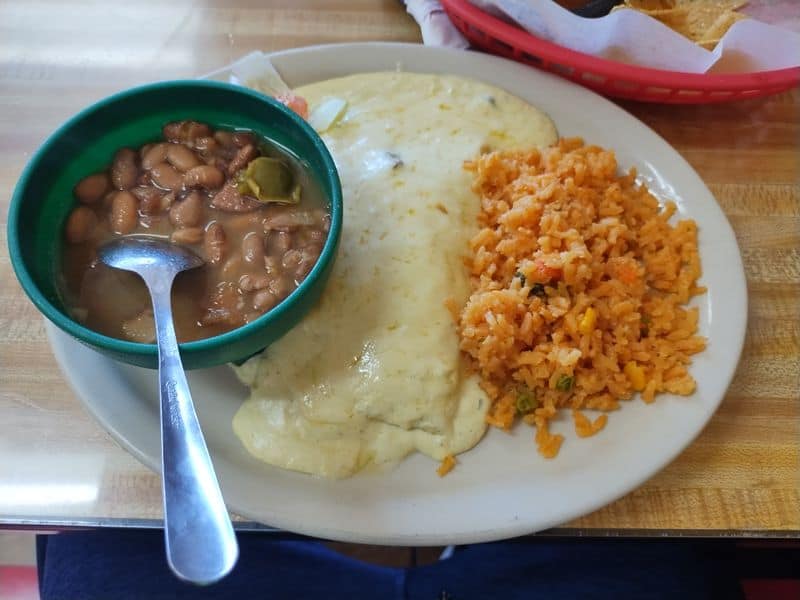
Plates arrive sizzling like applause. Chili con carne, queso, and fajitas are not imitations, they are homegrown hits tuned to Texas palates. Flour tortillas puff, cumin leans forward, and melted cheese does diplomatic work between cultures without asking permission.
Breakfast tacos carry mornings with potato, egg, and salsa that tastes like someone’s backyard tomatoes. You learn the difference between enchilada gravy and red chile sauce on your second visit. Chips refill themselves as if kindness had a server’s apron.
Purists can argue, but the crowd keeps eating. The cuisine honors Mexican roots while inventing its own dance steps, like a border two step in a skillet. If comfort had a smell, it would be queso steam at dusk.
8. Weather Changes Are Casual Conversation Starters
Mornings can bite like winter, lunch can flirt with summer, and dinner might bring thunder that rattles windows. Forecasts feel like suggestions when blue northers sprint across the plains. Locals develop a sixth sense for reading clouds that look harmless until they suddenly are not.
Every car hides a jacket, a cap, and maybe a beach towel for seats after surprise downpours. Talk about the sky acts as a handshake in grocery lines. You compare radar apps like recipes and trade hail stories with strangers.
Storm etiquette matters too. Park under overhangs, watch low water crossings, and respect lightning that outruns conversation. The weather is a neighbor with mood swings, but it keeps life interesting and porch talk lively.
9. Gas Stations Can Be Tourist Attractions
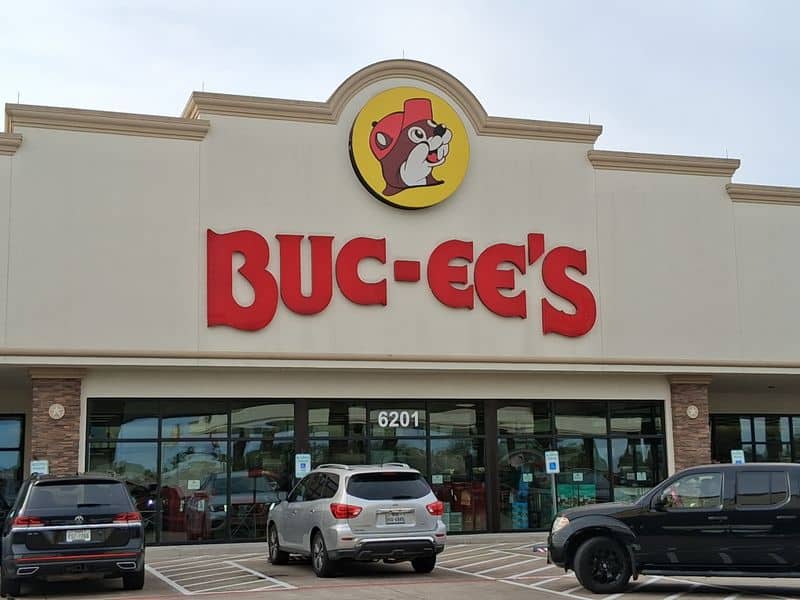
You will plan bathroom breaks like field trips because Buc ee’s turned pit stops into events. Spot the beaver logo and expect spotless stalls, a wall of jerky, and a brisket station that works like a command center. People buy merch, pose with statues, and treat snacks like souvenirs.
Road trips become treasure hunts. Kids race to the fudge counter, adults debate kolaches versus tacos, and everyone agrees the ice machines are somehow better. Parking lots look like mini festivals with tailgate previews of vacation joy.
It sounds silly until you experience the efficiency. Lines move, floors shine, and the store feels like a cheerful airport without flights. Somehow a gas station became a love letter to road culture.
10. Leaving Texas Is Optional, But Talking About It Is Not
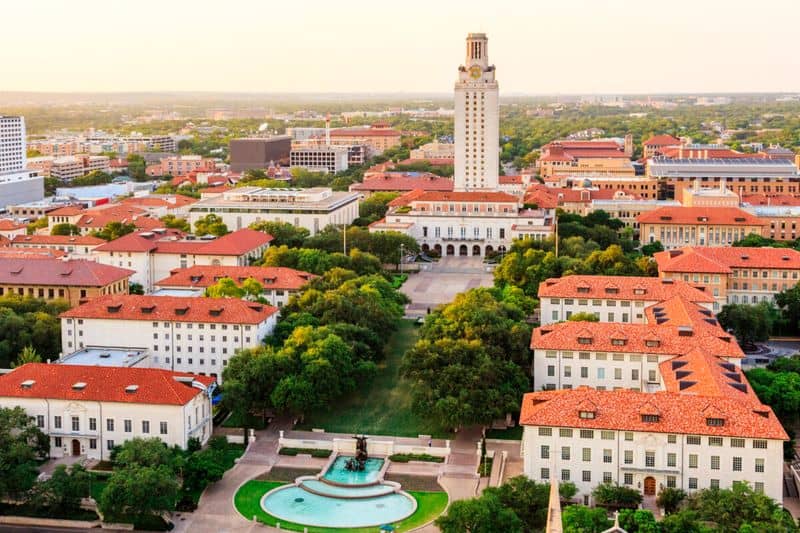
Even miles away, the stories keep rolling out like fresh tortillas. You will hear about rivers, bluebonnets, barbecue lines, and that one perfect sunset over cattle guards. Pride travels well, packing itself into small talk until the room feels a few degrees warmer.
It is not bragging so much as homesickness with a grin. Folks adopt new cities but still track high school scores and rainfall back home. If you have ever left, you know the smell of mesquite smoke can ambush you in another state.
Texans share because the place keeps shaping them. Conversation becomes a passport stamp, proof you belong to a big, stubborn story. Ask for recommendations and you will get an itinerary and a ride offer.