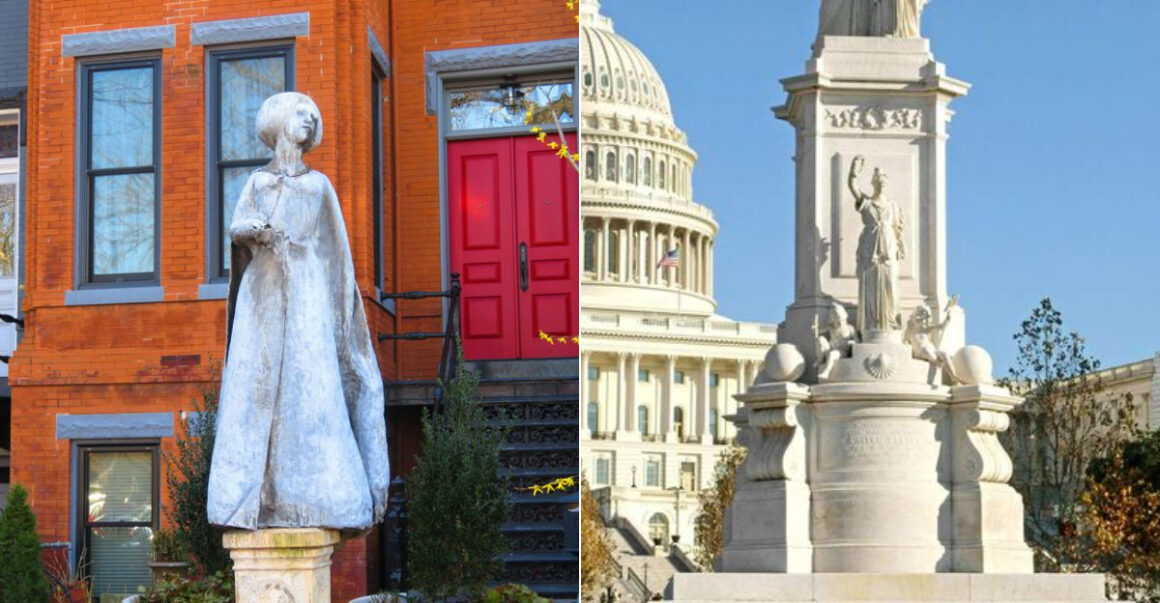
Washington, D.C. isn’t just home to monuments celebrating presidents and war heroes – it also honors the incredible women who shaped our nation. Throughout the capital, statues, buildings, and memorials stand as powerful reminders of women’s contributions to American history. Walking these historic streets, you’ll discover tributes to pioneering educators, dedicated public servants, and groundbreaking artists who changed our country forever.
1. Peace Monument, U.S. Capitol
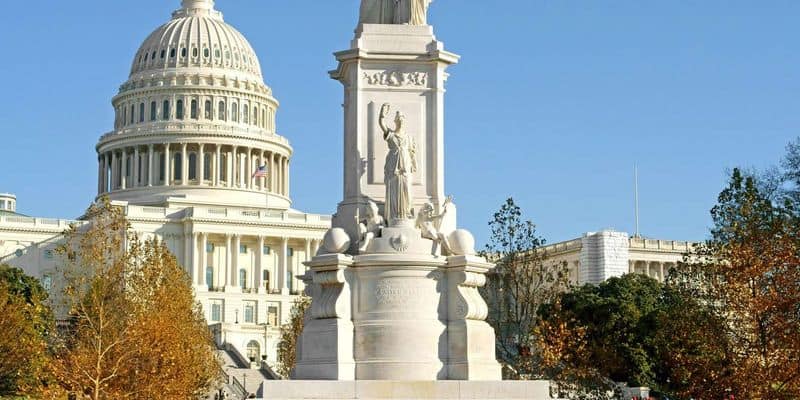
Standing tall since 1878, this marble masterpiece features a female figure representing Grief weeping on the shoulder of History. The symbolism speaks volumes about women’s historical role as mourners during wartime.
Tucked away on the Capitol grounds, many visitors walk right past without noticing the emotional depth captured in stone. The sculptor, Franklin Simmons, created this monument to honor naval deaths in the Civil War.
Winter visits offer a special perspective when snow dusts the figures, highlighting their delicate features against the stark white Capitol building in the background.
2. Mary McLeod Bethune Memorial, Lincoln Park
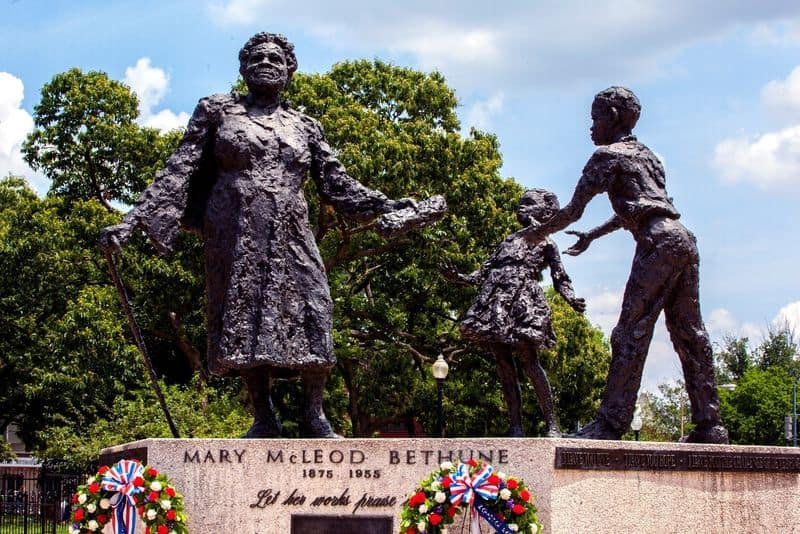
Trailblazing educator and civil rights pioneer Mary McLeod Bethune stands proudly in bronze, passing her legacy to future generations. Her statue holds a cane gifted by President Roosevelt, symbolizing her remarkable influence in his administration.
Visitors often leave flowers at the base of this powerful monument, the first statue of an African American woman on public land in Washington. Created by sculptor Robert Berks in 1974, the memorial captures Bethune’s determined spirit.
Around the statue, inscriptions share her most inspiring words about love, hope, and the importance of education for all Americans regardless of race.
3. Frances Perkins Building
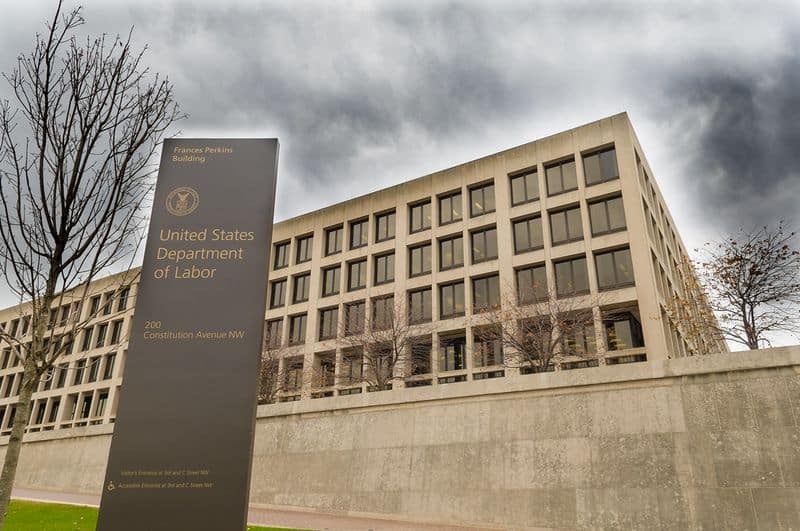
Named after America’s first female Cabinet member, this imposing structure houses the Department of Labor where Perkins once revolutionized worker protections. Her fingerprints remain on Social Security, minimum wage laws, and workplace safety regulations that millions benefit from today.
Architectural elements throughout the building subtly honor her legacy with art installations depicting labor history. A portrait of Perkins greets visitors in the main lobby, her determined gaze a reminder of her persistence during the Great Depression.
Tours reveal fascinating stories about how this remarkable woman navigated the male-dominated politics of the 1930s while creating fundamental changes in American working conditions.
4. Contemplation of Justice, U.S. Supreme Court
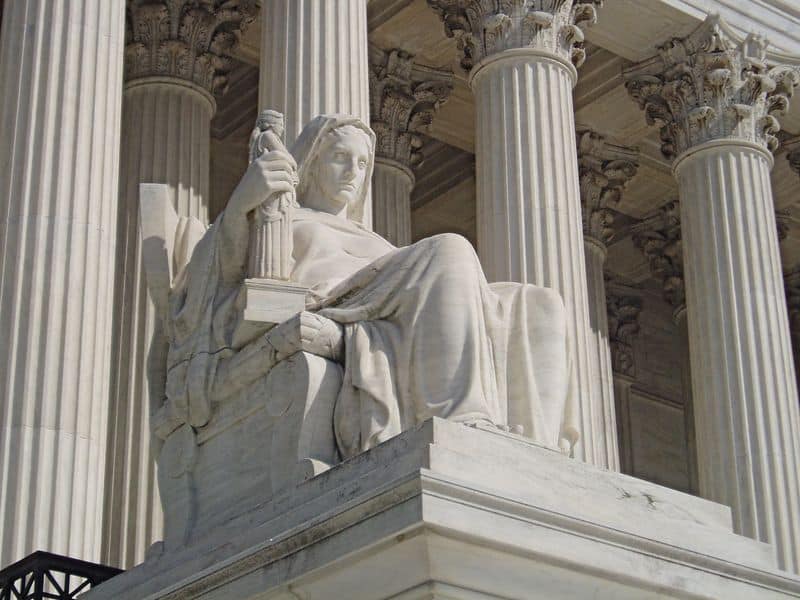
Perched majestically outside the highest court in the land sits a powerful female figure representing Justice in thoughtful reflection. Sculptor James Earle Fraser created this iconic statue in 1935, deliberately choosing a woman to embody the concept of justice.
Holding a book of law and gazing contemplatively forward, she reminds visitors that justice requires careful deliberation. Her serene expression contrasts with the bustle of the court’s daily business.
Morning light casts dramatic shadows across her features, making dawn an especially meaningful time to appreciate this symbol of women’s connection to justice and equality under the law.
5. Olive Risley Seward statue, Capitol Hill
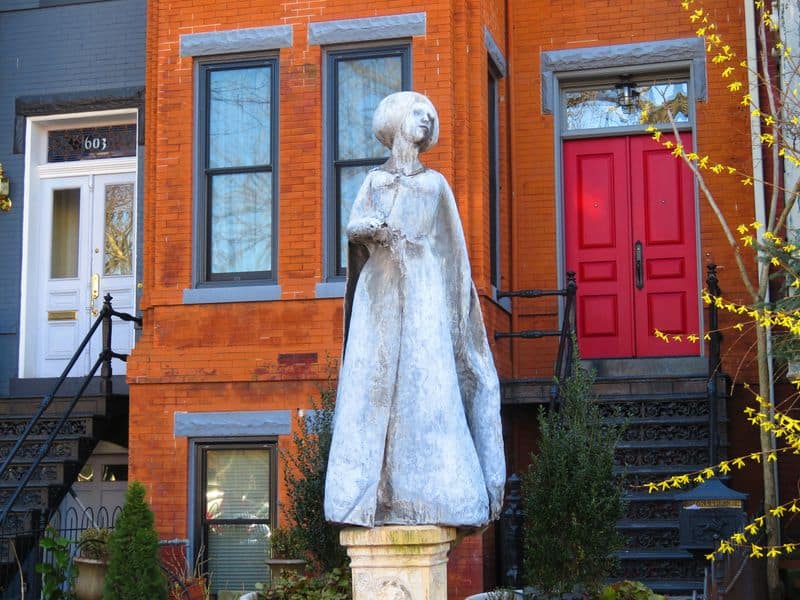
Hidden away in a quiet corner of Capitol Hill stands a tribute to a remarkable diplomat’s daughter who became an important cultural ambassador. Few tourists discover this understated monument to Olive Risley Seward, adopted daughter of Secretary of State William Seward.
After traveling extensively through Asia with her father, she documented their journeys in writings that helped Americans understand distant cultures. The statue captures her intellectual curiosity and independent spirit, rare qualities celebrated in women of her Victorian era.
Neighborhood residents often decorate the statue during holidays, creating a touching connection between past and present female changemakers.
6. Vietnam Women’s Memorial
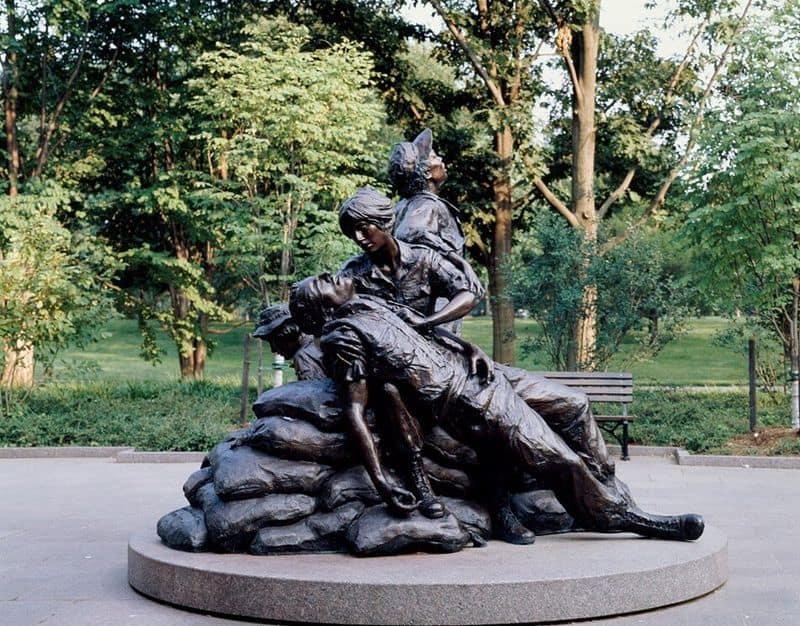
Amidst the solemnity of the Vietnam Veterans Memorial stands a powerful bronze sculpture honoring the 11,000 women who served during the Vietnam War. Three uniformed women tend to a wounded soldier, capturing the compassion and professionalism of nurses who saved countless lives.
Created by sculptor Glenna Goodacre and dedicated in 1993, this memorial finally recognized women’s crucial wartime contributions. Veterans frequently leave tokens of remembrance—medical pins, notes, flowers—at the base of the statue.
Approaching from different angles reveals unique emotional expressions on each figure’s face, from determination to exhaustion to hope, reflecting the complex reality of women’s wartime experiences.
7. Spirit of Haida Gwaii, The Black Canoe, Canadian Embassy
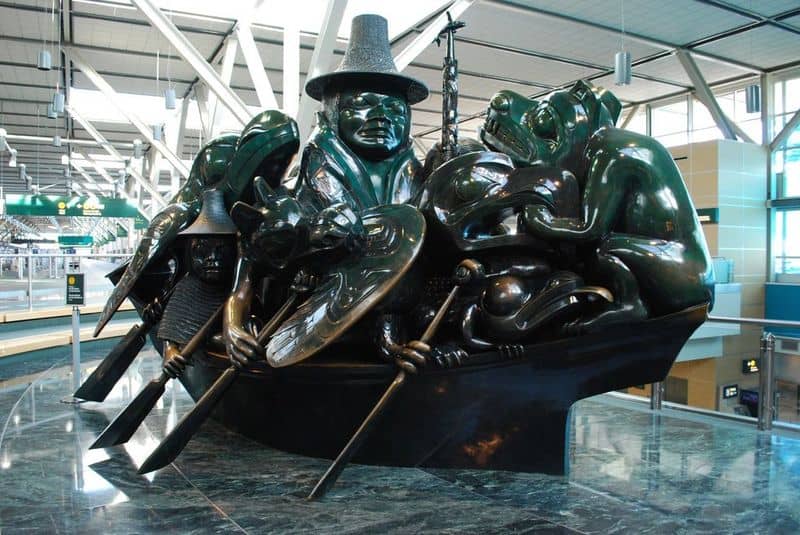
Mysterious figures crowd a magnificent bronze canoe outside the Canadian Embassy, including powerful female characters from Indigenous mythology. Created by celebrated Haida artist Bill Reid, this sculpture features female spirits alongside male ones, honoring the balance of gender in Native cultures.
Water flows around the base, creating a mesmerizing sound that draws visitors closer to discover the intricate details. The female figures represent strength, wisdom, and creativity—qualities traditionally associated with women in Haida culture.
Sunlight changes throughout the day, highlighting different aspects of the female figures and creating an ever-shifting visual experience that rewards repeated visits.
8. Jane Delano, American Red Cross headquarters
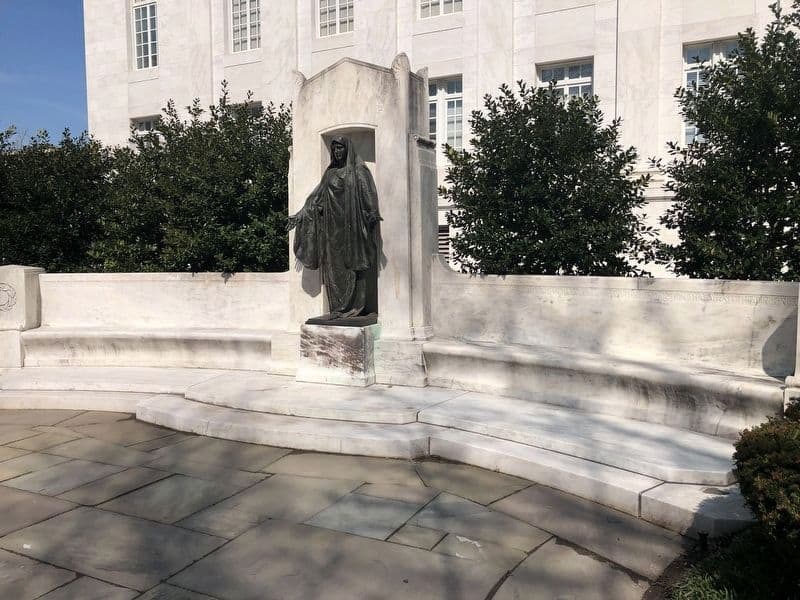
Revolutionary nursing leader Jane Delano watches over visitors to the American Red Cross headquarters through a striking bronze memorial. During World War I, she organized thousands of nurses who saved countless soldiers’ lives, forever changing military medicine.
Surrounded by peaceful gardens, the statue portrays Delano with a compassionate expression that captured her dedication to humanitarian service. Tragically, she died while on a Red Cross mission overseas, making her memorial particularly poignant.
Nursing students often gather here for inspiration, sometimes leaving their pins or small tokens of respect for this pioneering woman who elevated nursing from a job to a respected profession.
9. Eleanor Roosevelt, The Franklin Delano Roosevelt Memorial
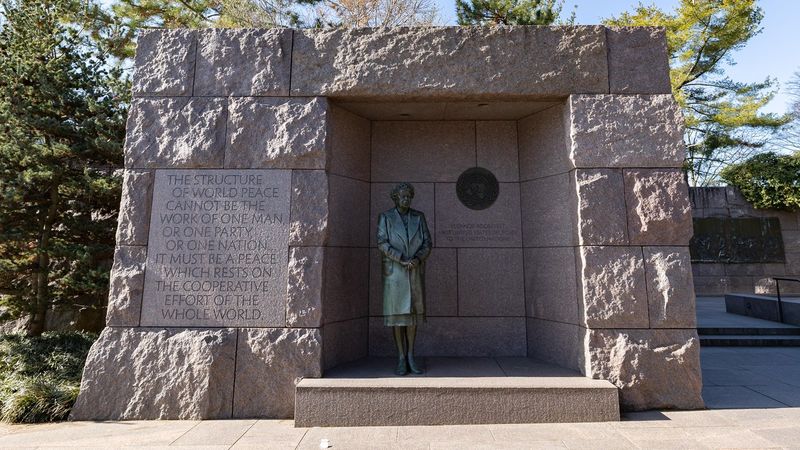
Unlike most First Ladies who remain in their husbands’ shadows, Eleanor Roosevelt stands alone in her own section of the sprawling FDR Memorial. The bronze statue depicts her before the United Nations emblem, honoring her groundbreaking human rights work after her husband’s death.
Sculptor Neil Estern captured her determined stance and thoughtful expression, embodying her famous quote: “You must do the thing you think you cannot do.” Visitors often touch her outstretched hand, creating a shiny patina that contrasts with the rest of the bronze.
Evening visits offer a magical experience as subtle lighting creates dramatic shadows that emphasize her pioneering spirit and independent legacy.
10. National Museum of Women in the Arts
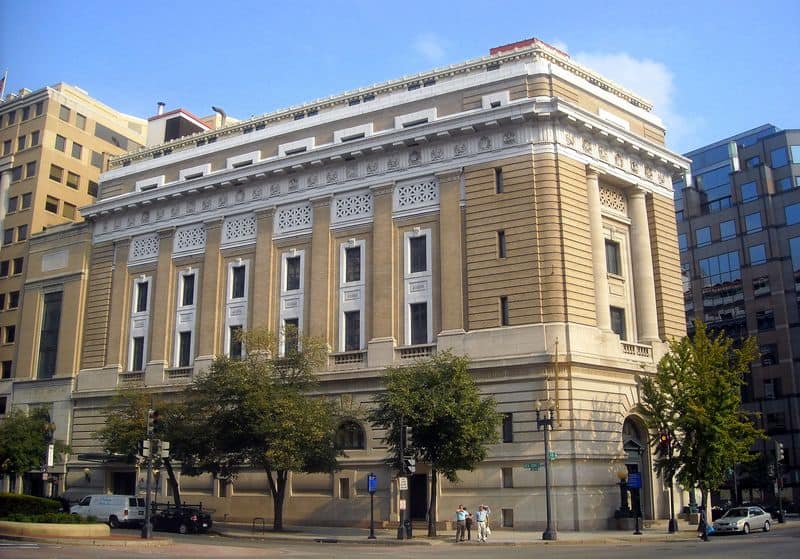
Housed in a magnificent Renaissance Revival building, this groundbreaking institution stands as the only major museum worldwide dedicated exclusively to celebrating women’s artistic achievements. Founded in 1987 by Wilhelmina Cole Holladay, it showcases over 5,500 works spanning Renaissance to contemporary periods.
Masterpieces by Frida Kahlo, Mary Cassatt, and Georgia O’Keeffe hang alongside works by lesser-known female artists whose contributions were historically overlooked. The grand marble staircase and ornate chandeliers create a fittingly beautiful setting for these long-underappreciated treasures.
Regular special exhibitions highlight diverse women artists from around the world, ensuring that female creativity continues to gain the recognition it deserves.