
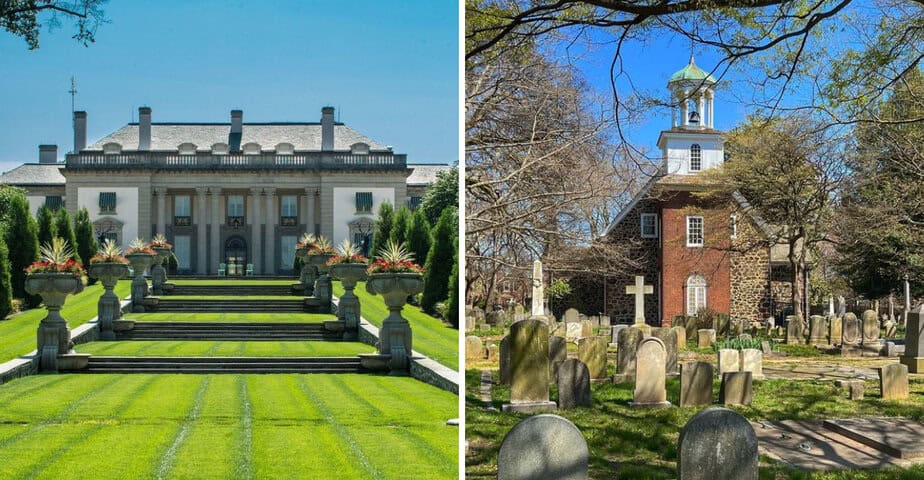
Wilmington, Delaware might not top most travel bucket lists, but this charming city holds unexpected treasures waiting to be discovered. Nestled along the Christina and Brandywine rivers, Wilmington blends rich history, stunning architecture, and natural beauty into a surprisingly delightful destination. From grand estates to hidden gardens, these unique experiences reveal why Delaware’s largest city deserves your attention.
1. Tour the Hagley Museum & Library
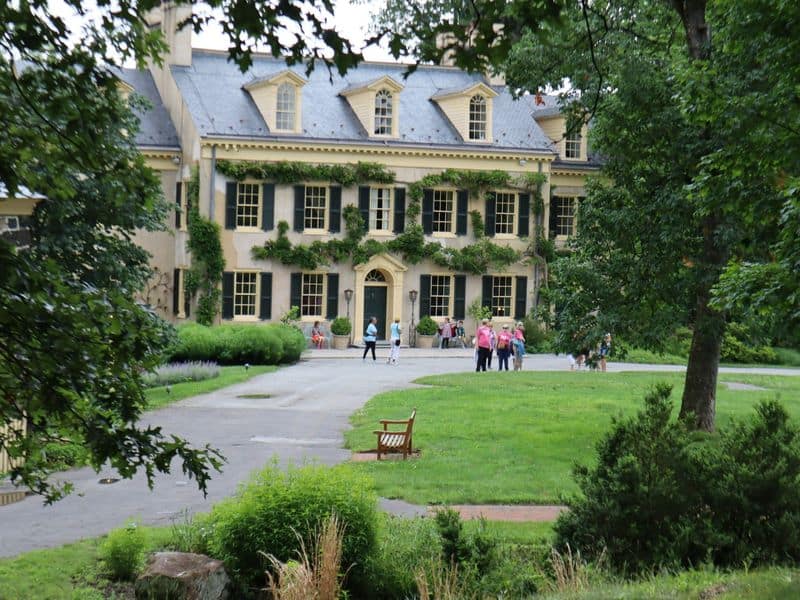
Step back into industrial history at this 235-acre riverside treasure. The birthplace of the du Pont empire offers more than just old buildings—it’s a living timeline of American innovation.
Wander through the original gunpowder mills where the du Pont legacy began, then explore the family’s ancestral home filled with period furnishings. The meticulously restored Renaissance Revival garden, created by Louise du Pont Crowninshield, provides a peaceful contrast to the industrial complex.
2. Visit the Nemours Estate
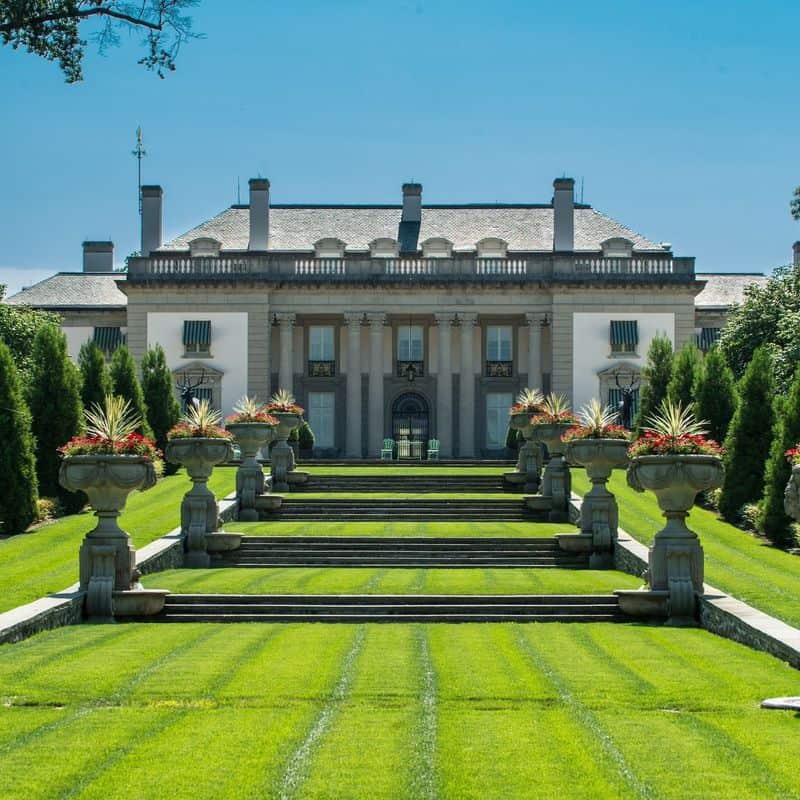
A breathtaking slice of European grandeur awaits at this 300-acre property. Alfred I. du Pont built this 77-room mansion as a gift to his second wife, modeling it after Marie Antoinette’s Petit Trianon at Versailles.
Marvel at the largest French-style formal gardens in North America, complete with reflecting pools, fountains, and classical sculptures. Inside the mansion, gold-plated fixtures, rare antiques, and priceless artwork transport visitors to a bygone era of unimaginable wealth and taste.
3. Stroll Through the Marian Coffin Garden
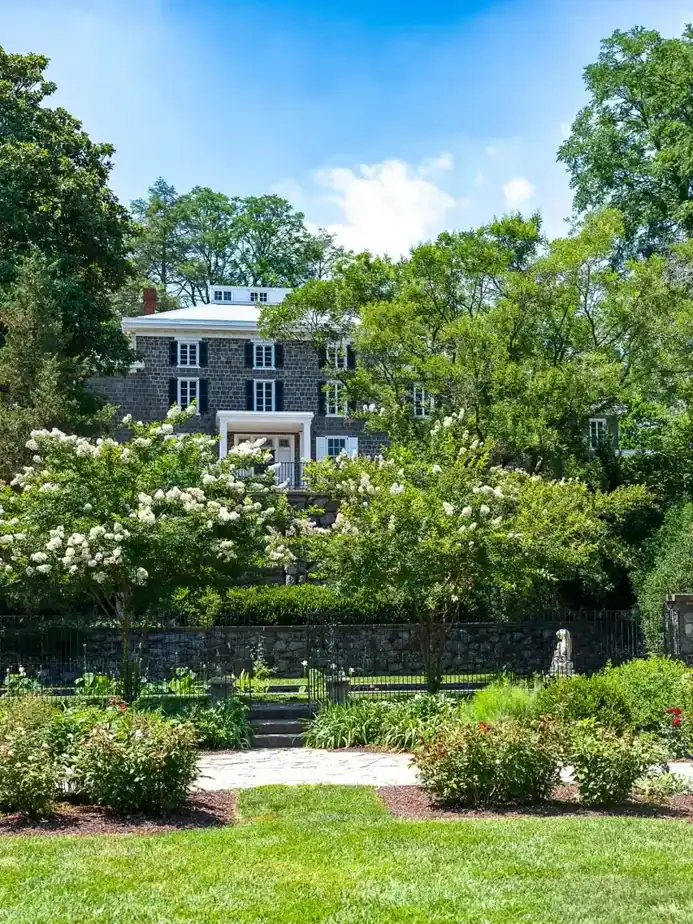
Hidden behind unassuming stone walls lies one of Wilmington’s best-kept secrets. The Marian Coffin Garden surrounds the hauntingly beautiful Gibraltar mansion, creating an unexpected oasis of tranquility.
Designed by one of America’s first professional female landscape architects, these gardens blend formal European styles with naturalistic elements. Seasonal blooms, carefully pruned topiary, and stone pathways create ever-changing vistas throughout the year. The contrast of the garden’s meticulous care against the mansion’s weathered façade creates a uniquely atmospheric experience.
4. Explore the Read House and Gardens
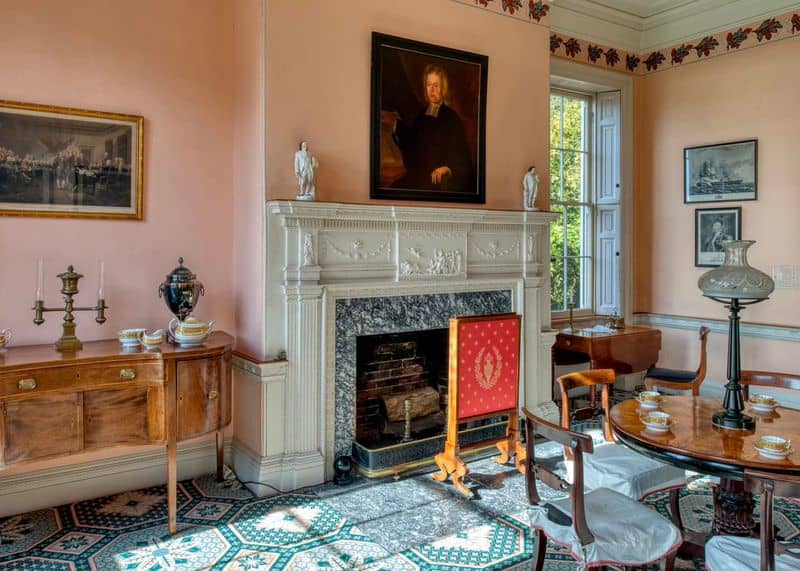
History comes alive at this Federal-style mansion overlooking the Delaware River. Built for George Read II between 1801 and 1803, it was once among the largest homes in the entire country.
The 22-room mansion showcases elaborate woodwork, period furnishings, and architectural details that reflect the wealth of Delaware’s early merchant class. Outside, 1.5 acres of formal gardens recreate the property’s 19th-century landscape design. Listen closely during tours—guides often share tales of the home’s rumored underground railroad connections.
5. Wander Through Old New Castle
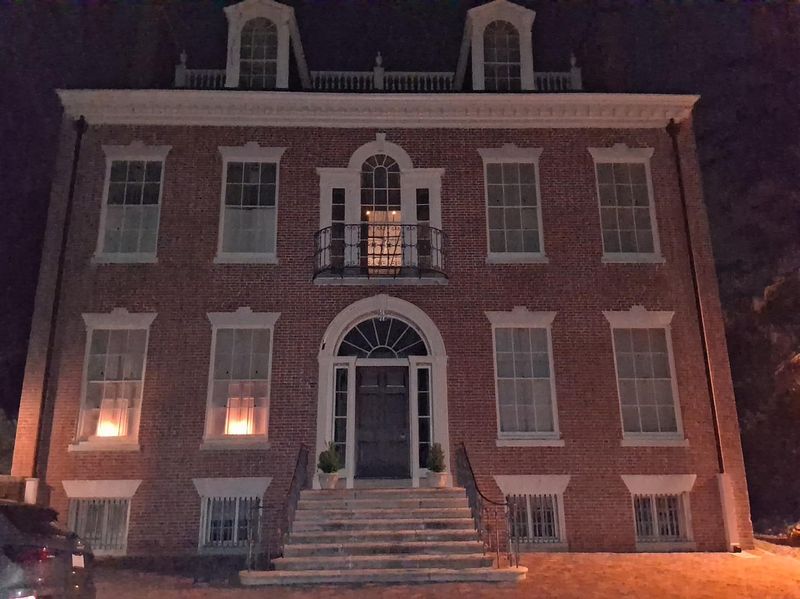
Time stands still in this colonial gem just minutes from downtown Wilmington. Founded in 1651, Old New Castle feels more like an open-air museum than a living community.
Cobblestone streets lead past homes dating back to the 1700s, many still occupied by residents. The town green, once used for public gatherings and militia drills, remains the heart of the community. Don’t miss the Court House Museum, where Delaware declared independence from both Great Britain and Pennsylvania in 1776.
6. Admire the Holy Trinity (Old Swedes’) Church
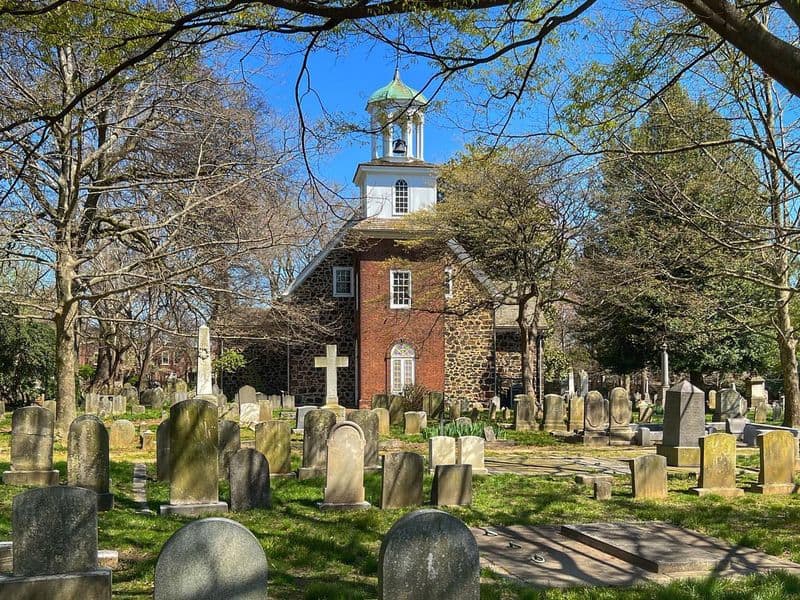
America’s oldest church, still standing as originally built,t awaits your discovery. Consecrated in 1699, Holy Trinity Church serves as a remarkable link to Delaware’s Swedish colonial heritage.
The simple brick exterior belies the historical significance within these walls. Original hand-hewn wooden pews, a rare pipe organ, and centuries-old gravestones tell stories of the region’s earliest European settlers. The adjacent Hendrickson House Museum completes this historical journey with exhibits on Swedish colonial life.
7. See the WWII Towers

Concrete sentinels stand watch along Delaware’s coastline, silent reminders of a nation at war. These observation towers were built during World War II to spot German U-boats threatening America’s eastern seaboard.
Though never used in actual combat, these structures represent a fascinating chapter in home front history. Several towers are open for climbing, offering spectacular views of the Atlantic Ocean and surrounding landscape. The contrast between these utilitarian military structures and the natural beauty of Delaware’s beaches creates a uniquely poignant experience.
8. Visit the Mount Olive Cemetery
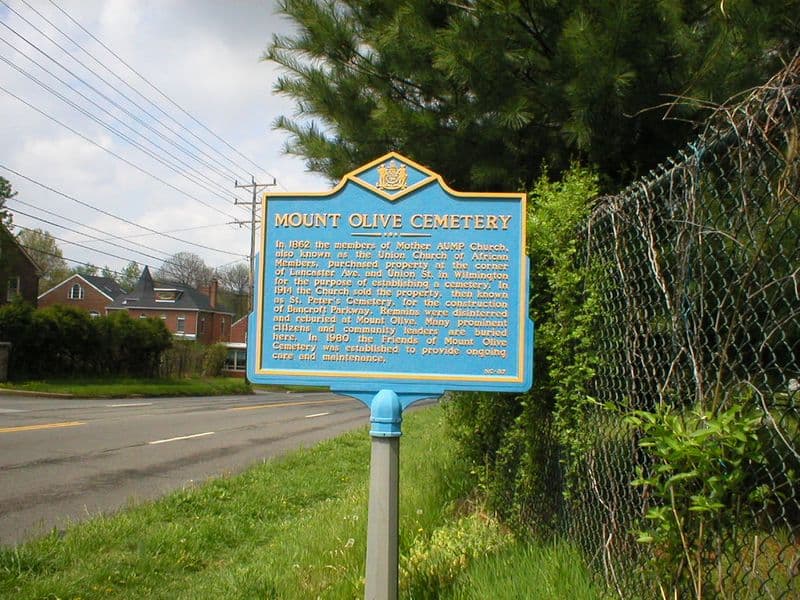
Sacred ground with profound historical significance lies tucked away in Wilmington’s landscape. Established in 1861, Mount Olive Cemetery served the African American community when segregation extended even to burial grounds.
Walking these grounds reveals the final resting places of Civil War veterans, community leaders, and generations of families. Weathered headstones tell stories of resilience, faith, and community bonds that transcended oppression. Preservation efforts continue today to document and honor those interred here, ensuring their stories remain part of Delaware’s complex history.
9. Tour the Govatos’/McVey Building
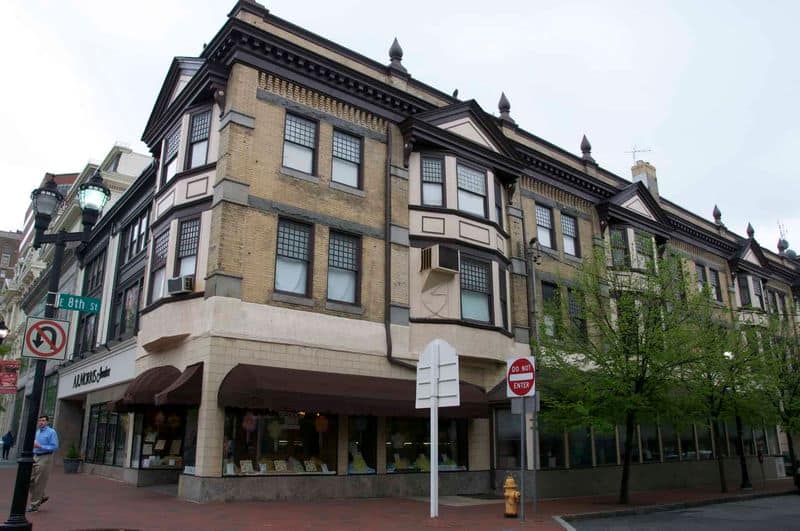
Sweet history awaits at this Victorian commercial building housing Wilmington’s oldest continuously operating business. Since 1894, Govatos Chocolates has been crafting handmade confections using the same copper kettles and marble cooling slabs.
The building itself, with its ornate façade and vintage interior details, transports visitors to an earlier era of American commerce. Watch artisans hand-dip chocolates using techniques passed down through generations. The connected soda fountain offers the perfect opportunity to sample these historic treats while soaking in the nostalgic atmosphere.
10. Admire the Dudley Spencer House
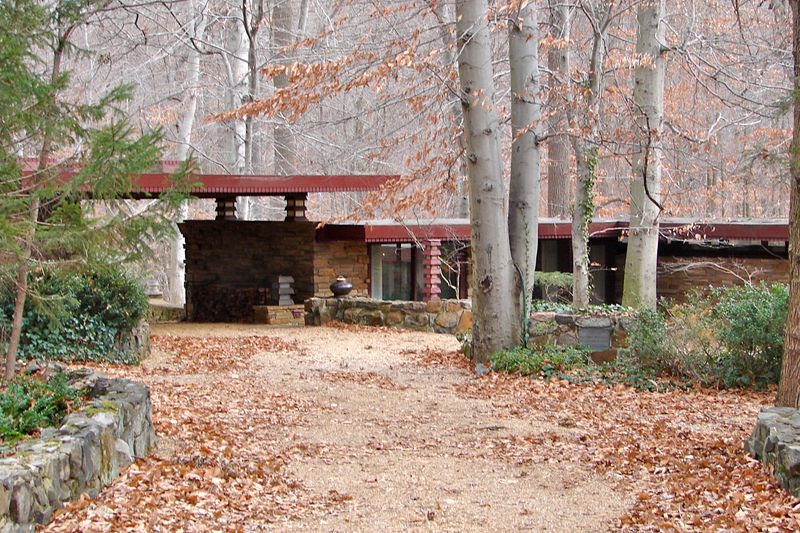
Frank Lloyd Wright’s architectural genius makes a rare appearance in Delaware at this stunning private residence. Completed in 1961, the Dudley Spencer House (known as “Laurel”) represents one of Wright’s final residential designs.
Though not open for interior tours, architecture enthusiasts can appreciate the home’s distinctive horizontal lines, natural materials, and seamless integration with its wooded surroundings from the street. The Cherokee red concrete floor and cypress woodwork exemplify Wright’s Usonian principles—beautiful, functional homes for middle-income Americans.