
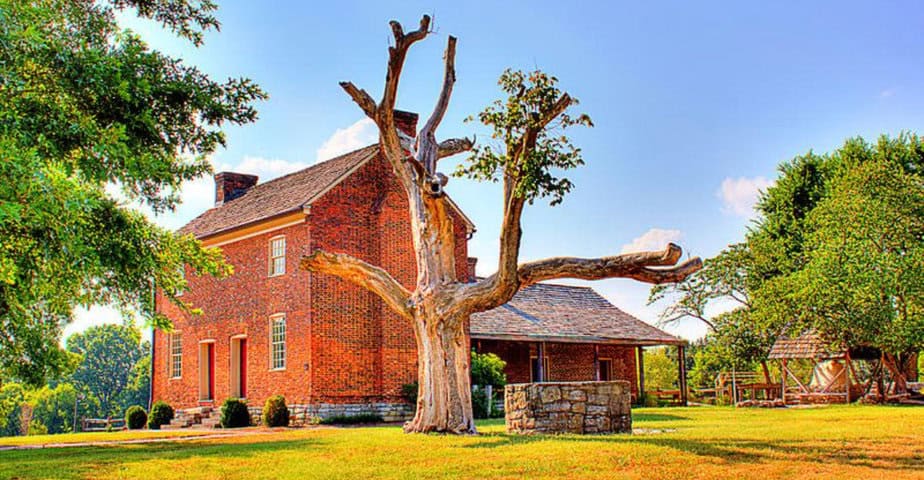
Walking through Tennessee’s historic plantations feels like stepping back in time. These grand estates showcase the complex stories of our state’s past, from presidential homes to Civil War battlegrounds. Each plantation offers visitors a chance to learn about different periods in Tennessee history while exploring beautiful architecture and landscapes.
1. Andrew Jackson’s Hermitage
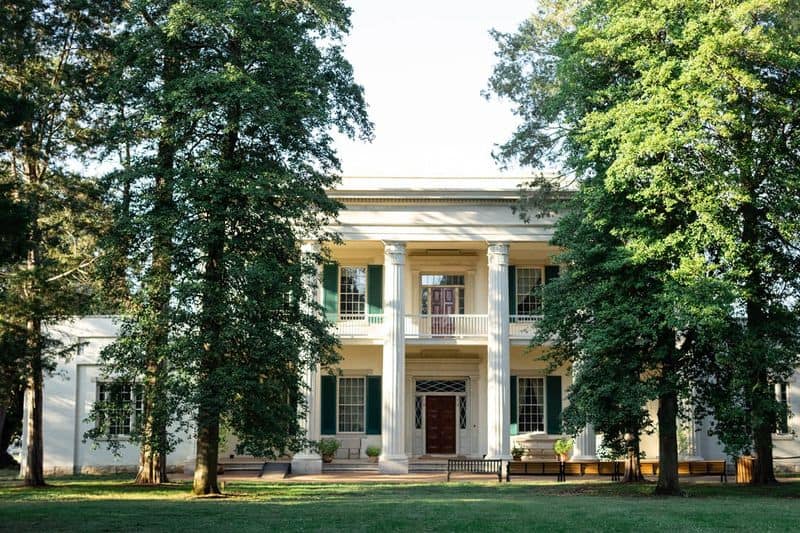
Presidents don’t always live in fancy places, but Old Hickory sure knew how to pick a spot. This Nashville mansion served as home to America’s seventh president from 1804 until his death in 1845.
Visitors can explore Jackson’s personal belongings, including his famous dueling pistols and Rachel’s garden tools. The mansion’s Greek Revival architecture makes it one of Tennessee’s most photographed historic sites.
Educational programs help students understand both Jackson’s achievements and the controversial aspects of his presidency, including his treatment of Native Americans.
2. Belle Meade Plantation
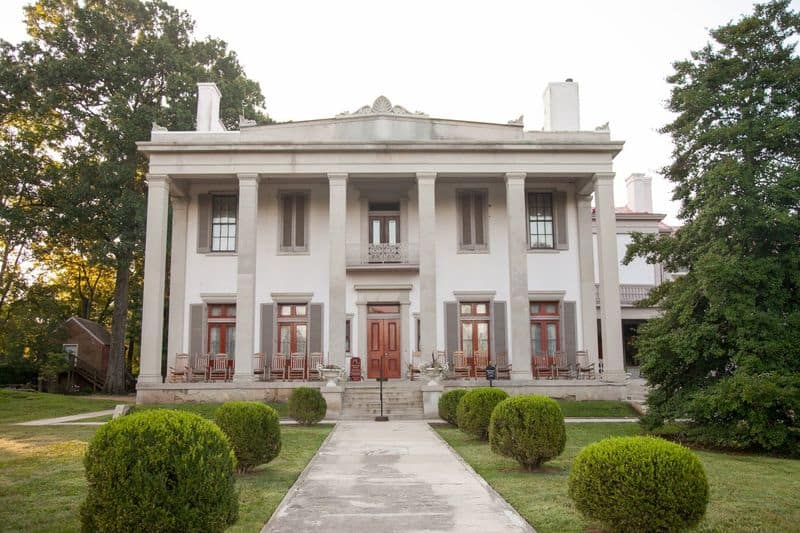
Thoroughbred horses made this Nashville plantation famous across America during the 1800s. The Harding family transformed their cotton farm into the nation’s premier horse breeding operation, producing champions that won major races.
Beautiful Greek Revival mansion tours reveal how wealthy families lived before the Civil War. The grounds include original slave cabins that tell important stories about the people who worked the land.
Today’s visitors can learn about both the glamorous horse racing world and the harsh realities of plantation life through interactive exhibits and guided tours.
3. Bowen-Campbell House
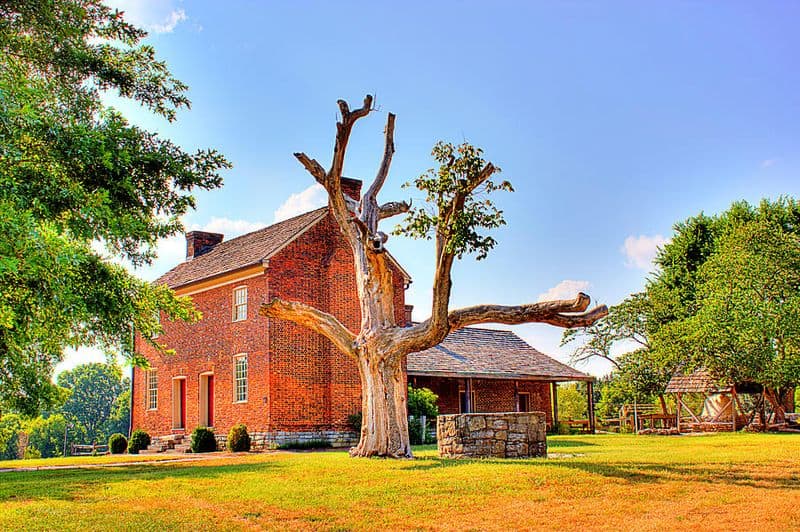
Small but mighty, this Knoxville treasure proves you don’t need a massive estate to make history. Built around 1809, the house represents middle-class life in early Tennessee rather than wealthy plantation owners.
Original furnishings help visitors understand how ordinary families lived during the frontier period. The kitchen garden still grows herbs and vegetables that would have fed the Campbell family two centuries ago.
Educational programs focus on daily life skills like candle making and cooking over open fires, giving students hands-on historical experiences.
4. Ramsey House Plantation
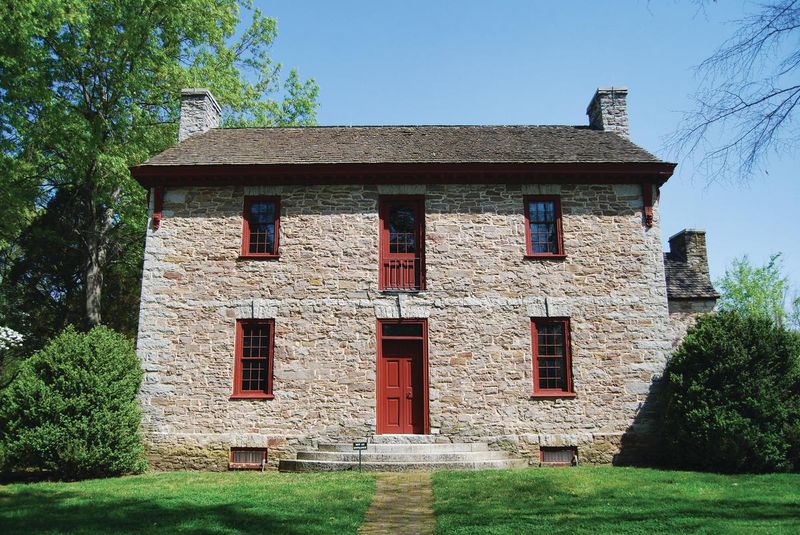
Frontier elegance describes this beautiful stone mansion overlooking the French Broad River near Knoxville. Colonel Francis Alexander Ramsey built this home in 1797, making it one of Tennessee’s oldest surviving plantation houses.
Unique blue limestone construction sets this house apart from typical wooden frontier buildings. The mansion’s design combines practical frontier needs with sophisticated architectural details imported from the East Coast.
Guided tours explain how the Ramsey family helped establish Knox County while managing their large plantation with enslaved workers who built much of the beautiful stonework visitors admire today.
5. Historic Travelers Rest Historic House
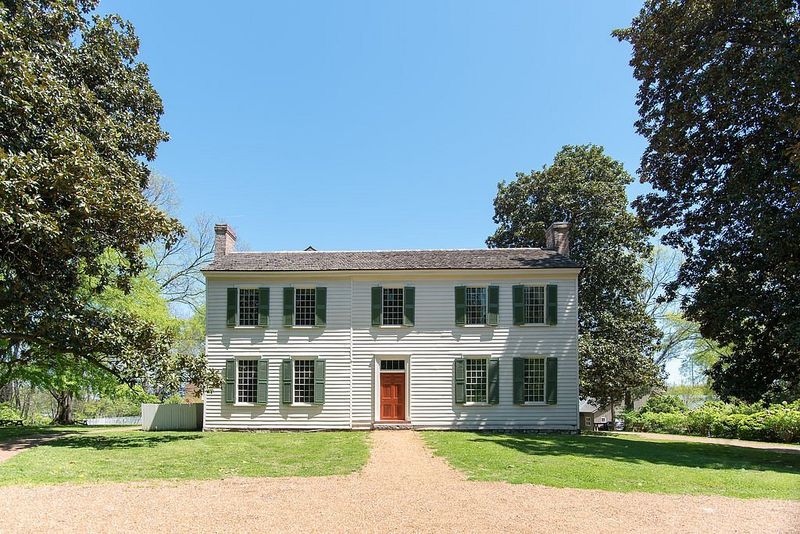
Stagecoach travelers once stopped at this Nashville plantation for food, shelter, and fresh horses during long journeys. Judge John Overton built this elegant home in 1799, creating both a family residence and profitable roadside business.
Federal-style architecture showcases the wealth Overton earned as Andrew Jackson’s law partner and land speculator. The house museum displays period furniture and explains how the plantation operated as both home and commercial enterprise.
Archaeology programs let visitors discover artifacts from the property’s long history, including items left by travelers and the enslaved people who served them.
6. Sam Davis Home and Plantation
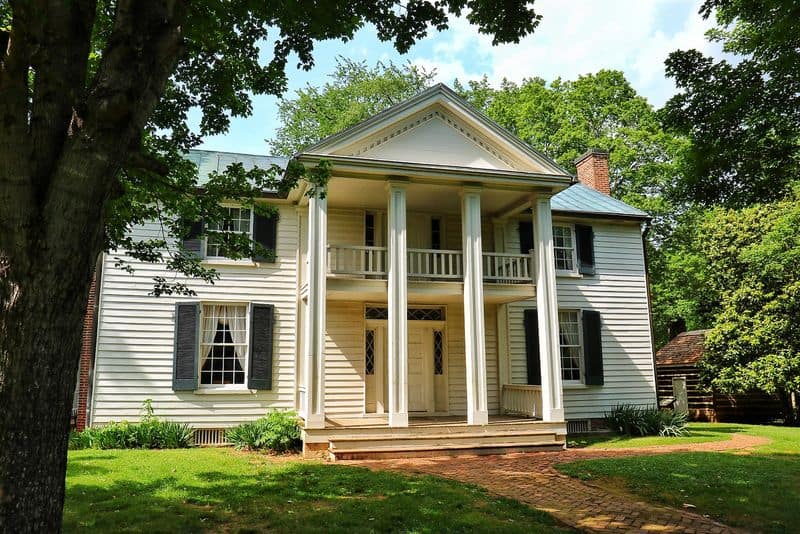
Heroes come in all ages, and Sam Davis was just 21 when he died for the Confederate cause. This Smyrna plantation tells the story of Tennessee’s most famous Civil War martyr through his family’s beautiful antebellum home.
Period rooms show how middle-class farming families lived before the war changed everything. The grounds include original outbuildings where visitors learn about plantation operations and the enslaved workers who made them possible.
Educational programs explore difficult questions about loyalty, sacrifice, and the complex reasons why young Tennesseans fought on both sides of America’s bloodiest conflict.
7. Carter House
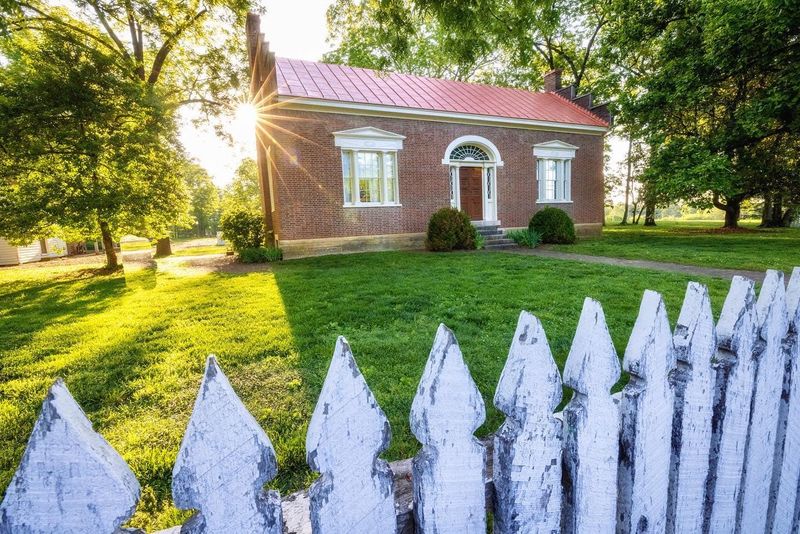
Bullet holes still mark the walls of this Franklin home that became an accidental battlefield during the Civil War’s bloodiest afternoon. The Carter family huddled in their basement while Confederate and Union soldiers fought desperately around their property.
Museum exhibits explain the Battle of Franklin through artifacts found on the grounds, including weapons, uniform pieces, and personal items from soldiers. The house itself serves as evidence of war’s impact on civilian families.
Guided tours help visitors understand how quickly peaceful communities could become war zones and how families coped with unimaginable violence and destruction.
8. Davies Manor Plantation
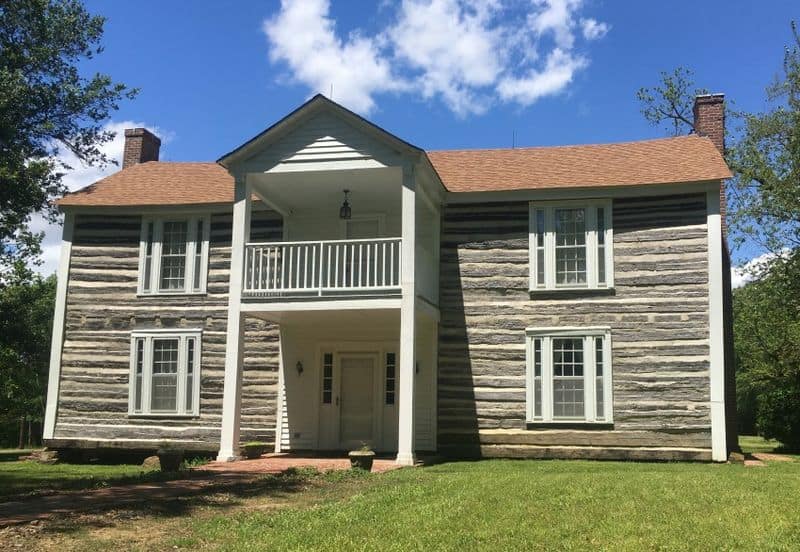
Log cabins can be elegant too, as this beautiful Bartlett mansion proves. Built in 1807, Davies Manor combines frontier building techniques with sophisticated design elements that impressed visitors from across the region.
Original furnishings show how wealthy cotton planters lived in West Tennessee’s fertile river valleys. The house museum explains cotton farming’s importance to the regional economy and the enslaved workers who made plantations profitable.
Special programs demonstrate period crafts like spinning, weaving, and woodworking that sustained plantation communities. Visitors learn about both the skills required for frontier life and the social systems that supported plantation agriculture.
9. The Belmont Mansion
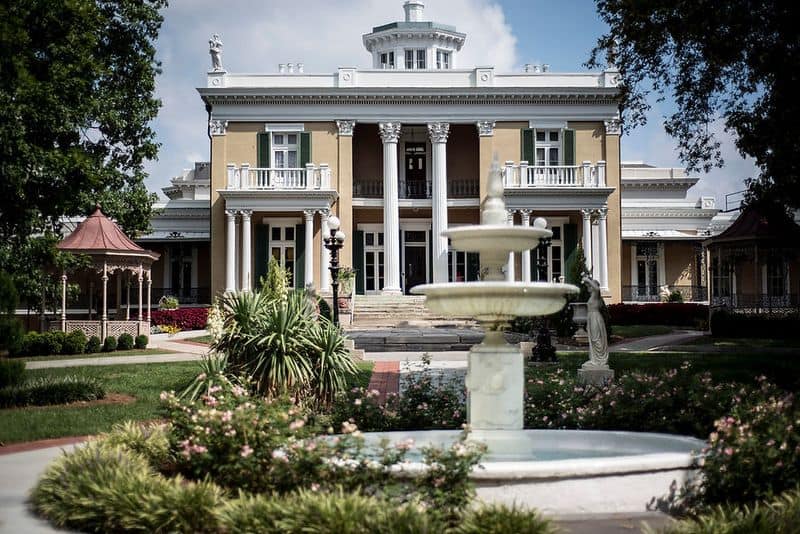
Millionaire’s dreams became reality when Adelicia Acklen built this Nashville palace in 1853. Known as the wealthiest woman in America, she created a summer home that rivals European castles with its Italian Villa architecture and lavish decorations.
Guided tours reveal incredible luxury, from hand-painted ceilings to imported marble fireplaces. The mansion’s 36 rooms showcase how America’s richest families lived during the antebellum period.
Educational programs explore women’s roles in managing large plantations and businesses when most women had few legal rights. Acklen’s story challenges traditional ideas about 19th-century gender roles.
10. Cherry Mansion
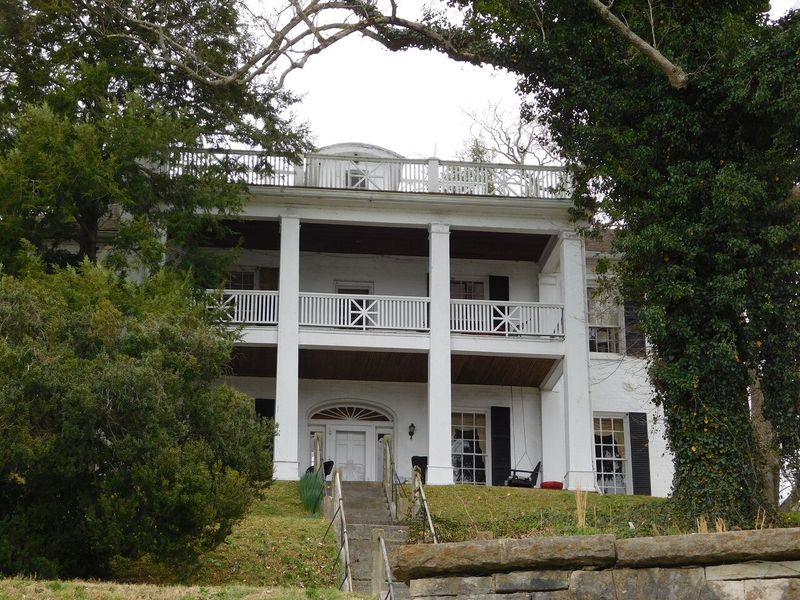
Generals made history at this elegant Savannah home during the Civil War’s western campaign. Built in 1830, Cherry Mansion served as Union headquarters where important military decisions shaped the war’s outcome in Tennessee.
Federal-style architecture reflects the wealth of West Tennessee’s cotton economy before the war. Period rooms show how wealthy planters lived while museum exhibits explain the property’s military significance during the Shiloh campaign.
Educational programs help visitors understand how civilian homes became military headquarters and how families dealt with armies occupying their property. The mansion bridges local history with national Civil War events.